


Published Apr 9, 2026, 6:00 AM EDT
John Orquiola is a New & Classic TV Editor, Senior Writer, and Interviewer with a special focus on Star Trek. John has over 5,000 published articles at SR, and he has interviewed the biggest names in Star Trek on the red carpet and VIP events, among other beloved shows, movies, and franchises.
58 years before Star Trek: Starfleet Academy, Gene Roddenberry hatched the idea with designs to make it into a Star Trek movie. Executive produced by Alex Kurtzman and Noga Landau, Star Trek: Starfleet Academy will run for two seasons, with the second and final season expected to premiere on Paramount+ in 2027.
Star Trek: Starfleet Academy's January 2026 debut kicked off Star Trek's 60th anniversary. The 12th Star Trek TV series, Starfleet Academy stars Academy Award winner Holly Hunter leading a talented young cast of Starfleet cadets. Star Trek: Starfleet Academy is the first young adult-focused saga in the franchise, and is set 900 years after the voyages of Captain James T. Kirk's (William Shatner) Starship Enterprise.
Meanwhile, fans have spent a decade waiting for a new Star Trek movie to hit theaters. Star Trek became a movie franchise in 1979, and 13 feature films have been released theatrically, with the first streaming movie, Star Trek: Section 31, premiering in January 2025 on Paramount+.
However, Gene Roddenberry wanted to combine Starfleet Academy and a Star Trek movie 58 years ago.
Gene Roddenberry Discussed A Star Trek: Starfleet Academy Movie In 1968
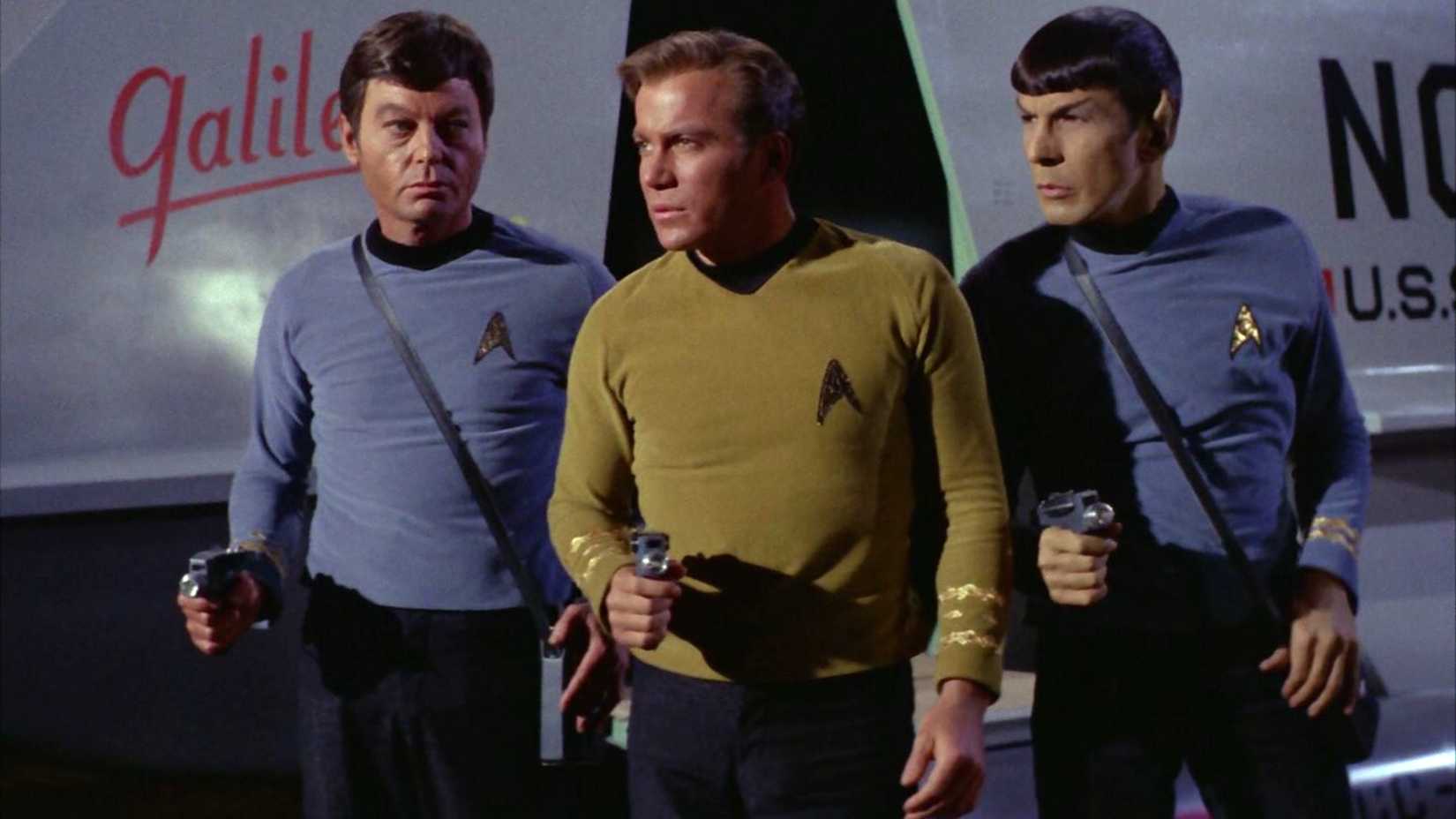
Star Trek: The Motion Picture hit movie screens in 1979, but Gene Roddenberry began negotiating to make a Star Trek feature film over a decade earlier. In late 1968, Star Trek entered its third and final season on NBC. Seeing the writing on the wall for Star Trek on network television, Roddenberry aimed bigger for the Starship Enterprise.
According to "Lost Federations: The Unofficial Unmade History of Star Trek" by A.J. Black, Gene Roddenberry began publicly speaking about a Star Trek movie in 1968, and he wanted it to be about Starfleet Academy:
“In late August-early September 1968, as production of ultimately the final season of Star Trek was taking place, Gene Roddenberry attended the 26th ‘Worldcon’, otherwise known as the World Science Fiction Convention in Berkeley, California…
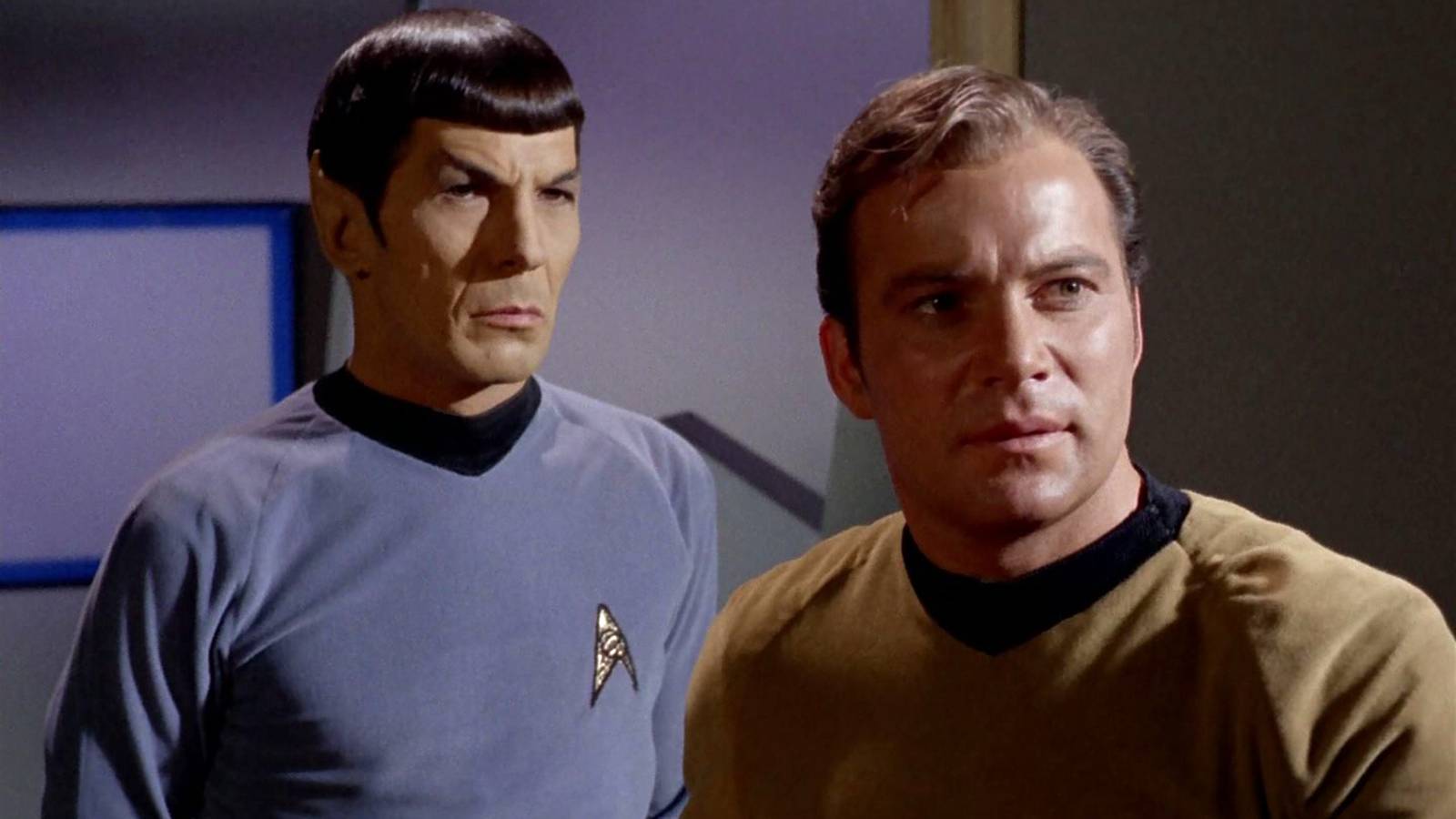
As writer Garfield Reeves-Stevens recounted, Roddenberry spoke to a highly enthusiastic crowd and discussed the possibility of taking Star Trek to a bigger canvas: “...he said that he was talking to Paramount about making a feature film version of Star Trek that would tell the story of how Kirk, Spock, and McCoy met at the Academy”.
Gene Roddenberry posited a Starfleet Academy movie about how James T. Kirk, Spock, and Dr. Leonard McCoy met over 20 years before producer Harve Bennett began working on the same idea. After Star Trek V: The Final Frontier's failure in 1989, Bennett planned Star Trek: The Academy Years about the young Kirk, Spock, and McCoy, although Paramount rejected it in favor of Star Trek VI: The Undiscovered Country.
In 2009, 41 years after Gene Roddenberry told Worldcon about his Starfleet Academy movie hopes, J.J. Abrams' Star Trek reboot finally delivered on this long-gestating idea. Although it was set in an alternate timeline, Star Trek (2009) brought a young Kirk (Chris Pine), Spock (Zachary Quinto), and Bones (Karl Urban) to the big screen in a summer blockbuster.
Why Star Trek: Starfleet Academy Took Almost 60 Years To Become A TV Show

It took almost 60 years, a markedly different concept, and a completely different cast to fully realize Star Trek: Starfleet Academy. One significant reason why Starfleet Academy didn't become a movie much sooner is that the idea was originally about the young Kirk, Spock, and McCoy.
Related
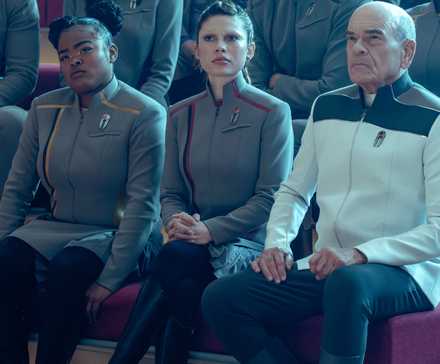
Why Star Trek: Starfleet Academy Ending In Season 2 Is A Tragedy
Star Trek: Starfleet Academy will officially end with season 2, but Paramount+ not continuing the series past its second season has ramifications.
For decades, it was considered impossible, or at least ill-advised, that the iconic roles of Captain Kirk, Spock, Bones, and the rest of the original Star Trek characters could be played by anyone but William Shatner, Leonard Nimoy, and their cast mates. J.J. Abrams' spot-on recasting proved the Starship Enterprise's heroes could be embodied by younger actors, and fans would accept it.
Another stumbling block for Starfleet Academy is the very nature of the concept: that it would be about cadets in their late teens and early 20s, and not adult Starfleet Officers at the top of their fields. A young adult Star Trek was a puzzle that couldn't be solved until Alex Kurtzman and Noga Landau's Star Trek: Starfleet Academy.
Yet, regardless of Star Trek: Starfleet Academy's Oscar-caliber actors, spectacular production, and vivid storytelling, many Star Trek fans still rejected the series simply because it was about young adults. Star Trek (2009) got a pass because Starfleet Academy was just a small section of the film, which plunged the cadets into an adventure to save Earth by taking command of the USS Enterprise.
However, despite Gene Roddenberry publicly discussing Starfleet Academy in 1968, he ultimately didn't pursue the idea of a young Kirk, Spock, and McCoy when it came time to develop what became Star Trek: The Motion Picture in the 1970s.
A Starfleet Academy movie didn't truly come up again until Harve Bennett's rejected project in 1990, and Star Trek: Starfleet Academy became a very different fulfillment of Gene Roddenberry's original idea 58 years later.
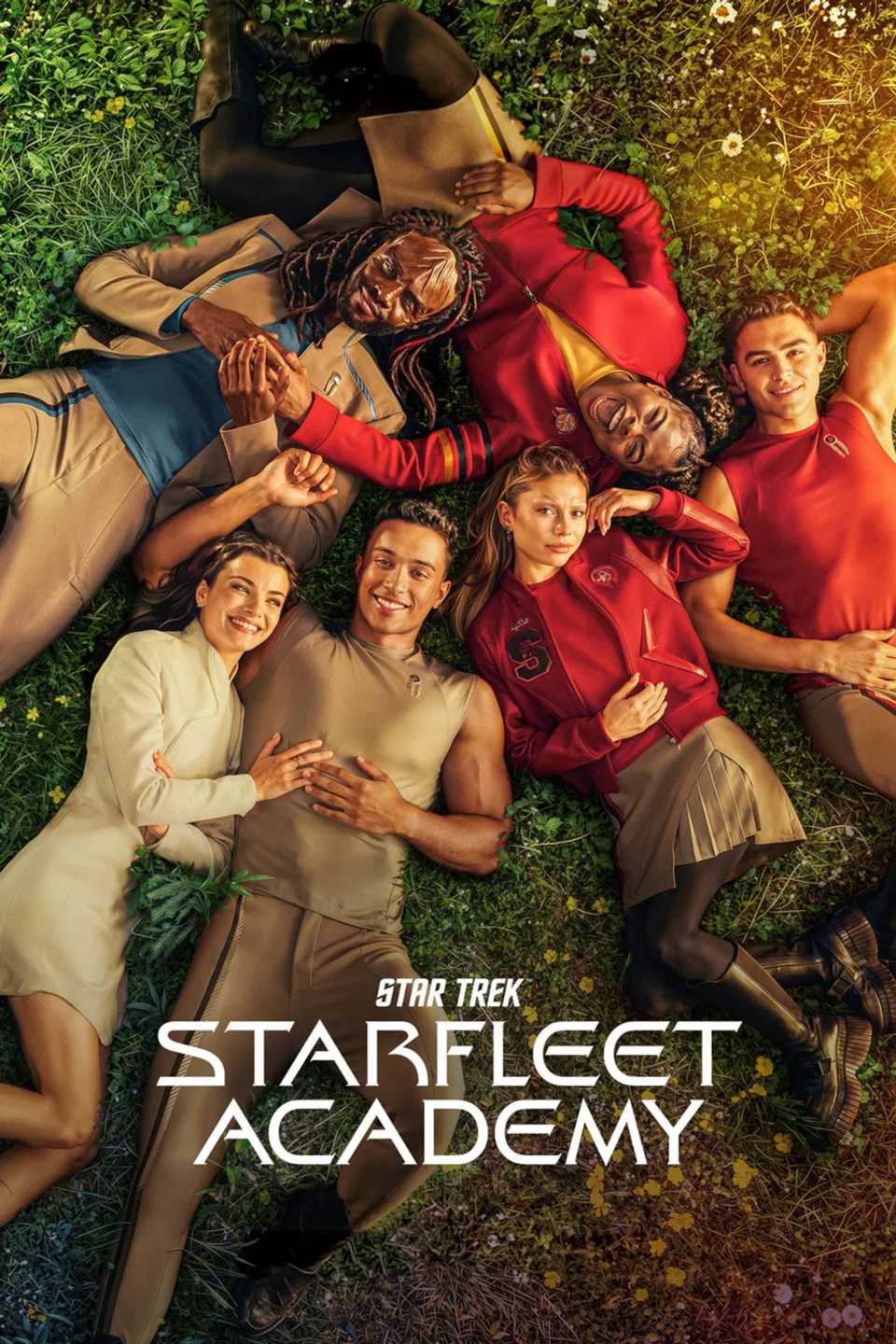
Release Date January 15, 2026
Network Paramount+
Showrunner Alex Kurtzman, Noga Landau
Directors Douglas Aarniokoski, Alex Kurtzman, Andi Armaganian, Larry Teng
Writers Gaia Violo, Alex Taub, Jane Maggs, Tawny Newsome, Kirsten Beyer, Kiley Rossetter, Eric Anthony Glover



 English (US) ·