
 3 weeks ago
22
3 weeks ago
22

Published Feb 13, 2026, 3:48 PM EST
Lore dumps aren't love
 Image: Larian Studios via Polygon
If you had to pick a good love story, you might think of something classic, like Jane Austen's Emma or Casablanca. Or maybe tragic, like Giovanni's Room by James Baldwin or Romeo and Juliet. Or possibly cozy, like Heated Rivalry or Netflix's Nobody Wants This. What probably doesn't come to mind is a video game love story, and there's a good reason for that. Despite the appearance of variety, video game romances only come in one type. And it hardly even counts as a romance.
Games are still young as a storytelling medium, so the lack of memorable love stories compared film or literature is hardly surprising. What is surprising is just how little romance has changed in over three decades. In 1994, Konami's Tokimeki Memorial made popular the idea of dating in video games. It was hardly what you might call romantic, with its stat-based progress and checklist approach to relationships. But it set a precedent for how to Do Romance in games, and later titles, like Harvest Moon, built on that formula. By 2000, the likes of Baldur's Gate 2 added a stronger element of personality, with more complex characters who played important roles in bigger stories, but not necessarily in each other's lives. Relationships consisted of saying the right thing at the right time and then, like magic, love occurs. 26 years later, game romances are still written like they were in 2000, with obvious exceptions like (usually) not being as sexist anymore and occasionally being decent enough to show more than one type of love.
 Image: Larian Studios
"It's about the fantasy of wooing someone cool and sexy," you might say. But do you ever really woo them? Most of these relationships, even the well-written ones, are just lore dumps disguised as love. You listen to Shadowheart's story in Baldur's Gate 3 and, since you pass no judgment, fall in love. Same with Halsin. And Garrus in Mass Effect (and Tali and Miranda and Liara and basically all the other romance interests too). Granted, Mass Effect — and Fire Emblem for that matter — has the benefit of throwing lonely people together in high-pressure situations, so their sudden, intense relationships make more sense. Or at least, they make sense as flings, but not much more. (The Shadowheart and Garrus examples also have the problem of making love interests out of vulnerable people. Falling for the nearest sympathetic person when you're lonely and sad is not a good, safe idea!)
The transactional nature of "complete quest, progress relationship" isn't what makes these scenarios shallow. It's video games. Outside of a few instances like Haven, which is built around the main couple's relationship dynamics, there's always going to be some kind of objective-based mechanic in them. The quests and events that make up these "transactions" meant to deepen your relationship just don't do it. Sure, you learn about the biggest problem in Judy Alvarez's life in Cyberpunk 2077 and get clued into Panam's serious family drama. Anders bares his soul to you in Dragon Age 2, not that it has anything to do with you, and Dragon Age Inquisition's Iron Bull relationship is more blunt about sex than most.
But reading an encyclopedia entry about someone else's life and preferences, or even helping write it, doesn't equal love or even infatuation. There's no mingling of personalities in any of this. No figuring out how you fit into each other's lives, or if you even could. No emotional friction. Hell, there's rarely even much emotion at all. Even Pride and Prejudice's Jane Bennett, the most reserved of the Bennett brood of sisters, shows more excitement at the prospect of a near-perfect relationship than any of the most popular romance candidates in games. Want the kind of rapturous hurricane of passion and trepidation from Romeo and Juliet's balcony scene? Too bad.
Instead, you get gratitude, the thing most video game relationships boil down to. The other party is grateful that you listened to them or understood them or helped out with some major problem, so they fall in love with you. Knowing about someone — what they're comfortable sharing, anyway — is important for a relationship, of course. So is helping your lover when they're in trouble. But there's nothing in these scenarios that justifies the leap from "being a supportive friend" to "let's spend our lives together." What do these characters mean to each other beyond what one has done for the other? That, it seems, is not really important.
 Image: Black Tabby Games
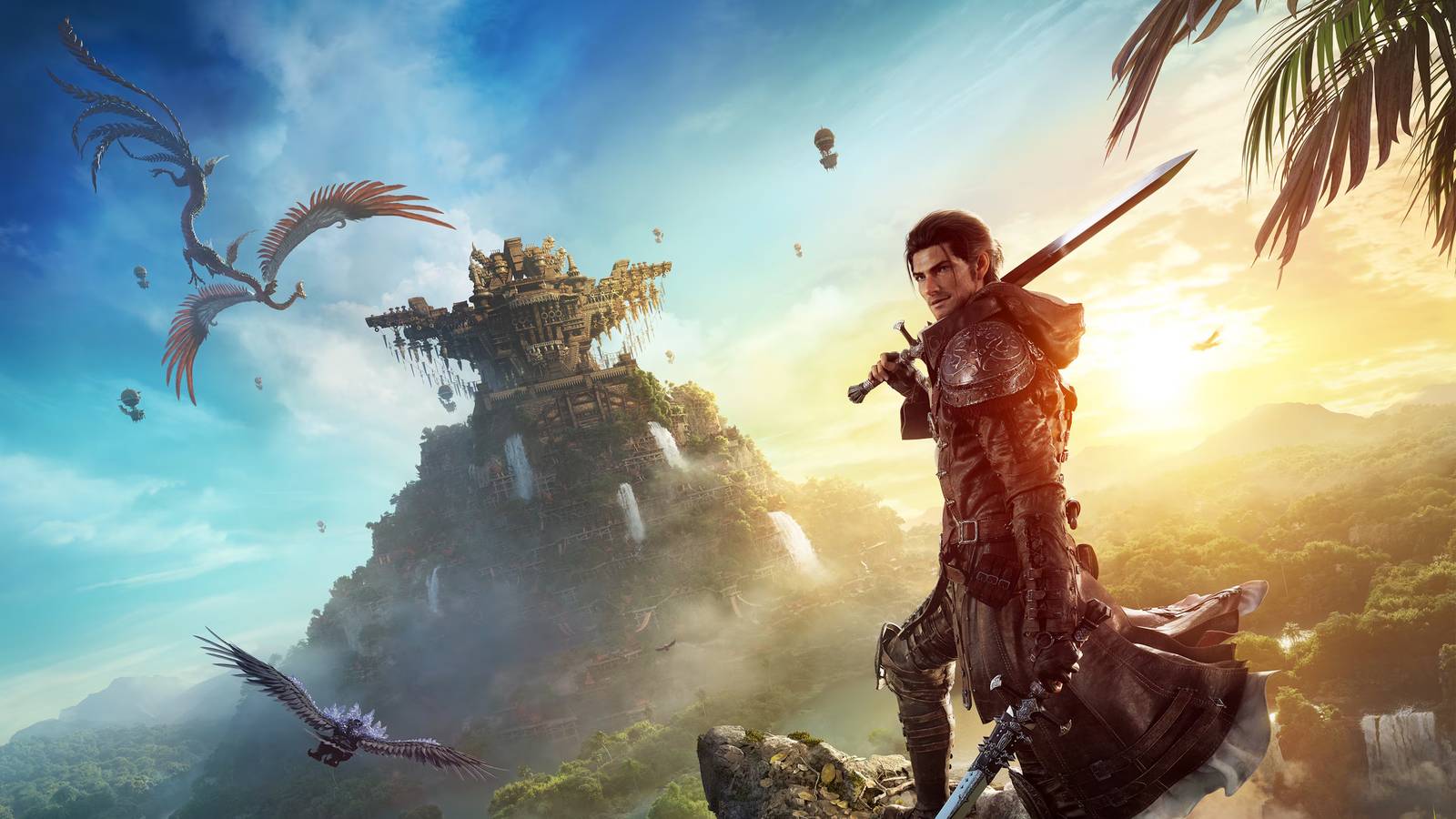
Some games do come close to getting it right. Cyberpunk 2077 teases a more grounded relationship when River takes you to meet his family — but then the game decides to turn the whole thing into a crime drama instead. Final Fantasy 16 almost made it work between Clive and Jill, but forgot to let Jill speak more than 10 words. The Witcher 3 is a stronger example. Geralt has a personal history with his love interests, which adds meaning to their interactions — for better and worse — to the point where a seemingly throwaway comment between him and Yennefer, even silence, carries emotional weight.
Black Tabby's Scarlet Hollow is also doing a better job than most visual novels and RPGs. It's a small-town horror mystery where you're an outsider in the community, and the "getting to know you" conversations are built around, well, actually getting to know you. Not trauma dumps with the hope of a naughty night over the horizon. One of the relationships even centers on how well, or not, you mesh with the romance interest's daughter. It's the kind of "where do you fit in my life and is there even room for you" that real relationships are made of, whether you're a space lizard, a librarian, a witch or a monster hunter, a Montague or a Capulet.
What it comes down to is that romance is still an afterthought in most games, even the ones that try to make it a central feature. It's confined to anecdotes as a spicy little add-on, usually with no bearing on character development elsewhere in the story, or impact on how a game's narrative plays out. Events and wish fulfillment are what matter, not people. Maybe that says a lot about the culture that makes these kinds of stories seem desirable. But if video games are ever going to be taken seriously as an artistic medium, they have to grow up, and that means learning how to love authentically.





 English (US) ·