Optiscaler team fixes INT8 FSR 4 ghosting on RX 6000 series GPUs — adds support for the latest Adrenalin drivers
2 weeks ago
38
(Image credit: AMD)
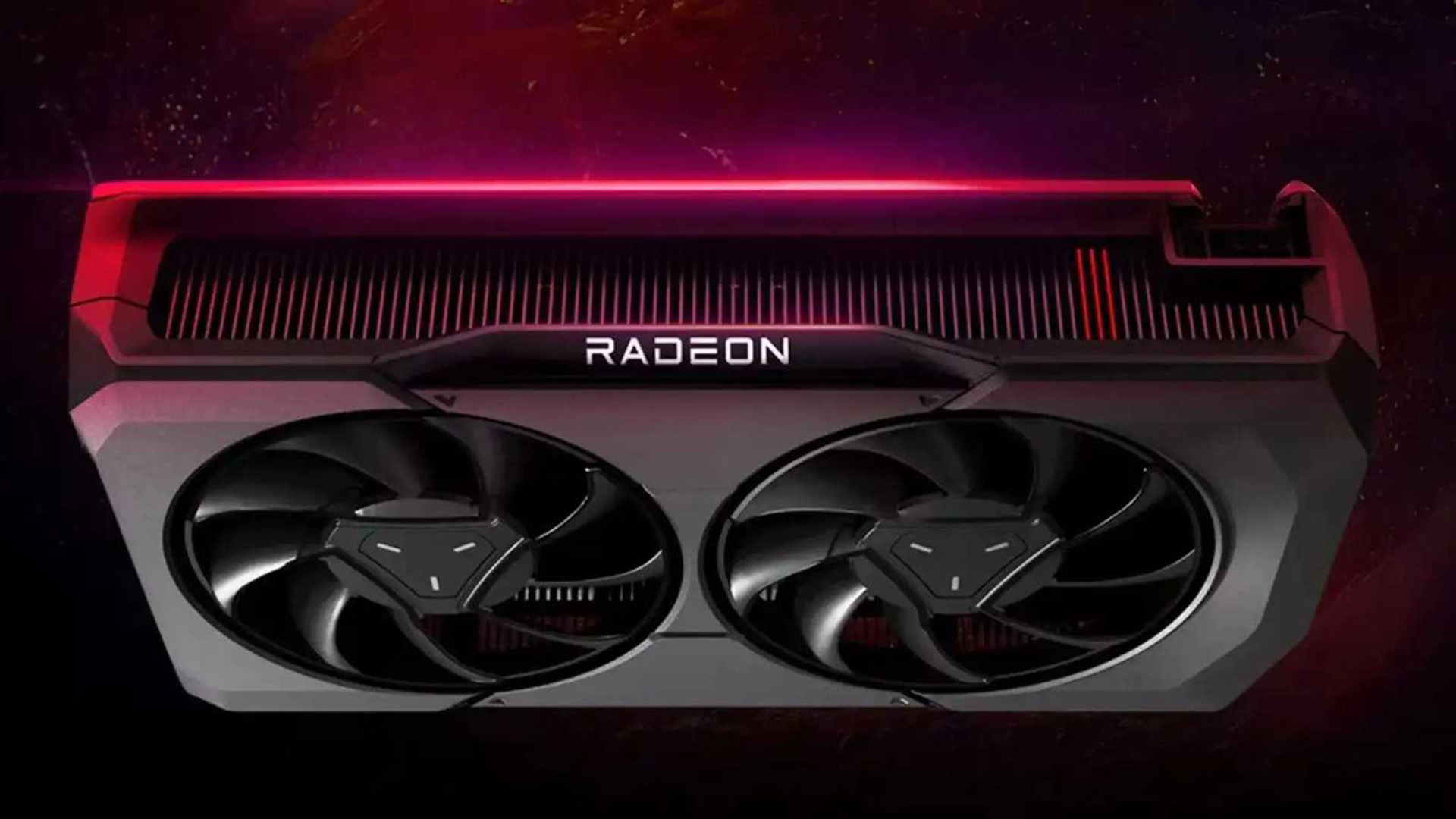
Optiscaler was one of the first community-driven programs to incorporate FSR 4 support for unsupported Radeon graphics cards. Now, Videocardzreports that the dev team behind the upscaling program has released update 4.2.0b that removes ghosting issues with the unofficial INT8 build of FSR 4 for RX 6000 series graphics cards starting with update 4.0.2b.
The update also provides support for the aforementioned FSR 4 build with the latest Adrenalin drivers (26.2.2 at the time of writing), as previously, users had to run modified drivers to make Optiscaler's FSR4 implementation work on RDNA2 GPUs. However, the Optiscaler devs clarify that the update is not guaranteed to fix all ghosting issues — at the very least, ghosting should be significantly less problematic on RX 6000 cards.
The update shows Optiscaler's commitment to the unofficial build of FSR 4 and the dev team's commitment to supporting the feature. Optiscaler is a community-driven program that allows gamers to inject various upscalers into supported games as long as the games have DLSS 2, FSR 3, or XeSS support at a minimum. The FSR 4 build Optiscaler is using comes from a leaked FSR 4 build that uses INT8 rather than FP8, a numerical format that is widely supported on older graphics cards.
Article continues below
The INT8 version has been tested by several outlets already and performs slightly worse than the official FP8 version on AMD's RX 9070 XT. On older cards such as the RX 7900 XTX, the INT8 version performs noticeably worse than FSR 3.1 but still performs better than native resolution while providing better image quality compared to FSR 3.1.
Despite never releasing it, the INT8 version of FSR 4 confirms that AMD was toying with the idea of making FSR 4 more viable across more GPUs beyond its RX 9000 series cards (and newer). As previously mentioned, INT8 adoption is much greater on older graphics cards and would technically allow FSR 4 to work on Intel and Nvidia GPUs as well.
The good news is that with tools such as Optiscaler, gamers can run this leaked version of FSR 4 and enjoy higher image fidelity than what FSR 3.1 can deliver on older graphics cards. AMD has not made any official claims of bringing FSR 4 to older GPUs, so it is likely this unofficial method will be one of the only ways to run FSR 4 on RDNA 2 and RDNA 3 GPUs for the foreseeable future.

 2 weeks ago
38
2 weeks ago
38






 English (US) ·