
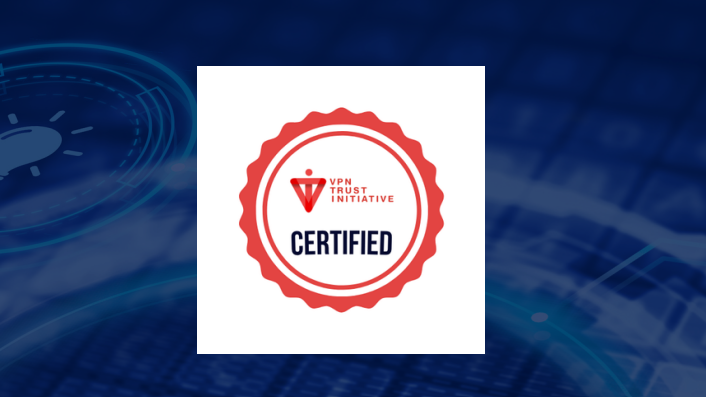
- VPN firms must now be re-accredited every year for the VTI Trust Seal badge
- The badge is a guarantee that providers offer secure and ethical products
- The move aims to help users make more conscious choices
Choosing the best VPN may be about to get a little easier for privacy-conscious users. The VPN Trust Initiative (VTI), has revealed that its Trust Seal program will now require annual reaccreditation, ensuring that providers don't just reach a high standard of security, but maintain it permanently.
The VTI, an industry-led consortium organized by the Internet Infrastructure Coalition (i2Coalition), launched the initiative in 2023 to help consumers navigate a crowded and often confusing market. With the expansion of its VPN Trust Seal program, the VTI aims to separate reputable providers from the snake oil, giving users a clear indicator of which services genuinely prioritize their digital safety.
According to the VTI, the shift to a yearly model is essential because the digital landscape moves too fast for static awards. "'Walking the walk' is a marathon and not a sprint, especially as technology and legislation continue to evolve," said a spokesperson from the i2Coalition. "Now the industry and the public will know that companies displaying the VTI Trust Seal make an ongoing commitment to the VTI Principles."
Raising the bar for VPN transparency
For most users, the inner workings of virtual private networks (VPNs) are a mystery. Technical jargon like "military‑grade encryption" or "no‑logs policies" sounds reassuring, but few can verify such claims. That’s the gap the VTI wants to close.
As the organisation puts it, "not all VPNs are created equal," and without shared benchmarks, users can’t tell which ones to trust. Rather than treating certification as a one‑off badge, the VTI now turns it into an ongoing commitment, requiring providers to uphold strict criteria across five pillars: security, privacy, transparency, advertising ethics, and social responsibility.
These principles cover everything from banning plain‑text password storage and limiting data collection, to publishing annual transparency reports and pledging honesty in marketing. Perhaps most importantly, the VTI insists members never promise "complete anonymity," a claim it calls misleading.
The goal is simple – to make VPNs both safer and more accountable while helping users understand what real trust looks like online.
This move builds on the momentum of the initiative, which has previously seen top VPN brands join the security initiative to align on industry best practices. VTI members include some of the biggest names in the space, in fact, including NordVPN, ExpressVPN, Surfshark, and IPVanish.
Why this matters for your privacy
In a world where digital surveillance and online threats are increasing worldwide, the role of a VPN has shifted from a niche tech tool to a daily necessity for millions.
The VTI argues that because this technology "protects millions of Internet users on a daily basis," the standards governing it must be rigorous.
The i2Coalition, which manages the VTI, has a history of fighting for internet infrastructure. Formed in 2011 during the battle against the SOPA and PIPA legislation in the US, the group works to ensure that the companies building the internet, from data centers to registrars, have a voice in public policy.
For consumers, the update to the Trust Seal means that seeing the badge is now a more current guarantee of quality. As the VTI puts it: "When you see the Trust Seal on a provider’s website, you can trust they meet these high standards and are committed long-term to maintaining them."
As the program rolls out its new annual requirements, users can expect to see more providers obtaining the VPN Trust Seal to back up their claims, further solidifying the trust between the service and the subscriber.
Follow TechRadar on Google News and add us as a preferred source to get our expert news, reviews, and opinion in your feeds. Make sure to click the Follow button!








 English (US) ·