Chip material prices double as Middle East conflict compounds China's existing gallium export ban — wide range of materials for chipmaking skyrocket as supply constricts
3 weeks ago
19
(Image credit: Shutterstock)
Compound semiconductor manufacturers have said that prices for key chipmaking metals have doubled and gallium has climbed sharply, as disruptions from the ongoing Middle East conflict pile onto supply constraints already created by China's export controls, DigiTimes reported Friday.
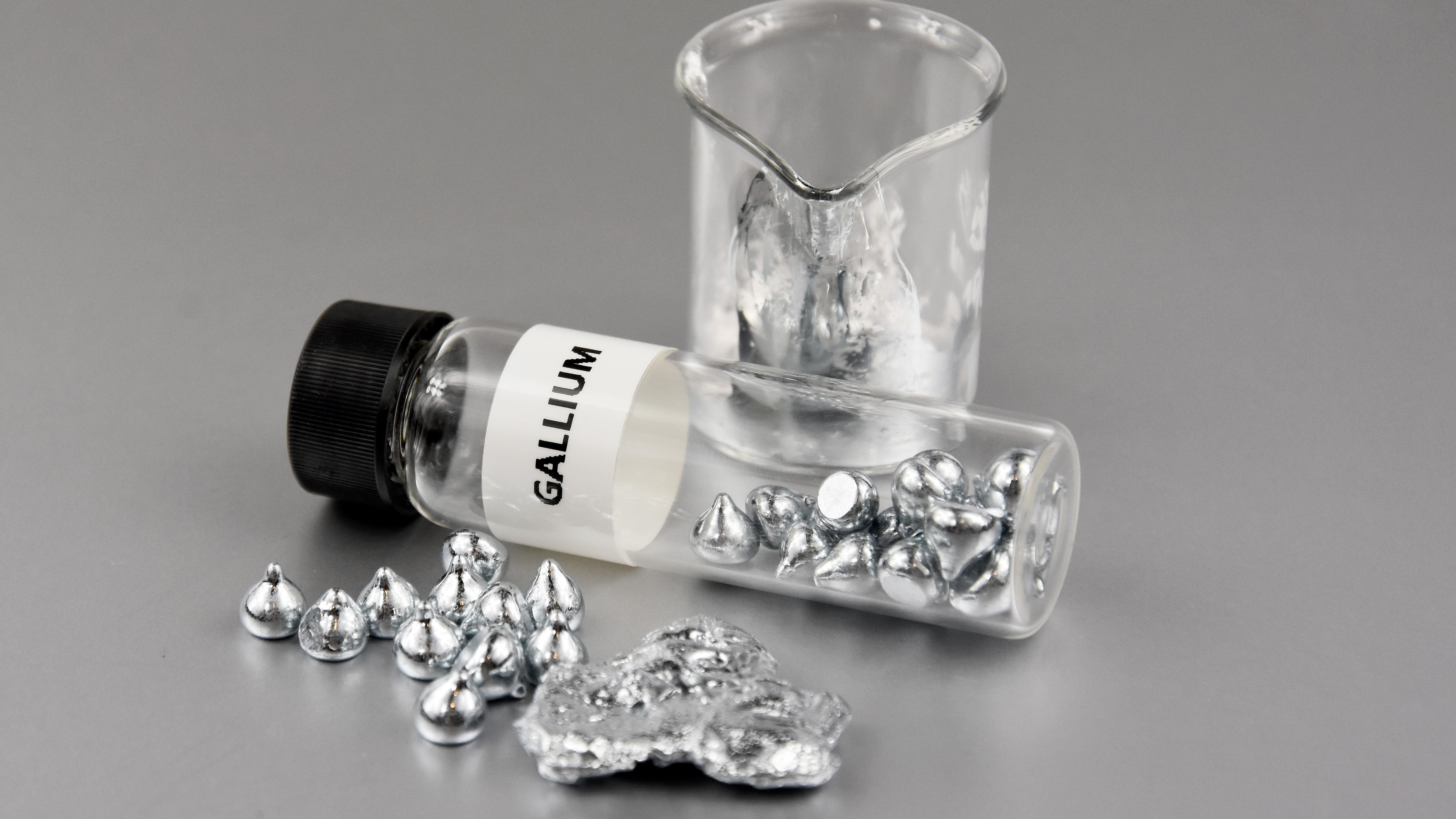
Industry sources told DigiTimes that prices for high-temperature metals — tungsten, tantalum, and molybdenum — used in compound semiconductor equipment have doubled in recent weeks, with some specialty chemical inputs rising as much as threefold. Gallium, the feedstock for gallium arsenide (GaAs) and gallium nitride (GaN) chips, has also climbed further. Market data indicate that gallium was trading at approximately $2,100 per kilogram in early March 2026, representing a 123% increase since the start of 2025, following China's ban on gallium exports to the United States in late 2024.
The Middle East conflict, meanwhile, has also hit aluminum production after QatarEnergy halted the production of aluminum, which feeds into gallium supply, and helium. Gallium is recovered almost entirely as a byproduct of aluminum refining, and major smelters, including Aluminium Bahrain and Norsk Hydro's Qatalum facility, declared force majeure after gas supplies were suspended, pushing aluminum to a four-year high of $3,418 per tonne on the London Metal Exchange. Shortages of indium phosphide substrates, used in high-frequency optical and telecom components, also persist, with DigiTimes sources saying no near-term relief is in sight.
Article continues below
Samsung and SK Hynix are understood to have been actively monitoring helium inventories since the outbreak of hostilities. Qatar produces more than a third of the global helium supply, according to the U.S. Geological Survey, and the element has no viable substitute in semiconductor fabrication, where it’s used in lithography and thermal management. Meanwhile, the effective closure of the Strait of Hormuz and the additional logistics risk is the cherry on top of all this.
DigiTimes says that manufacturers have responded by abandoning just-in-time inventory practices, building raw material stockpiles, and qualifying multiple suppliers. Companies told the publication they will absorb potential losses from price declines later, prioritizing supply security.
GaN and GaAs components appear across a wide range of consumer hardware, including power semiconductors in PC power supplies and laptop chargers, WiFi 7 radio front-ends, and RF chips in routers and networking adapters.
Get Tom's Hardware's best news and in-depth reviews, straight to your inbox.
Luke James is a freelance writer and journalist. Although his background is in legal, he has a personal interest in all things tech, especially hardware and microelectronics, and anything regulatory.
Chip material prices double as Middle East conflict compounds China's existing gallium export ban — wide range of materials for chipmaking skyrocket as supply constricts

 3 weeks ago
19
3 weeks ago
19








 English (US) ·