The Queen's Gambit
The Queen’s Gambit is all about chess, perhaps the driest, most boring, most academic game ever created, so you’d be forgiven for expecting the show itself to be dry, boring, and academic. But it’s a testament to Scott Frank’s prowess as a writer-director that he managed to make chess thrilling in this show.
Anya Taylor-Joy’s star-making performance roots the story in humanity. She’s calm and collected in the heat of a chess match, but her personal life is falling apart. The Queen’s Gambit became one of Netflix’s biggest shows during the pandemic, despite its subject matter.
Ted Lasso
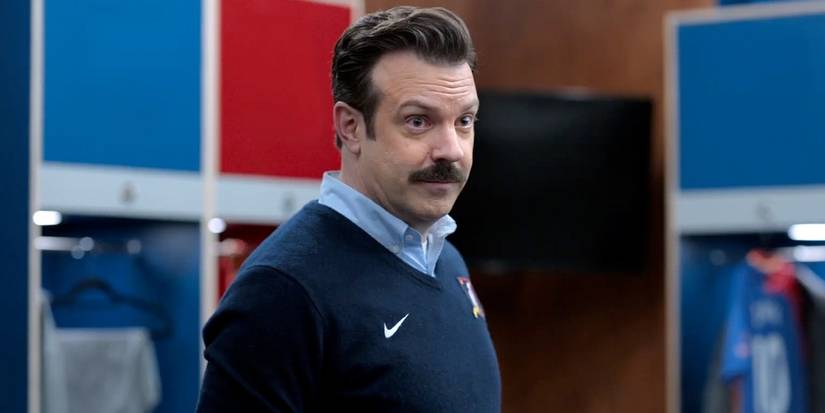
Jason Sudeikis originated the character of Ted Lasso as an advertising mascot. When NBC Sports started showing Premier League football matches on its airwaves, they used this character of a buffoonish American football coach trying to coach an English football team as a fun marketing tool.
When Sudeikis adapted the character into his own series, it seemed doomed to fail. But this fish-out-of-water comedy ended up being the feel-good show we all needed. It’s not really about football; it’s about approaching life with an optimistic outlook.
Tiger King
It’s rare that a documentary sets the world on fire, but Tiger King was another smash hit that united Netflix’s subscriber base during the COVID lockdowns. If it hadn’t been released during the pandemic, when most people had nothing to do but watch TV, it might not have caught on quite like it did.
But Tiger King’s wild, sensationalist story of big cat conservationists arrived at the exact right time to capture the zeitgeist. Everyone got swept up in the saga of Joe Exotic and Carole Baskin.
Squid Game
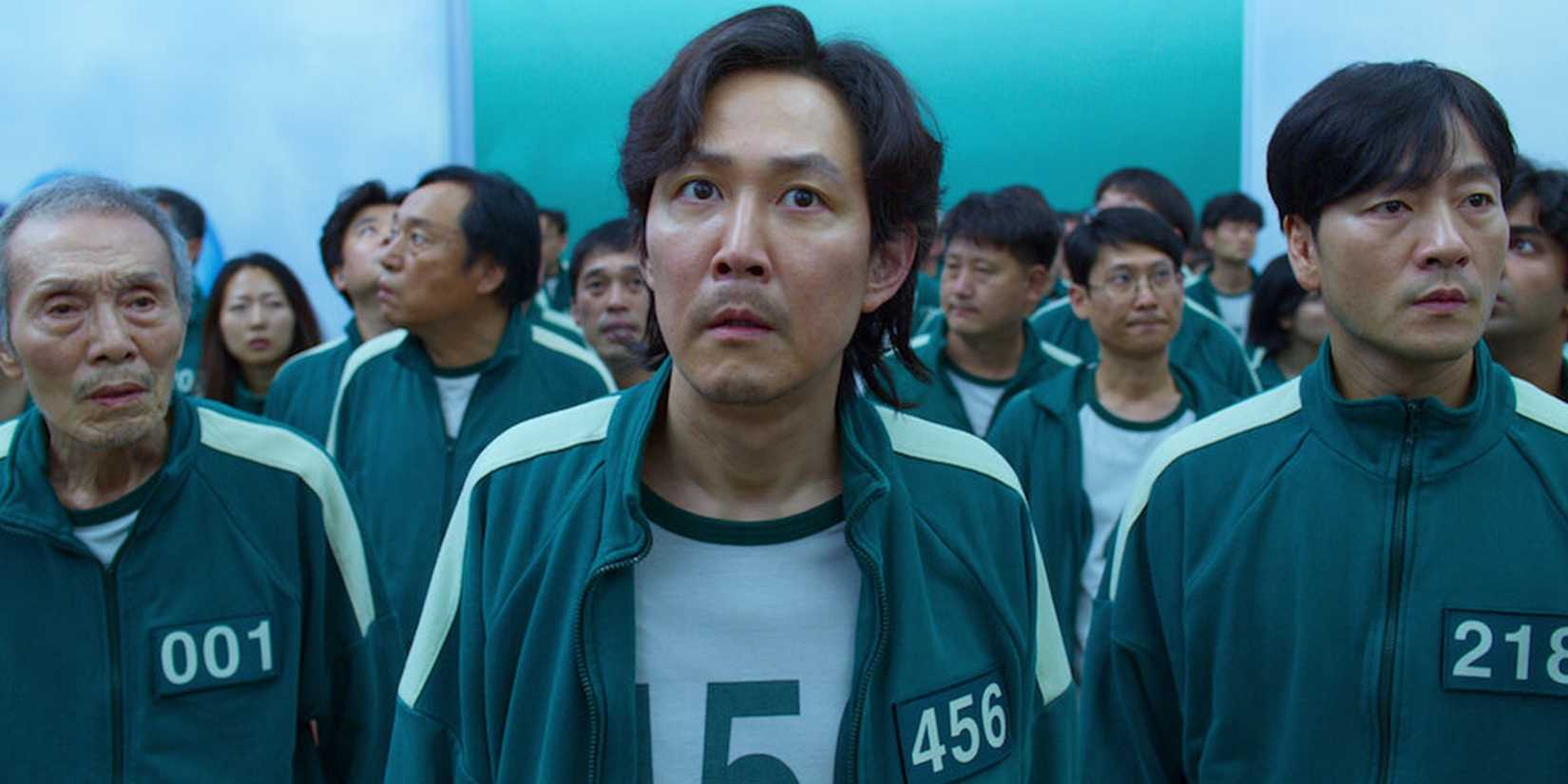
Dystopian thrillers aren’t for everyone, especially during times of real-life dystopia, but Squid Game was a global sensation. The ultraviolence seen in Squid Game usually isn’t everyone’s cup of tea, but the show’s themes really hit the nail on the head.
Squid Game’s extreme satire of economic struggle resonated with audiences who were still financially recovering from the pandemic. The series turned the desperation faced by most regular people into a riveting, darkly comedic thrill-ride.
Rick & Morty
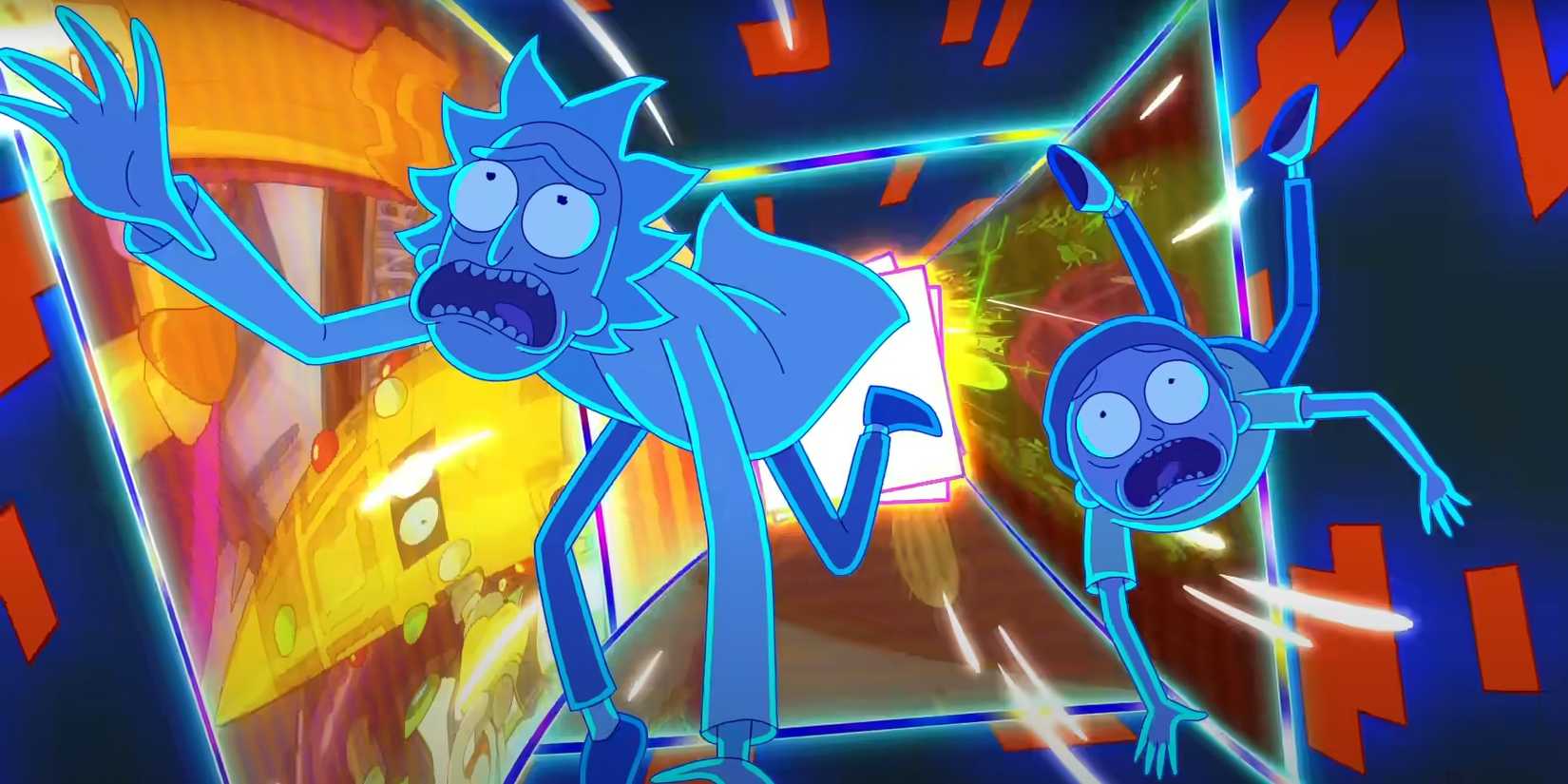
Adult Swim is one of the homes of niche content. Shows like Robot Chicken and Aqua Teen Hunger Force are a ton of fun, but they have very limited appeal. Rick and Morty seemed like the last show that would break out and become a global smash hit. It’s one of the weirdest shows on Adult Swim, and that’s saying a lot.
But this unique story of a mad scientist taking his anxious grandson on interdimensional adventures across the multiverse became as big as The Simpsons. Its blend of gonzo absurdist humor and heart-wrenching emotional storytelling really struck a chord with audiences around the world and turned Rick and Morty into an unlikely cultural phenomenon.
Heated Rivalry
Heated Rivalry combines two different niches with two very different audiences. It’s both a sports drama about hockey players and a steamy romance about forbidden love. It was a risky gamble to combine the two, because the sports and romance genres tend to appeal to opposite ends of the demographic spectrum.
But it ended up uniting those two fan bases — sports fans took a chance on a love story, and romance fans took a chance on a sports drama — and even pulled in viewers from outside those individual niches. Heated Rivalry is irresistibly romantic, beautifully acted, and utterly watchable.
Chernobyl
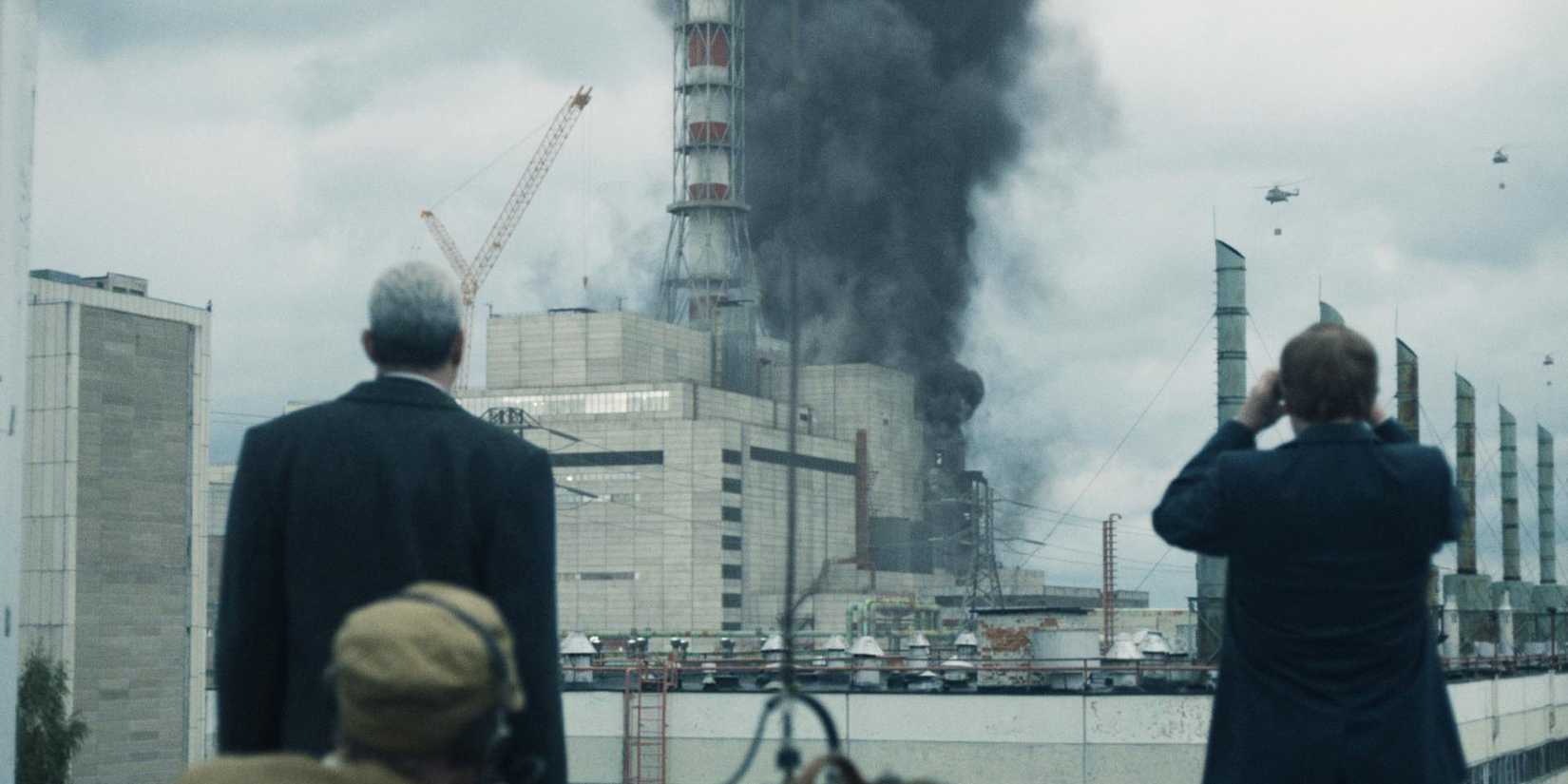
Craig Mazin’s dramatization of the Chernobyl nuclear disaster is appropriately bleak and harrowing. It’s more terrifying and disconcerting than most straightforward horror shows. Suffice to say, it’s not an easy watch, so it was a tall order to ask viewers to tune in and watch people succumb to radiation poisoning.
But it’s a testament to just how great Chernobyl is that it was universally praised by critics, watched by millions of viewers, and remains a modern TV classic. It is a tough watch, but it’s also a thrilling retelling of one of the most horrific tragedies in human history, with powerful performances, sharp writing, and meticulous attention to historical detail.
Game Of Thrones
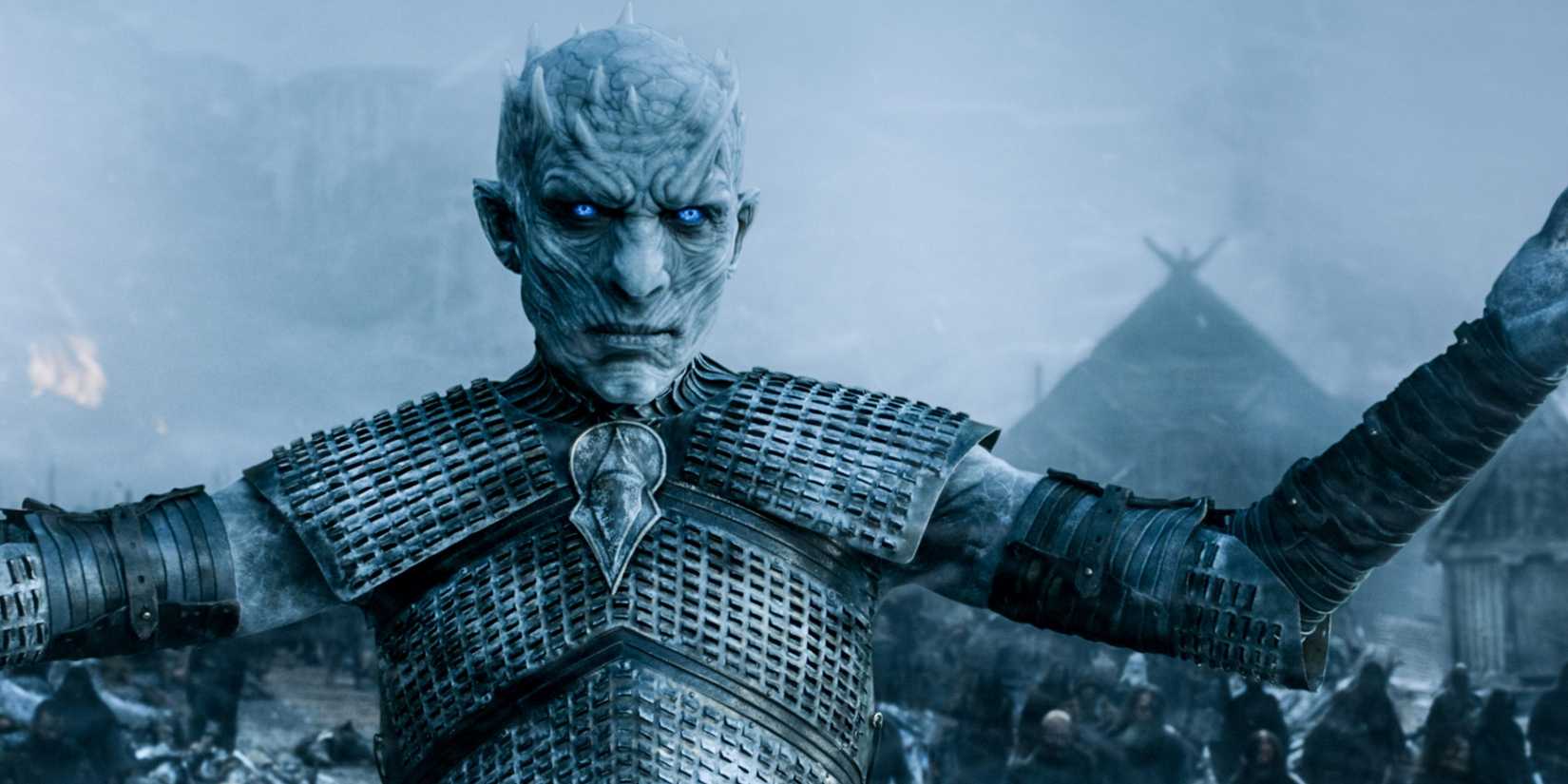
Before Game of Thrones came along, medieval fantasy was considered to be a niche genre. Outside of The Lord of the Rings trilogy, it had never really connected with mainstream audiences. That all changed when HBO turned George R.R. Martin’s A Song of Ice and Fire books into a prestige TV drama.
Game of Thrones connected with audiences outside the usual fantasy bubble because it told human stories in a fantasy setting. It had plenty of dragons and magic, but its tales of love and loss and betrayal and family dynamics were universally relatable.
Seinfeld
On paper, Seinfeld sounds the same as most other ‘90s sitcoms: an ensemble comedy about a bunch of aimless friends hanging out in New York City. But its comedic sensibility was so dark and weird that you wouldn’t think a mainstream audience would find it funny. And yet, it was one of the biggest hits of the decade, adored by millions of viewers who tuned in every single week.
This is a show where one of the main characters impersonates a white supremacist leader to get a free limo ride. It’s a show where another main character mugs an old woman so he can sneak a loaf of bread into an apartment. It’s a show that arguably shouldn’t have been as successful as it was, and its success is a testament to the unifying power of good writing.













 English (US) ·