85 Years Later, Disney's Only Perfect Animated Film Is Still Its Greatest Masterpiece
2 days ago
6
Image via Walt Disney Pictures
Published Apr 12, 2026, 8:18 AM EDT
Released in 1940, Pinocchio was Disney’s second animated feature. It tells the story of the title character, a puppet made by the kindly Geppetto and brought to life by the Blue Fairy after he wishes upon a star. Jiminy Cricket, who witnesses the magic, is assigned as Pinocchio’s conscience as he is told he must be brave, truthful, and unselfish if he is to become a real boy. However, temptation makes his path more complicated. Boasting 100% on Rotten Tomatoes, it remains one of the best-loved Disney movies, because of its technical wizardry, its moral message, and its classic music. It’s easy to see why the story remains at the heart of the studio over 85 years since its release.
'Pinocchio' Is Perfect From Start to Finish
Despite being a relatively new art form at the time, Pinocchio remains a classic example of hand-drawn animation. Every frame of the movie features painstaking detail, using the conventions of live-action cinematography to convey the emotions needed for that moment. The charmingly cluttered environment of Geppetto’s workshop and the sparkling magic of Pinocchio coming to life are just the beginning.
The production worked on every aspect to elevate the medium. Legendary animator Sandy Strother worked for a year to perfect the water effects, making the incredible sequence where Pinocchio is swallowed by a whale feel as grand as any live-action epic of the time. Shadows and scale were incorporated to make Pleasure Island a foreboding place, with the normally exciting scene of carnival rides and clowns given a sinister edge.
Stunning to watch in both smaller moments and large-scale, action-packed sequences, Pinocchio is about craftsmanship both on the screen and off. The artists became like Geppetto, putting a level of care and love into the film that resulted in it coming to life in a way few other films have managed before or since.
'Pinocchio' Proved That It's Okay for Disney Movies To Be a Little Scary
In many ways, Pinocchio is a morality play, telling young audiences to “always let your conscience be your guide,” and how being truthful is important. The idea of someone’s nose growing after telling a lie is a common idiom used by people to this day, and was popularized by the sequence in the film where it happens physically to our hero.
It’s one of a few examples of Pinocchio suffering the consequences of his bad actions, and that leads to arguably some of the scariest moments in Disney history. Most notably, the scenes on Pleasure Island, a cursed place where disobedient boys are lured to act wildly, have haunted young viewers for years. After enjoying smoking, drinking, and fighting, our hero watches in horror as his fellow children are turned into donkeys after making “jackasses” of themselves.
Related
They are harsh scenes that have gone down in history as one of the studio’s most frightening. However, they also laid the foundations for animated movies to feature something a little darker – think Mufasa’s death in The Lion King, Ursula’s ascent in the finale of The Little Mermaid, or Cruella de Vil’s plan to skin puppies in 101 Dalmatians. While Disney may have a reputation for softer interpretations of classic tales, the best movies rarely shy away from the sinister side of things, which makes the storytelling all the richer. Pinocchio wasn’t just the story of a puppet being magically turned into a real boy, but it was also the journey of him learning what it is to be human.
"When You Wish Upon a Star" Became Disney's Anthem
Image via Walt Disney Pictures
The movie is bookmarked by Jiminy Cricket singing "When You Wish Upon a Star," which can be heard over the film’s opening credits and in the final scene. The rousing, emotional song is a hymn to dreamers, telling the audience that it "makes no difference who you are," and that your fondest wishes can come true. While Disney’s previous animated classic, Snow White and The Seven Dwarfs, introduced the long-standing traditions of the Disney Princess and the fearsome Disney villain,Pinocchio gave the studio its ethos.
The very best of Disney is summed up in that film and its themes: dreaming of something bigger, believing in the fantastical, and seeing the magic in the world. It’s no wonder, then, that the song can be heard in the Disney animations that came after it. Already used as a theme for various Disney TV shows, the opening notes of the song have been used during the Disney logo title introduction since 1985, as well as being heard in Disney theme parks every day for decades. The film’s song, and its message, became the standard for the most famous studio in the world.
Incredibly, Pinocchio was not a box office success upon its initial release, partially due to World War II making it impossible to reach a worldwide audience. However, it’s a testament to the grandeur of the filmmaking, and the heartfelt storytelling, that the movie would grow in the hearts of everyone who saw it. This tale of an innocent, flawed young boy who wished for magic resonates with viewers to this day, and despite years of technical innovation, still inspires awe.
Release Date
February 23, 1940
Runtime
88 Minutes
Director
Ben Sharpsteen, Hamilton Luske, Bill Roberts, Norman Ferguson, Jack Kinney, Wilfred Jackson, T. Hee

 Image via Walt Disney Pictures

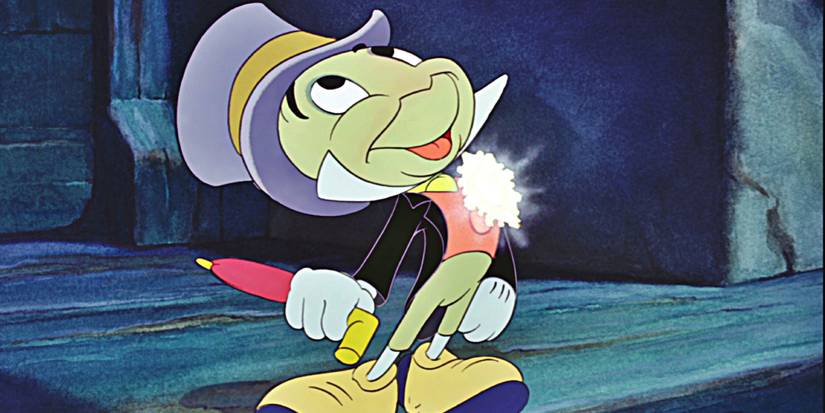 Image via Walt Disney Pictures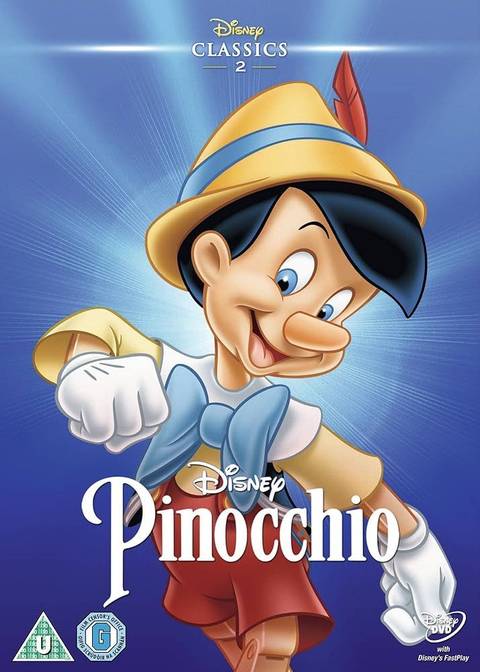


 English (US) ·