


Published Jan 27, 2026, 4:00 PM EST
Emedo Ashibeze is a tenured journalist and critic specializing in the entertainment industry. Before joining ScreenRant in 2025. he wrote for several major publications, including GameRant.
Sign in to your ScreenRant account
Anime has featured numerous franchises and series that have captured the hearts of generations worldwide. These shows cut through a diverse range of genres, from action to humour and everyday lessons, and at times blend them into an overextended yet enduring story.
Unfortunately, regardless of cultural significance, some series/franchises have stretched far beyond their prime. They’ve repeated plots, declined in quality, and lost momentum, leading to a myriad of backlash and criticism over their diluted charm.
Despite thousands of episodes spanning decades, these anime continue to rely on formulaic plots and unresolved arcs, reflecting clear creative stagnation among their creators. On that note, this article explores eight anime series that should have ended years ago, yet continue to be in production.
Detective Conan/Case Closed

The popular Detective Conan, set in modern-day Japan, in the city of Beikaa. The mystery thriller follows Shinichi Kudo, a high school detective who is poisoned by the Black Organisation, a crime syndicate, shrinking him to the size of a child.
After adopting the alias Conan Edogawa, he began solving crimes alongside his classmates, making allies of FBI agents and fellow detectives. Initially, the appeal of the series lay in its puzzles, hidden identities, and the tension between justice and deception. That tension, however, has thinned out heavily over the years.
With over 1,000 episodes in Detective Conan, the week-to-week cases feel familiar, and the addition of new characters has watered down the core cast. Despite years of storytelling, roughly only 6 months have passed in-universe, leaving fans stuck in limbo. The once tight thriller now feels stretched thin.
Pokémon

The adventure-themed anime follows Ash Ketchum’s quest to become a Pokémon Master. Travelling to several regions, he battled rivals, captured and trained Pokémon, and fought gym leaders. He defeated Team Rocket grunts and competed in various leagues, achieving the title of Alola champion. What made the series so popular was the themes of discovery, competition, and emotional bond between trainers.
After over 1,300 episodes since the 1997 premiere, the storytelling formula has grown weak. The constant region changes, the unprecedented jam battles, and the team’s failures made progress seem illusory. Critics argue that its simplistic production is a familiar narrative centred on friendship, and its commercial overreach is excessive and disturbing for kids.
Even with the introduction of new heroes like Liko and Roy, there’s a clear reluctance to conclude. Although previously celebrated, its production now feels repetitive, seeming more like a money-printing machine than a story with a natural ending.
Dragon Ball

Dragon Ball is another honourable mention, following Goku, a naive, monkey-tailed, sporty boy who becomes a legendary warrior and teams up with his friend “Bulma” to collect dragon balls that grant wishes. The mix of tournaments, epic battles, and intense action sequences, along with engaging storytelling, drew fans in and reshaped shonen anime and pop culture worldwide.
Many fans argue that the series lost its momentum years ago, criticising its extension rather than ending with the Frieza and Cell sagas, which offered perfect moments to conclude. Yet, newer branches keep appearing. Later episodes recycled power-ups, transformations, and threats, making iconic battles a routine.
Sequences like Super just introduce generic villains and dilute the show’s original focus. It is evident that the popularity cost fans the continuation. This is why it is past its prime. The newer arcs lack the impact of the earlier ones, although their influence clearly remains.
One Piece

One Piece hooked fans with its expansive world-building even beyond its cheery protagonist. Engaging storytelling, memorable characters, and themes of dreams and friendship are all reinforced by the story’s clever humour. The series’ blend of high-quality artwork, emotional depth, and carefully crafted plots makes it one of the best-selling manga of all time.
One Piece’s ambition, however, became its burden. With over 1,100 episodes, the series became extremely lengthy and left many loose ends after the time skip. Slow-paced reveals, like the Void century, dissolved the tension that the series once had. The carefully crafted story is now losing momentum under the weight of extension.
With growing concerns over Eiichiro Oda’s health, repeated delays, and commercial pressure, the show has become out of reach. The legacy of One Piece would have been more substantial if it had concluded on its journey years ago.
Doraemon

Doraemon’s success was largely down to its simplicity. The plot centres on Nobita Nobi, a lazy schoolboy aided by a future robot cat with gadgets from the fourth dimension, who constantly fails at everyday tasks. The setting is suburban Tokyo, Japan, which becomes a playground of imagination.
The mix of humour and moral lessons about kindness and obligations made the series a significant cultural icon across Asia. However, like the others, the charm was weakened by its longevity. Thousands of episodes were recycled with the same setup. All surrounding bitter struggles, the gadget backfiring, and lessons learned. It made the series feel stuck creatively.
Over time, countries like India, Pakistan, and China banned it because there was a promotion of laziness, bullying, and cultural invasion. After its creator’s death, the series drifted without closure, relying on fan fiction and urban myths. The once-timeless series has now become outdated, suggesting the show is better ended as a legacy.
Crayon Shin-Chan

Crayon Shin-Chan gained popularity for its hilarious, crude humour that reflects clever writing and childhood mischief. The protagonist, Shin, has an unfiltered mouth, absurd behaviour, and his honest family life turned everyday Kasukabe into satire. The series had a way of appealing to kids and adults, making it a beloved household name in Japan.
Ongoing since 1992, with over 1,200 episodes, the repetitive jokes, toned-down gags, and safer storytelling have dulled the viewers’ taste. After the Death of Yoshito Usui, the creator, many fans argued that the story lost its flow, living on nostalgia rather than its creative work.
There were also controversies about the series. The ban and restriction of the show in Portugal and India over nudity and borderline pornography made parents cite it as a bad influence, underlining how it has overstayed its welcome. The series is still iconic, but fans say it should be left as a classic rather than an extended sitcom.
Sazae-san

Sazae-san maintained its reputation as Japan’s ultimate comfort anime, showing everyday life through gentle humour and soft domestic conflicts, with an appeal that feels familiar. The nostalgic representation of post-war society and consistent ratings made it a beloved national treasure.
However, some fans felt like the series was frozen in time due to its consistency. Known as the longest-running anime, with episodes starting in 1969, the creators deliberately avoided modern realities, such as smartphones or shifting social norms. The show has clearly lost its timelessness and now feels like a classic that refuses to embrace contemporary life.
By refusing to evolve, Sazae-san has turned into an idealised period piece that’s out of touch with reality. The show’s consistency preserves tradition at the expense of relevance, leading some to view it as a representation of the past rather than one that evolves with the present.
Boruto: Naruto Next Generations
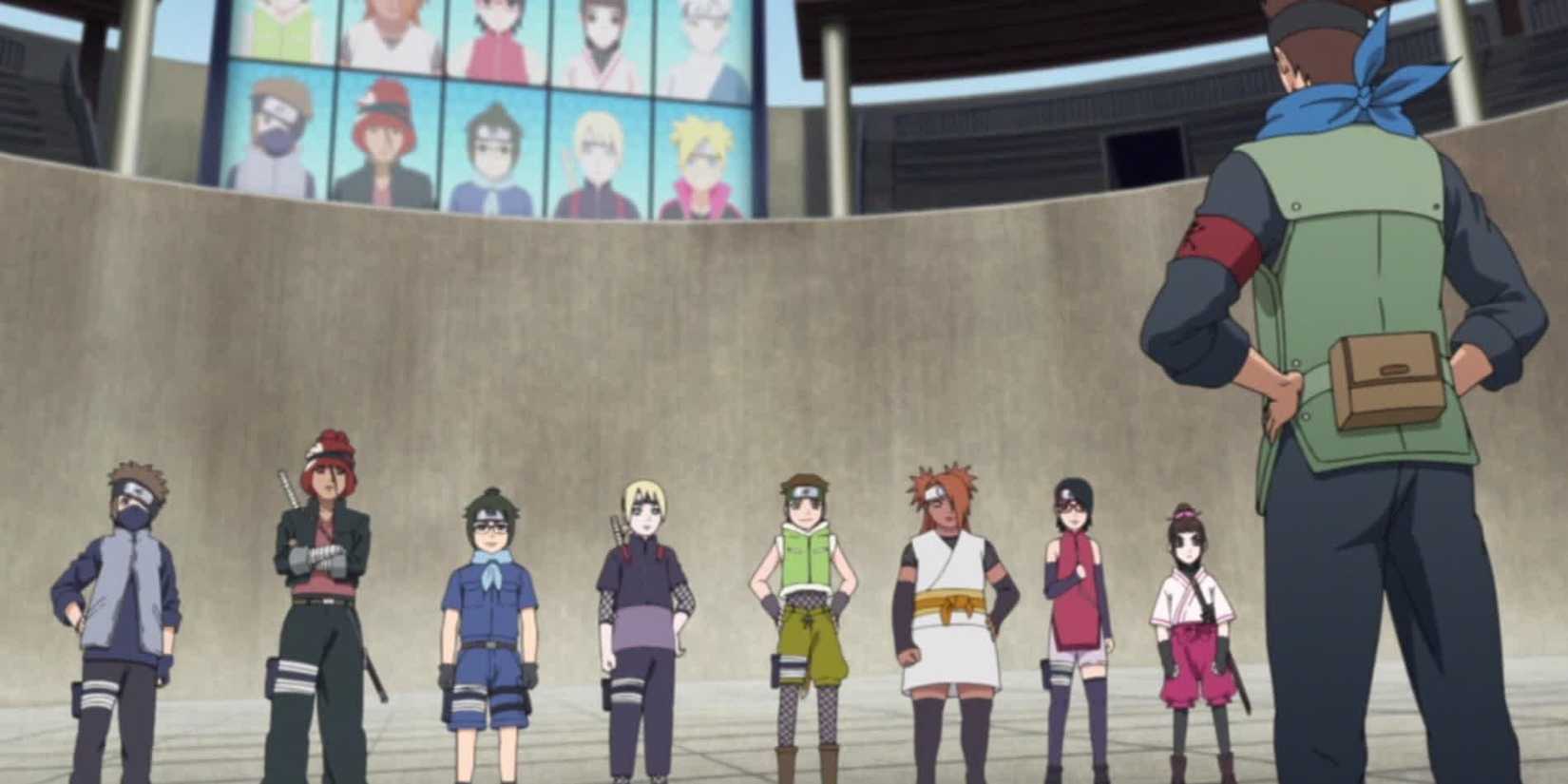
Boruto attracted fans through its ties to the beloved Naruto universe: new characters, high-stakes action, and theories about the future. The series is set in Konohagakure and follows Boruto Uzumaki, Naruto’s son, as he struggles with the weight of expectations of being his father’s son, alongside the darker, sci-fi threats influencing the ninja world.
Excessive fillers, recycled arcs, and a reliance on older characters from the Naruto era quickly dilute the series’ excitement. It seemed like the story existed only to be extended, nothing more. The 2023 hiatus was another problem, as fans grew frustrated with the show.
The unresolved threats, slow-paced time, and cliffhangers felt like the show was running in circles and was stagnant. Boruto further proves that some stories are better left as they are, complete without a successor to dilute their original legacy.

Release Date 2017 - 2023-00-00
Network TV Tokyo
Directors Yusuke Onoda, Tazumi Mukaiyama, Michita Shiraishi, Youichirou Aoki, Shigetaka Ikeda, Taiki Nishimura, Rokou Ogiwara, Mitsuo Hashimoto, Hikaru Sato, Akira Shimizu, Norihiko Nagahama, Takashi Asami, Hodaka Kuramoto, Kiyomu Fukuda, Yoji Sato, Masatoyo Takada, Hazuki Mizumoto, Natsumi Yasue, Hideaki Ōba, Masaaki Kumagai, Mihiro Yamaguchi, Shigenori Kageyama, Nanako Shimazaki
Writers Masaya Honda, Atsushi Nishiyama, Hideto Tanaka, Touko Machida, Kyōko Katsuya, Kiyomune Miwa, Ukyo Kodachi, Masahiro Okubo
-

Yuko Sanpei
Uzumaki Boruto (voice)
-
Cocoro Kikuchi
Uchiha Sarada (voice)





 English (US) ·