
 IMAGE VIA 20TH CENTURY FOX
Published Jul 5, 2026, 2:49 PM EDT
Remus is a writer, editor, journalist, and author with an eye for detail and an extremely active imagination. He is an enthusiast of everything to do with the graphic medium, whether it's Western comics and their adaptations or manga and anime. Remus is also the author of the sci-fantasy novel Once Upon a Time in Hyperspace and several works of short fiction in the mystery, comedy, and horror genres.
Sign in to your Collider account
The 1980s were a landmark decade in science fiction cinema, bringing about a fundamental shift in how fans perceive hard science fiction. While space operas and blockbuster hits made waves, there were also several grounded and conceptually rigorous films that later grew to be hailed as some of the greatest sci-fi movies of all time. Driven by new special effects technologies, a fresh generation of directors, and a simmering socio-political landscape, sci-fi films of the decade saw a major shift from the philosophical, hopeful themes of the '70s to grittier, grimier, and often dystopian subjects.
With newer visions and better technologies, the '80s pushed the boundaries of sci-fi, with themes of far-future tech, dystopian societal collapse, and the inevitable doom of humanity. From launching the cyberpunk culture across media to producing some of the most scientifically grounded stories in cinema and literature in the genre’s history, the decade truly was a transformative era for sci-fi cinema. With that in mind, here’s our ranked selection of the best hard sci-fi movies of the ‘80s.
8 ‘Altered States’ (1980)
 Image via Warner Bros.
An experimental surrealist sci-fi horror film directed by Ken Russell, Altered States is an adaptation of the = 1978 novel by Paddy Chayefsky, following Eddie Jessup, a psychopathologist who conducts research on the altered states of human consciousness. His experiments combine sensory deprivation using floatation tanks and the effects of psychoactive drugs, triggering dangerous reactions and making him lose his grip on reality. William Hurt made his film debut in the movie as Eddie, with Blair Brown, Bob Balaban, Charles Haid, Thaao Penghlis, and more in supporting roles.
At the time of its release, Altered States was positively reviewed by critics and fans alike and earned Academy Award nominations for Best Original Score and Best Sound. The movie strikes a tricky balance between real-world science and mind-bending visuals. Psychedelic and often bizarre, it looks at subjects like neurology, evolution, and anthropology through an extreme, inventive lens that was considered extraordinarily aggressive and daring in its day. The film has since evolved into a cult classic and an influential work of sci-fi, though it’s still relatively less known than some of the other movies on this list.
 Image via MGM/UA Entertainment Company
Written, directed, produced, and shot by Peter Hyams, 2010: The Year We Make Contact, or simply 2010, is a direct sequel to Stanley Kubrick’s 2001: A Space Odyssey. Adapted from Arthur C. Clarke’s 1982 novel, 2010: Odyssey Two, the film follows a team of American and Soviet astronauts on a mission to Jupiter to investigate what caused the failure of the Discovery One mission and the death of its crew. The movie stars Roy Scheider, Helen Mirren, Bob Balaban, and John Lithgow in the main roles, with Keir Dullea and Douglas Rain reprising their roles from the previous film.
2010 did not quite live up to its predecessor’s success, receiving mixed reviews from critics. But while the film may lack the charm and enigma of Kubrick’s masterpiece, it makes up for it with striking special effects and a more realistic, thorough explanation of its underlying scientific theories and concepts. More straightforward than 2001: A Space Odyssey, 2010: The Year We Contact is a serious, intelligent space drama that thrives on its excellent performances and tense drama.
6 ‘The Terminator’ (1984)
 Image via Orion Pictures
A film that defined sci-fi cinema of the '80s and launched James Cameron’s career, The Terminator is the first in the titular film series, which has since evolved into a global multimedia franchise. The movie centers on a cyborg assassin from the future, sent back in time by a hostile artificial intelligence to find and kill a woman named Sarah Connor, whose future baby is destined to rise against the machines to save humans. The film features an iconic cast starring Arnold Schwarzenegger, Linda Hamilton, Michael Biehn, and Earl Boen.
The Terminator is a quintessential 1980s sci-fi film that thrills with its heady concoction of time travel, consequences of advanced artificial intelligence, explosive action, and leather-clad cyborgs. Schwarzenegger’s relentless killing machine became the archetypal killer robot, establishing the template for future sci-fi films with similar themes. A globally popular sci-fi action thriller, The Terminator has since reshaped how fans explore the genre, with its expansive presence across sequel movies, TV shows, books, and video games.
Collider Exclusive · Sci-Fi Survival Quiz Which Sci-Fi World Would You Survive? The Matrix · Mad Max · Blade Runner · Dune · Star Wars
Five universes. Five completely different ways the future went wrong — or sideways, or up in flames. Only one of them is the world your instincts were built for. Eight questions will figure out which dystopia, galaxy, or desert wasteland you'd actually make it out of alive.
💊The Matrix
🔥Mad Max
🌧️Blade Runner
🏜️Dune
🚀Star Wars
TEST YOUR SURVIVAL →
01
You sense something is deeply wrong with the world around you. What do you do? The first instinct is often the truest one.
APull on every thread until I understand the system — then figure out how to break it. BStop asking questions and start stockpiling — food, fuel, weapons. Questions don't keep you alive. CKeep my head down, observe carefully, and trust no one until I know who's pulling the strings. DStudy the patterns. Every system has a rhythm — learn it, and you learn how to survive it. EFind the people fighting back and join them. You can't fix a broken galaxy alone.
NEXT QUESTION →
02
In a world of scarcity, what resource do you guard most fiercely? What we protect reveals what we believe survival actually requires.
AKnowledge. If you understand the system, you don't need resources — you can generate them. BFuel. Everything else — movement, power, escape — runs on it. CTrust. In a world of fakes and informants, a truly reliable ally is rarer than any commodity. DWater. And after water, information — the two things empires are truly built on. EShips and credits. The galaxy is big — you survive it by being able to move through it freely.
NEXT QUESTION →
03
What kind of threat keeps you up at night? Fear is useful data — if you're honest about what you're actually afraid of.
AThat reality itself is a lie — that everything I experience has been constructed to keep me compliant. BA raid. No warning, no mercy — just the roar of engines and then nothing left. CBeing identified. Once someone with power decides you're a problem, you're already out of time. DBeing outmanoeuvred — losing a political game I didn't even know I was playing. EThe Empire tightening its grip until there's nowhere left to run.
NEXT QUESTION →
04
How do you deal with authority you don't trust? Every dystopia has a power structure. Your approach to it determines everything.
ASubvert it from the inside — learn its rules well enough to weaponise them against it. BIgnore it and stay out of its reach. The further from any power structure, the better. CAppear to comply while doing exactly what I need to do. Visibility is the enemy. DManoeuvre within it carefully. You can't beat a system you refuse to understand. EResist openly when I have to. Some things are worth the risk of being seen.
NEXT QUESTION →
05
Which environment could you actually endure long-term? Survival isn't just tactical — it's physical, psychological, and very much about where you are.
AUnderground bunkers and server rooms — cramped, artificial, but with access to everything that matters. BOpen wasteland — brutal sun, no shelter, constant movement. At least the threat is honest. CA dense, rain-soaked city where you can disappear into the crowd and nobody asks questions. DMerciless desert — extreme heat, no water, and something enormous living beneath the sand. EThe fringe — backwater planets and busy spaceports where the Empire's attention rarely reaches.
NEXT QUESTION →
06
Who do you want in your corner when things fall apart? The company you keep is the clearest signal of who you actually are.
AA tight crew of believers who've seen behind the curtain and have nothing left to lose. BOne or two people I'd trust with my life. Any more than that and someone talks. CNobody, ideally. Alliances are liabilities. I work alone unless I have no choice. DA community bound by shared hardship and mutual survival — people who need each other to last. EA ragtag team with wildly different skills and total commitment when it counts.
NEXT QUESTION →
07
Where do you draw the line — if you draw one at all? Every survivor eventually faces a moment that tests what they're actually made of.
AI won't harm the innocent — even the ones who'd report me without hesitation. BI do what I have to to protect the people I've chosen. Everything else is negotiable. CThe line shifts depending on who's asking and what's at stake. DI draw a long-term line — nothing that compromises my people's future, even if it'd help now. ESome lines, once crossed, can't be uncrossed. I know which ones they are.
NEXT QUESTION →
08
What would actually make survival worth it? Staying alive is one thing. Having a reason to is another.
AWaking others up — dismantling the illusion so no one else has to live inside it. BFinding somewhere — or someone — worth protecting. A reason to keep moving. CAnswers. Understanding what I am, what any of this means, before time runs out. DLegacy — shaping the future in a way that outlasts me by generations. EFreedom — for myself, for others, for every world still living under someone else's boot.
REVEAL MY WORLD →
Your Fate Has Been Calculated You'd Survive In…
Your answers point to the world your instincts were built for. This is the universe your temperament, your survival instincts, and your particular brand of stubbornness were made for.
The Matrix
You took the red pill a long time ago — probably before anyone offered it to you. You're a systems thinker who can't help but notice the seams in things.
- You're drawn to understanding how the system works before figuring out how to break it.
- You'd find the Resistance, or it would find you — your instinct for spotting constructed realities is the machines' worst nightmare.
- You function best when you have access to information and the freedom to act on it.
- The Matrix built an airtight prison. You'd be the one probing the walls for the door.
Mad Max
The wasteland doesn't reward the clever or the well-connected — it rewards those who are hard to kill and harder to break. That's you.
- You don't need comfort, community, or a cause larger than the next horizon.
- You need a vehicle, a clear threat, and enough fuel to outrun it — and you're good at all three.
- You are unsentimental enough to survive that world, and decent enough — just barely — to be something more than another raider.
- In the wasteland, that distinction is everything.
Blade Runner
You'd survive here because you know how to exist in moral grey areas without losing yourself completely.
- You read people accurately, keep your circle small, and ask the questions others prefer not to answer.
- In a city where humanity is a legal designation rather than a feeling, you hold onto something that keeps you functional.
- You're not a hero. But you're not lost, either.
- In Blade Runner's world, that distinction is everything.
Dune
Arrakis is the most hostile environment in the known universe — and you are precisely the kind of person it rewards.
- Patience, discipline, and political awareness are your core strengths — and on Arrakis, they're survival tools.
- You understand that the long game matters more than any single victory.
- Others come to Dune and are consumed by it. You'd learn its logic and earn its respect.
- In time, you wouldn't just survive Arrakis — you'd begin to reshape it.
Star Wars
The galaxy far, far away is vast, loud, and in a constant state of violent political upheaval — and you wouldn't have it any other way.
- You find meaning in being part of something larger than yourself — a cause, a crew, a rebellion.
- You'd gravitate toward the Rebellion, or the fringes, or whatever pocket of the galaxy still believes the Empire's grip can be broken.
- You fight — not because you have to, but because standing aside isn't something you're capable of.
- In Star Wars, that willingness is what makes all the difference.
↻ RETAKE THE QUIZ
5 ‘The Fly’ (1986)
 Image via 20th Century
A sci-fi body horror film directed by David Cronenberg, The Fly is a loose adaptation of George Langelaan's 1957 short story and the 1958 movie of the same name. The film follows Seth Brundle, an eccentric scientist who invents a teleportation device. But while testing the machine on himself, Seth’s DNA gets merged with that of a common housefly stuck in the pod, causing a horrifying physical and mental transformation. Jeff Goldblum stars as Seth, with Geena Davis, John Getz, Joy Boushel, and Leslie Carlson in notable roles.
The Fly combines the theoretical mechanics of teleportation and Cronenberg’s trademark shock and gore into a visceral tale of horror. Underneath its cautionary message about the dangers of unchecked scientific experiments, the film is quite disturbing and tragic, pushing the audience to identify with the monster as a victim and not a villain. The Fly was a major critical and commercial success in its day, winning an Academy Award for Best Makeup and earning praise for Goldblum’s affecting performance.
4 ‘The Thing’ (1982)
 Image via Universal Pictures
Based on John W. Campbell Jr.’s 1938 novella, Who Goes There?, The Thing is a sci-fi horror film directed by John Carpenter that follows a group of American researchers in Antarctica who encounter an extraterrestrial entity. The shapeshifting lifeform that can imitate and become other organisms soon causes paranoia among the group, causing conflict, distrust, and fear that any one of them could be the dangerous alien. Kurt Russell leads the cast, with A. Wilford Brimley, T. K. Carter, David Clennon, Keith David, and Richard Dysart in supporting roles.
At the time of its release, The Thing was panned by critics and negatively reviewed for its “repulsive” visuals and excessive gore. But in the years since, the film has been positively reevaluated and is now considered a cult classic, wielding a significant influence on the genre and pop culture in the decades that followed. Despite the lack of explicit scientific theories or speculation, the movie is a masterpiece of sci-fi and cosmic horror that is recognized for its technical brilliance and often hailed as one of John Carpenter’s best films.
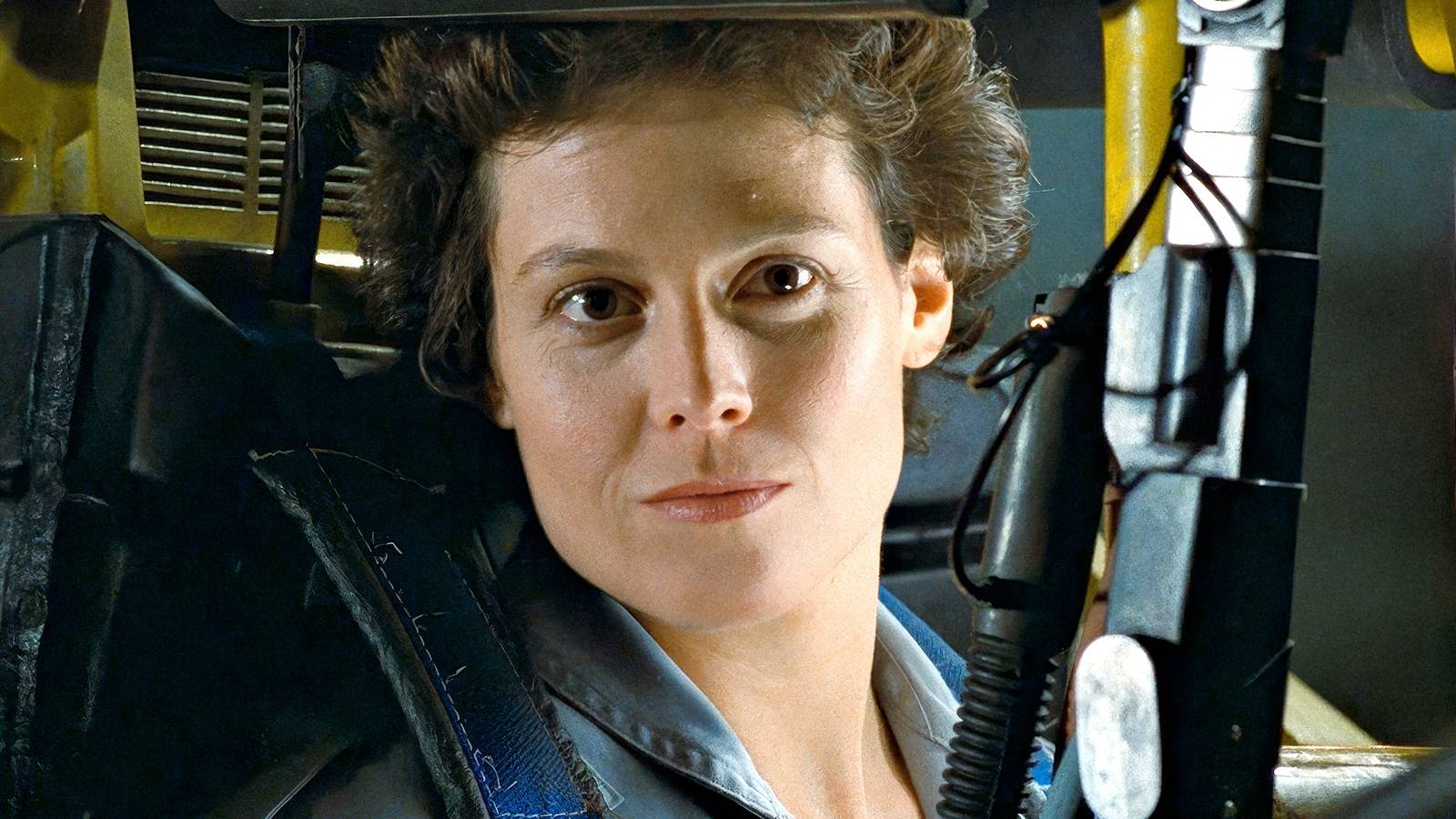
3 ‘Aliens’ (1986)
 Image via 20th Century Studios
A sequel to 1979’s Alien, Aliens was written and directed by James Cameron and returns to the story of Lieutenant Ellen Ripley, the only person who survived the previous alien attack. Years later, Ellen returns to the same site, now a terraforming human colony, to investigate a loss of contact with the colonists. Sigourney Weaver reprises her fan-favorite role as Ellen Ripley, with Michael Biehn, Paul Reiser, Lance Henriksen, and Carrie Henn in notable roles.
Where Ridley Scott’s Alien was a creeping cosmic horror, James Cameron’s follow-up is a high-octane survival action thriller that surpassed the popularity of its predecessor. The film successfully expands on the productive combination of extraterrestrial life, existential horror, and military action that was established by the 1979 movie. A worthy successor to Ridley Scott’s Alien, Aliens is often hailed as one of the best sequel films ever made and easily ranks among the most influential sci-fi action thrillers of all time.
2 ‘Akira’ (1988)
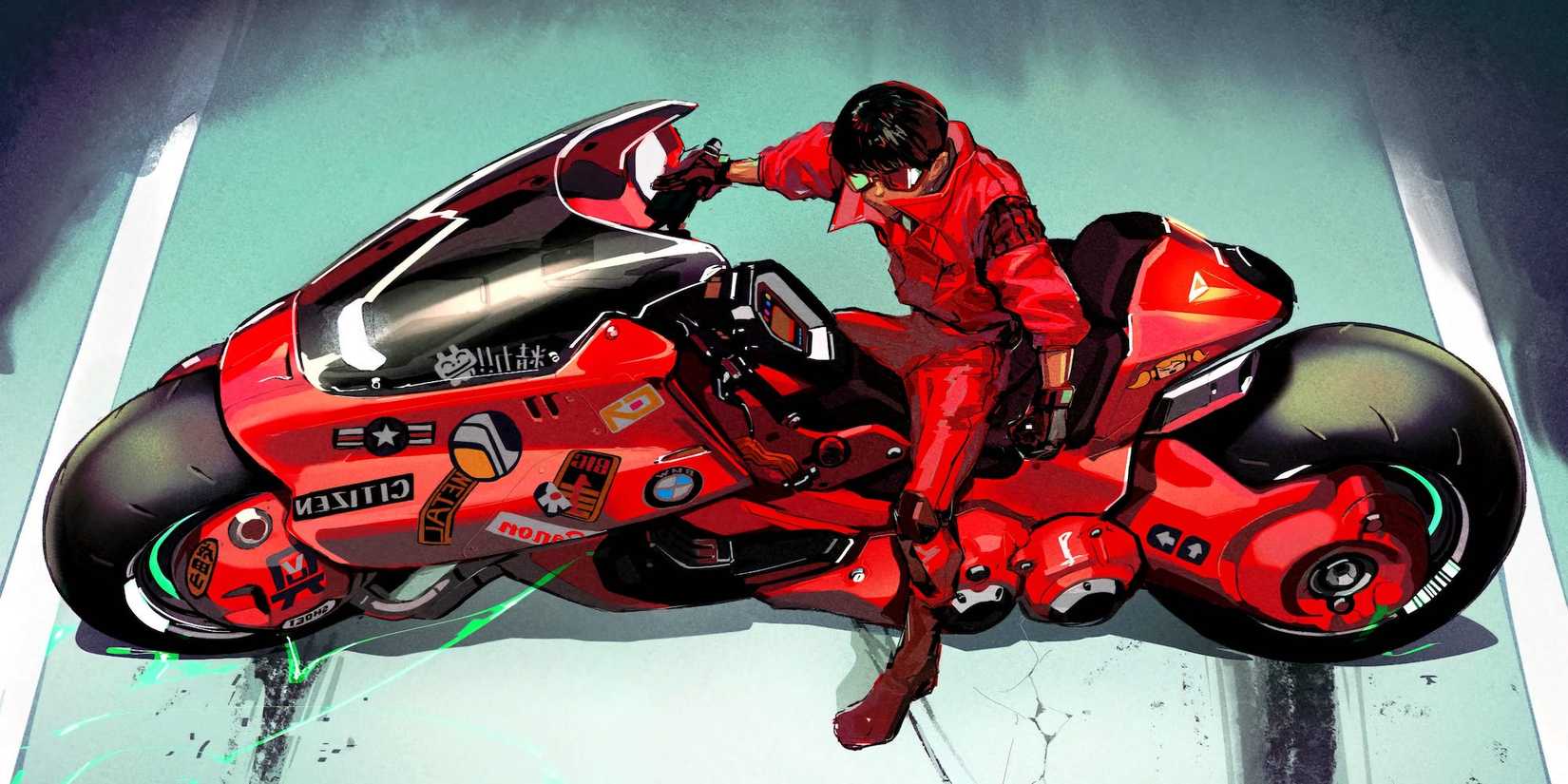 Image via Toho
A classic Japanese animated cyberpunk action movie, Akira was directed by Katsuhiro Otomo and adapted from Otomo’s 1982 manga of the same name. Set in 2019 in the city of Neo-Tokyo, the movie follows Shōtarō Kaneda, the brash, carefree leader of a biker gang whose childhood friend, Tetsuo, develops telekinetic abilities after colliding with a psychic child, and becomes the target of a secret military project. The main characters are voiced by Mitsuo Iwata, Nozomu Sasaki, Mami Koyama, Taro Ishida, Tesshō Genda, and Mizuho Suzuki.
Akira is a monumental sci-fi anime that defined the cyberpunk aesthetic and revolutionized the genre with its unprecedented style and techniques. It is widely recognized as a landmark film with a global influence that introduced adult-oriented anime to Western audiences. With its sprawling visuals of neon-soaked dystopia, striking violence, and relentless speed and energy, the movie pioneered the development of Japanese cyberpunk anime and adult animation, inspiring numerous future works in animation, comics, music, film, and video games.
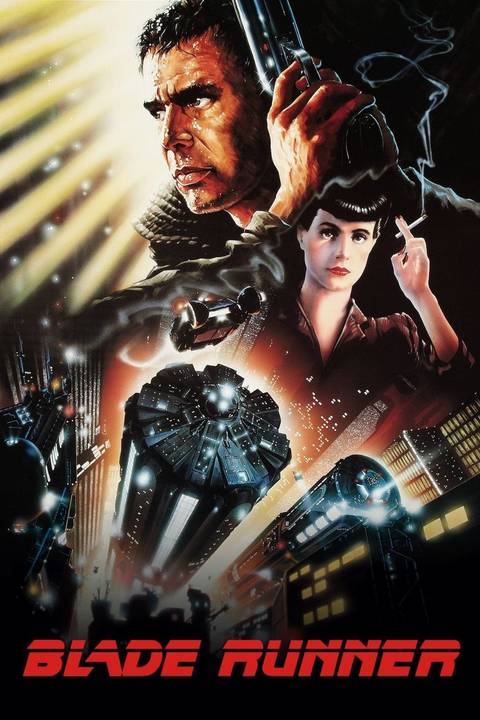
1 ‘Blade Runner’ (1982)
 Image via Warner Bros. Pictures
Ridley Scott’s cinematic adaptation of Philip K. Dick's novel Do Androids Dream of Electric Sheep?, Blade Runner is a foundational film of modern cyberpunk set in a dystopian future, where the powerful Tyrell Corporation creates bio-engineered androids called “replicants” to work on space colonies. When a group of advanced replicants goes rogue and escapes, former police officer Rick Deckard is hired to track them, but he soon finds himself questioning the morality of the mission and his own actions. Harrison Ford leads the cast as Rick Deckard, with Rutger Hauer, Sean Young, Edward James Olmos, Darryl Hannah, and more in supporting roles.
Blade Runner is an '80s cult classic and a masterpiece of hard sci-fi and cyberpunk that has since defined its genre and spawned a massive multimedia franchise, thrilling fans for over four decades. A true cinematic landmark, the film’s themes of advanced artificial intelligence, genetic engineering, and profound corporate power have since become subjects of cultural analysis. With its revolutionary special effects, atmospheric world-building, and neo-noir aesthetic, Blade Runner has remained a timeless sci-fi film with a profound influence on the cyberpunk genre, with a clear impact on later films like The Matrix.
Release Date June 25, 1982
Runtime 118 minutes
Writers David Webb Peoples, Hampton Fancher, Philip K. Dick
Producers Michael Deeley, Run Run Shaw





 English (US) ·