


Published Jul 5, 2026, 6:00 PM EDT
Ben Brosofsky has been writing for Screen Rant since 2022 and editing since 2024. He graduated from Vanderbilt University with a Bachelor's in Cinema & Media Arts. Writing serves as a much-needed distraction from tackling a backlog of Steam games that will never be surmounted.
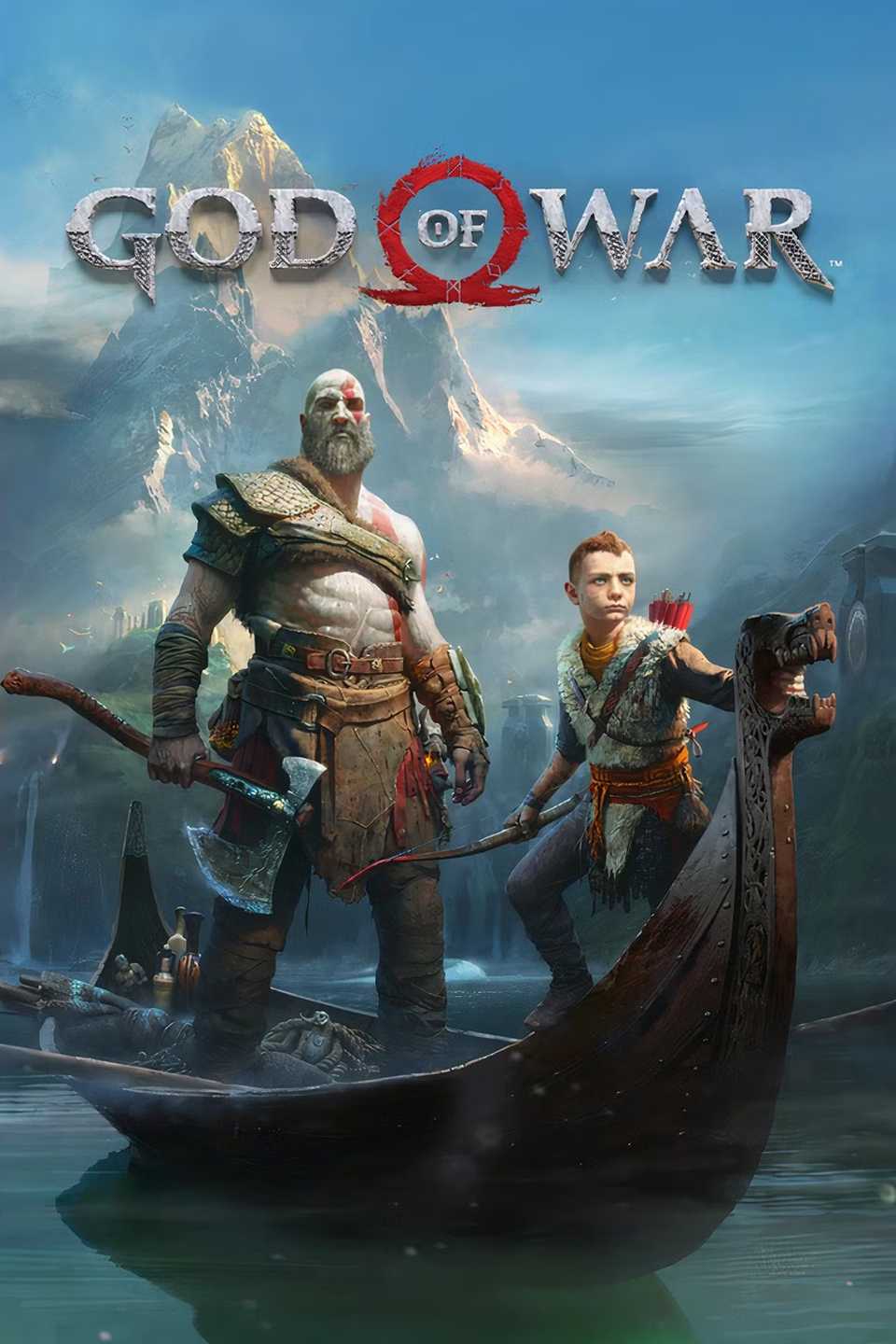
God of War 2018 is a beloved game, and on some level, I understand why. It's a grand, polished romp through Norse mythology, and the relationship between Kratos and Atreus provides a beating heart at its center. I'm glad people have derived a lot of joy from it over the years. I wish I felt the same way.
I didn't play the God of War reboot until earlier this year, and I might have had more tolerance for it if I had first given it a spin back in 2018. It's certainly an impressive achievement for the time, pushing the PS4 to its limits while advancing the seamless design philosophy that's come to define modern Sony games. It's also the blueprint for a lot of the industry's direction since then, and that direction is not for me.
God Of War 2018 Takes It Slow
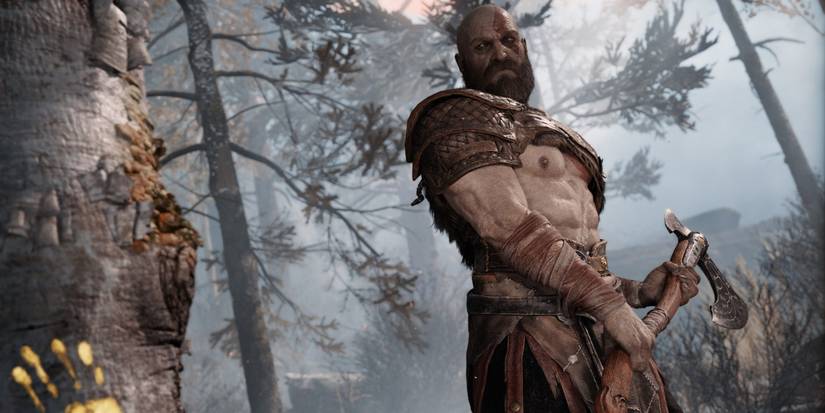
God of War 2018 starts small. Kratos chops down a tree, then carries it home, talking stiffly to his son as he does so. The pace is slow, but as the game unveils the reason behind the scene — the death of Kratos' wife and Atreus' mother — its meditative nature starts to make sense.
When a man known only as the Stranger arrives, however, things kick into gear with an over-the-top set piece in traditional, glorious God of War fashion. And then the fight ends, and the game spins back down. And stays there.
God of War 2018 has deliberate pacing, and that doesn't need to be a bad thing. Looking to Sony's foundational "cinematic" games, The Last of Us moves much more slowly than Uncharted, but it spends its time developing a story that digs deeper and hits harder. God of War attempts a similar feat, filling much of its journey with walking and conversation that slowly builds the relationship between Kratos and Atreus.
My problem isn't that it's slow, but that it's pedestrian. God of War rarely asks much of the player, filling its levels with repetitive enemies, vague gestures at platforming, and menial tasks that only resemble puzzles if you squint. The combat animations are stylish, but after the hundredth draugr, the game wears out its limited repertoire of action possibilities.
While hacking away at enemies is the core of the genre, the tempo of older God of War titles made it more interesting. Button-mashing through mobs flies by when a massive set piece is always just around the corner, driven by a sense of unstoppable escalation. In bulking up the runtime and letting strains of Dark Souls filter into the combat, the reboot makes mindless encounters do too much heavy lifting. A dash of RPG progression doesn't help matters, with incremental weapon and armor upgrades feeling like an extraneous distraction.
A Good Story, Not A Great One

If that was all in service of a truly exceptional story, I might be able to forgive it. At times, God of War almost gets there. Christopher Judge delivers an incredible performance as Kratos, the narrative builds some effective emotional scenes, and every appearance from the Stranger is memorable. It's a good tale, told well, despite a few hiccups here and there.
I struggle, however, to see it as anything more than that. While The Last of Us asks genuinely hard questions about fatherhood, God of War plays out familiar beats. About two-thirds of the way through playing, I went to see 28 Years Later: The Bone Temple, and I was struck by how much more fascinating I found its exploration of themes like fatherhood and deification.
It's also not presented in a particularly interesting way. God of War's one-take concept is a big part of why its pace is methodical, forcing the game to play out actions and transitional scenes that most games would skip. It also, unfortunately, seems to stand in the way of creative shot direction. Filmic work like Roger Deakins' cinematography for 1917 and the long-take scenes in Bi Gan movies have proven the potential for creative one-take affairs, but God of War is bereft of their more electrifying impulses.
God Of War Reshaped The Industry

If this was all a one-time affair, I could comfortably shut up and let everyone have their fun. Again, I'm glad that so many people enjoy it. Playing it in 2026, though, crystallizes how big of a part it played in some of my least favorite trends in the gaming industry.
The design philosophy of God of War treats friction as the enemy, drawing the player through an even, uninterrupted experience with minimal potential for alienation. It didn't invent this approach, but it took it further than ever before, and many other games have followed suit.
At a certain point, when playing a modern AAA game, I often have to ask myself what the point is. Why am I, as an adult with a life to live, going through the motions of a puzzle that takes one second to figure out and two minutes to execute? Why am I equipping an item with a 2% stat boost? Why am I climbing a platform, sidling along a wall, and jumping across a gap in canned animations with no actual risks?
The answer, in part, is because God of War's overwhelming acclaim set a course for the industry to follow. Eight years later, that path continues, as risk-averse and frictionless as God of War itself.
There are still games making bold choices, of course, presenting players with obstacles that might stump them and stories that could challenge their pre-conceptions. But God of War was a massive influence, and countless modern games clearly learned from its approach. Much like Kratos at the start of the game, it just wasn't the best teacher.
Systems

Released April 20, 2018
ESRB M for Mature: Blood and Gore, Intense Violence, Strong Language
Developer(s) Santa Monica Studio
Publisher(s) Sony
Engine Proprietary Engine




 English (US) ·