
 Image via Columbia Pictures

Published May 12, 2026, 11:26 PM EDT
Liam Gaughan is a film and TV writer at Collider. He has been writing film reviews and news coverage for ten years. Between relentlessly adding new titles to his watchlist and attending as many screenings as he can, Liam is always watching new movies and television shows.
In addition to reviewing, writing, and commentating on both new and old releases, Liam has interviewed talent such as Mark Wahlberg, Jesse Plemons, Sam Mendes, Billy Eichner, Dylan O'Brien, Luke Wilson, and B.J. Novak. Liam aims to get his spec scripts produced and currently writes short films and stage plays. He lives in Allentown, PA.
Sign in to your Collider account
It’s agreed upon by most film fans that the ‘70s were the greatest decade in film history, which is why they are often referred to as the “New Hollywood” era. It was after a series of significant box office disappointments in the 1960s that studios began to give more creative control to directors, many of whom were young, and fresh out of film school. Since this rising crop of filmmakers tended to cite international cinema as an influence on their work, the definition of what a “Hollywood” film was transformed dramatically.
It’s incredible to look back at the films of 1976 because so many of them have had a lasting impact on popular culture, and still are perceived to be a significant influence on the cinema of 2026. It was a robust year filled with classics in nearly every genre.
10 ‘Carrie’ (1976)
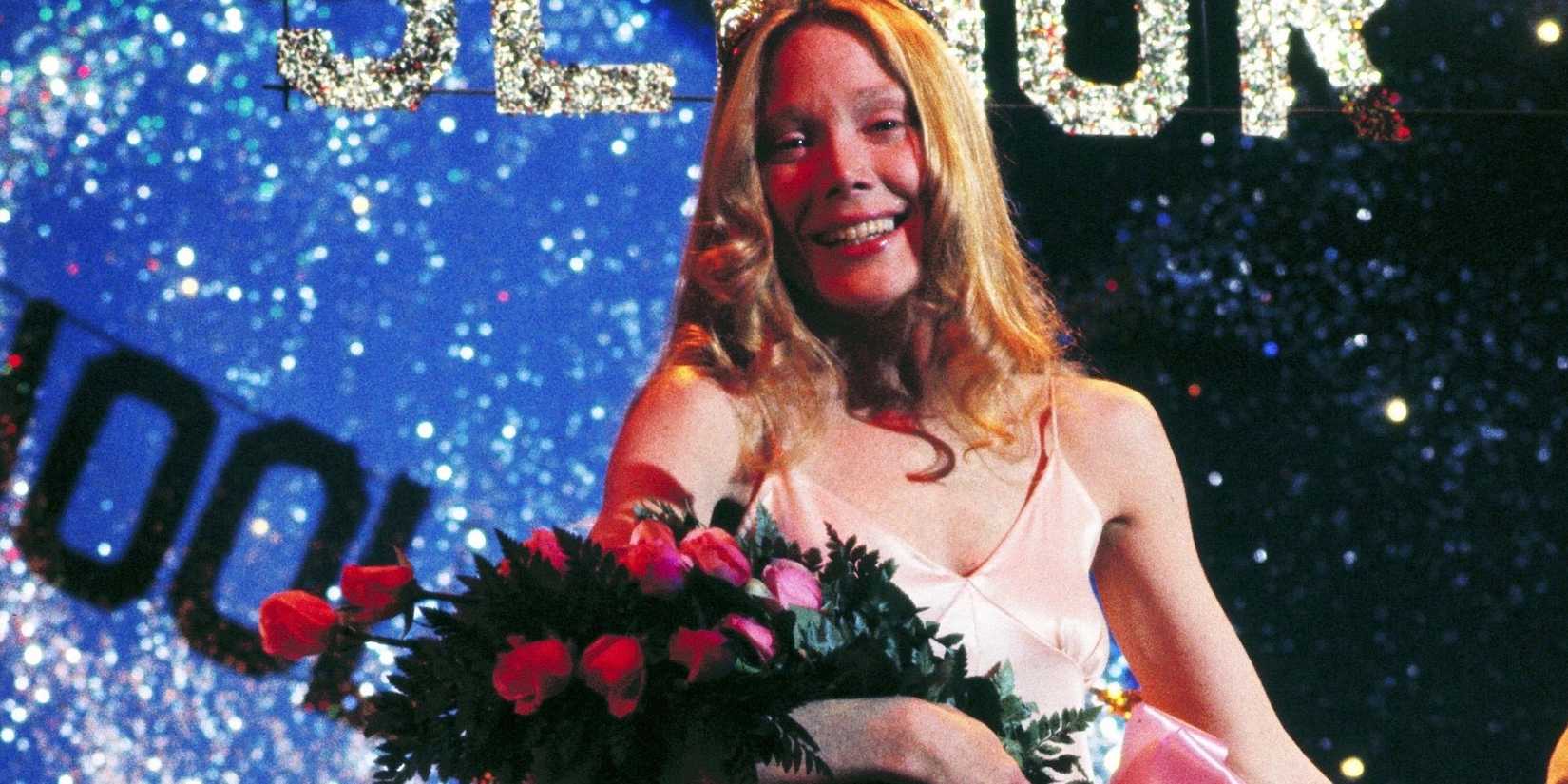 Image via United Artists
Carrie was the first adaptation ever of a Stephen King novel, and it remains one of the best. What made King’s story so good was that it was a haunting horror story that also presented itself as a coming-of-age tale with a relatable protagonist, and Carrie featured a standout performance by Sissy Spacek that launched one of the most significant stars of the next decade.
Carrie was also a major film for director Brian De Palma, who had his first major success after making a few smaller titles earlier in the decade. De Palma was often cited as being a “modern Alfred Hitchcock” because of the way that he used suspense and intrigue, and Carrie showed how he was willing to tear down taboos when it came to graphic content, thanks to the film’s horrific, bloody ending scene at the school dance.
9 ‘The Killing of a Chinese Bookie’ (1976)
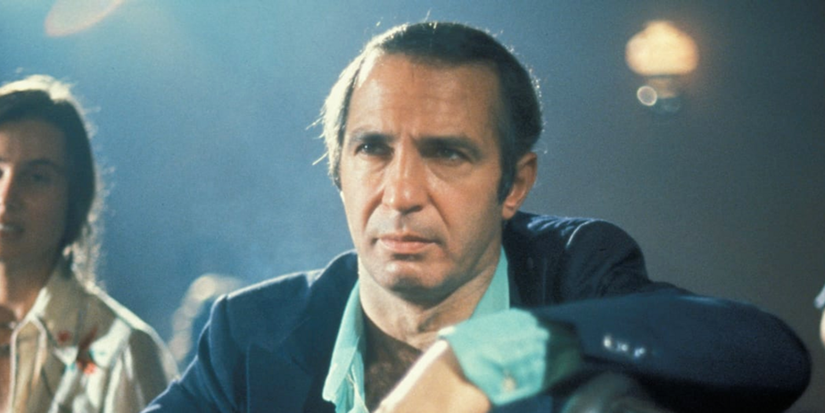
The Killing of a Chinese Bookie was a very unique film for director John Cassavetes, as for the most part he had made smaller arthouse dramas, many of which starred his partner, Gena Rowlands. Comparatively, The Killing of a Chinese Bookie was an anxiety-inducing crime thriller that became a masterclass in escalation, as Cassavetes was able to dig deep within the criminal underworld to tell a story of regret and retaliation.
The Killing of a Chinese Bookie came out only a few years after The Godfather, and proved once again that the crime genre was malleable to tell many different types of stories that could be considered “elevated.” While the original cut of the film released in theaters is a masterpiece, Cassavetes also released a director’s cut (that is widely available on streaming) that is much closer to his original vision.
8 ‘Mikey and Nicky’ (1976)
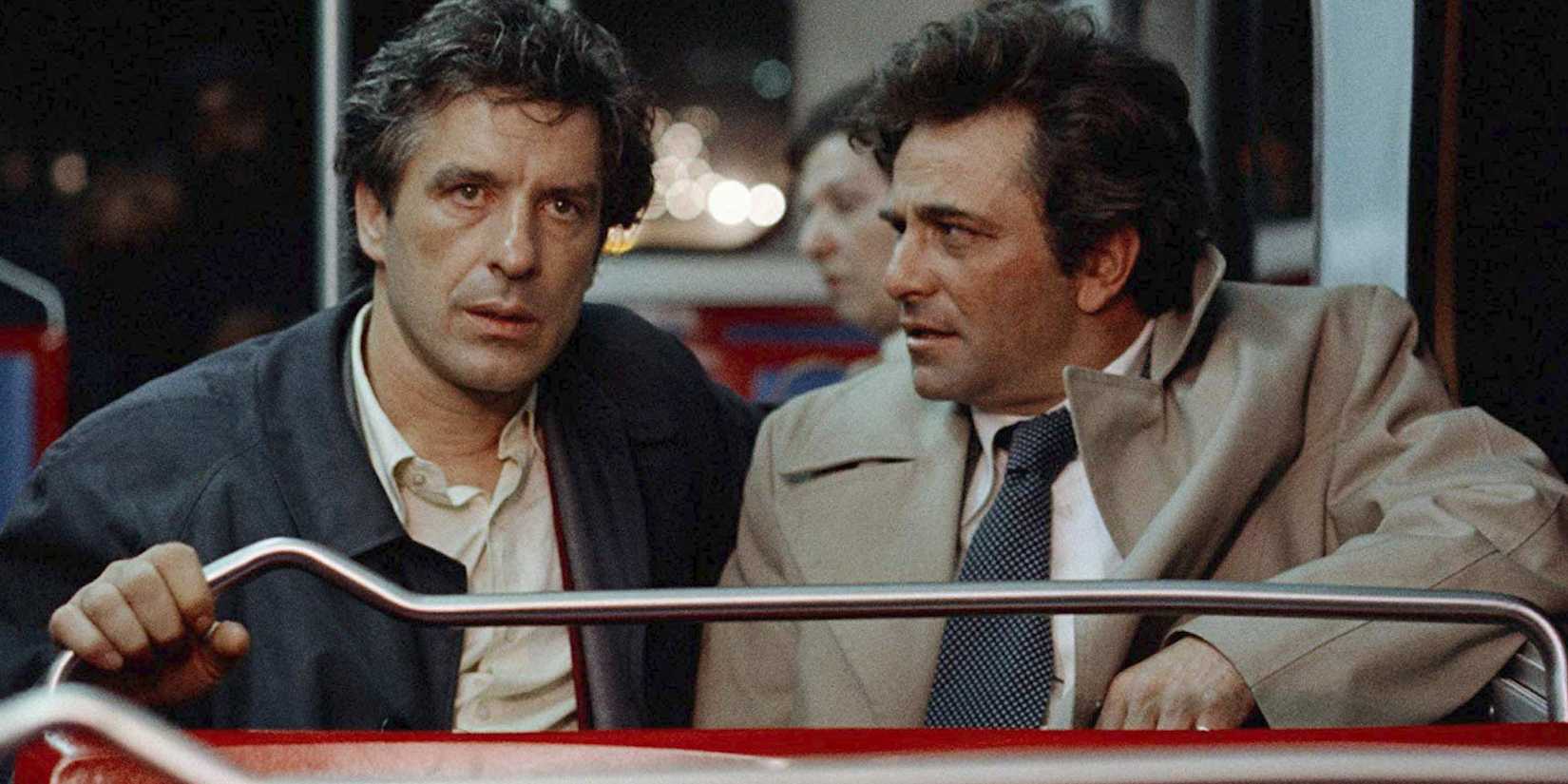 Image via Paramount Pictures
 Mikey and Nicky was the third film directed by Elaine May, a filmmaker who sadly didn’t receive as many opportunities as she deserved. Although May had a famously intense production process that required fine-tuning and countless takes, the results were all masterpieces, as Mikey and Nicky is one of the best films ever made about male friendship and the impossibility of paying off debts.
May was able to get a great performance out of Cassavetes, who proved that he was capable of completely transforming for a role, even if it was for a film that he did not personally direct. That being said, the true scene-stealer of Mikey and Nicky is the late great Peter Falk, who was able to give a performance so charming, amusing, haunting, and tragic all at once that it makes the film even thoriner upon rewatch.
7 ‘Marathon Man’ (1976)
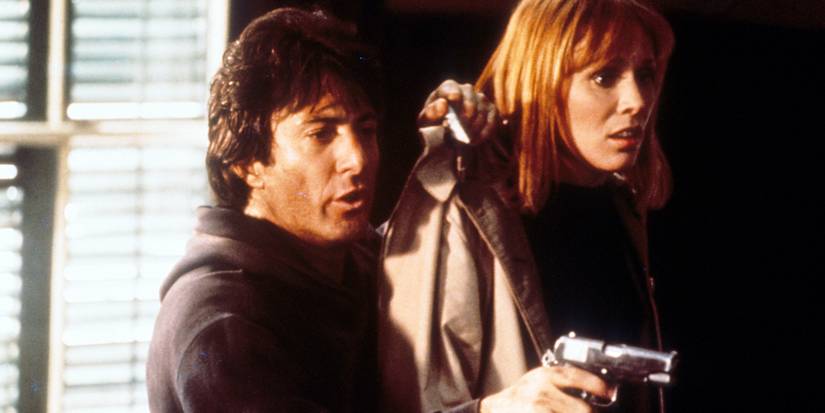 Image via Paramount Pictures
Marathon Man was a truly unique spy thriller that was based on a very popular book, yet still managed to be just as popular. Although Dustin Hoffman was already one of the most respected actors of his generation, he stepped outside of his comfort zone to play a university student that goes on the run after his brother (Roy Scheider) is killed trying to prevent a powerful Nazi (Laurence Olivier) from gaining a powerful treasure.
Olivier was a shocking choice to play the main villain, as he was a more classical British actor who was best known for his work in the adaptations of William Shakespeare and other classic novelists. Nonetheless, Olivier succeeded in giving a transformative and terrifying performance, which was made all the more scary thanks to one of the most realistic torture scenes ever captured on film.
6 ‘Rocky’ (1976)
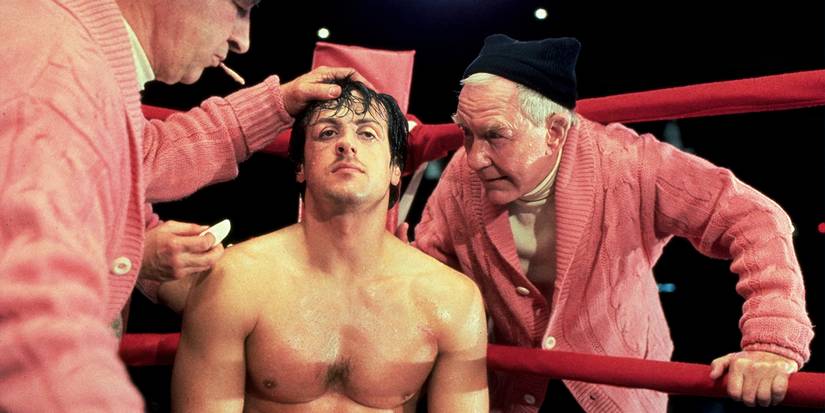 Image via United Artists
Rocky isn’t just the greatest inspirational sports film of all-time, but the classic that basically redefined the genre and has inspired countless imitators. Although it inspired a terrific franchise that is still going strong to this day, the original Rocky is almost underrated at this point for what a thoughtful, grounded character drama it is, as director John Avildsen avoided some of the more outlandish feats of spectacle that became more prominent in the sequels.
Sylvester Stallone is a movie star with a mixed track record when it comes to hits and misses, but he wrote the original screenplay for Rocky and clearly poured all of his efforts and companion into the story of the ultimate underdog. Stallone has now become a massive action star with many franchises to his name, but Rocky is still the film and performance that he will always be best known for.
5 ‘The Outlaw Josey Wales’ (1976)
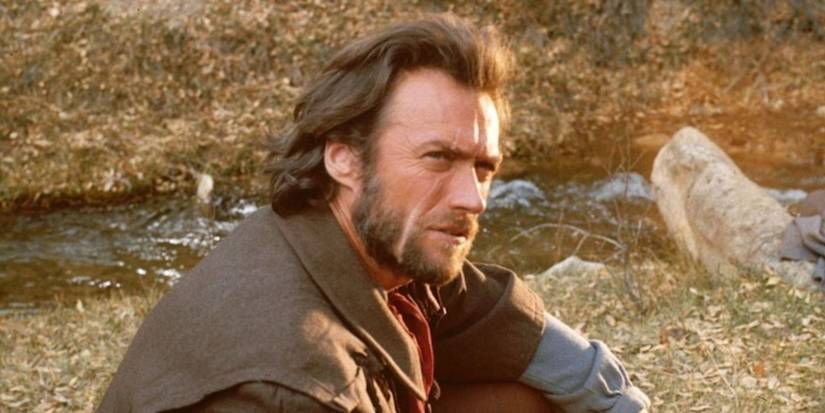 Image via Warner Bros.
The Outlaw Josey Wales was a significant achievement for Clint Eastwood, who was quickly proving that he was just as good at directing Westerns as he was at starring in them. Although Eastwood has succeeded in making a smaller, grittier Western thriller just three years prior with High Plains Drifter, The Outlaw Josey Wales was a true war epic that was far more expansive in terms of scope.
The Outlaw Josey Wales showed how brave Eastwood was willing to be when casting himself, as it was far from the type of egocentric role that many other actors-turned-directors would take. He cast himself to play a truly violent, often scary anti-hero, and was able to explore the complex ethical ramifications of the situation by creating a flawed protagonist. Few better films have ever been made about the aftermath of the American Civil War.
4 ‘Assault on Precinct 13’ (1976)
 Image via The CKK Corporation
Assault on Precinct 13 was a true step up from director John Carpenter, whose previous film Dark Star had really only been a slightly more polished student project that was aimed at satirizing science fiction space operas. Assault on Precinct 13 may have looked on its surface to be another traditional cop thriller, but Carpenter had a trick up his sleeve; he was deeply indebted to the Western cinema of Howard Hawks, as Assault on Precinct 13 served as a loose remake of Rio Bravo that changed the setting from the Wild West to a contemporary police station.
Assault on Precinct 13 featured incredible shootout and fight scenes, even though it was released long before the “action genre” took off in the wake of Die Hard. It’s one of Carpenter’s toughest movies, and is often remembered for its particularly gritty opening scene.
3 ‘Network’ (1976)
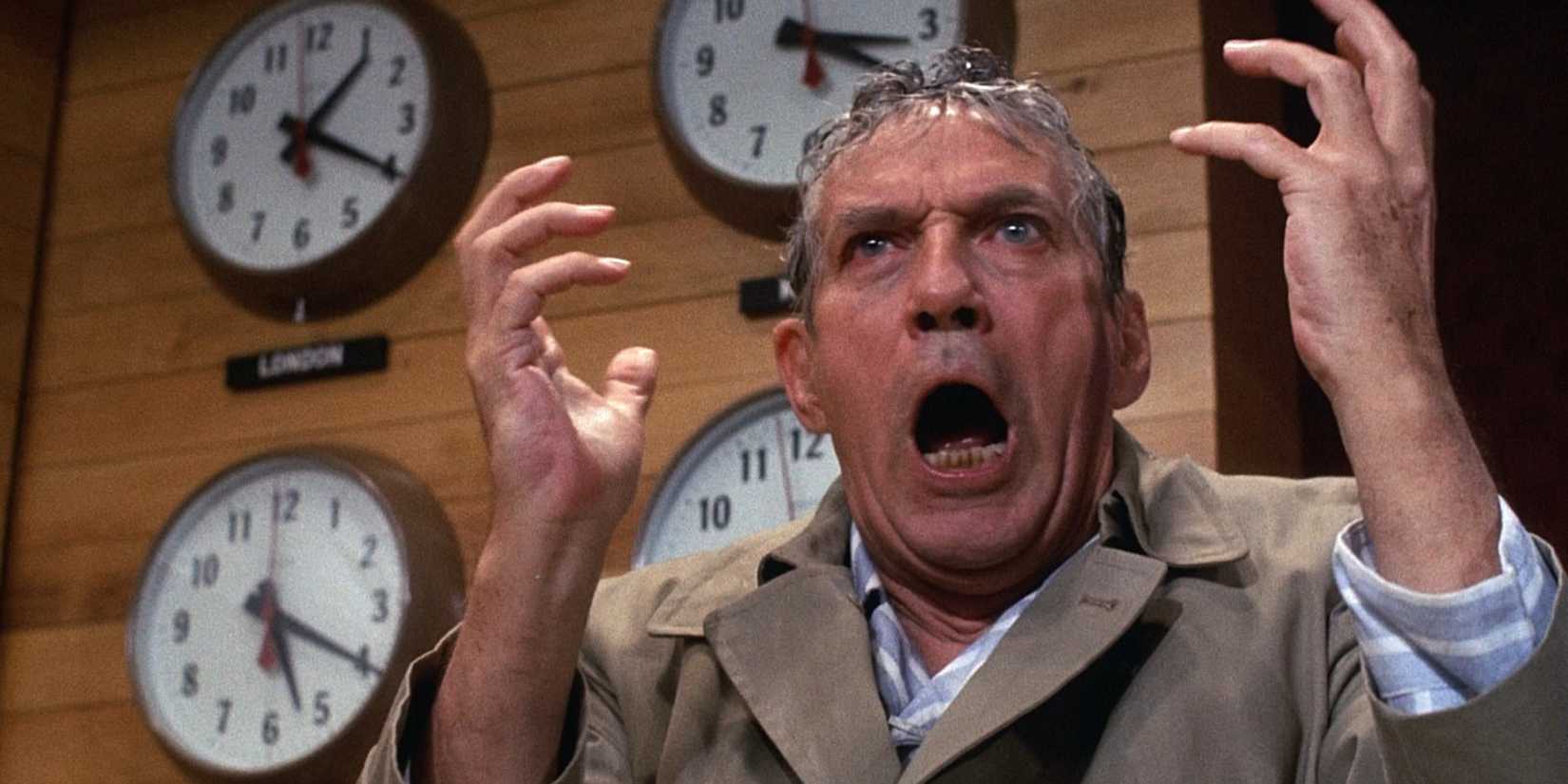 Image via Metro-Goldwyn-Mayer
Network is the rare film from 1976 that remains just as relevant today and it did during its initial theatrical release, as it explored the idea of media sensationalism and overconsumption in a way that resonates even more deeply in the era of the Internet. Although the line “I’m mad as hell and I’m not going to take it anymore” is what the film might be best remembered for, Network has countless amazing pieces of dialogue, as it is one of the best screenplays ever written.
Network has a truly incredible lineup of the most acclaimed actors who were starring in all the best films of the ‘70s, with Peter Finch becoming one of the few stars to win a posthumous Academy Award for Best Actor. Although he was one of the few cast members that wasn’t nominated for an Oscar, Robert Duvall also gives one of his best performances in Network.
2 ‘All the President’s Men’ (1976)
 Image via Warner Bros.
All the President’s Men is one of the most important political films ever made because it tackled the controversies surrounding the “Watergate” scandal in the administration of President Richard Nixon only a few years after they transpired. Robert Redford and Dustin Hoffman gave some of their greatest performances ever as Woodward and Bernstein, respectively, the duo of reporters whose report led Nixon to become the first President of the United States in history to resign from office.
All the President’s Men is still cited as being one of the most accurate and important films about the journalistic process, as it examined aspects of an investigation that must be followed in order for the reporters to make their proclamations with absolute certainty. It’s also a great piece of entertainment, as Alan Pakula was a director who could take important stories and make them very engaging for general audiences.
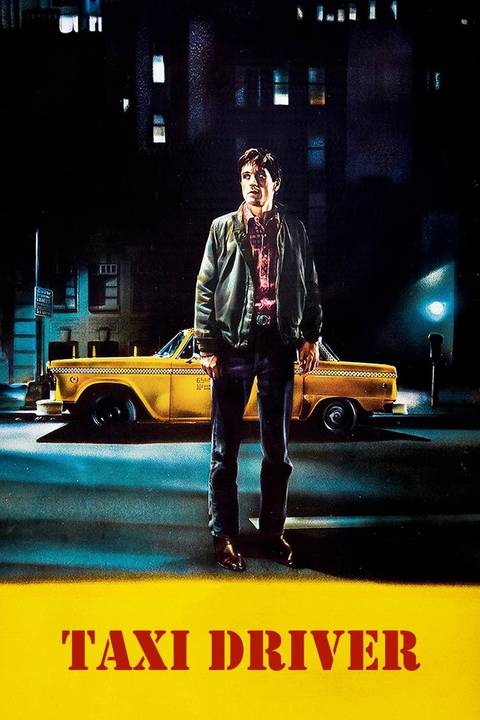
1 ‘Taxi Driver’ (1976)
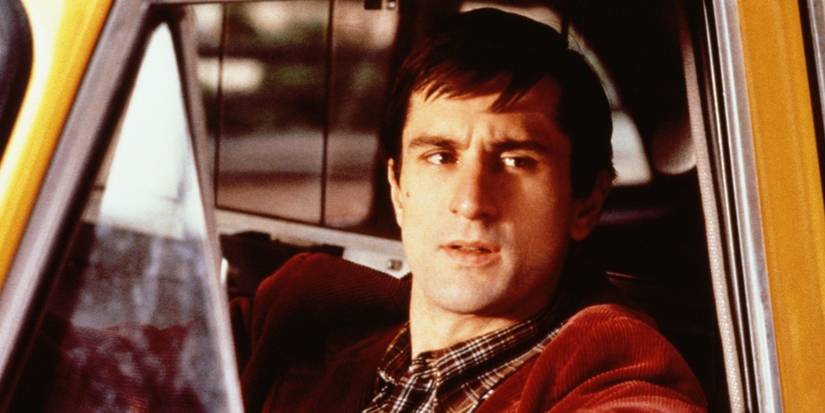 Image via Columbia Pictures
Taxi Driver was a groundbreaking film for Martin Scorsese because it crafted one of cinema’s most defining anti-heroes in Travis Bickle, the unusual main character played by Robert De Niro in one of his greatest performances ever. Bickle was meant to reflect the disillusionment of a generation of Vietnam War veterans who discovered that the country was in shambles, and turned to the underworld as a means of reaching self-actualization.
Taxi Driver is a magnetic thriller because it's intense to see whether Bickle will lose his mind completely, or if his ethics will come through so that he can do the right thing, even if he only does it inadvertently. Although Scorsese and De Niro had previously worked with one another on the 1973 film Mean Streets, Taxi Driver marked the true inception of one of the greatest director-actor collaborations of all-time.
Collider Exclusive · Oscar Best Picture Quiz
Which Oscar Best Picture
Is Your Perfect Movie?
Parasite · Everything Everywhere · Oppenheimer · Birdman · No Country
Five Oscar Best Picture winners. Five completely different visions of what cinema can be — and what it can do to you. One of them is the film that was made for the way your mind works. Ten questions will figure out which one.
🪜Parasite
🌀Everything Everywhere
☢️Oppenheimer
🐦Birdman
🪙No Country for Old Men
FIND YOUR FILM →
01
What kind of film experience do you actually want? The best movies don't just entertain — they leave something behind.
ASomething that pulls the rug out — that makes me think I'm watching one kind of film and then reveals I'm watching another entirely. BSomething overwhelming — funny, sad, absurd, and genuinely moving, all at once. CSomething grand and weighty — a film that makes me feel the full scale of what I'm watching. DSomething formally daring — a film that pushes what cinema can even do. ESomething lean and relentless — pure tension with no wasted frame.
NEXT QUESTION →
02
Which idea grabs you most in a film? Great films are driven by a central obsession. What's yours?
AClass, inequality, and what people are willing to do when desperation meets opportunity. BIdentity, family, and the chaos of trying to hold your life together when everything is falling apart. CGenius, moral responsibility, and the catastrophic weight of a decision you can never take back. DEgo, legacy, and the terror of becoming irrelevant while you're still alive to watch it happen. EEvil, chance, and whether moral order actually exists or if we just tell ourselves it does.
NEXT QUESTION →
03
How do you like your story told? Form is content. The way a story is shaped changes what it means.
AGenre-twisting — I want it to start in one lane and migrate into something completely different. BMaximalist and genre-blending — comedy, action, drama, sci-fi, all in one ride. CEpic and non-linear — cutting between timelines, building a mosaic of cause and consequence. DA single unbroken flow — I want to feel like I'm living it in real time, no cuts to safety. ESpare and precise — every scene doing exactly what it needs to do and nothing more.
NEXT QUESTION →
04
What makes a truly great antagonist? The opposition defines the protagonist. What kind of opposition fascinates you?
AA system — invisible, structural, and almost impossible to fight because it has no single face. BThe self — the ways we sabotage, abandon, and fail the people we love most. CHistory — the unstoppable momentum of events that no single person can stop or redirect. DThe industry — the machinery of culture that chews up talent and spits out irrelevance. EPure, implacable evil — a force so certain of itself it becomes almost philosophical.
NEXT QUESTION →
05
What do you want from a film's ending? The final note is the one that lingers. What do you want it to sound like?
AShock and inevitability — a conclusion that recontextualises everything that came before it. BEarned emotion — I want to cry, laugh, and feel genuinely hopeful, even if the world is a mess. CDevastation and grandeur — an ending that makes me sit in silence for a few minutes after. DAmbiguity — something that leaves enough open that I'm still thinking about it days later. EBleakness — an honest refusal to pretend the world is tidier than it actually is.
NEXT QUESTION →
06
Which setting pulls you in most? Where a film takes place shapes everything — mood, stakes, what's even possible.
AA gleaming modern city with a hidden underside — beauty masking rot, wealth masking desperation. BA collapsing suburban life that opens onto something infinite — the multiverse of a single ordinary person. CThe corridors of power and science at a world-historical turning point — where decisions echo for decades. DThe grimy, alive chaos of New York and Hollywood — fame as both destination and trap. EVast, indifferent landscape — desert and highway where violence arrives without warning or reason.
NEXT QUESTION →
07
What cinematic craft impresses you most? Every great film has a signature — a technical or artistic element that makes it unmistakable.
AProduction design and mise-en-scène — every frame composed to carry meaning beneath the surface. BEditing and tonal control — the ability to move between registers without losing the audience. CScore and sound design — music that becomes inseparable from the dread and awe of what you're watching. DCinematography as performance — the camera not recording events but participating in them. ESilence and restraint — what's left unsaid and unshown doing more work than any dialogue could.
NEXT QUESTION →
08
What kind of main character do you root for? The protagonist is the lens. Who you choose to follow says something about you.
ASomeone smart and resourceful who makes increasingly dangerous decisions under pressure. BSomeone overwhelmed and ordinary who turns out to be capable of something extraordinary. CA brilliant, tortured figure whose gifts and flaws are inseparable from each other. DA self-destructive artist whose ego is both their superpower and their undoing. EA quiet, principled person trying to make sense of a world that has stopped making sense.
NEXT QUESTION →
09
How do you feel about a film that takes its time? Pace is a choice. Some films sprint; others let tension accumulate slowly, deliberately.
AI love a slow build when I know the payoff is going to be seismic — patience for a devastating reveal. BGive me relentless momentum — I want to feel breathless and emotionally spent by the end. CEpic runtime doesn't scare me — if the material demands three hours, give me three hours. DI want it to feel propulsive even when nothing is technically happening — restless energy throughout. EDeliberate and unhurried — I want dread to accumulate in the spaces between the action.
NEXT QUESTION →
10
What do you want to feel walking out of the cinema? The best films leave a mark. What kind of mark do you want?
AUnsettled — like I've just seen something I can't fully explain but can't stop thinking about. BMoved and energised — like the film reminded me what actually matters and gave me something to hold onto. CHumbled — like I've been in the presence of something genuinely important and overwhelming. DExhilarated — like I've just seen cinema doing something it's never quite done before. EHaunted — like a cold, quiet dread that stays with me for days.
REVEAL MY FILM →
The Academy Has Decided Your Perfect Film Is…
Your answers have pointed to one Oscar Best Picture winner above all others. This is the film that was made for the way your mind works.
Parasite
You are drawn to films that operate on multiple levels simultaneously — that begin in one genre and quietly, brilliantly migrate into another. Bong Joon-ho's Parasite is a film about class, desire, and the architecture of inequality that manages to be darkly funny, deeply suspenseful, and genuinely shocking across a single extraordinary running time. Your instinct is for cinema that hides its true intentions until the moment it's ready to reveal them. Parasite is exactly that — a film that rewards close attention and punishes assumptions, right up to its devastating final image.
Everything Everywhere All at Once
You want it all — and this film gives you all of it. The Daniels' Everything Everywhere All at Once is one of the most maximalist films ever made: action comedy, multiverse sci-fi, family drama, existential crisis, and a genuinely earned emotional core that sneaks up on you amid the chaos. You are someone who responds to ambition, who doesn't want cinema to choose between being entertaining and being meaningful. This film refuses that choice entirely. It is overwhelming by design, and its overwhelming nature is precisely the point — because the feeling of being crushed by infinite possibility is exactly what it's about.
Oppenheimer
You are drawn to cinema on a grand scale — films that understand history not as a backdrop but as a force, and that place their characters inside that force and watch what happens. Christopher Nolan's Oppenheimer is a film about the terrifying gap between what we can do and what we should do, told with the full weight of one of the most consequential moments in human history behind it. You want your films to feel important without feeling self-important — to earn their ambition through sheer craft and the gravity of their subject. Oppenheimer does exactly that. It is enormous, complicated, and refuses easy comfort.
Birdman
You are drawn to films that foreground their own construction — that make the how of the filmmaking part of the what it's about. Alejandro González Iñárritu's Birdman, shot to appear as a single continuous take, is cinema examining itself through the cracked mirror of a fading actor's ego. You respond to formal daring, to the feeling that a film is doing something that probably shouldn't be possible. Michael Keaton's performance and Emmanuel Lubezki's restless camera create something genuinely unlike anything else — a film that is simultaneously about creativity, relevance, self-destruction, and the impossibility of ever truly knowing if your work means anything at all.
No Country for Old Men
You are drawn to cinema that trusts silence, that refuses to explain itself, and that treats dread as a form of meaning. The Coen Brothers' No Country for Old Men is a film about the arrival of a new kind of evil — implacable, arbitrary, and utterly indifferent to the moral frameworks we use to make sense of the world. It is one of the most formally controlled films ever made, and its controlled restraint is what makes it so terrifying. You want your films to haunt you, not comfort you. You are not interested in resolution if resolution would be dishonest. No Country for Old Men is honest in a way that most cinema never dares to be.
↻ RETAKE THE QUIZ
Taxi Driver
Release Date February 9, 1976
Runtime 114 minutes
Writers Paul Schrader


 English (US) ·