
Medical dramas may be popular, but they can also be formulaic—which is why it didn't take long for The Pitt to grab the attention of critics, audiences, and even medical professionals. The acclaimed medical drama quickly set itself apart from other similar shows and became one of the most buzzed-about new shows of the season, thanks to its unique premise. Each episode covers approximately one hour of a 15-hour shift in a fictional Pittsburgh hospital and follows Dr. Robinavitch, or Dr. Robby, the chief attending physician of the ER, played by Noah Wyle. While a typical medical drama’s hour-long runtime covering hours or even days means storylines can be rushed, the approach The Pitt takes is closer to reality. The series is from the same creative team that created ER.
While The Pitt's approach to the genre is refreshing, it's still the latest in a long line of medical shows, many of which will satisfy fans looking for something similar to watch. Just as The Pitt brings something new to a familiar genre, these shows also put a different spin on the well-worn territory of the medical drama, from characters whose unique perspective informs their work as doctors to hospitals facing unique challenges.
10 '24' (2001–2010)
 Image via Fox
Riveting thriller 24 followed counterterrorism agent Jack Bauer (Kiefer Sutherland) as he raced against the clock to uncover terrorist plots and save the country. Each season covered the events of a single day, meaning each episode took place over one hour, essentially in real time. It aired on Fox and lasted eight seasons, from 2001 until 2010. A ninth season, titled 24: Live Another Day, aired in 2014, followed by 24: Legacy in 2017.
The Pitt and 24 are very different shows, but their approach to storytelling and how they use their runtime is similar—24 immediately comes to mind when discussing the premise of The Pitt. In both shows, each episode covers about an hour. While The Pitt’s first season covered a single shift, each season of 24 equated to a full day. The result was nine exciting seasons of television, with stories and themes particularly relevant to the time.
9 'Scrubs' (2001–2010)
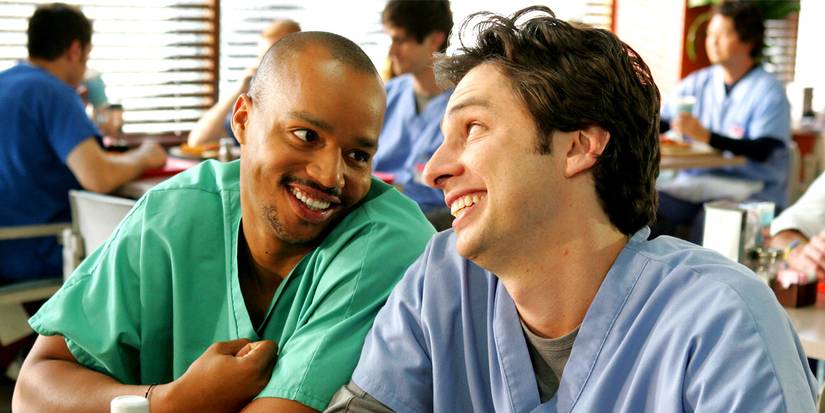 Image via NBC
Sitcom Scrubs presented a humorous take on the medical profession as it followed J.D. (Zach Braff), who narrated most of the episodes, in his career at the fictional teaching hospital Sacred Heart. The series also delved into J.D.’s relationships, from his romance with co-worker Elliot (Sarah Chalke) to his complicated dynamic with his attending physician, Dr. Cox (John C. McGinley). The show premiered on NBC before eventually moving to ABC and lasted nine seasons.
Scrubs was a beloved series during its original run, and for very good reason. It played with the tropes of medical dramas to great effect and stood out thanks to great writing and interconnected plots. Despite being a sitcom, it featured some pretty hard-hitting emotional episodes—it wasn’t afraid to be serious, and the result was some of its best episodes, which showcased the toll the job can take on hospital staff.
8 'Code Black' (2015–2018)
 Image via CBS
CBS drama Code Black, based on the award-winning documentary of the same name, followed the staff of Angels Memorial Hospital, located in Los Angeles, with the busiest emergency room in the country, as their resources were spread thin, and they became overwhelmed with the ER at capacity, leading to a situation dubbed Code Black. Added to the chaos was a new group of residents. The series lasted three seasons, from 2015 until 2018.
The original documentary Code Black was the perfect jumping-off point for a TV series, with an angle that made an already intense and dramatic genre even more harrowing. The show depicted how difficult working in the ER could get when it was particularly busy, whereas most similar shows deal with a typical workload and even unusually quiet, slow shifts. Despite the chaos, the series managed to have some lighthearted and even funny moments.
7 'The Resident' (2018–2023)
 Image via Fox
In The Resident, the staff of Chastain Memorial Hospital in Atlanta faced a number of both professional and personal obstacles, particularly a new medical student, Devon Pravesh (Manish Dayal), working under senior resident Dr. Conrad Hawkins (Matt Czuchry). The series began with Devon’s first day, and as it progressed, he only became more disillusioned, especially as the series’ plots dealt with the bureaucratic aspects of healthcare. The Resident lasted six seasons and just over 100 episodes.
The harrowing opening scenes of The Resident let the audience know exactly what they had in store when a doctor made a fatal mistake during surgery and convinced his colleagues to help cover it up, as part of an emerging pattern. It signaled the show would stand out from other medical dramas, and it only got better as it progressed, especially with plots dealing with hospital bureaucracy, something similar shows rarely touched on at the time.
6 'New Amsterdam' (2018–2023)
 Image via NBC
Dr. Max Goodwin (Ryan Eggold) took over as the new medical director of America’s oldest public hospital in New Amsterdam. He was motivated by a genuine desire to help people and hoped to use his new role to make positive changes in the system, thereby improving the quality of care patients received. The show was based on the memoir Twelve Patients: Life and Death at Bellevue Hospital by Eric Manheimer and ran for five seasons.
With Max’s perspective as medical director, New Amsterdam was able to dive into not only the typical medical emergencies featured in a medical drama but the bureaucratic elements, as well. Max’s optimism and determination were refreshing to see, especially for those of us who have had to navigate the healthcare system. But there was plenty of medical drama to be had—over its five seasons, the show featured a number of interesting cases, often with shocking twists.
Collider Exclusive · TV Medicine Quiz Which Fictional Hospital Would You Work Best In? The Pitt · ER · Grey's Anatomy · House · Scrubs
Five hospitals. Five completely different ways medicine goes sideways on television — brutal, chaotic, romantic, brilliant, and ridiculous. Only one of them is the ward your instincts were built for. Eight questions will figure out exactly where you belong.
🚨The Pitt
🏥ER
💉Grey's
🔬House
🩺Scrubs
FIND YOUR HOSPITAL →
01
A critical patient comes through the door. What's your first instinct? Medicine under pressure reveals who you actually are.
AStay completely present — block everything else out and work through it step by step, right now. BTriage fast and delegate — get the right people on the right problems immediately. CTrust my gut and move — I work best when I stop overthinking and just act. DAsk the question everyone else is ignoring — what's the thing that doesn't fit? ETake a breath, make a joke to cut the tension, and then get to work — panic helps no one.
NEXT QUESTION →
02
Why did you go into medicine in the first place? The honest answer says more about you than the one you'd give in an interview.
ABecause I wanted to be where it matters most — right at the edge, when someone's life is actually on the line. BBecause I wanted to help people — genuinely, one patient at a time, in a system that makes it hard. CBecause I was drawn to the intensity of it — the stakes, the drama, the feeling of being fully alive. DBecause medicine is the most interesting puzzle there is — and I needed a problem worth solving. EBecause I wanted to make a difference — and also, honestly, I didn't know what else to do with my life.
NEXT QUESTION →
03
What do you actually want from the people you work with? Who you want beside you under pressure is who you are.
ACompetence and calm — I need people who don't fall apart when things get bad. BTrust and reliability — I want to know that when I pass something off, it's handled. CConnection — I want colleagues who become family, even if that gets complicated. DIntelligence and the willingness to be challenged — I have no interest in people who just agree with me. EFriendship — people I actually like spending twelve hours a day with, because those hours are going to happen either way.
NEXT QUESTION →
04
You lose a patient you fought hard to save. How do you carry it? Every doctor who's worked a long shift has had to answer this question.
AI carry it. All of it. I don't look for ways to put it down — that weight is part of doing this work honestly. BI process it and move — you have to, or the next patient suffers for the one you just lost. CI feel it deeply and lean on the people around me — I don't think you're supposed to handle that alone. DI go back over every decision — not to punish myself, but because I need to understand what I missed. EI grieve it genuinely, find some way to laugh about something unrelated, and try to be kind to myself — imperfectly.
NEXT QUESTION →
05
How would your colleagues describe the way you work? Your reputation on the floor is usually more accurate than your self-image.
AIntense and completely present — no small talk during a shift, but exactly who you want there. BSteady and dependable — not the flashiest in the room but never the one who drops something. CPassionate and occasionally chaotic — brilliant on the hard cases, prone to drama everywhere else. DBrilliant and difficult — right more often than anyone else, and everyone knows it, including me. EWarm and self-deprecating — not the most intimidating presence, but genuinely good at this and easy to like.
NEXT QUESTION →
06
How do you feel about hospital protocol and procedure? Every institution has rules. What you do with them is a choice.
AProtocol is the floor, not the ceiling — I follow it until the patient needs something it can't provide. BI respect it — the system is broken in places, but the structure is there for a reason and I work within it. CI follow it until my instincts tell me not to — and my instincts are usually right, even when they cause problems. DRules are for people who haven't thought hard enough about when to break them. EI try to follow it and mostly do — with a few memorable exceptions that still come up in meetings.
NEXT QUESTION →
07
What does this job cost you personally? Nobody works in medicine without paying a price. What's yours?
AEverything outside these walls — I've given this job my full attention and the rest of my life has gone around it. BMy idealism, mostly — I came in believing the system could be fixed and I've made a complicated peace with that. CStability — my personal life has been as chaotic as the OR, and that's not entirely a coincidence. DMy relationships — I am not easy to know, and the people who've tried to would probably agree. EMy sense of gravity — I use humour as a coping mechanism, which not everyone appreciates in a hospital.
NEXT QUESTION →
08
At the end of a long shift, what keeps you coming back? The answer to this question is the most honest thing about you.
AThe fact that it's real — that nothing else I could be doing would matter this much, right now, today. BThe patients — individual human beings who needed something and got it because I was there. CThe people I work with — I have walked through impossible things with these people and I'd do it again. DThe next unsolved case — there's always another puzzle, and I'm not done yet. EBecause despite everything — the exhaustion, the loss, the absurdity — I actually love this job.
REVEAL MY HOSPITAL →
Your Assignment Has Been Made You Belong In…
Your answers have pointed to one fictional hospital above all others. This is the ward your instincts, your temperament, and your particular brand of dysfunction were built for.
The Pitt
You are built for the most unsparing version of emergency medicine television has ever shown — one that puts you inside a single fifteen-hour shift and doesn't let you look away.
- You need your work to be real, not romanticised — meaning over drama, honesty over aesthetics.
- You find purpose inside the work itself, not in the chaos surrounding it.
- You've made peace with the fact that this job takes from you constantly, and gives back in ways that are harder to name.
- Pittsburgh Trauma Medical Center demands exactly that kind of person — and you would not want to be anywhere else.
ER
You are the person who keeps the whole floor running — not the most brilliant in the room, but possibly the most essential.
- You show up, do the work, absorb the losses, and come back the next day without needing the job to be anything other than what it is.
- You care about patients as individual human beings, not as cases to solve or dramas to live through.
- You believe in the system even when it fails you — and you understand that emergency medicine is about holding the line just long enough.
- ER is television about endurance. You have it.
Grey's Anatomy
You came to medicine with your whole self — your ambition, your emotions, your relationships, your history — and you have never quite managed to leave any of it at the door.
- You feel things fully and form deep attachments to the people you work with.
- Your personal and professional lives are permanently, chaotically entangled — and that entanglement drives both your greatest disasters and your most remarkable saves.
- You understand that extraordinary medicine often happens at the intersection of clinical skill and profound human connection.
- It's messy at Grey Sloan. You would not have it any other way.
House
You are drawn to the problem above everything else — the symptom that doesn't fit, the diagnosis hiding underneath the obvious one.
- You're not primarily motivated by the patient as a person — though you are capable of caring, even if you'd deny it.
- You work best when the stakes are highest and the standard answer is wrong.
- Princeton-Plainsboro exists to house one extraordinary, impossible mind — and everyone around that mind is there because they're smart enough to keep up.
- The only way forward here is to think harder than everyone else in the room. That is exactly what you do.
Scrubs
You understand that medicine is tragic and absurd in almost equal measure — and that the only sane response is to hold both of those things at the same time.
- You are warm, self-aware, and funnier than most people in your field.
- You use humour to get through terrible moments — and at Sacred Heart, that's not a flaw, it's a survival strategy.
- You lean on the people around you and let them lean back. The laughter and the grief are genuinely inseparable here.
- Scrubs is a show about learning to become someone worthy of the job. You are still very much in the middle of that process — which is exactly right.
↻ RETAKE THE QUIZ
5 'The Knick' (2014–2015)
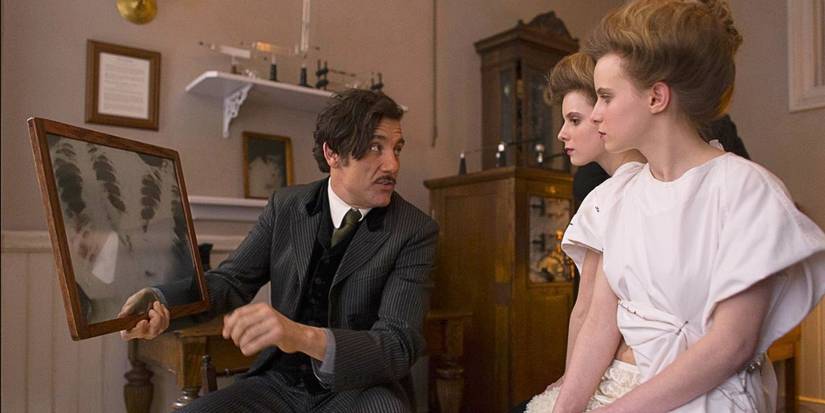 Image via Cinemax
Dr. John W. Thackery (Clive Owen), known as “Thack,” and New York’s Knickerbocker Hospital catered to the city’s poor and immigrant populations in the early 1900s in The Knick. In a time before the discovery of antibiotics, Thackery was a brilliant surgeon pioneering new techniques—ones which essentially made his patients into test subjects—all while dealing with an addiction to cocaine and opium. Although it only lasted two seasons, a spin-off may be in the works.
Audiences are used to seeing the cutting-edge procedures and technology used in modern medicine, and The Knick offered a glimpse into what the medical profession was like in the past as part period drama, part medical drama. Conditions that would be treated easily on a show set in our era presented much larger problems on The Knick. The show’s setting also allowed it to address issues such as race relations.
4 'This Is Going to Hurt' (2022)
 Image via BBC
Limited series This Is Going to Hurt, based on the non-fiction book of the same name by series creator Adam Kay, followed junior doctor Kay (Ben Whishaw) in his work in Obstetrics and Gynecology at an NHS hospital. The series also delved into his personal life and the ways it was impacted by his work, from the physical toll a lack of sleep took to the way it affected his relationships.
Like some of the best medical dramas, This Is Going to Hurt was rooted in the real-life experiences of its creator, and the world of Obstetrics and Gynecology can be a rollercoaster of highs and lows, something most other medical dramas only address occasionally. Complicating matters was the lack of support Kay and his colleagues experienced. In this way, the series mirrored The Pitt, specifically Dr. Robby’s confrontations with hospital administration over resources.
3 'The Good Doctor' (2017–2024)
 Image via ABC.
The Good Doctor followed Dr. Shaun Murphy (Freddie Highmore), who had autism and savant syndrome, as he began his career at a prestigious hospital. Despite being a skilled doctor, he often faced doubt from his colleagues, with the exception of his mentor, Dr. Aaron Glassman (Richard Schiff). The show was based on the South Korean series of the same name and aired on ABC from 2017 until 2024, with seven seasons and over 100 episodes.
Despite receiving criticism for its depiction of people with autism, The Good Doctor remained a popular and successful series for the duration of its run. It featured a number of interesting characters and compelling stories, both within the staff’s personal lives and their work at the hospital. The series also delved into the impact of Shaun’s autism on his work, both positive and negative, as well as the problems caused by administrative issues.
2 'House' (2004–2012)
 Image via FOX
Dr. Gregory House (Hugh Laurie), a cantankerous infectious disease specialist, led a team that solved some of the most baffling medical mysteries that came through the doors of Princeton Plainsboro Teaching Hospital in New Jersey on House. Dr. House wasn’t afraid of breaking the rules to save his patients, and he also had some problems of his own—most notably, an addiction to pain pills. The show lasted eight seasons, from 2004 to 2012.
Like The Pitt, House stood out among medical dramas—but for its main character rather than its structure. House was a far cry from the caring doctors with good bedside manner typically depicted on TV. He saw his patients less as people who needed his help and more as puzzles to solve, and because of the nature of the show, House's best episodes often featured unusual medical cases not often seen in other similar shows.
1 'ER' (1994–2009)
 Image via NBC
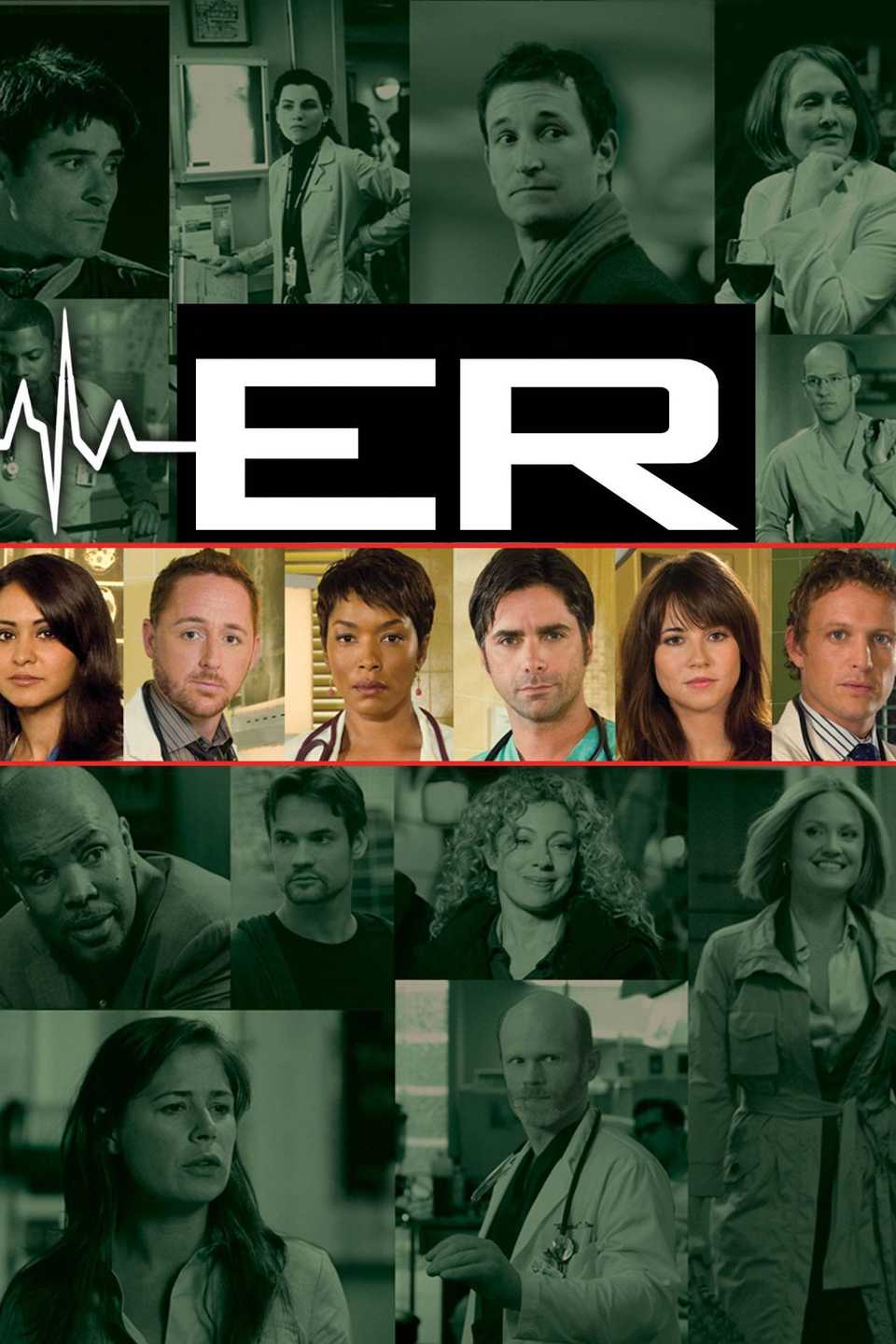
NBC drama ER first aired in 1994 and followed the staff of the fictional County General Hospital, a teaching hospital in Chicago, as they balanced their intense jobs with the drama of their personal lives. It was created by writer Michael Crichton—best known for Jurassic Park—and came to an end in 2009 after 15 seasons and over 300 episodes, making it the longest-running medical drama until Grey’s Anatomy beat it in 2019.
It’s almost impossible to think about The Pitt star Noah Wyle without thinking about ER, the show that launched his career and is still held up as one of the best medical dramas of all time. ER set the stage for what a medical drama could be, with a variety of intense, harrowing cases and compelling characters, both patients and staff alike. It was nominated for 124 Emmy Awards, 23 of which it won.
ER
Release Date 1994 - 2009-00-00
Showrunner Michael Crichton
Directors Michael Crichton








 English (US) ·