


Published Feb 22, 2026, 3:00 PM EST
Zach Moser is a Philadelphia native who loves films, television, books, and any and all media he can get his hands on. Zach has had articles published on satirical sites such as Points In Case, Slackjaw, and McSweeney's.
Sign in to your ScreenRant account
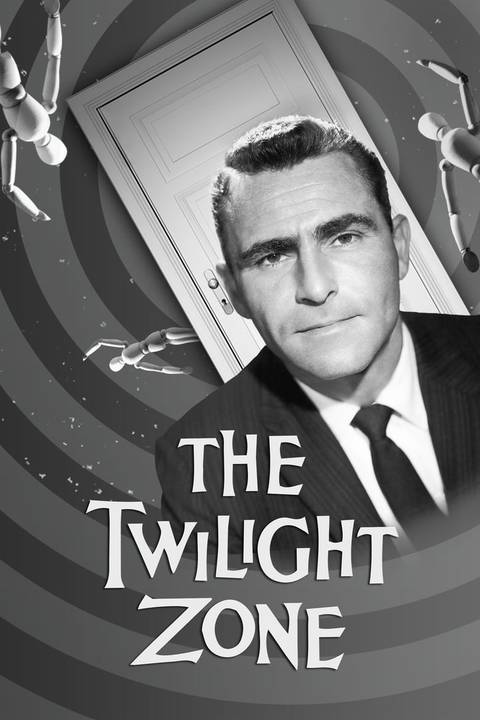
The original Twilight Zone is filled with incredible episodes, many of which are better than most of what you'll find on TV today. The Twilight Zone, the original Twilight Zone, is one of those rare few shows where you can turn on any episode and be pleased with what you're seeing.
Even in anthology TV shows, where duds can be more easily forgiven, it's probable you'll have more than a handful of skips. With The Twilight Zone, however, every episode offers something worth sticking around for, even decades later. These 10 in particular are as good as anything you'll find on TV today.
Time Enough At Last (1959)
Season 1, Episode 8
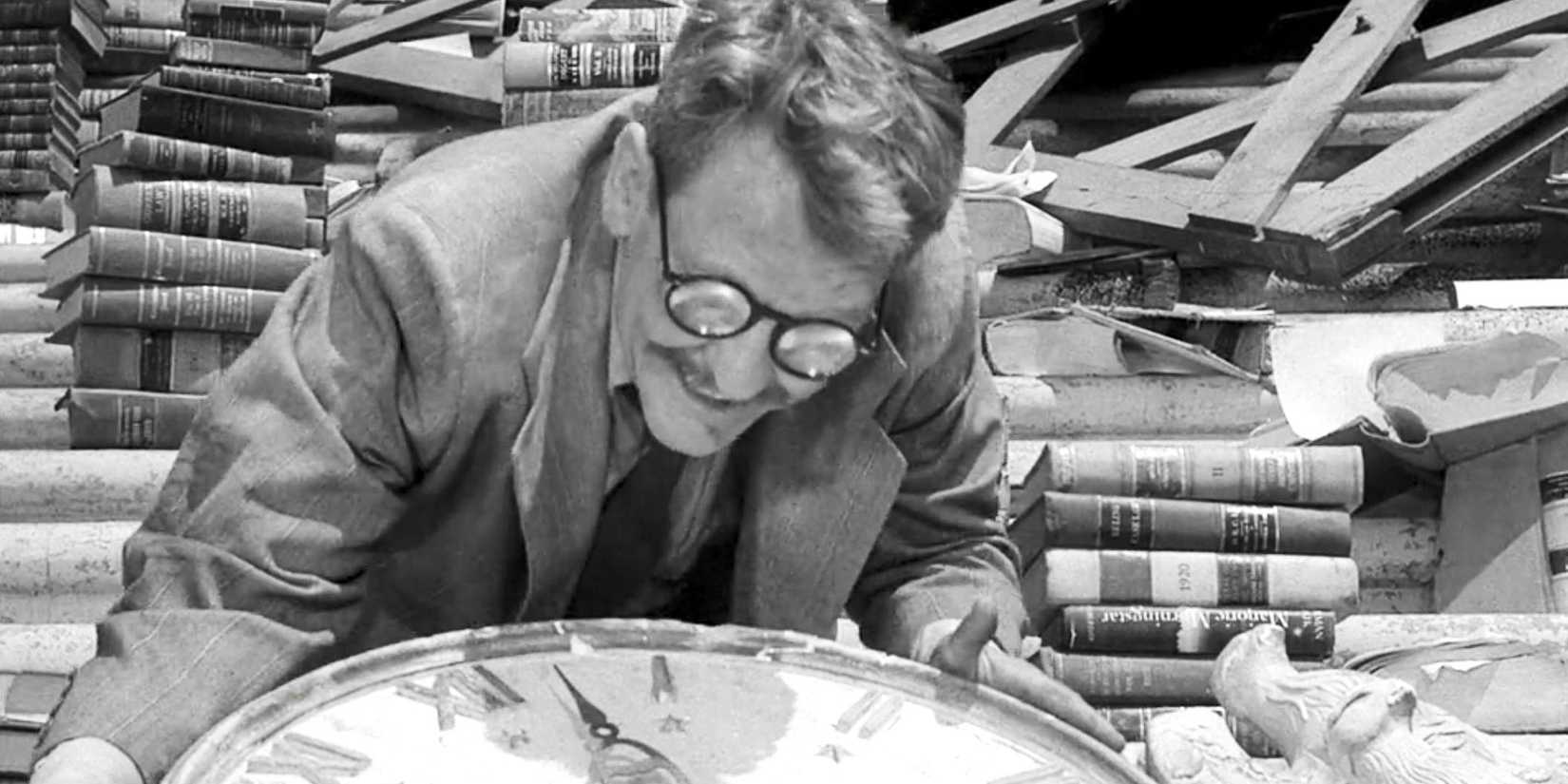
"Time Enough at Last" perfectly encapsulates the monkey's paw-like nature of The Twilight Zone universe. Characters in these stories want something or have a dream, but when they get it, it comes at a terrible price. In this season 1 episode, Henry Bemis (Meredith Burgess) is a bookworm whose boss and wife are fed up with his bookish obsessions.
After he's trapped in a bank vault during a nuclear explosion, Henry emerges into a world with no people left in it, but with plenty of books intact. Despite his loss, Henry weeps joyfully, finally having enough time to read all he wants. Then, he shatters his glasses, and he realizes he'll never be able to read again.
The Monsters Are Due On Maple Street (1960)
Season 1, Episode 22

In "The Monsters Are Due on Maple Street", a sleepy, friendly neighborhood awakes one night to a bright flash passing overhead. Electronics, like lights and lawnmowers, begin going haywire soon after, and a young boy suggests, based on his comic book, that extraterrestrials could be among the neighbors.
The community quickly devolves into paranoia and violence as longtime friends suddenly accuse one another of being aliens, and the close-knit community quickly collapses. It's a slow burn of an episode, and the final reveal is a harsh look at the way humanity is always willing to go at one another's throats.
Nick Of Time (1960)
Season 2, Episode 7

"Nick of Time" stars William Shatner, a Twilight Zone regular, as Don Carter. Don and his wife Pat (Patricia Breslin) are on their way to NYC when their car breaks down in a sleepy Midwest town. They grab lunch at a diner while they wait for repairs. This is the equivalent of a no-go zone in The Twilight Zone.
While they are there, Don puts coins into a fortune-telling machine, which seems to actually be able to predict the future. By the time he asks to leave the diner, he's convinced that the "no" answer spells certain doom. It's another creepy story, and one that ends on an equally happy and frightening note.
The Prime Mover (1961)
Season 2, Episode 21

"The Prime Mover" is a delightful little Twilight Zone episode that is a great example of how the show can do short stories and breathe an unexpected amount of life into them. In "The Prime Mover", Ace (Dane Clark), a short-time gambler, learns his friend Cobb (Buddy Ebsen) has limited telekinetic power.
Ace uses Cobb's powers to have an incredible night at the casino, becoming greedier and demanding over the course of the evening. At the apex of his entitlement, Cobb claims his powers are gone, and Ace loses everything. However, for once in The Twilight Zone, failure actually helps someone become better.
Deaths-Head Revisited (1961)
Season 3, Episode 9

A Jewish soldier during World War II (though in the Pacific Theater, much to his disappointment [via NationalWW2Museum]), the Holocaust affected Serling deeply, and there are several episodes of The Twilight Zone that contend with one of history's greatest horrors. You have to imagine Serling smiling as he meted out Twilight Zone-style justice on his Nazi stand-in.
In "Deaths-Head Revisited", a former SS captain, Gunther Lutze (Oscar Beregi, Jr.), returns to the Dachau concentration camp incognito to revel in the memories of the horrors he inflicted. What he runs into is the ghosts of his victims, who subject their tormentor to the same conditions he once happily applied.
The Jungle (1961)
Season 3, Episode 12

"The Jungle" is the rare Twilight Zone episode that utilizes African myths and storytelling. The series primarily deals specifically with America-centric problems and worries, but "The Jungle" raises issues with African colonization. In the episode, Alan Richards (John Dehner) returns from Africa after securing plans for a hydroelectric dam.
His wife tells him that a village shaman warned her that anyone involved with the construction of the dam, which will displace the villagers, is in grave danger. The jungle soon comes for Alan in impossible ways. What makes the episode so memorable, however, is the comparison it makes between shamanistic superstitions and the ones "civilized" society considers normal.
Nothing In The Dark (1962)
Season 3, Episode 16
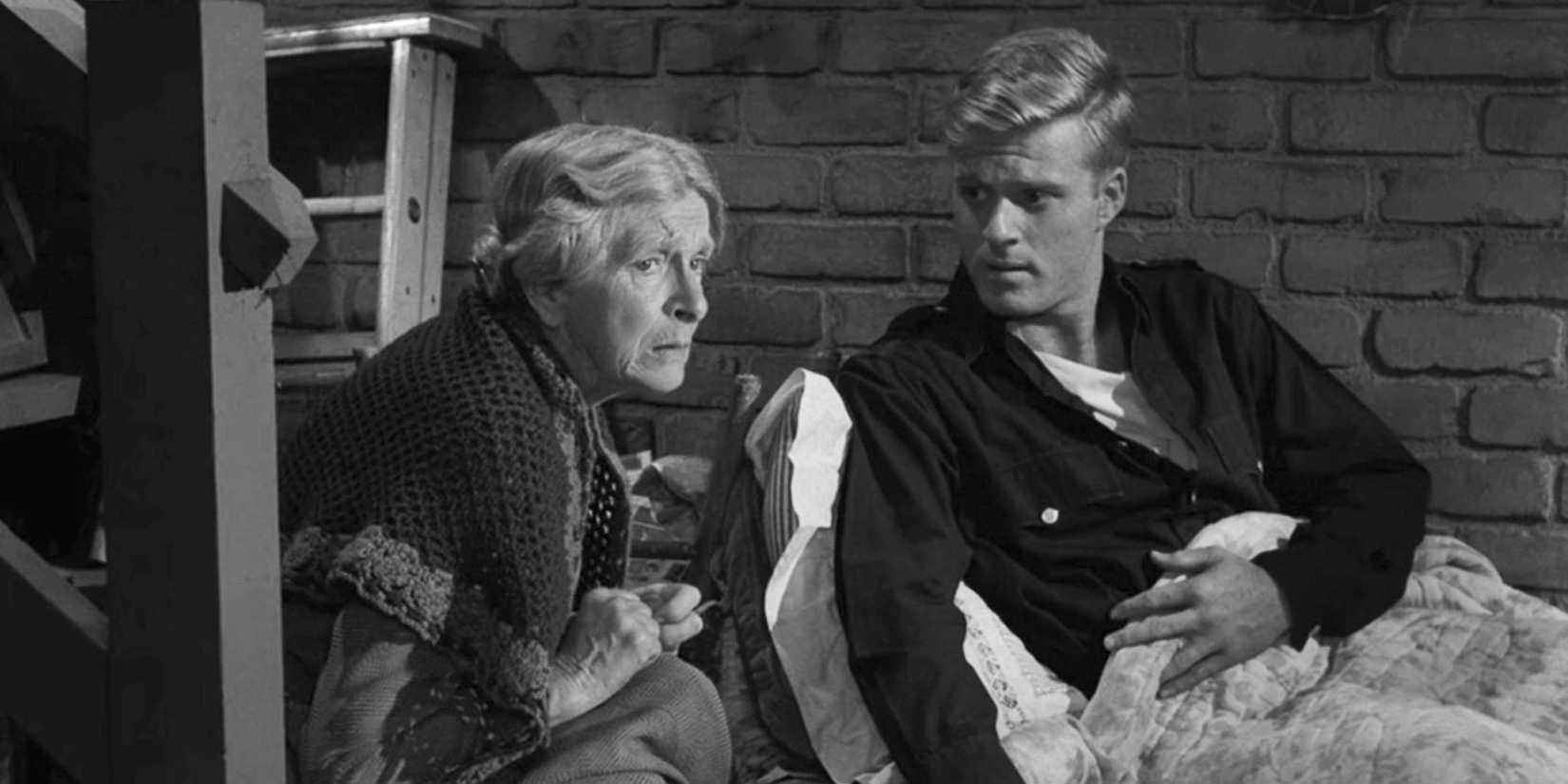
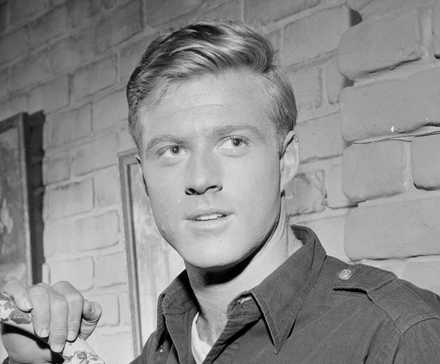
"Nothing in the Dark" is a beautiful examination of death and loneliness and manages to strike a balance between frightening and heartwarming in a way that only The Twilight Zone seems consistently capable of. Robert Redford co-stars as Harold Beldon, a police officer who is shot and collapses outside an old woman's home.
Related
10 Twilight Zone Episodes With Perfect Endings
The Twilight Zone endings in each episode are as memorable as Rod Serling's opening and closing narrations, and these endings are the best ones.
Wanda (Gladys Cooper) is reluctant to help, terrified that Death is after her and will take her away if she ever gets inside. Moved by his wounded pleas for help, Wanda lets Harold in, and the two discuss the idea of death. It's a slow, moving story with two fantastic performances at the center.
Passage Of The Lady Anne (1963)
Season 4, Episode 17
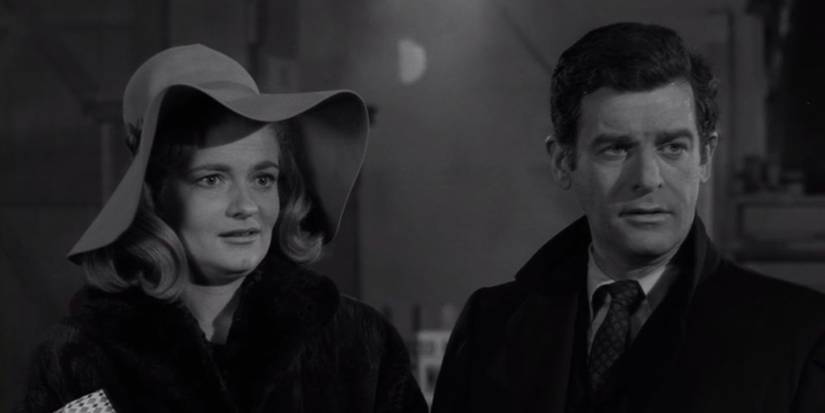
In "Passage of the Lady Anne", a couple goes into The Twilight Zone, experiences the frightening reality it has to offer, and comes out of it better for having been there. It's a happy episode of The Twilight Zone, but a mysterious one. The Rasomes are a middle-aged couple whose love has slipped.
As a last attempt to rekindle their marriage, they take a 13-day cruise on the Lady Anne. The couple begins to experience strange things aboard the ship, and the passengers behave oddly; however, their experience draws them closer together, and when they depart, they have the mysterious Lady Anne to thank for their renewed relationship.
An Occurrence At Owl Creek Bridge (1964)
Season 5, Episode 22

"An Occurrence at Owl Creek Bridge" has the benefit of being adapted from one of the great American short stories by Ambrose Bierce in 1890. Uniquely, "An Occurrence at Owl Creek Bridge" was not made for The Twilight Zone, and instead is a 1961 French short film, later presented by The Twilight Zone.
The story follows Peyton Farquar (Roger Jacquet), a Confederate soldier during the American Civil War, who is set to be hanged. However, as he's dropped into the river, the rope breaks, and Peyton is able to swim away. He makes the long journey back to his home, experiencing increasingly bizarre hallucinations along the way.
Stopover In A Quiet Town (1964)
Season 5, Episode 30

"Stopover in a Quiet Town" isn't an episode that gets a lot of attention, but it's one of the best of the series. In the episode, a married couple, Bob (Barry Nelson) and Millie Frazer (Nancy Malone), wake up in a room with no memory of how they got there. They leave after discovering everything in it is a prop.
As they walk through the unfamiliar neighborhood, they don't encounter another soul and see that almost everything in the town is fake. This Twilight Zone is so imaginative in the way it comes up with new, disturbing ways to show a world just a little off-kilter from our own, the ultimate representation of The Twilight Zone.
Release Date 1959 - 1964
Showrunner Rod Serling
Directors John Brahm, Buzz Kulik, Douglas Heyes, Lamont Johnson, Richard L. Bare, James Sheldon, Richard Donner, Don Medford, Montgomery Pittman, Abner Biberman, Alan Crosland, Jr., Alvin Ganzer, Elliot Silverstein, Jack Smight, Joseph M. Newman, Ted Post, William Claxton, Jus Addiss, Mitchell Leisen, Perry Lafferty, Robert Florey, Robert Parrish, Ron Winston, Stuart Rosenberg
Writers Charles Beaumont, Richard Matheson, Earl Hamner, Jr., George Clayton Johnson, Jerry Sohl, Henry Slesar, Martin Goldsmith, Anthony Wilson, Bernard C. Schoenfeld, Bill Idelson, E. Jack Neuman, Jerome Bixby, Jerry McNeely, John Collier, John Furia, Jr., John Tomerlin, Lucille Fletcher, Ray Bradbury, Reginald Rose, Sam Rolfe, Adele T. Strassfield






 English (US) ·