

Published May 30, 2026, 8:31 PM EDT
Emedo Ashibeze is a tenured journalist and critic specializing in the entertainment industry. Before joining ScreenRant in 2025. he wrote for several major publications, including GameRant.
Anime has always pushed the boundaries of audiovisual storytelling, but occasionally, a few episodes come around that tend to cross a dangerous line, sparking prolonged debate or outrage. These episodes could be controversial for a lot of different reasons: creative choices, sensitive topics or imagery, production decisions, and many more.
The most divisive episodes force viewers to ask questions about the difference between true expressions of creative freedom and outright poor taste. While most controversial moments end up forgotten after a few weeks, some permanently alter how a series is perceived. They leave a lasting impact on their fandoms, gaining unique reputations that immortalize the events featured in them.
10 Goblin Slayer Episode 1
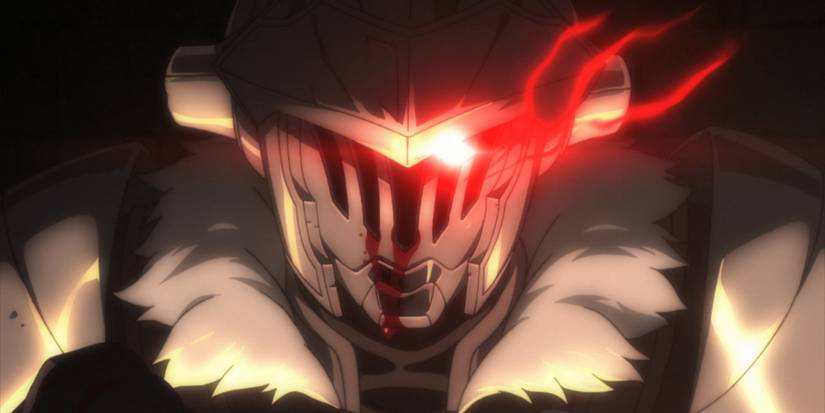
The premiere of Goblin Slayer is infamous for its intense violence and graphic imagery. It follows a group of three naive and unprepared adventurers, joined by a young and equally inexperienced priestess. They pretentiously take on a quest to slay goblins in a nearby cave, expecting an easy time, as goblins are famously known to be weak.
Their overconfidence soon turns into despair, however, as the goblins prove too much for them. Each of the original three party members is violated in obscene and horrific ways, and they are all killed in the process. The titular Goblin Slayer arrives just in time to save the lone survivor, but by then the damage had already been done.
9 Mushoku Tensei Season 2 Episode 23
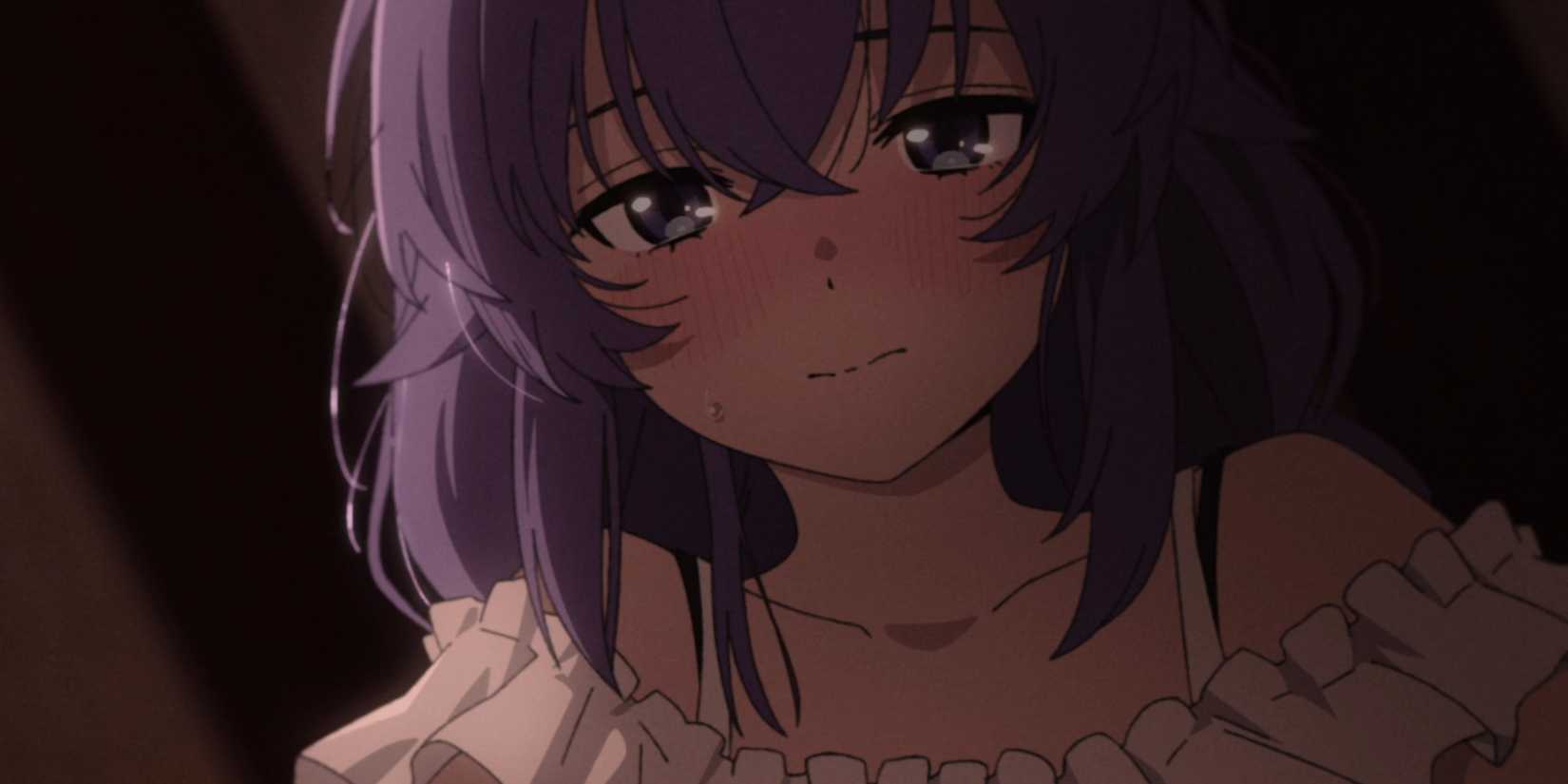
The twenty-third episode of the second season of Mushoku Tensei takes place after the death of Rudeus’ father and the discovery of his mother in a vegetative state. This causes the troubled protagonist to spiral into severe depression, blaming himself and unable to function properly. This prompts Roxy to approach Rudeus, offering him comfort in hopes of helping him recover.
They end up engaging in intercourse, with Rudeus taking responsibility by subsequently marrying her. This episode sparked widespread fan indignation, as much of the season was spent detailing Rudeus’ loving union with Sylphiette, who was also pregnant at the time. Some viewers also saw this as Roxy taking advantage of a grief-stricken young man, leaving a bad taste all-round.
8 Redo of Healer Episode 2
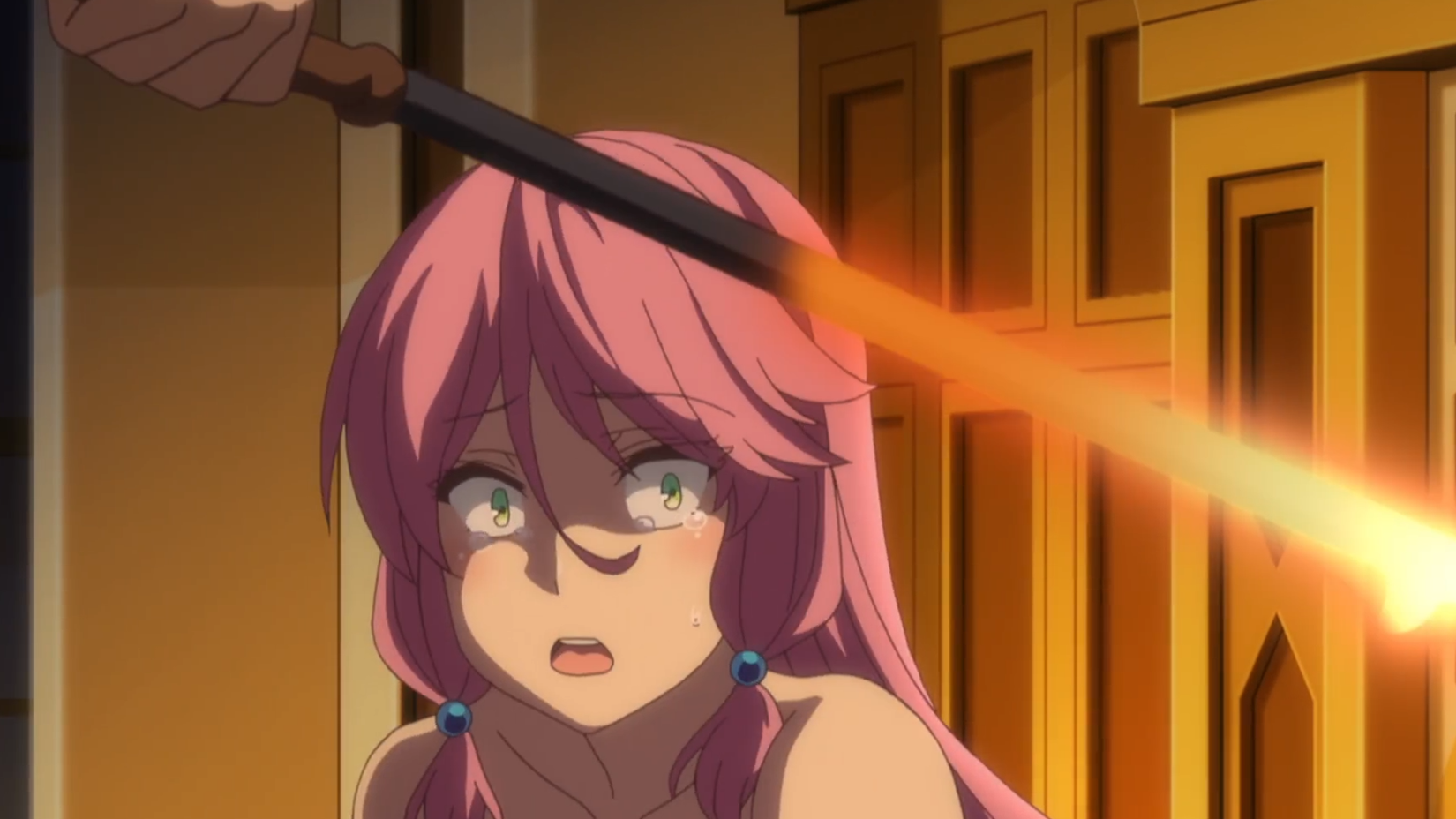
After the first episode of Redo of Healer established Keyaru’s unfortunate backstory, the second brutally depicts the start of his payback against those who abused him. In this episode, he thoroughly takes revenge on the chief offender, Princess Flare, infiltrating her chambers and inflicting vast amounts of psychological and physical damage on her.
He most notably breaks and heals her fingers repeatedly, before sexually assaulting her as well. He also changes her memories and alters her facial structure, making her into an entirely new person devoted to him. The graphic events of the episode are on full display, making it an uncomfortable watch even if she did deserve the retribution.
7 Oreimo Season 2 Episode 16
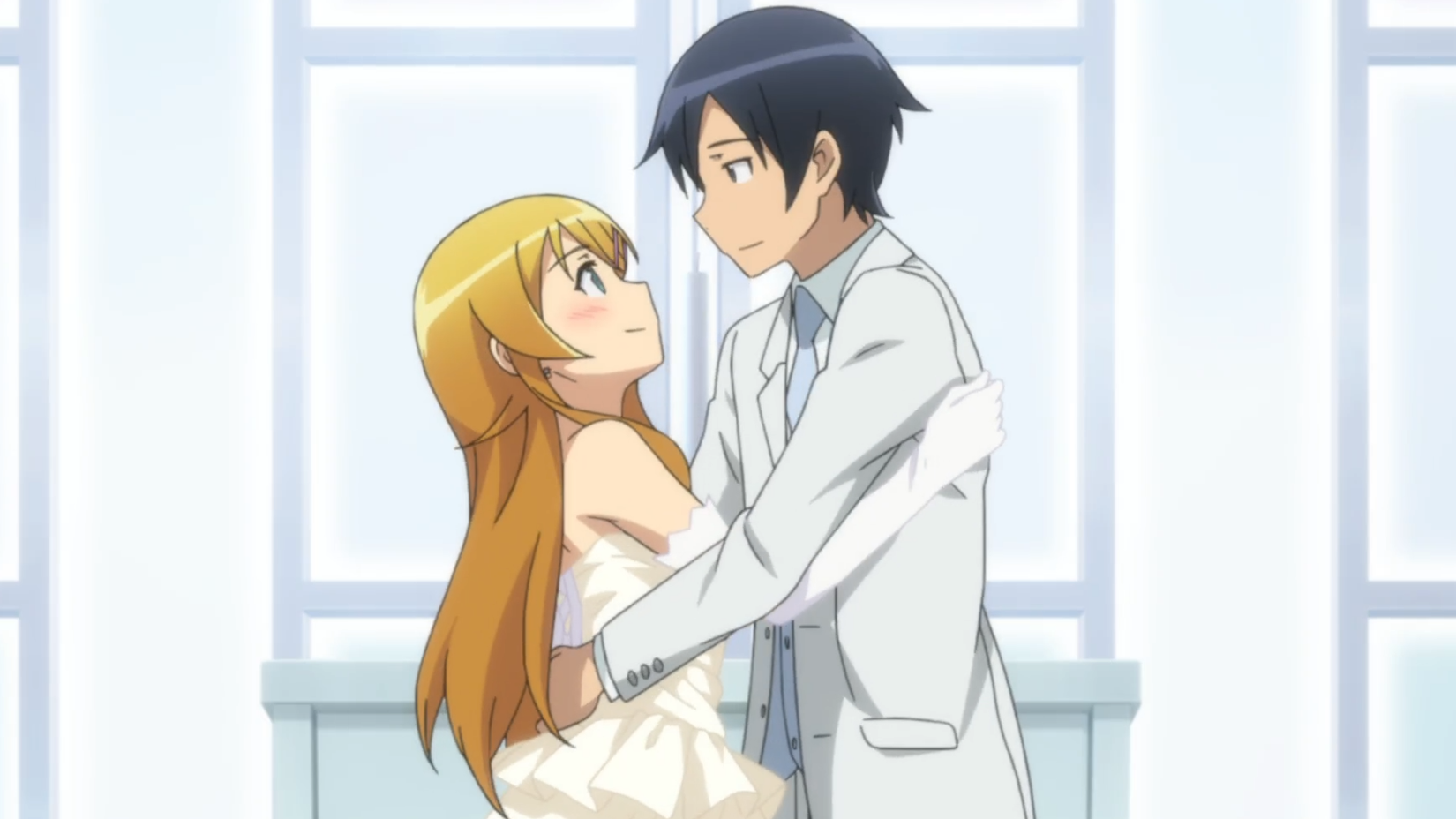
This episode serves as the largely unsatisfying finale of Oreimo. At this point, the incestuous relationship between the main siblings, Kyousuke and Kirino, has been established. Upon finding out, however, Kyousuke’s childhood friend Manami aggressively confronts the two. She then gets into an intense fight with Kirino, to the point where her glasses are broken and shattered.
Manami’s actions stem mainly from her love for Kyousuke, who still chooses Kirino, as the two have a fake wedding to commemorate their relationship. They break off their romantic relationship right after, though, leaving fans to wonder why exactly so many hearts were broken over the course of the series and whether it was all truly worth it.
6 School Days Episode 12
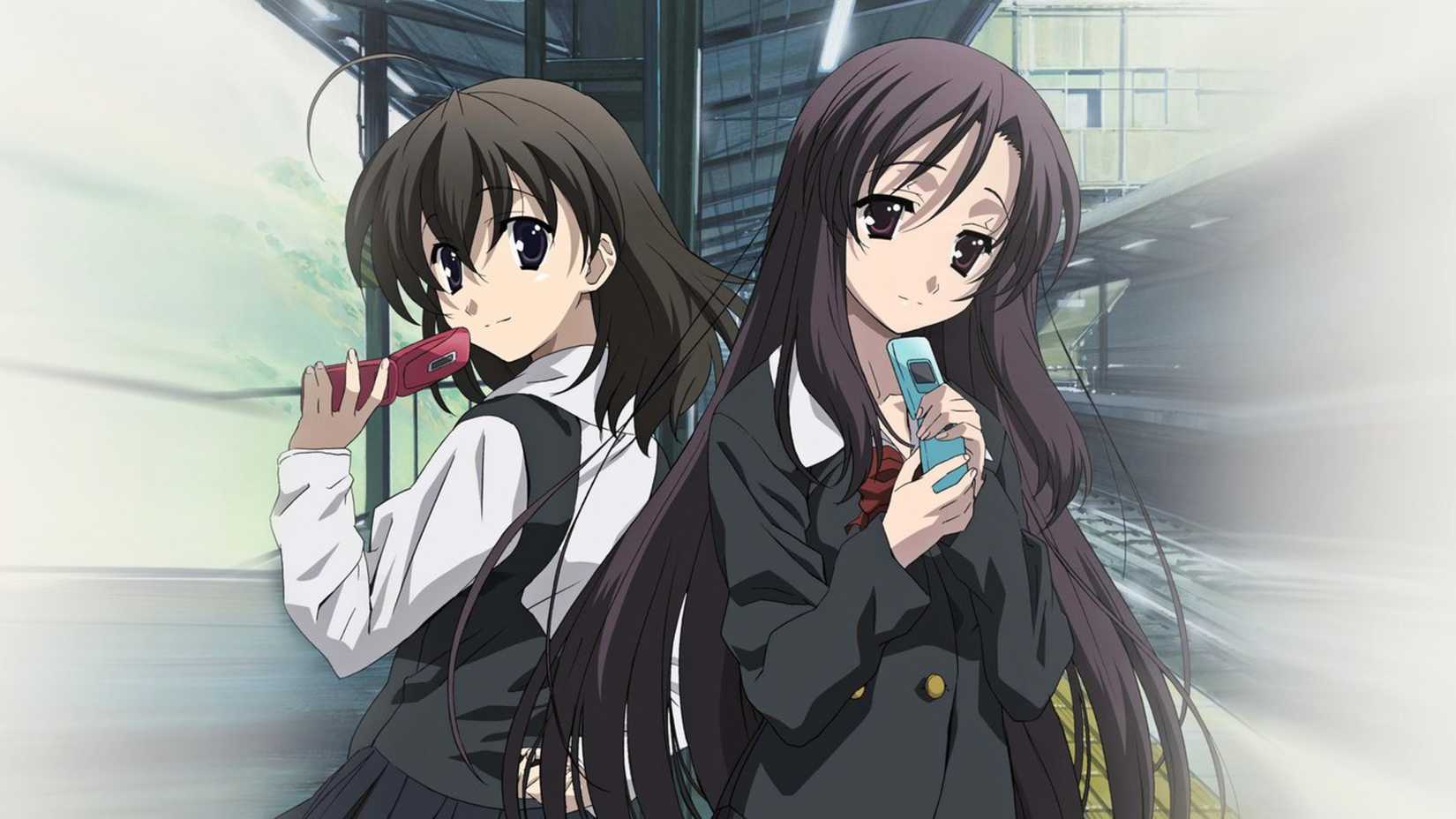
School Days has garnered a notorious reputation over the years, turning a romance anime into a ghastly bloodbath, largely due to the events of its final episode. The serial-cheater protagonist, Makoto, was involved with multiple girls throughout the series, and in this episode, the consequences of his actions catch up with him in fatal fashion.
He is stabbed repeatedly and killed by the girl he initially cheated with, Sekai Saionji. The girl whom he’d seemingly resolved to commit to, Kotonoha Katsura, takes revenge on Sekai by killing her too, slicing her stomach open right after to prove she wasn’t pregnant. As if that were not enough, the episode ends with Kotonoha embracing Makoto’s severed head.
5 Pokémon Season 1 Episode 38
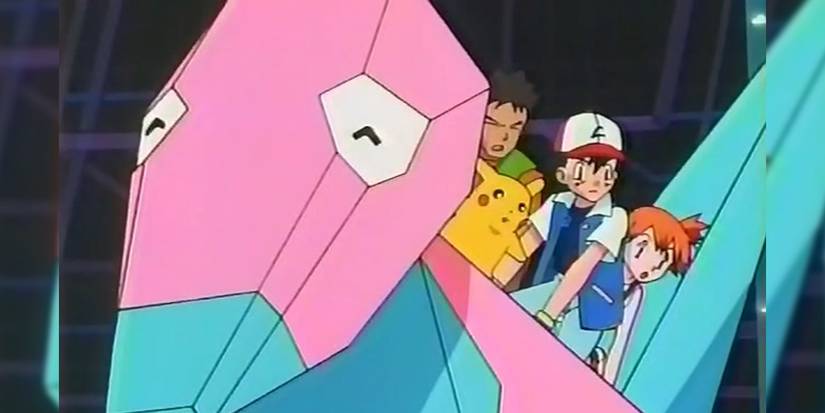
The thirty-eighth episode of the iconic Pokémon series’ first season was titled Computer Warrior Porygon, and it featured the infamous real-life incident dubbed the Pokémon Shock. The episode itself details one of Ash and his team’s many confrontations with the antagonistic Team Rocket, this time in a digital dimension and featuring the artificial Pokémon Porygon.
In order to stop a missile headed for both teams in the dimension, Pikachu uses a powerful Thunderbolt attack. This results in an explosion portrayed in alternating red and blue lighting, a phenomenon that triggered photosensitive epileptic seizures nationwide, affecting over 600 people. The anime went on a four-month hiatus following the incident, and the episode was never aired again.
4 The Seven Deadly Sins Season 3 Episode 12
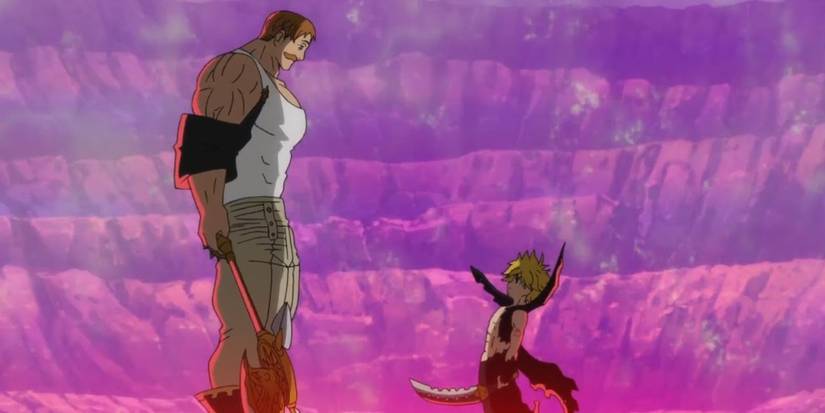
The third season of The Seven Deadly Sins saw a change in production studios, resulting in a significant drop in quality. The twelfth episode, specifically, is famous for ruining one of the series’ most anticipated fights, Meliodas vs Escanor. The eccentric captain of the Sins reverted to his old, ruthless personality, and Escanor was tasked with stopping his rampage.
This was expected to be a standout battle, but it came out horribly animated, with many fans comparing the scene to a PowerPoint presentation. It was the last straw for many viewers, who dropped the show immediately, either pivoting to the manga or giving up on the series as a whole.
3 Death Note Episode 25

The twenty-fifth episode of Death Note marked Light Yagami’s victory over his longstanding rival L. The episode itself is highly regarded, as the tension is managed masterfully throughout its runtime. The nature of L’s defeat, however, is regarded as unsatisfying by many, as the defining blow does not happen because of the intellectual chess match between the two adversaries.
Light instead takes advantage of the shinigami Rem’s affection for Misa Amane, giving her no choice but to write L’s real name in her Death Note to protect Misa. The episode also set a questionable tone for the series going forward, as the confrontations between Light and L’s successors paled in comparison to those of the original two.
2 The Melancholy of Haruhi Suzumiya Episodes 12-19

These episodes are known as Endless Eight, and they follow the SOS Brigade as the group enjoys their final days of summer vacation. Haruhi, though, is left unsatisfied by the end, inadvertently creating multiple time loops repeating the events of summer. The loops happened a total of 15,532 times, and the creators made sure to include their audience somehow.
Where your average series might depict the events of the loop through short montages or pure dialogue, the show broadcast eight distinct yet identical episodes detailing the never-ending summer. This caused massive fan outrage at the time, as they tuned in each week hoping for progression, only to be continuously met with an episode almost completely similar to the last.
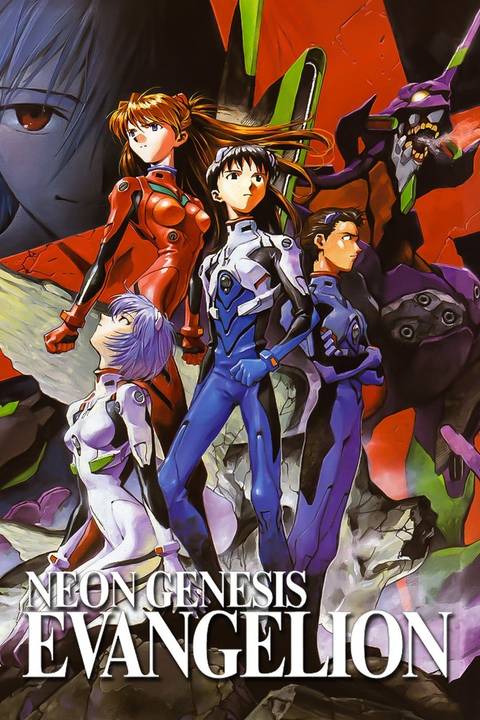
1 Neon Genesis Evangelion Episodes 25 & 26

The final episodes of Neon Genesis Evangelion explore the minds of the main cast during Human Instrumentality. It marks a shift from the high-octane action featured in most of the series, focusing instead on the psychological aspects of human existence. Each character is forced to confront their deepest insecurities, with Shinji in particular experiencing a profound psychological breakthrough.
The ending received a mixed reception from viewers, as it is seen either as a comprehensive masterpiece or as an indiscernible mess. It was also not helped by the fact that the production was revealed to have had multiple issues towards the end, making the ending feel less genuine and more like a cheap compromise.
Release Date 1995 - 1996
Network TV Tokyo
Directors Keiichi Sugiyama, Masahiko Otsuka, Tensai Okamura, Shoichi Masuo, Minoru Ohara, Seiji Mizushima, Tetsuya Watanabe, Ken Ando
Writers Akio Satsukawa, Yoji Enokido
-

Megumi Ogata
Shinji Ikari (voice)
-
Kotono Mitsuishi
Misato Katsuragi (voice)





 English (US) ·