

Published May 30, 2026, 9:00 PM EDT
Josh is a film critic and journalist with over nine years of experience in the entertainment industry. Entering the field at just 17 years old, Josh went on to make his own website, The HoloFiles, and social media brand Star Wars Holocron, the most followed Star Wars fan account on Twitter/X.
A member of both the Chicago Indie Critics and the Hollywood Critics Alliance, Josh has covered major industry events including Star Wars Celebration and, most recently, CinemaCon for ScreenRant. His work has appeared in outlets such as Game Rant and Comic Book Resources (CBR), and he has been featured in publications including the BBC and The New York Times.
Star Wars is officially back on the big screen with The Mandalorian and Grogu. The franchise had previously been absent from movie theaters for a number of years, with Lucasfilm and Disney instead focusing on streaming series during that period.
Now, the franchise is back, but with mixed results. The Mandalorian and Grogu currently sports a 62% with critics on Rotten Tomatoes, with consistent complaints focusing on the scale of the story and the fact that, according to some, the film plays more like a few episodes of the show stitched together rather than a Star Wars movie.
The release of a new Star Wars movie has, naturally, also put previously released films back into the spotlight. This is especially true for the sequel trilogy, which was the last set of films released in the franchise. The sequels were also met with mixed reception upon release, just like The Mandalorian and Grogu, the latter two films, The Last Jedi and The Rise of Skywalker, in particular.
What makes The Rise of Skywalker stand out from The Last Jedi is that it doesn’t have the number of fervent defenders as the latter film has. The Rise of Skywalker is much more maligned overall, but seven years later, the film ages much better than one might expect, with a high-stakes story, excellent cinematography, and great characters, especially Rey and Kylo Ren.
The Rise of Skywalker’s Story Felt Huge

As stated, one of the aspects of The Mandalorian and Grogu that has been criticized the most is the scale. The new film is centered on the title characters, and the story doesn’t deviate much from them at any point. This, on one hand, is a good thing, as the characters remain front and center. However, it also makes The Mandalorian and Grogu feel less important to the rest of the galaxy, which was an issue for some.
The Rise of Skywalker, regardless of its other problems, had a massive story on a huge scale. The plot centered on Emperor Palpatine’s grand (and unexpected) return and threat of imminent revenge on the galaxy unless one pledged their loyalty to him, which naturally had galaxy wide stakes. That made the story feel important, perhaps even more so than The Last Jedi, which also had a huge sense of importance and story.
The threat that Palpatine posed played a huge role in this, too. The Sith Lord has always posed a massive threat to the Jedi and the rest of the heroes, but in The Rise of Skywalker, he’s even more menacing. Palpatine has a Sith fleet, which includes thousands of star destroyers ready to travel to the known galaxy at any point. These star destroyers also had planet-killing canons, which made every single one capable of destroying a world just like the Death Star.
Palpatine was separate from the First Order in the film, which also made the movie feel even bigger. This meant that there were three primary groups all playing a huge role in the story: the Resistance, the First Order, and Palpatine’s Sith fleet on the planet Exegol. The first two films of the sequel trilogy only featured the Resistance and the First Order, which was already a big scale, but The Rise of Skywalker increases that even more.
The Visuals Were Excellent

Recent Star Wars projects on Disney+ have received criticism for their visuals. Many shows, such as The Book of Boba Fett and Obi-Wan Kenobi, were subjects of huge complaints regarding the usage of the Volume technology and the look of the series overall. Those shows were a far cry from the sequel trilogy, which were some of the best looking Star Wars stories in the entire franchise.
The scale of The Rise of Skywalker was shown not only in the film’s story, but in its visuals as well. Director JJ Abrams successfully captured just how huge the Sith fleet would be, for example, with amazing shots of thousands of star destroyers ready for battle in the skies of Exegol.
The film also featured a collection of planets that the characters travel to throughout the film, and each one has a distinct visual appeal. Exegol, despite its plot holes in the story of the film, is designed brilliantly, defined by its blue lighting, dark skies, and bright lightning flashing above. Takodana, a sand planet, had a Tatooine-type feel, but with much more color and vibrancy overall. This made it stand out from other similar worlds in the franchise, making it more memorable overall.
Even the Resistance base is a visual highlight of the film. The planet is Ajan Kloss, located in the Outer Rim and away from the threatening eyes of the First Order. The general aesthetics of the planet were mostly predetermined, as this is where General Leia Organa has all of her scenes, and all of her footage was retooled from The Force Awakens, which had a similar Resistance base.
Ajan Kloss could have easily felt like a rehash of the base from The Force Awakens, but it didn’t. Instead, the planet felt visually distinct, different from other similar worlds and taking on a life of its own, making it a testament to the cinematography of The Rise of Skywalker.
Rey’s Arc Is Perfect
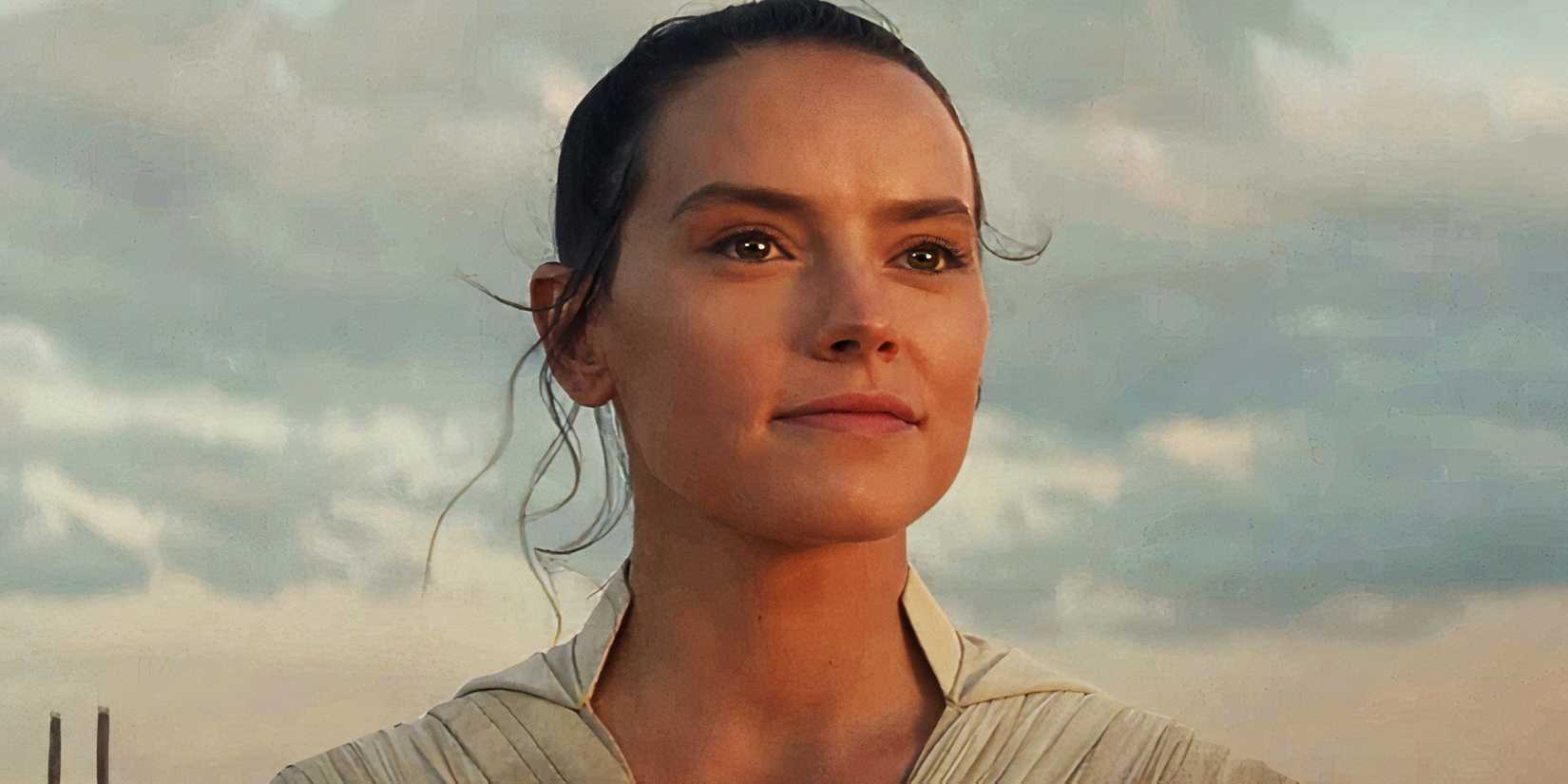
Character work was up and down in The Rise of Skywalker. On one hand, Rey and Kylo Ren were given substantial, satisfying arcs that wrapped up their journeys (or this part of their journeys, at least). However, other characters, like Finn, Poe Dameron, and Rose weren’t given much character development at all, which felt especially disappointing as the last film in the trilogy.
Regardless, Rey’s arc remains arguably the key highlight of the film. What happens to Daisy Ridley’s Jedi in The Rise of Skywalker is subject to much debate, with many disagreeing with the decision to make her related to Palpatine. However, this is just one part of Rey’s arc, and actually provided some interesting mirroring to the original trilogy.
Rey’s arc outside of Palpatine is classic Star Wars — a Jedi in training works to become a full Jedi Knight, defeating the enemy in their way and becoming the hero they were meant to be. This part of Rey’s journey in The Rise of Skywalker may not exactly be original, but it’s satisfying nonetheless, and one that parallels other Jedi, especially Luke Skywalker in the original trilogy.
That’s not the only way that Rey’s story in Episode IX compares to Luke’s. She also has a familial reveal, just as Luke did in The Empire Strikes Back, but with a twist. In the original trilogy, Luke knew that there was more to his father than the Darth Vader persona, whereas with Rey, she is resigned to the fact that her lineage will always be defined by the evil that Palpatine has committed across the galaxy.
That’s arguably the most interesting part of Rey’s arc, as she comes to terms with this. Throughout the sequels, Rey had been searching for her family, but unlike Luke, she didn’t have a happy conclusion in The Rise of Skywalker. Instead, she had to fight her family, knowing that Palpatine couldn’t be saved, which is the exact kind of space opera that George Lucas had in his first six Star Wars movies as well.
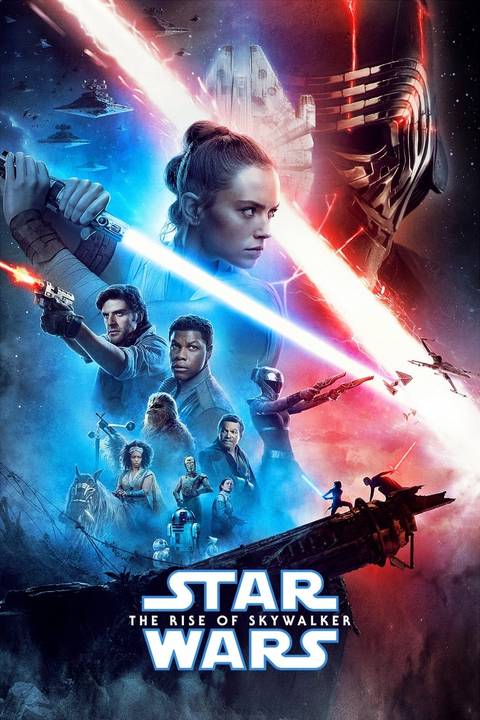
Release Date December 18, 2019
Runtime 142 minutes
Writers Chris Terrio
 English (US) ·