
 3 weeks ago
86
3 weeks ago
86
Having previously used both the Thypoch Simera 28mm f/1.4 and Simera 75mm f/1.4, I was expecting great things from the 50mm f/1.4. I’ve come to find that the Thypoch Simera series is characterized by clean, crisp optics and affordable prices. At $749, the Simera 50mm f/1.4 for M-mount is certainly far more attainable than the equivalent Leica lenses, but can it still deliver high-quality optical performance?
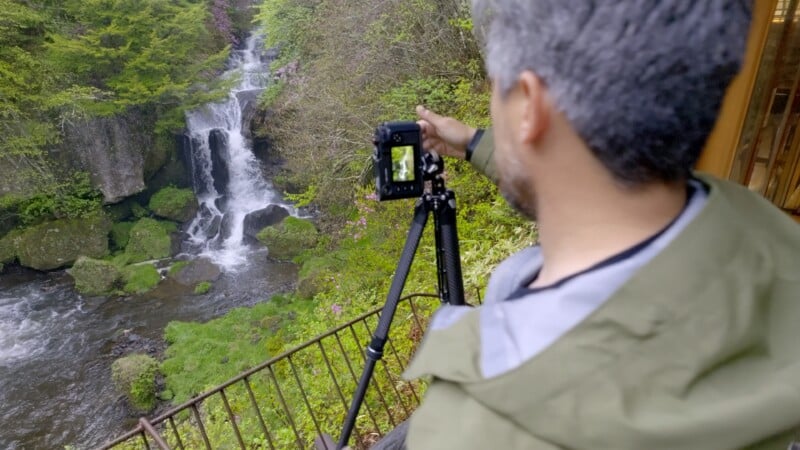 I brought the Simera 50mm lens to Japan to find my sample images.
Thypoch Simera 50mm f/1.4 Review: How It Feels
The 50mm Simera lens is made to the same standard as the other Thypoch lenses that I have tested. This is a good thing, because the machining is tight and all the rings and barrels turn with precision. The manual focusing ring is smooth, and the aperture ring has the option to de-click the action. I love the depth of field scale that Thypoch uses, and I found the overall operation of the lens to be simple and smooth. Unfortunately, though, there is no 6-bit coding to transmit EXIF data to the camera.
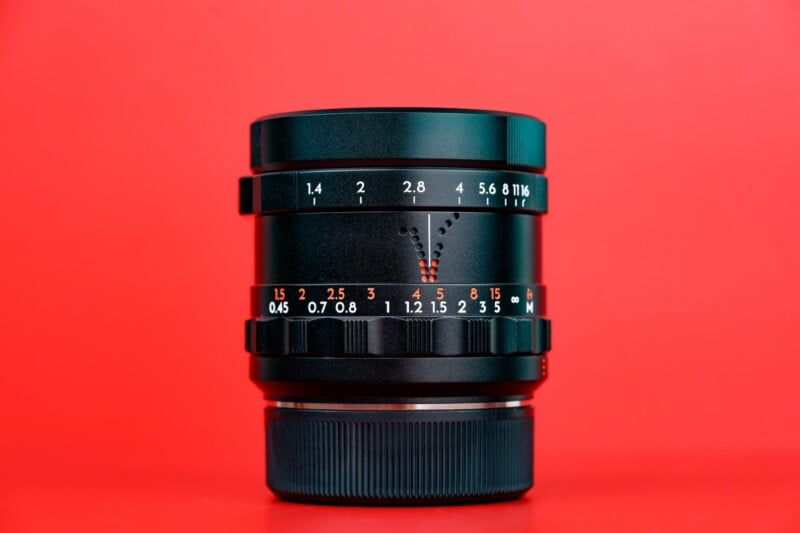 The rings and depth of field scale are all slick and functional.
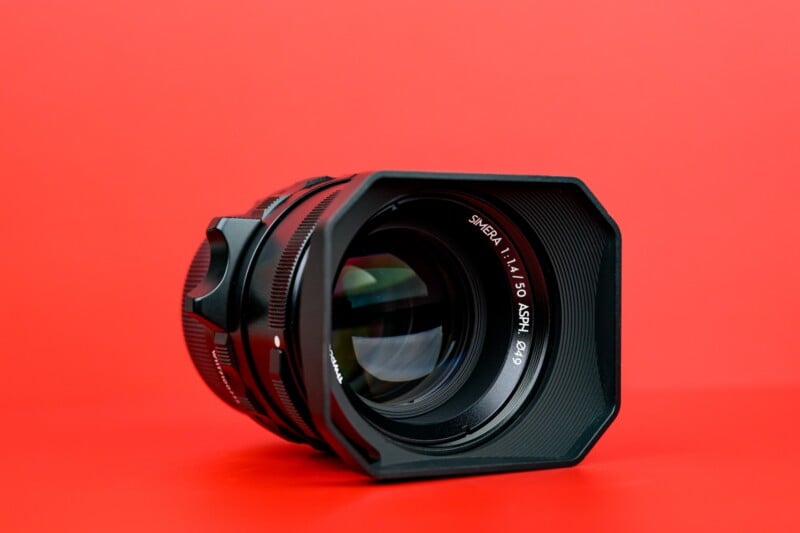 The supplied hood is nice, but it doesn’t always lock in place well.
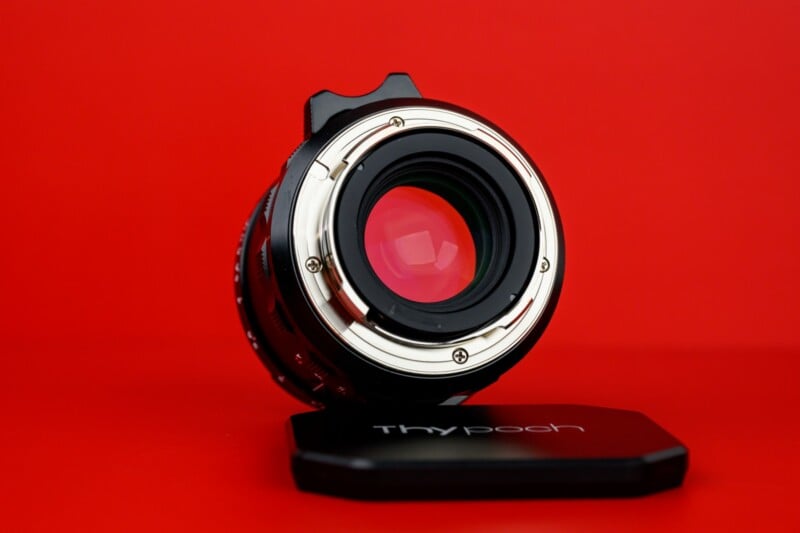 There is no EXIF data transmitted to the camera.
At the front of the lens, you will find a 49mm filter thread mount and a metal hood comes with the Simera lenses. However, the hood was a little loose-fitting on the bayonet mount, even if the machining work looks nice. This is a consistent issue we’ve noticed across the Simera series, and it remains one of the few complaints we have with them. We would like to see Thypoch adjust this so that the hoods click firmly into place and stay there.
The lens weighs about 9.8 ounces (280 grams) and balances nicely on most M-mount bodies. The size of the lens is a little on the bulky side, though, and it is noticeable in the viewfinder. The Simera 50mm features aspherical elements and incredibly round 14-bladed apertures. I also appreciate that the lens can focus closer than 0.7 meters, but it has a click-stop built into the focusing ring to remind you that the rangefinder is not going to match at close range.
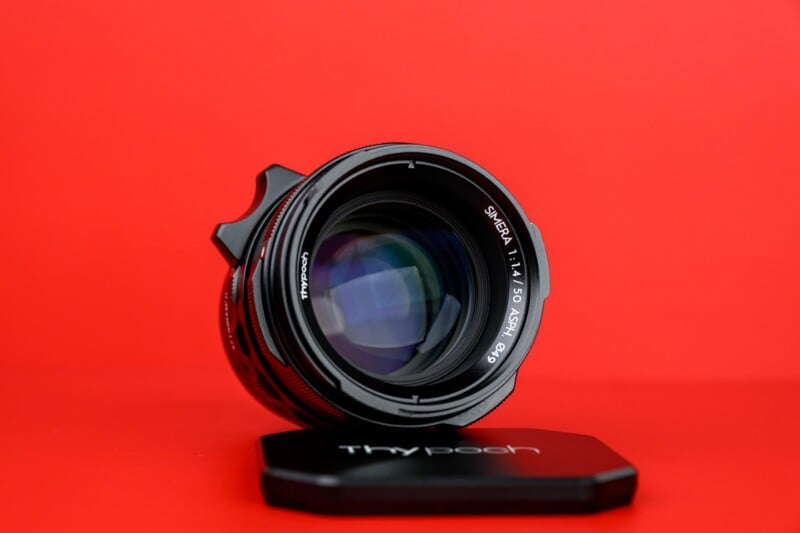 You’ll find the 49mm filter threads on the front of the lens and very round apertures.
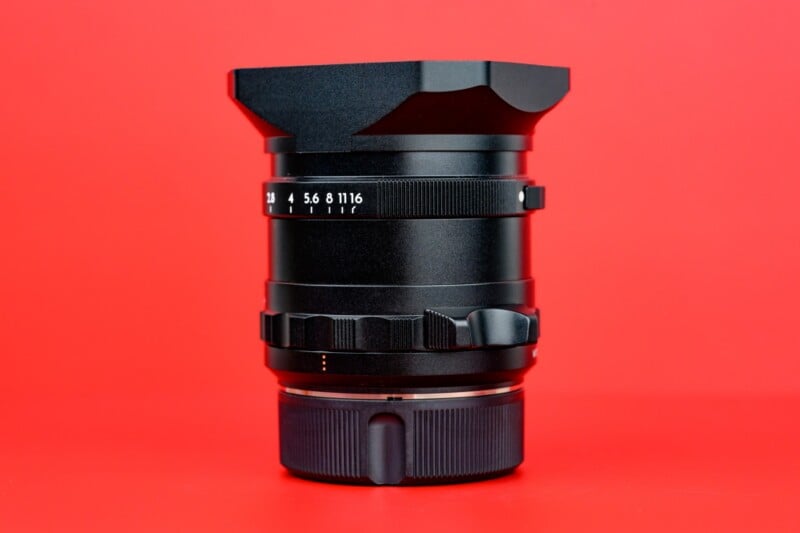 This is a great lens, but it does tend to be big and bulky.
 Thypoch have a reputation for making clean optics with good value.
Thypoch Simera 50mm f/1.4 Review: How It Shoots
The Thypoch Epoch lens coatings seem to do a great job at preventing any flare issues from degrading the image. I didn’t notice much loss of contrast when shooting towards the sun, and ghosting is almost non-existent, too. I was worried that such a fast lens might have issues with chromatic aberrations, but I didn’t notice any color fringing, and any longitudinal aberrations were incredibly minor.
 Flare was handled really well by the new Simera 50mm lens.


Bokeh on this lens is particularly clean, if not somewhat surgical-looking. There are no onion rings to report, and the specular highlights have a pleasant cat’s eye effect at wider apertures. When the aperture is closed down, highlights stay very circular in shape, and this tends to give the bokeh a very smooth and subtle look. This is the lens for you if you want soft bokeh that doesn’t draw any attention to itself. This is an easy lens to love when it comes to shallow depth of field and smooth transitions.
 The wonderful Joe Allam helped me with this bokeh test. You can see the optical vignetting and smooth look.


At f/1.4, the Simera 50mm is sharp with good detail, but the contrast is a little flat overall. Stopping the lens down quickly rectifies this, adding punchy contrast and razor-sharp results. This will tend to give images a bit of a glowing look at f/1.4 and then a clinical sharpness at any other aperture. However, corner sharpness tends to suffer regardless. At f/1.4, the corners are pretty blurry, and there is noticeable vignetting as well. A tighter aperture will help with exposure, but the corners never really fully resolve.
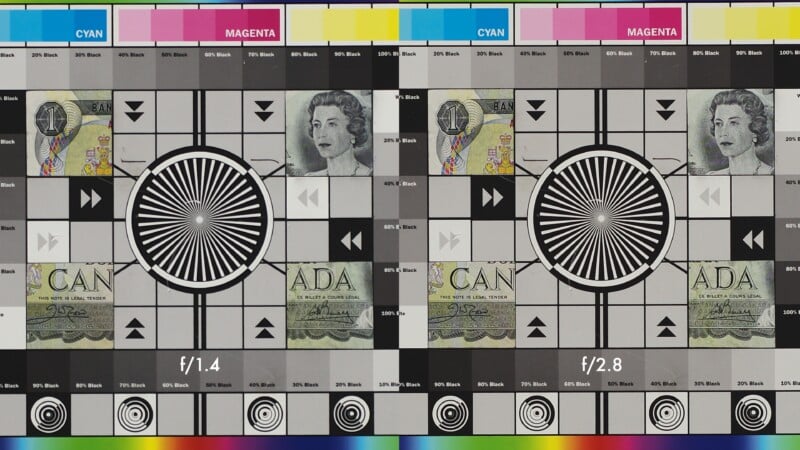 Center sharpness is good, but contrast is a little low at f/1.4.
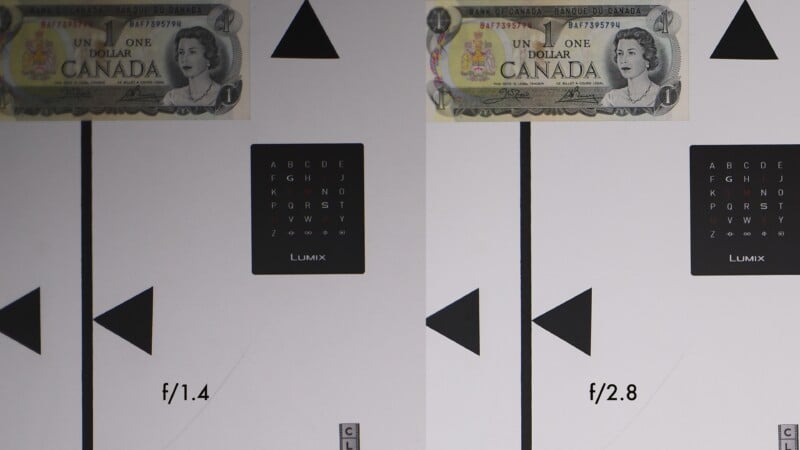 Corners never quite get good until the aperture is heavily stopped down.



Thypoch Simera 50mm f/1.4 Review: No Surprises
Thypoch Simera lenses are a pretty simple lenses to understand, and the 50mm is no exception. You get a usable f/1.4 aperture, clean bokeh, and excellent flare protection. I love the color and the predictable optical quality from this 50mm lens. For the money, you are going to get a lot of value for your $749, and your images will be contrasty and clean.
The 50mm seems to follow suit with the other Simera lenses in the line and might just be the best value for the dollar when it comes to an everyday-carry set of M-mount lenses.
 Soft results can be achieved when the fog rolls into Nikko, Japan.

Are There Alternatives?
I haven’t tested the TTArtisan M-mount lenses, but they do try to fill a similar price niche. The TTArtisan 50mm f/1.4 is an aspherical design as well, but it is heavier and with less optical refinement than the Thypoch lens. The latest Voigtlander 50mm f/1.5 Nokton II is super-compact and definitely sharp. It tends to have more character when it comes to bokeh and flare characteristics, and is a good choice if you don’t like the clean look of the Thypoch.





Should You Buy It?
Yes. The Thypoch Simera lenses are sharp, clean, and contrasty. If you are tired of the many character-rich, trendy lenses on the market, the Thypoch is perfect for you.



 English (US) ·