
Several famous DC heroes owe their origins to Superman, having debuted either in his comics or in the same series that introduced him. Superman lore is extensive and permanently growing, and it encompasses a wide range of stories, from the human drama of Clark Kent's job at the Daily Planet to Superboy's local crime-fighting in Smallville to Superman's city-leveling threats in Metropolis to both universal and multiversal events across galaxies and universes. One day Superman can be apprehending Livewire and Prankster, and the other, he can be fighting to the death with Doomsday or Brainiac.
DC's Superman lore isn't limited to Smallville, Metropolis, Krypton, and the Phantom Zone. The Man of Steel's stories are deeply intertwined with those of Batman, Wonder Woman, and dozens of other DC icons. Darkseid, Solomon Grundy, Black Adam, and Intergang are only a few of the enemies that Superman shares with other heroes. Thanks to the Absolute Universe, Ra's al Ghul has also joined Superman's rogues gallery even though he's most commonly known as a Batman foe.
The World's Finest are a launchpad for a lot of heroes and villains' popularity. Batman has paved the way for an entire squad of Gotham vigilantes and countless dangerous criminals. Meanwhile, Superman has opened the door to a variety of famous and underrated characters.
10 Agent Liberty
Superman #60 (1991)

Agent Liberty made his debut in 1991's Superman #60 as a former CIA agent who becomes a costumed vigilante. Clad in a high-tech battle suit and driven by a fierce but often misguided sense of patriotism, Benjamin Lockwood initially appeared as a Superman antagonist before realizing the corruption within his own organization. His ties to the Superman books were strong during the 1990s, where he was a recurring guest star and a member of the President's security detail during the New Krypton saga.
Although he represents a specific type of street-level political thriller that Superman stories rarely touch, Ben Lockwood is still a niche character. That said, Agent Liberty joined forces with the Justice League during Panic in the Sky, and he even played a role in War of the Supermen. While he hasn't reached the solo stardom of other anti-heroes, Agent Liberty's identity as a disillusioned soldier trying to find a moral path in a world of gods makes him a unique foil for Clark Kent’s unwavering idealism.
9 Ambush Bug
DC Comics Presents #52 (1982)

Ambush Bug was introduced in 1982's DC Comics Presents #52 as a bizarre, teleporting villain who attacks Superman and the Doom Patrol. Created by Keith Giffen, Irwin Schwab quickly transformed from a nuisance into a fourth-wall-breaking hero who realized he's a character in a comic book. Similarly to Mr. Mxyzptlk and Bat-Mite, Ambush Bug's early appearances involved annoying Clark Kent with increasingly absurd antics, often parodying the tropes of the Silver Age stories Superman appeared in.
Over time, Ambush Bug moved into his own solo specials and miniseries, where he became a vehicle for meta-commentary on the DC editorial staff. Today, Ambush Bug has almost zero meaningful interaction with Superman and his family, but he still exists in the satirical corners of the DC Universe. His true home is in the bizarre, non-linear stories where he can mock the continuity of the entire DC brand.
8 Jon Kent
Convergence: Superman #2 (2015)
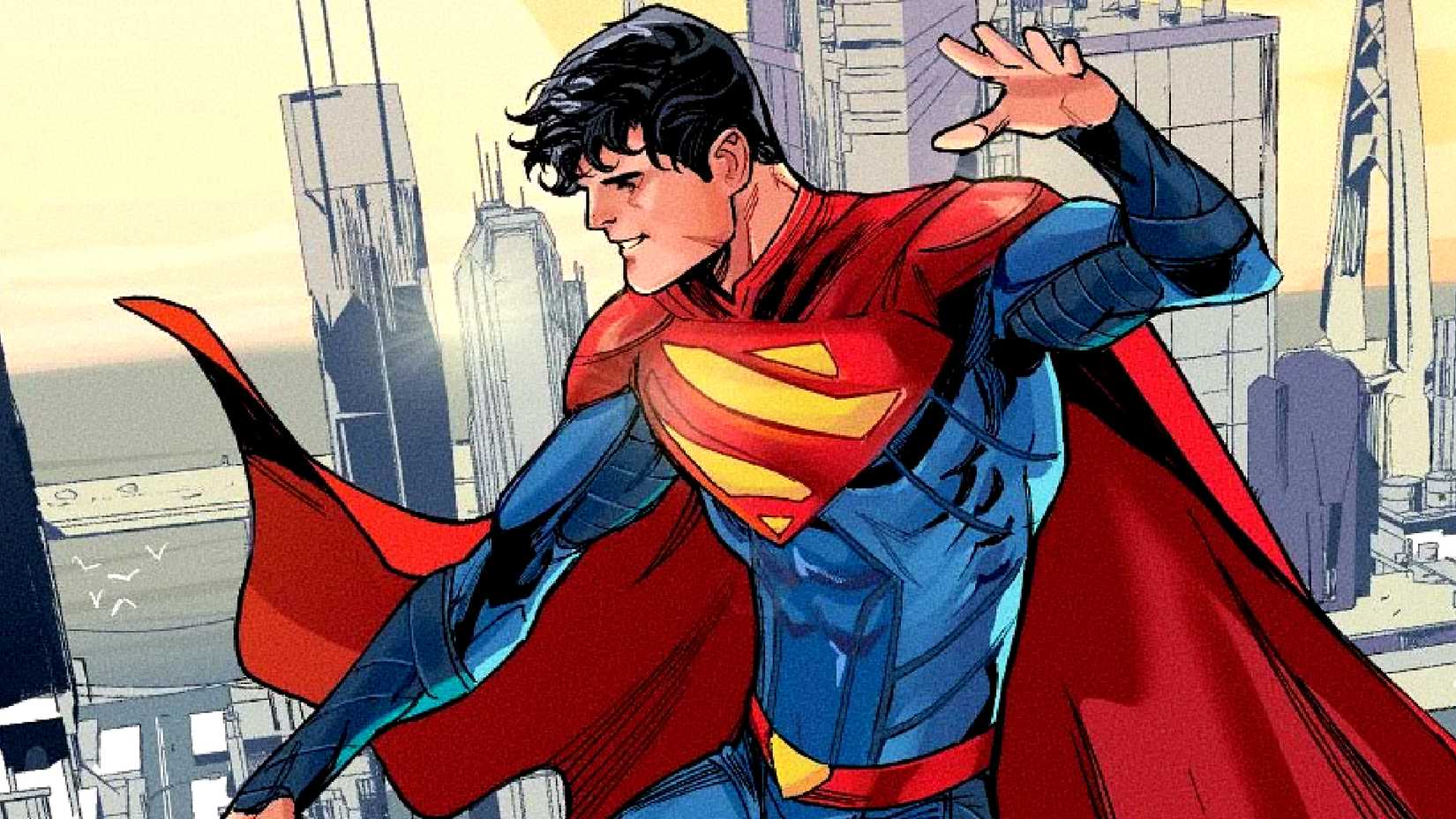
Jon Kent is one of the most significant additions to DC Comics in the past fifteen years. Introduced in 2015's Convergence: Superman #2, Clark Kent and Lois Lane's son grew up to be a central figure in Superman lore and one half of the Super Sons series alongside Damian Wayne. Jon Kent is heir to the Superman mantle, but also a hero of his own with the will to experience adventures that his father never has.
Jon has diverged from his father by embracing a more activist approach to heroism. He has teamed up with Superman in massive events like Dark Crisis and Action Comics, but he has also established his own voice as a champion for the marginalized. His coming-out as bisexual and his focus on being a Superman for everyone has turned him into a modern symbol that reflects a new generation of readers. Recently, Jon Kent has also experimented with a different superhero identity, the masked Tomorrow Man, to stand apart from Superman.
7 The Legion of Super-Heroes
Adventure Comics #247 (1958)

The Legion of Super-Heroes began as three teenagers from the 30th century who travel back in time to meet their idol, Superboy. Since their introduction in 1958's Adventure Comics #247, Saturn Girl, Cosmic Boy, and Lightning Lad created a long-running franchise that eventually expanded into a sprawling roster of heroes from different planets. The Legion admire Superman as a role model, and the young Clark Kent soon became an honorary member and spent much of his adolescence fighting alongside them in the future.
The Legion eventually diverged into a complex, politically charged space opera, almost completely independent of DC's 21st-century timeline. While Clark Kent occasionally returns to the Legion's future, like in the aftermath of DC K.O., the team has built a mythos involving the United Planets far away from current events. The Legion of Superheroes has been rebooted several times, but they always maintain their lighthearted tone and their roots as Superman fans.
6 Vigilante
The New Teen Titans #23 (1982)

Greg Saunders, DC's original Vigilante, is a Western-themed hero who first appeared in the pages of 1941's Action Comics #42. Despite being nothing more than a very skilled hat-wearing, lasso-wielding Old West gunman, Greg Saunders crossed paths with DC titans such as Green Arrow, Black Canary, Jimmy Olsen, and Superman, and he even met and assisted the Justice League at one point. His successor, Adrian Chase, was introduced in 1982's The New Teen Titans #23.
Adrian Chase built an anti-hero career in his own self-titled series, famous for its uncompromising look at the psychological toll of vigilante justice. Chase rarely crosses paths with Superman because his methods are diametrically opposed to everything the Man of Steel represents. However, DC's modern Vigilante has reached heights his predecessor never did, as he has met even bigger names from the Justice League, the Teen Titans, and other A-list teams.
5 Steel
Adventures of Superman #500 (1993)
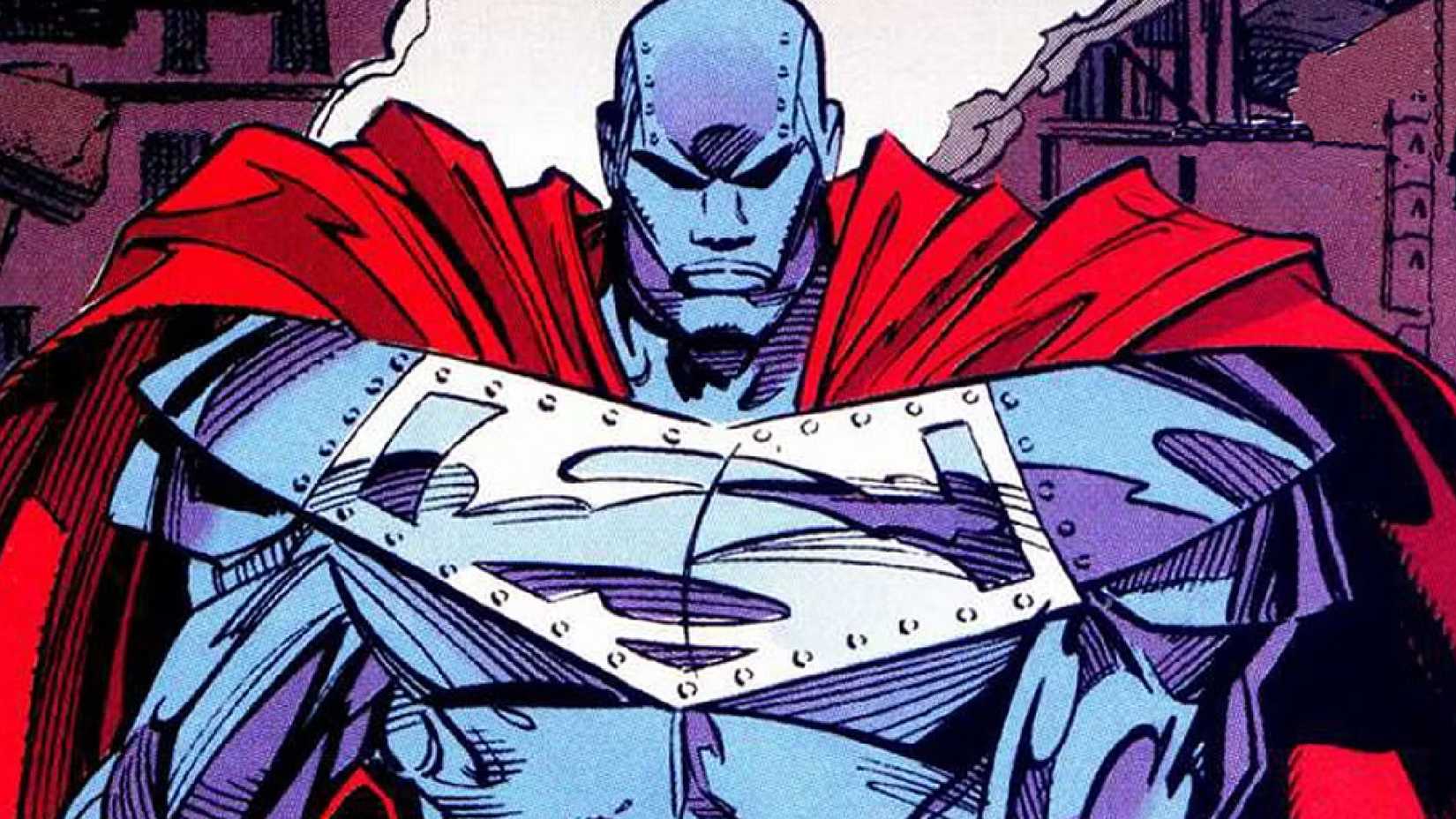
John Henry Irons emerged in 1993's Adventures of Superman #500 during Reign of the Supermen following Clark Kent's death. A brilliant weapons engineer who quit the industry after his designs were misused, Irons initially sought to fill the void left by the fallen icon, wearing a suit of high-tech armor and wielding a massive hammer. Unlike the other replacement Supermen, Steel never claimed to be the real deal. He simply wanted to uphold the values of the hero who saved him.
Steel has since moved to Metropolis's Suicide Slum and eventually his own city. John Henry Irons lacks biological powers and relies entirely on his intellect and his inventions. While he remains a loyal ally to the Superman family and frequently appears in crossovers, Steel's solo adventures often focus on local community issues and the ethics of high-tech warfare. His niece, Natasha Irons, eventually took up the Steel mantle.
4 Power Girl
All-Star Comics #58 (1976)

Power Girl made her debut in 1976's All-Star Comics #58 as the Earth-Two counterpart to Supergirl. While she shares the same Kryptonian origin, her life on a different version of Earth led to a more assertive, aggressive, and mature personality. Initially, Power Girl's ties to Superman were vague, but after the Multiverse collapsed during Crisis on Infinite Earths and she had to find her place in a different world, Power Girl grew closer to the Superman family.
Power Girl eventually reclaimed her Earth-Two heritage and became a cornerstone of the Justice Society of America, but she still refuses to be defined by her male peers or her more famous cousin. Power Girl's solo series, particularly the run by Justin Gray and Jimmy Palmiotti, emphasize her wit and independent spirit. While she occasionally assists the Superman family during multiversal crises, Power Girl is fundamentally a JSA hero who leads her own life far away from the Daily Planet.
3 Vixen
Action Comics #521 (1981)

Vixen’s journey in the DC Universe began in 1981's Action Comics #521, where she first crossed paths with Superman while hunting poachers. Mari Jiwe McCabe's debut alongside the Man of Steel established her as a capable, sophisticated hero who could stand toe-to-toe with the world’s greatest icons despite being a newcomer to the scene. Vixen has since become a staple of the Justice League and built her own legacy as a businesswoman, activist, and protector of the natural world.
 Related
10 Near-Perfect Character Designs That DC Somehow Made Even Better
Some of DC Comics' best-ever hero and villain designs only achieved legendary status after a few subtle but genius tweaks and improvements.
Vixen's most famous solo stories, like Vixen: Return of the Lion, explore her African roots and the mystical nature of her powers. While she is a frequent ally in global crossovers like Justice League International, Vixen quickly abandoned her nature as a Superman character, having earned her place as an A-list hero in her own right. Franchises like the DCAU, Injustice, and the Arrowverse have given Vixen the spotlight in recent years.
2 Zatanna
Zatara: Action Comics #1 (1938); Zatanna: Hawkman #4 (1964)
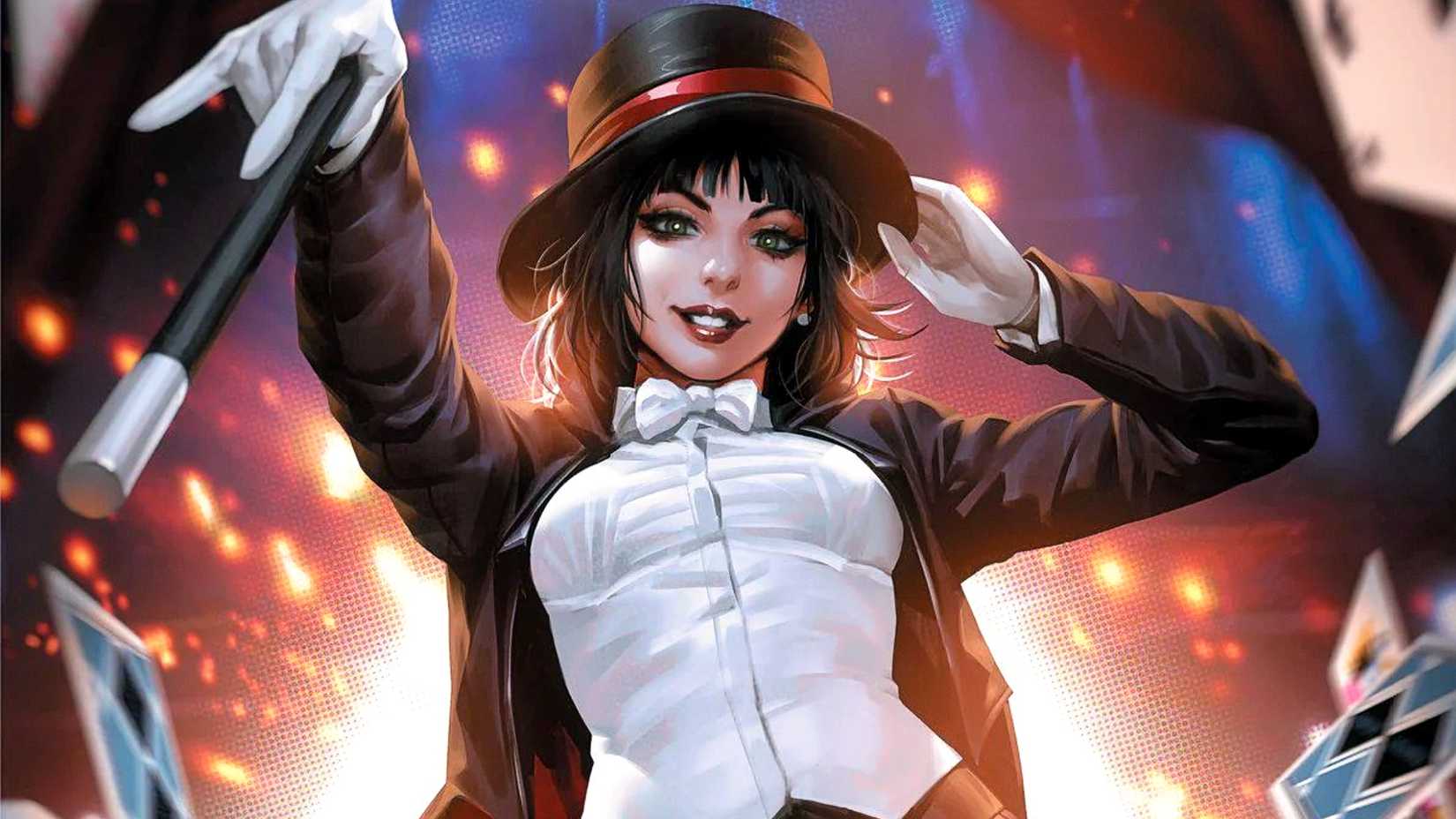
Zatanna’s father, John Zatara, shares the honor of being one of DC Comics' oldest icons, having appeared in the very first issue of Action Comics alongside Superman. Twenty-six years later, Zatanna herself debuted in Hawkman #4. Her quest to find her missing father eventually brought her into contact with Superman and the Justice League, linking her legacy to the very beginning of DC. As a stage magician who uses actual backwards-spoken magic, Zatanna provides a mystical contrast to the science-fiction nature of the Superman mythos.
Zatanna has diverged from her Golden Age roots to become the magical authority of the DC Universe, often co-leading the Justice League Dark with John Constantine. Zatanna has teamed up with other Justice League characters in numerous stories, most notably when their vulnerability to magic makes her an essential ally. Recently, the Absolute Universe has linked its version of Zatanna to Wonder Woman, with Absolute Zatanna starting out as a full-fledged antagonist before she becomes Diana of Themyscira's anti-hero ally.
1 Supergirl
Action Comics #252 (1959)

Kara Zor-El arrived on Earth as a teenager, having survived the destruction of Krypton in the drifting remains of Argo City. Originally under Superman's strict supervision, Supergirl fought to step into the sunlight as a fully realized hero. Kara is drastically different from her Earth-raised cousin given her childhood in a strange land and her memories of Krypton, which motivates her to seek her own adventures on Earth.
While she frequently teams up with Kal-El, Supergirl has spent decades carving out her own superhero career, notably in her time with the Legion of Super-Heroes and her leadership during Infinite Crisis. Supergirl's most famous solo saga, Supergirl: Woman of Tomorrow, showcases her cosmic scale and her rugged determination, which separate her from Superman’s more optimistic, Earth-centric focus.
Who's your favorite DC character introduced in a Superman comic?
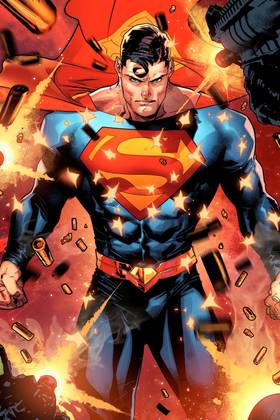
Created By Joe Shuster, Jerry Siegel
First Appearance Action Comics
Alias Kal-El, Clark Kent, Jonathan Kent
Alliance Justice League, Superman Family
Race Kryptonian
Franchise D.C.





 English (US) ·