
 Image via CBS

Published May 23, 2026, 5:41 PM EDT
Diego Pineda has been a devout storyteller his whole life. He has self-published a fantasy novel and a book of short stories, and is actively working on publishing his second novel.
A lifelong fan of watching movies and talking about them endlessly, he writes reviews and analyses on his Instagram page dedicated to cinema, and occasionally on his blog. His favorite filmmakers are Andrei Tarkovsky and Charlie Chaplin. He loves modern Mexican cinema and thinks it's tragically underappreciated.
Other interests of Diego's include reading, gaming, roller coasters, writing reviews on his Letterboxd account (username: DPP_reviews), and going down rabbit holes of whatever topic he's interested in at any given point.
Sign in to your Collider account
The science fiction genre is one that lends itself perfectly to producing highly binge-worthy television. After all, what is it that makes a show bingeable? Serialized stories full of gripping mysteries and engaging plot lines, character arcs that are irresistibly compelling, and creativity so enrapturing that it makes clicking on the "next episode" button a necessity more so than a simple temptation.
Binge-watching television is a modern phenomenon of the streaming era, so it's mostly newer sci-fi shows that are highly bingeable. But there are also plenty of classic sci-fi shows that seem prophetic in how they seemed to understand how audiences would consume television in the future, ticking every box that makes a show binge-worthy in the modern day. If we define "classic" as any series from the 20th century, that leaves us with 10 series that should all be considered essential viewing for fans of the genre.
10 'The Twilight Zone' (1959–1964)
 Image via CBS
It's true that an element of serialization is almost a necessity for a show to be binge-worthy, but the keyword here happens to be "almost." The proof? The Twilight Zone, far and away one of the best American sci-fi shows of all time—and most definitely the most influential one. The thing about this classic is that it's perhaps the most perfect use of the anthology format in television history.
As such, though there are definitely a few underwhelming episodes here, The Twilight Zone mostly delivers across the board. Its many distinct stories are so creative, so freshly original, and so delectably nostalgic that, even if there's no serialization to keep viewers clicking on "next episode," the episodes themselves are so strong in their own right that it's impossible to stop moving on to the next one.
9 'Batman: The Animated Series' (1992–1995)
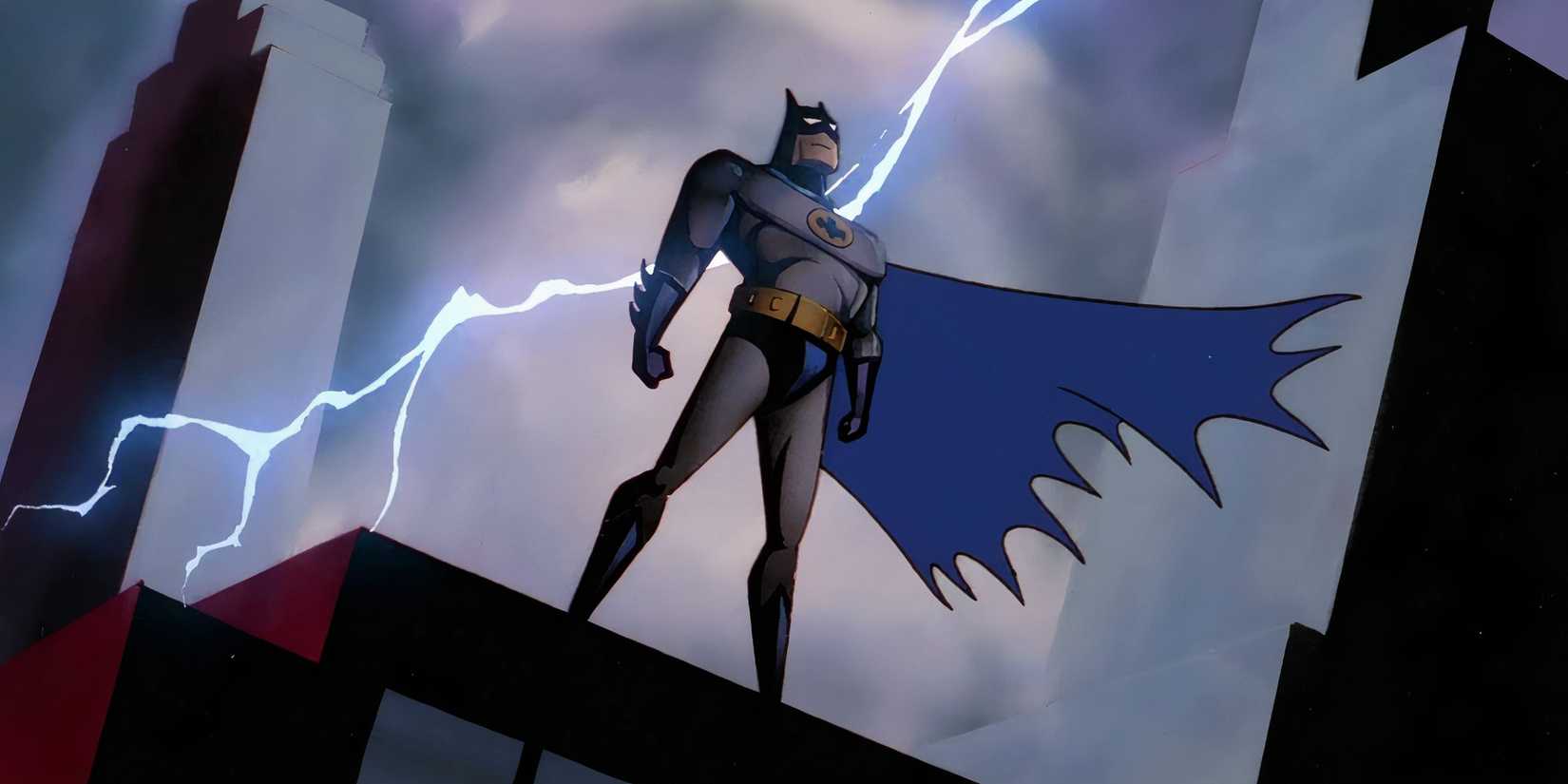 Image via Warner Bros. Animation
Whether superhero shows like Batman: The Animated Series should or shouldn't be considered science fiction is a topic for debate, but what's undeniable is that this is one of the best cartoons of the '90s. It's the definitive small-screen portrayal of the Caped Crusader (voiced by the legendary Kevin Conroy), a show that should prove irresistible even for those who hold no nostalgic feelings toward it.
This is another instance of a heavily episodic series that's nevertheless borderline impossible to stop watching, particularly for those who already find the Dark Knight to be one of the most interesting superheroes in history. Everything about Batman: The Animated Series is so well-realized; its adaptations of and additions to the Batman lore are all so gripping; and its animation has aged so well that it's abundantly easy to consume the whole thing in less than a month.
8 'Stargate SG-1' (1997–2007)
 Image via MGM
The Stargate franchise was born from Roland Emmerich's 1994 blockbuster classic, and from there, we got one of the best military sci-fi franchises in the genre's history. There's really not much of a question regarding what the best or most popular installment in the whole franchise is: That honor would have to go to Stargate SG-1, which started out as more of a low-key niche product in the '90s, but transformed into a pop-cultural sensation after it moved from Showtime to The Sci Fi Channel in 2002.
The '90s were perhaps the best-ever decade for sci-fi television, and few shows demonstrate that better than Stargate SG-1. With an exceptional ensemble cast that oozes chemistry and a fascinating world that never got dull throughout the show's run, the show is a brilliant blend of episodic "world-of-the-week" elements and an overarching serialized narrative that grows in importance as the show goes on. With over 200 episodes, it's definitely not a show one can binge-watch in a single week, but that doesn't make it any less addictive.
7 'Cowboy Bebop' (1998–1999)
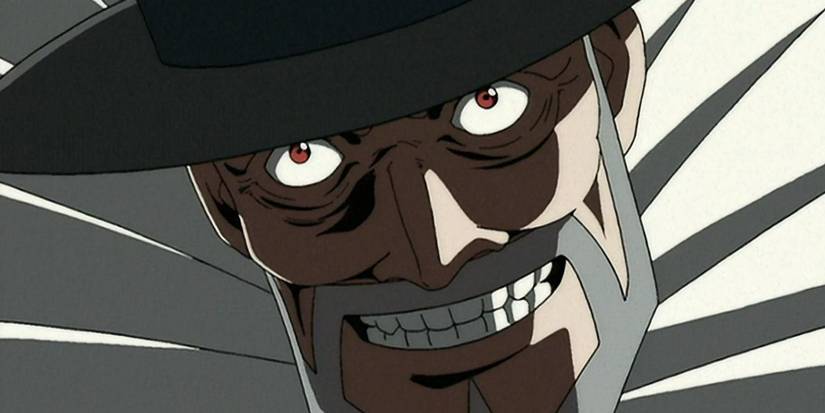 Image via Sunrise
Cowboy Bebop is perhaps the most iconic and acclaimed sci-fi anime series in history, one of the shows that helped popularize anime among Western audiences in the late '90s and early 2000s. Twenty-seven years after its conclusion, it's still one of the best TV show masterpieces of the last 30 years, a neo-noir space Western that works wonderfully in virtually every way that matters.
Genre-bending, visually delectable, and flawlessly paced, it's a show that pretends to be episodic, but it also features a strong, slow-burning serialized story and a sense of aesthetic continuity that you can't get in any other show. The story's paced like a good tune (paired with some phenomenal music), and the character-driven story is a blast from start to finish, making Cowboy Bebop's 26 episodes abundantly easy to get through.
6 'Star Trek: Deep Space Nine' (1993–1999)
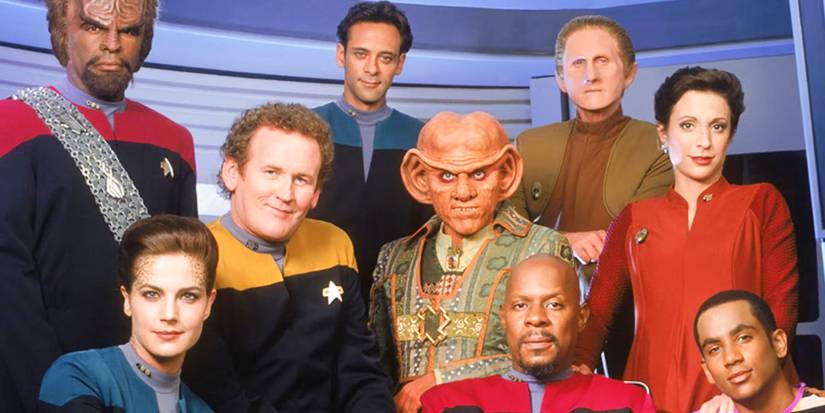 Image via Paramount Television
You'd be hard-pressed to find a Star Trek fan who thinks that Deep Space Nine is the franchise's best show ever, but is it the most bingeable of the bunch? It most definitely is. By this point in the life of Gene Roddenberry's franchise, some kind of refreshing was needed, and a refreshing is precisely what Deep Space Nine provided by introducing complete serialization to the Star Trek television universe.
Complete with a fantastic cast, top-tier production values, and the best villain that Star Trek has ever shown on the small screen, Deep Space Nine is the kind of binge-worthy sci-fi show that gets better every season. It's not perfect, particularly since there are some elements of filler that definitely haven't aged the best, but for the most part, this is a criminally underappreciated chapter of Star Trek's history.
Collider Exclusive · Sci-Fi Personality Quiz Which Sci-Fi Hero Are You Most Like? Paul Atreides · Captain Kirk · Princess Leia · Ellen Ripley · Max Rockatansky
Five iconic heroes. Five completely different ways of facing an impossible universe. One of them shares your instincts, your values, and your particular way of refusing to back down. Eight questions will tell you which one.
🏜️Paul Atreides
🖖Capt. Kirk
✊Princess Leia
🔦Ellen Ripley
🔥Max Rockatansky
FIND YOUR HERO →
01
How do you lead when the stakes couldn't be higher? The way you lead under pressure is the most honest thing about you.
AI absorb everything — every variable, every pattern — and move only when I know the path forward. BI read the room, make the call, and own the consequences. Hesitation costs more than mistakes. CI rally people. A cause needs a voice, and I refuse to let fear be louder than conviction. DI assess the threat, establish what needs doing, and get it done without waiting for permission. EI don't lead. I act. Others can follow or not — I'm already moving.
NEXT QUESTION →
02
What is your greatest strength in a crisis? The quality that keeps you alive when everything else fails.
APrescience — the ability to see further ahead than anyone else and plan accordingly. BImprovisation — I'm at my best when the plan falls apart and I have to invent a new one. CConviction — I know what I'm fighting for, and that certainty doesn't waver under fire. DComposure — I stay functional when everyone around me is falling apart. Panic is a luxury. EEndurance — I outlast things. I take the hit and keep moving long after others have stopped.
NEXT QUESTION →
03
What is the thing you'd sacrifice everything else for? Your deepest motivation is your truest compass.
AThe survival and dignity of my people — even if I have to become something frightening to ensure it. BThe safety of my crew — every single one of them. No one gets left behind. CFreedom — for my people, for every world still crushed under the weight of an empire. DThe truth — what actually happened, what's actually out there, whether anyone believes me or not. EThe one person — or the one memory — that still makes any of this worth surviving for.
NEXT QUESTION →
04
How do you relate to the people around you? Who you are to others under pressure is who you really are.
AWith intensity and distance — I care deeply, but the weight I carry makes closeness complicated. BWith warmth and irreverence — I take the mission seriously, not myself. CWith directness and trust — I say what I mean, and I expect the people I work with to rise to it. DWith professional care but clear limits — I'll protect you, but I won't pretend we're family. EWith wariness that slowly becomes loyalty — I don't trust easily, but when I do, it holds.
NEXT QUESTION →
05
You're facing a threat that no one else believes is real. What do you do? How you respond when you're the only one who sees it defines everything.
APrepare in silence. If they won't listen, I'll be ready when they finally have to. BKeep pushing until someone listens — and if no one does, handle it myself. CBuild the case, find the allies, and make the threat impossible to ignore. DDocument everything. The truth matters even if no one believes it yet. EStop trying to convince anyone. Survive it. That's the only argument that counts.
NEXT QUESTION →
06
What has your heroism cost you personally? Every hero pays. The question is what — and whether they'd pay it again.
AMy innocence — I've seen what I'm capable of, and I can't unsee it. BPeople I loved — the command chair has a view, but it's a lonely one. CA normal life — I gave up everything ordinary the moment I chose the cause. DMy sense of safety — I know exactly what's out there now, and I can't pretend otherwise. EAlmost everything — and I'm still not sure what I'm carrying it all for. But I keep going.
NEXT QUESTION →
07
How do you feel about the rules of the world you're in? Every hero has a relationship with the system. What's yours?
AI understand them deeply — and I know exactly which ones must be broken, and why. BI respect the spirit of them and bend the letter when the situation demands it. CThe system is the problem. I'm not here to work within it — I'm here to dismantle it. DI follow protocol until protocol stops being useful. Then I make the call myself. EThe rules collapsed a long time ago. What's left is instinct, and mine are reliable.
NEXT QUESTION →
08
When everything is on the line, what keeps you going? The answer is the most honest thing about you.
ADestiny — or something that feels so much like it that the difference no longer matters. BThe people on my ship — their faces, their trust, the fact that they're counting on me. CThe belief that what we're fighting for is worth every sacrifice, including this one. DSheer refusal to let it win — whatever it is. I don't stop. That's just who I am. EI'm not sure anymore. But the road is still there, and I'm still on it.
REVEAL MY HERO →
Your Hero Has Been Identified Your Sci-Fi Hero Is…
Your answers point to the iconic sci-fi hero who shares your instincts, your values, and your particular way of facing the impossible.
Paul Atreides
You carry a weight most people would crumble under — the knowledge of what you're capable of, and the burden of what you might have to become.
- You see further ahead than others and you plan accordingly, even when the vision frightens you.
- You are driven by loyalty to your people and a sense of destiny you didn't ask for but can't escape.
- Paul Atreides is not simply a hero — he is someone who understands the cost of power and chooses to bear it anyway.
- That gravity, that willingness to carry what others won't, is exactly you.
Captain Kirk
You lead with instinct, warmth, and an absolute refusal to accept a no-win scenario — because you've always believed there's a third option nobody else has thought of yet.
- You take the mission seriously without ever taking yourself too seriously.
- Your crew would follow you anywhere, not because you demand it, but because you've earned it.
- Kirk's genius isn't tactical — it's human. He reads people, bends rules with purpose, and wills outcomes into existence through sheer conviction.
- That combination of warmth, audacity, and relentless optimism is unmistakably yours.
Princess Leia
You are the kind of person who holds the line when everyone else is losing faith — not because you're fearless, but because giving up simply isn't something you're capable of.
- You lead through conviction. Your voice carries because your belief is unshakeable.
- You gave up everything ordinary the moment you chose the cause, and you've never looked back.
- Leia is not a supporting character in her own story — she is the moral centre of the entire rebellion.
- That same fierce, principled, unbreakable core is what defines you.
Ellen Ripley
You are not reckless, not grandiose, and not particularly interested in being anyone's hero — you just refuse to stop when it matters.
- You see threats clearly, you document the truth even when no one listens, and when the time comes you handle it yourself.
- Ripley's heroism is earned, not performed. She doesn't have a speech — she has a flamethrower and a plan.
- You share her composure under the worst possible pressure, and her refusal to pretend the monster isn't there.
- When it counts, you don't flinch. That's everything.
Max Rockatansky
You have been through fire that would break most people — and what came out the other side is something the world underestimates at its peril.
- You don't ask for help, don't need validation, and don't wait for anyone to tell you the rules no longer apply.
- Your loyalty, when it finally arrives, is absolute — but it's earned in silence and tested in action, not in words.
- Max is not a nihilist. He is someone who lost everything and found, against his will, that he still has something worth protecting.
- That bruised, stubborn, ultimately human core is exactly yours.
↻ RETAKE THE QUIZ
5 'Farscape' (1999–2003)
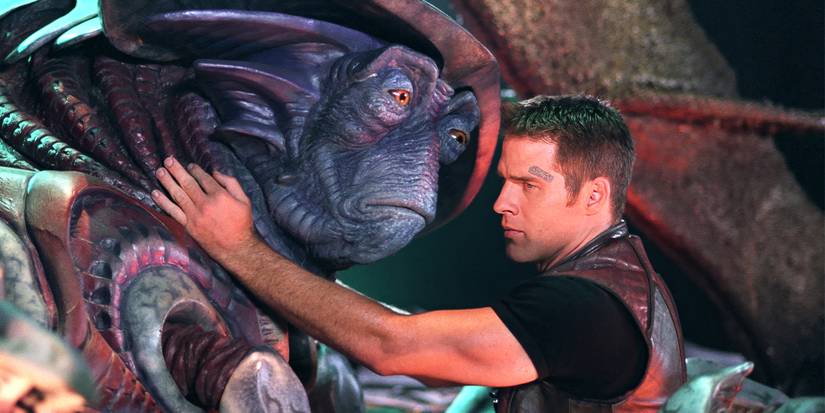 Image via Sci-Fi Channel
The worst thing about Farscape is the fact that it ends. Produced by The Jim Henson Company, this is one of the most groundbreaking sci-fi shows in history, a perfectly written and visually delightful cult classic that has aged like fine wine in virtually every way. If only for its revolutionary work with make-up, prosthetics, and animatronic puppets, it makes it impossible to watch only one episode at a time.
But its visuals aren't the only thing that Farscape has going for it, which only makes it more addictive. Blending quirky goofiness and camp with seriously dramatic character-driven drama and high-stakes stories, this is one of the most perfect space operas that the small screen has ever seen. Its breaking of genre molds and clever mixture of serialization and episodic elements make it a must-see for people who love sci-fi television.
4 'Legend of the Galactic Heroes' (1988–1997)
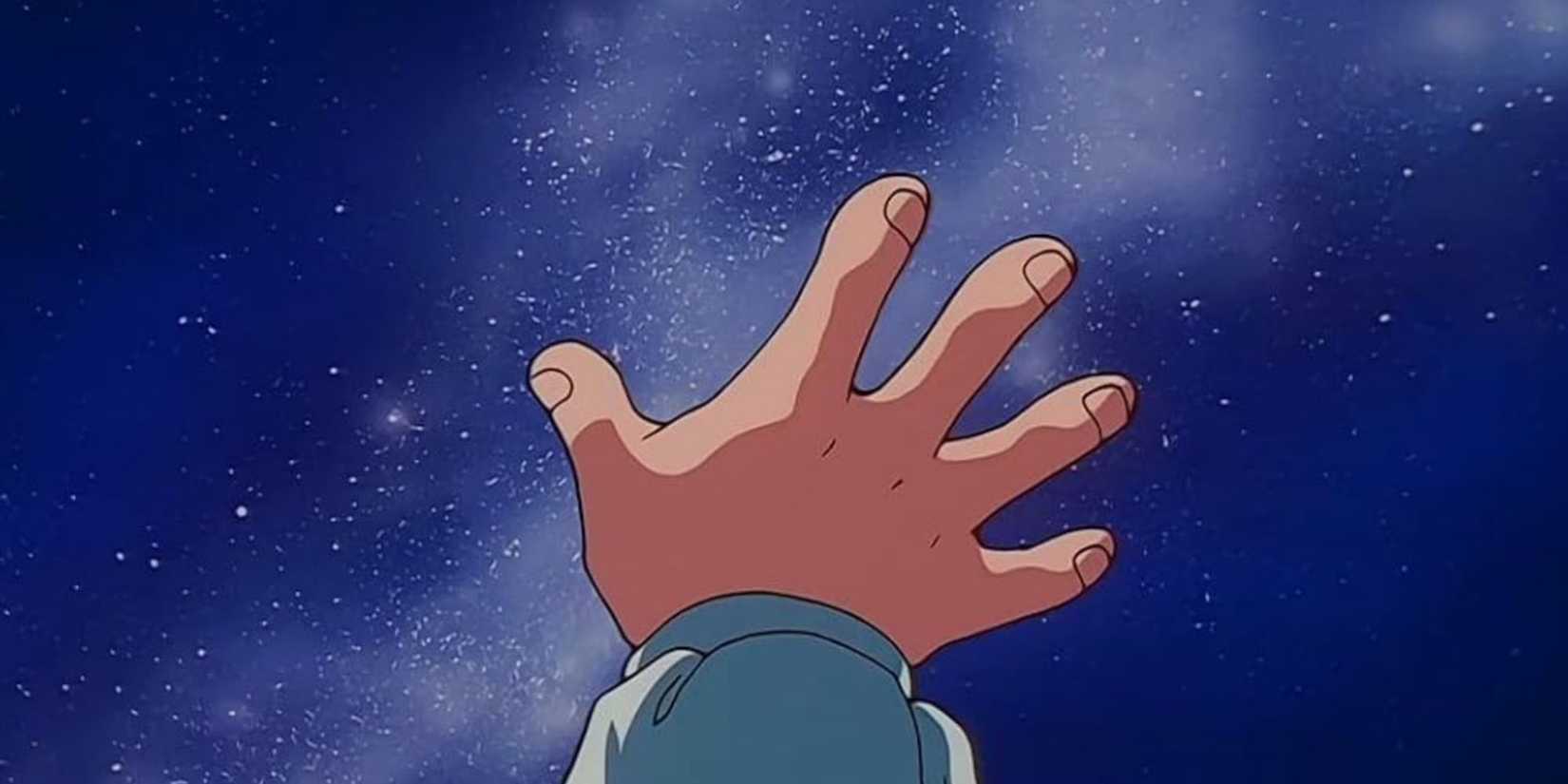 Image via K-Factory
Legend of the Galactic Heroes is one of the most iconic anime series of the 20th century, one of those sci-fi anime shows that can be considered masterpieces. It's the second and longest-running animated adaptation of Yoshiki Tanaka's series of epic sci-fi novels, and watching the show itself feels like watching a fascinating science fiction book come to life.
Politically and philosophically complex in its thematic work, sprawling in its world-building, and absolutely gorgeous in its cutting-edge animation—which has aged perfectly—, it's a phenomenal show that even those who don't typically love anime should consider checking out. It's television at its most episodic, an airtight story where every moment of every episode starts building up a sense of momentum that leads all the way to an enthralling conclusion.
3 'Future Boy Conan' (1978)
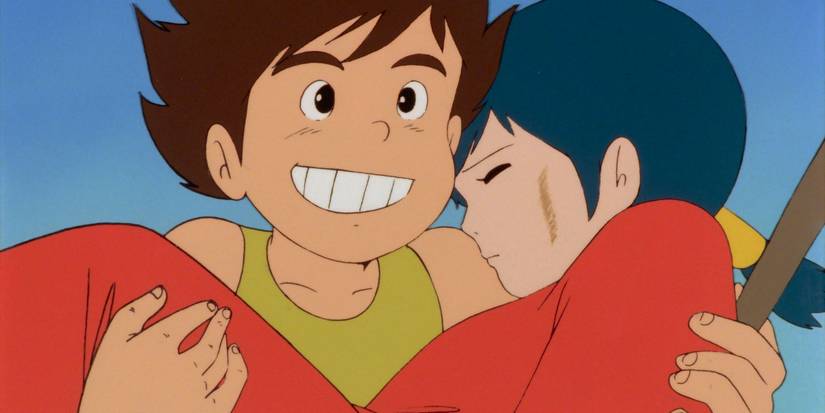 Image via Nippon Animation
Future Boy Conan is one of the best animated shows you've probably never heard of—and it's a borderline crime that so few people have ever heard of it, because it was actually the first time that Hayao Miyazaki oversaw an entire TV series as director. As such, many people consider it the legendary Studio Ghibli filmmaker's directorial debut.
You can see every signature here that would turn Miyazaki into a legend soon enough: ahead-of-its-time animation, a delightful sense of humor, a thrilling plot full of memorable characters, exceptional music, and surprisingly mature themes. With there only being 26 episodes, there's no excuse for fans of Miyazaki and anime in general not to watch what's easily one of the greatest animated shows of the 20th century.
2 'Babylon 5' (1994–1998)
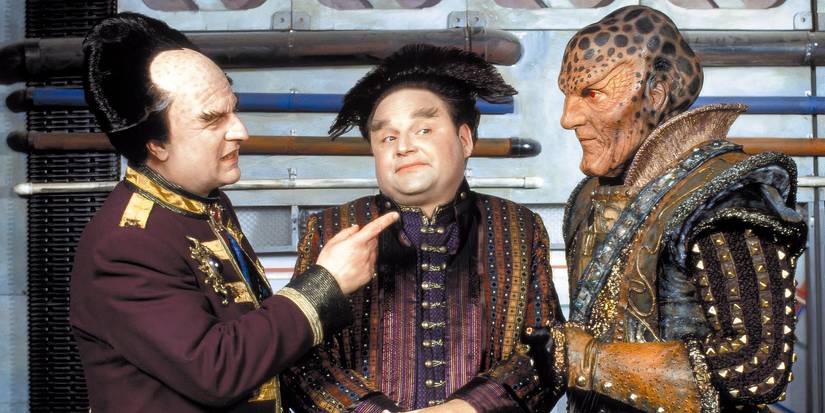 Image via TNT
Babylon 5 revolutionized American science fiction television. In fact, it was a landmark in the history of American television in general. Very unusually for American broadcast television at the time, this cult classic was devised as a sort of novel for television, where each season would serve as a different chapter of a pre-planned five-season story arc. For such an ambitious premise, it's surprising that Babylon 5 turned out as well as it did.
It's one of the most exciting sci-fi shows to binge-watch, if only because it's a delight to watch how this group of creatives in the mid- and late '90s set a new gold standard for sci-fi television going forward. Babylon 5's serialization still works flawlessly all these many years later, and though some elements of the show do feel pretty dated by modern standards, those elements only add to its nostalgic charm.
1 'The Prisoner' (1967–1968)
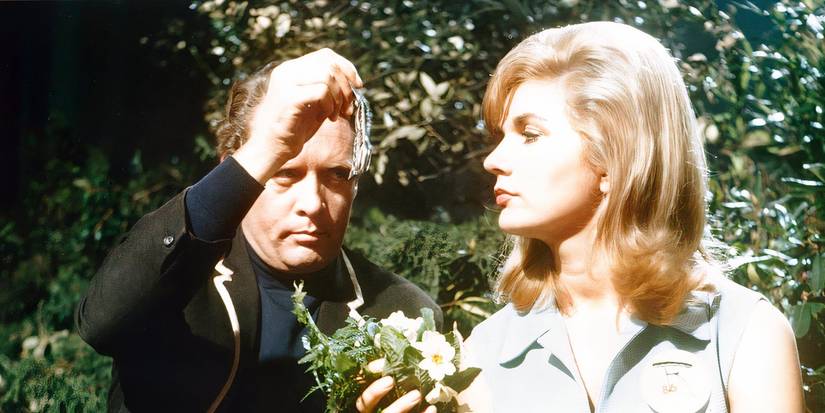 Image via Channel 3
The British show The Prisoner is one of the best forgotten shows of the 1960s, a surreal gem with elements of spy fiction and psychological drama. It's a mind-bending trip that was far ahead of its time, and is even more engrossing to watch today than it was back in the late '60s. Complex, Kafkaesque, and thematically powerful, it's a powerful reflection of the mentality generated by the countercultural movements of its era.
The Prisoner is definitely not for those who prefer their sci-fi to be straightforward, since its escalating sense of weirdness and mystery only keeps getting less and less apologetic about its surrealism as its 17-episode single season progresses. But for people who tend to be pulled into sci-fi shows by their philosophical hooks, The Prisoner should prove to be an absolute blast.
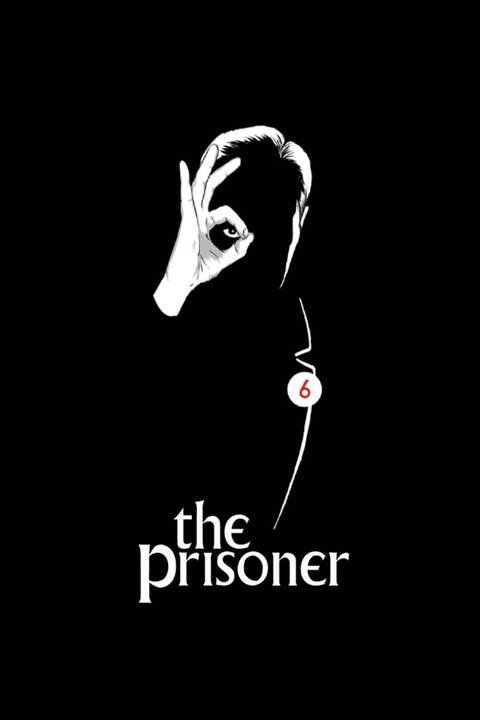
The Prisoner
Release Date 1967 - 1968-00-00
Network ITV1
Directors Don Chaffey, Pat Jackson, Peter Graham Scott
Writers George Markstein, Anthony Skene, Terence Feely, Vincent Tilsley, Ian Rakoff
-

-
Arthur Gross
Control Room Operator
-
Barbara Yu Ling
Taxi driver
-
Bartlett Mullins
Committee Chairman





 English (US) ·