
 7 hours ago
5
7 hours ago
5
Zeiss is nothing if not consistent. The Otus ML lenses bearing the illustrious blue Zeiss badge have always unapologetically strived to make optical lenses the old-fashioned way.
This is to say that Zeiss eschews relying on digital corrections of issues like distortion and vignetting, something which almost every modern lens manufacturer now relies on. The latest $2,299 Otus ML 35mm f/1.4 is a perfect example of this mindset.
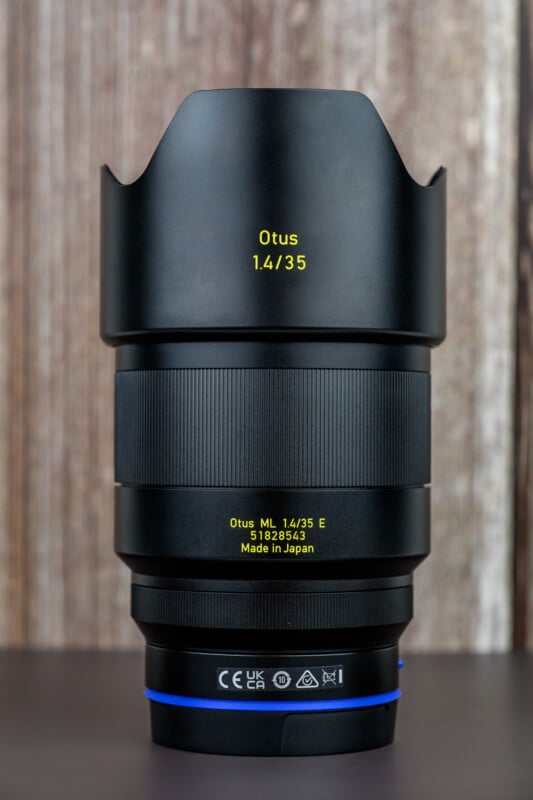 The new Zeiss Otus 35mm f/1.4 lens is out, but it’s also a big lens with a big price tag.
Zeiss Otus ML 35mm f/1.4 Review: How It Feels
Make no mistake, though, because these lenses are modern mirrorless designs available in Sony E-mount, Canon RF-mount, and Nikon Z-mount. They are built to a very solid and exacting standard with perfectly-tuned manual focus helicoids and aperture rings.
The metal construction feels premium, but it does add some weight, making the 35mm f/1.4 tip the scales at around 24.7 ounces (700 grams). The heavier weight does stem from the larger glass elements, and the lens diameter requires 67mm filters. There are no customizable buttons or other switches to be found.
I have to mention that the manual focus does have an incredibly long throw to get from minimum to maximum focus, which has been common among Zeiss’s new Otus lenses. As good as this is for accurate focusing in fixed situations, I found it tricky to use for fast acquisition of subjects when shooting more dynamically.
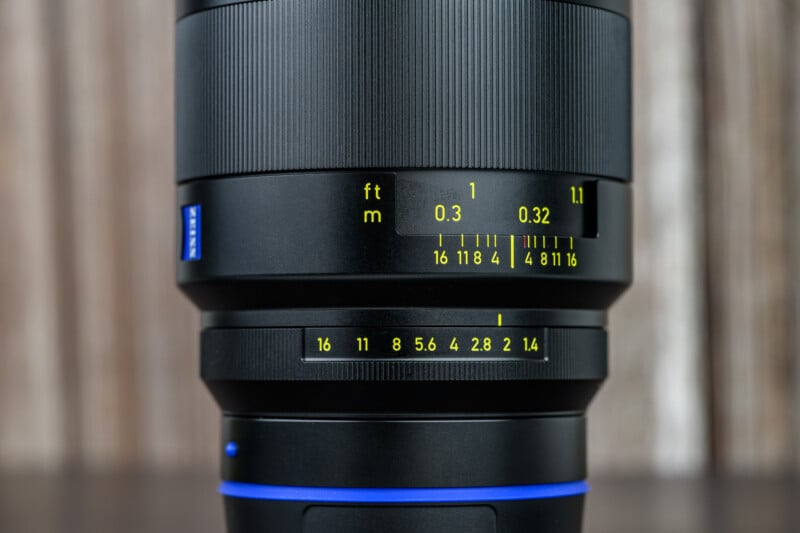 There isn’t much for controls on this lens, save for a manual focusing ring and an aperture ring.
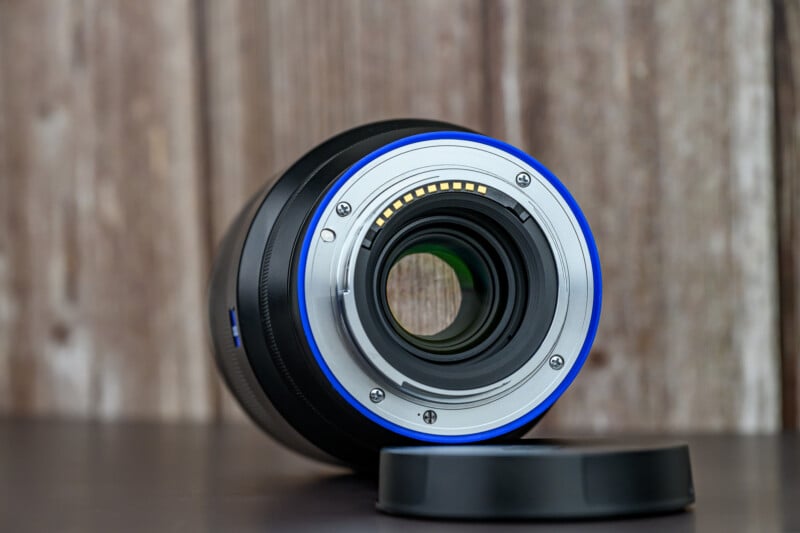 Zeiss always seals its lenses well.
You get a nice metal petal-shaped hood to protect the lens, and the rubber gasket on the rear of the lens is very substantial, ensuring that no dust or moisture should sneak past it. I also appreciate that the lens does provide an electronic connection with the camera body, even though the action is manual focus. This means that the proper focal length will be accommodated by the camera body and that EXIF data will be transferred to the images properly.
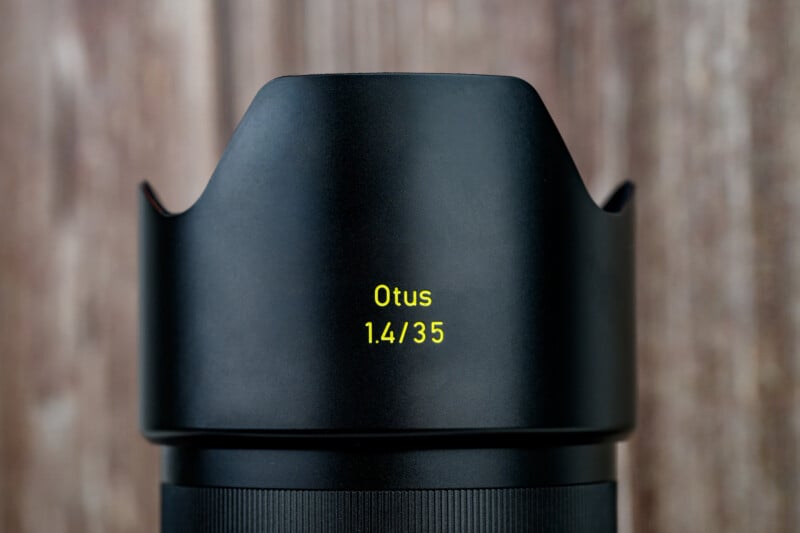 The hood is a strong metal design, and the lens is well-built in general.
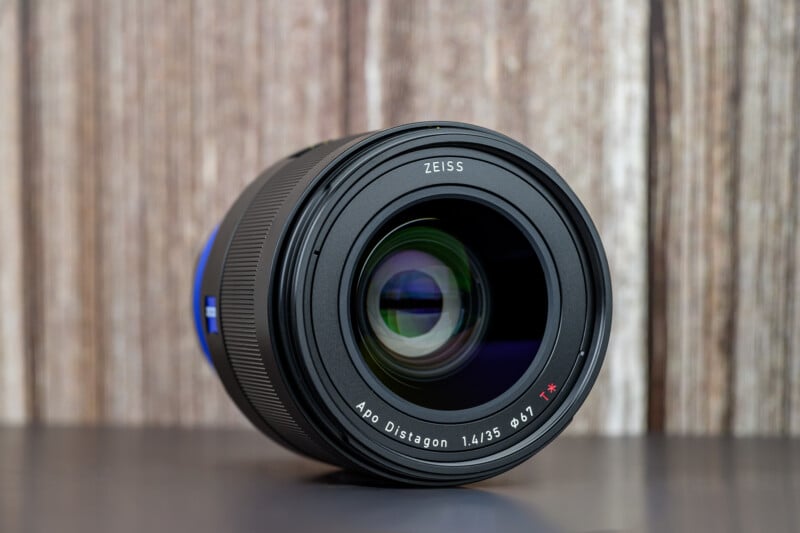 The front of the lens shows off the excellent T* coatings.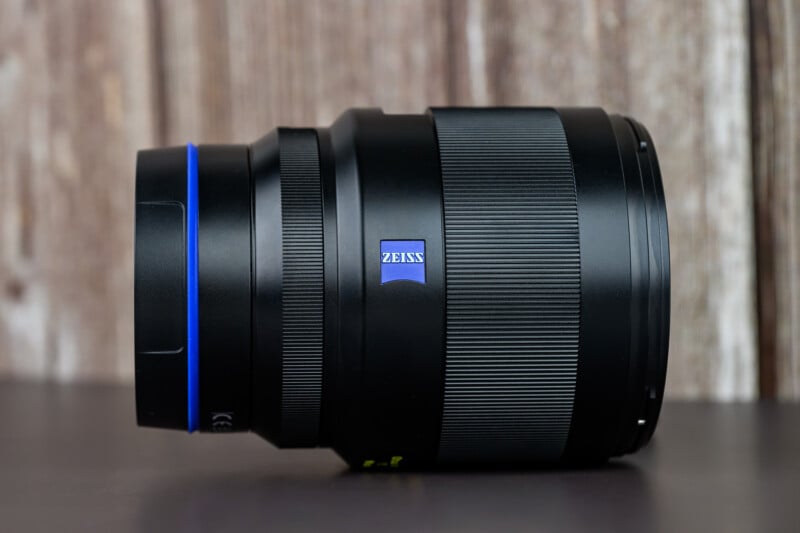
Zeiss Otus ML 35mm f/1.4 Review: How It Shoots
So, if Zeiss makes serious optical engineering choices to correct as much as possible in the lens, how does the 35mm Otus fare? In most cases, quite well.
Flare resistance is excellent thanks to the famous Zeiss T* coatings. I didn’t notice any major loss of contrast at the widest apertures or ghosting at the tighter ones.
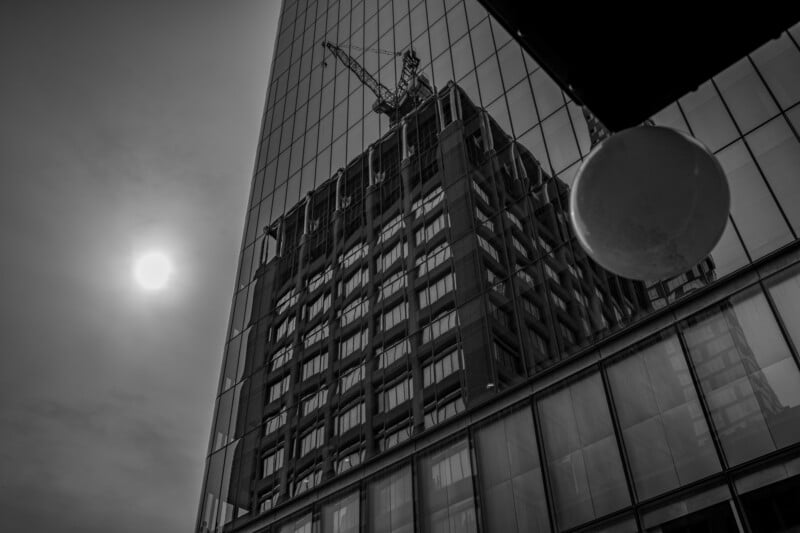 Flare is no issue on this lens thanks to the excellent coatings.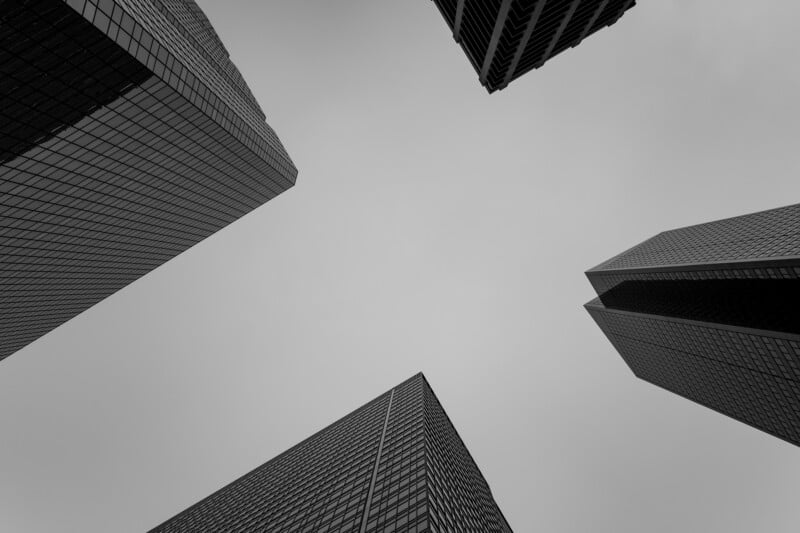

The bokeh is luscious, with smooth transitions throughout the focusing plane and smooth backgrounds. There is a nice cat’s eye effect at f/1.4 and fairly round specular highlights as you stop the lens down. I didn’t see any onion rings or string soap bubble effect to the bokeh either.
 The bokeh is beautiful, and it’s clear that a lot of effort was involved.


Chromatic aberrations are very well controlled by the Zeiss apochromatic design, so there is no need to be concerned about lateral chromatic aberration. However, the other Zeiss Otus lenses suffered from severe longitudinal chromatic aberration, or LoCA, and this 35mm does, too.
Longitudinal chromatic aberrations cause color fringing in the foreground and background out-of-focus areas, and this is really hard to correct in post. If you shoot at wider apertures with any sort of contrasty subject outside of the focus plane, there will be clearly visible pink and cyan color tones on every edge. Stopping down to about f/4 made this go away, but no matter how you look at it, the result is poor.
 You can clearly see the atrocious LoCA present at f/1.4.
At least the sharpness is excellent, with really nice detail in the center of the image at f/1.4. Things sharpen up even a little more in the center at tighter apertures. Corners are also quite nice at f/1.4, and vignetting is almost non-existent thanks to all the optical corrections being made. You’ll be satisfied with the level of detail that the 35mm offers, at any chosen aperture.
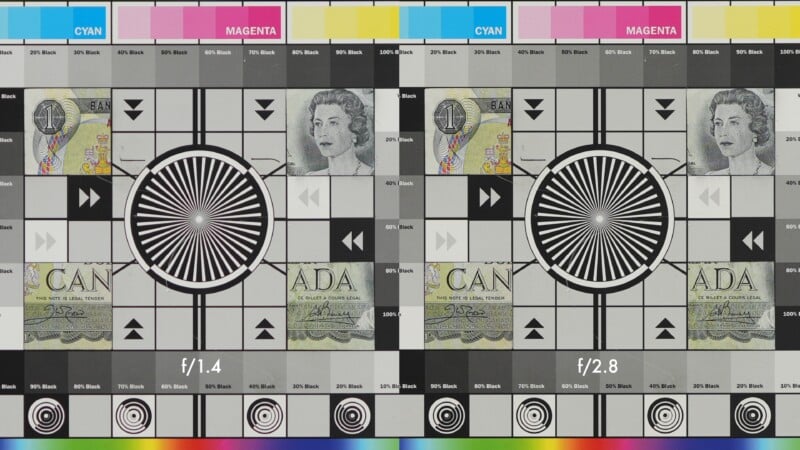 Center sharpness is very good and the lens works well at f/1.4.
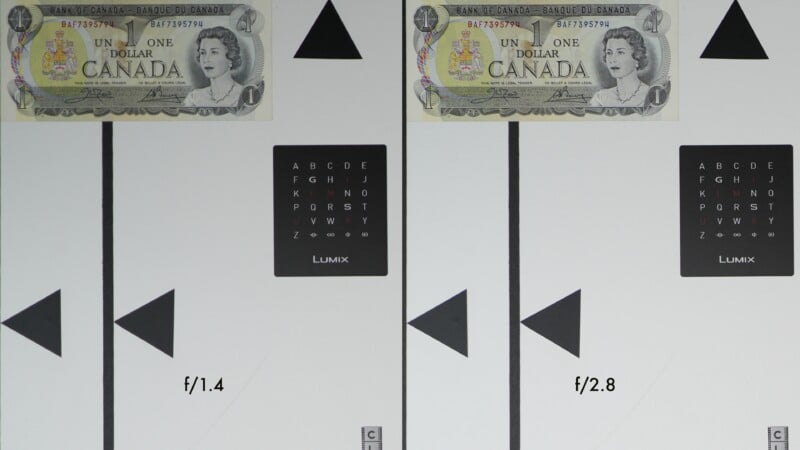 Corners also hold up really nicely, with minimal vignetting or softness.
Zeiss Otus ML 35mm f/1.4 Review: The Same Approach
Zeiss sticks to its guns once again by making a beautifully-designed lens that does a great job at correcting optical deficiencies the old-fashioned way. However, although it may do a great job at preventing vignetting and eliminating distortion, these are good examples of issues that are easily corrected for in photo editing software.
Although that level of correction would be very helpful on an analog platform, they are not as useful on digital cameras, and the resulting exorbitant prices will leave many users out of the loop.




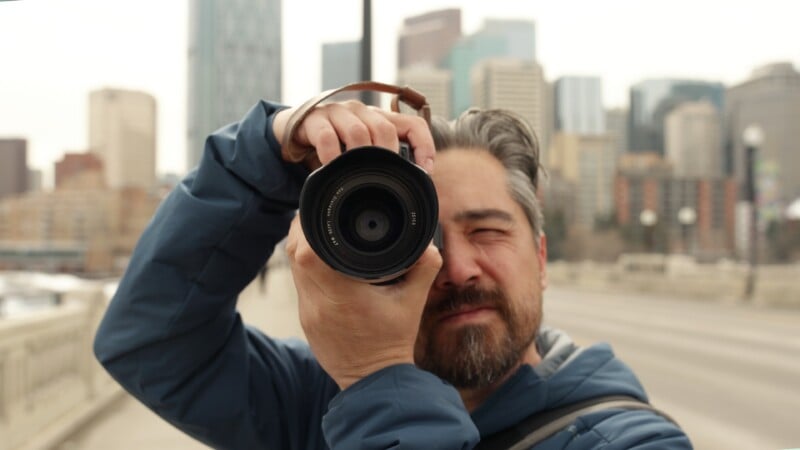 I’m very happy to shoot these lenses and review them, but I don’t know if I’d spend my hard-earned cash on them.
I recently reviewed the Sigma 35mm f/1.4 Art II and found it to be sharper, similarly resistant to flare, and with beautiful overall bokeh. It also features autofocus in a much smaller chassis than the Zeiss Otus has and, of course, costs way less.
This makes it difficult for me to imagine a market for the Otus lenses, as great as they are to shoot with. There will be users who like the purist approach to lens design and are not turned off by the $2,299 asking price, but for the rest of us, there are far more practical options.
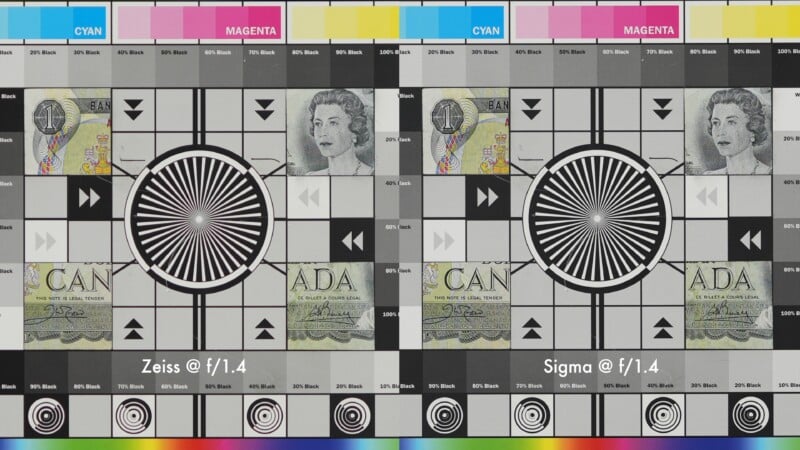 A modern Sigma lens will outcompete the Zeiss in some ways and provide far more practicality.

Are There Alternatives?
The aforementioned Sigma 35mm f/1.4 Art II will do a lot more for about half the price.
The Nikon Z 35mm f/1.4 might not be able to match the overall image quality, but it is a bargain with its low price tag. You could also spend a little more than the Zeiss and get the excellent Nikon 35mm f/1.2 S with its dramatically shallow depth of field.
Should You Buy It?
Maybe. The audience for this line of lenses is small, but the engineering behind the lens is admirable.





 English (US) ·