
The Lord of the Rings movies are among the finest fantasy movies ever produced. They tell a timeless story and beg to be rewatched again and again. The special effects also still hold up today, which is no mean feat considering the trilogy is more than 20 years old.
Every movie in the trilogy is a masterpiece, and many fans have watched them multiple times. That said, there are a few reasons why it may be hard to watch the Lord of the Rings trilogy today.
Other Properties In The Franchise Can Affect Viewing The Trilogy
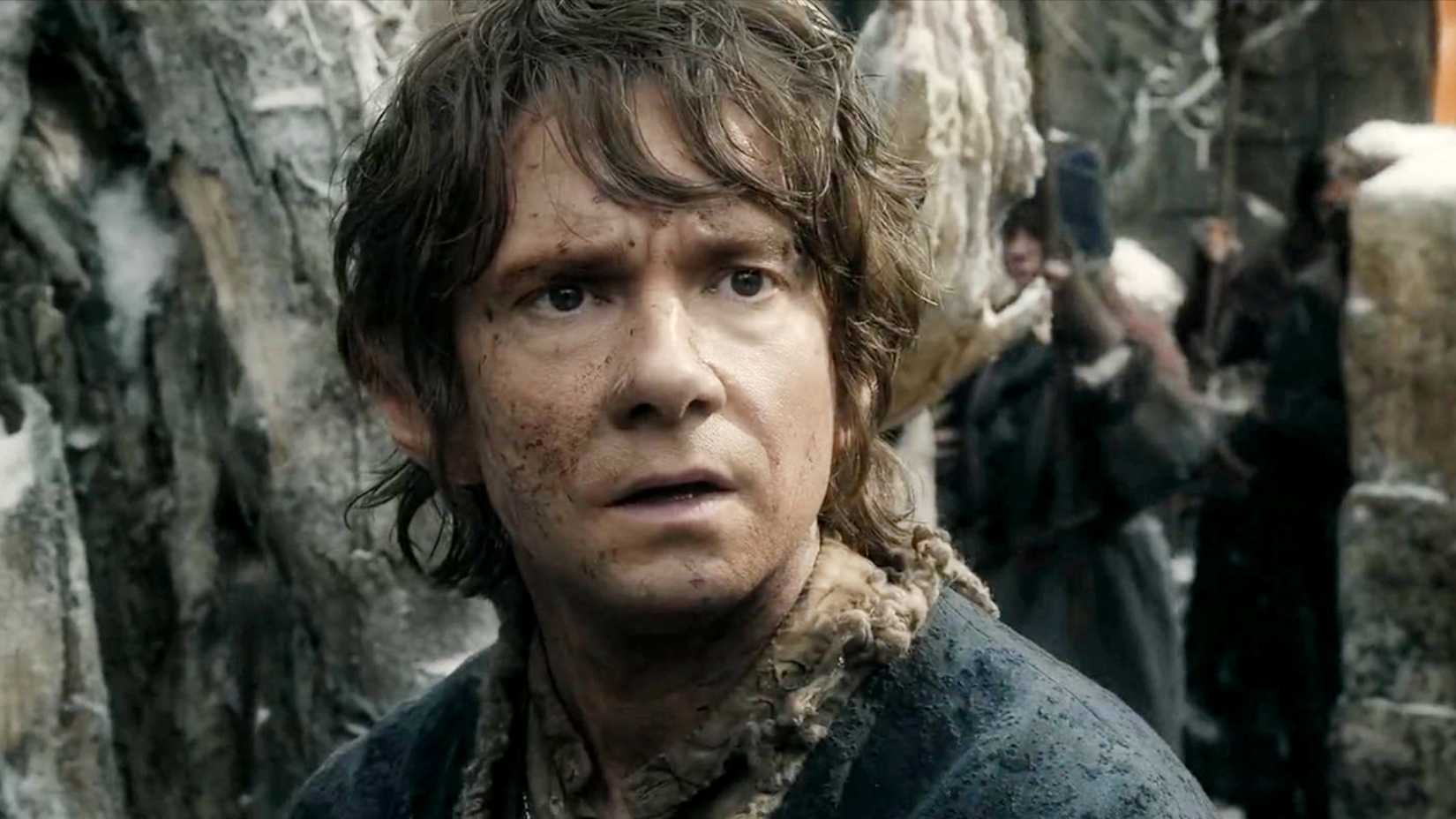
When The Lord of the Rings: The Fellowship of the Ring came out in 2001, it was a fantasy epic like no other. It also introduced us to many iconic characters that people recognize even without watching the films.
Since the original trilogy, the franchise has greatly expanded. We now have three movies based on The Hobbit, video games, and the Rings of Power TV show. If you've enjoyed any of these additions, it can take the significance out of certain scenes in the trilogy.
For example, if you've watched The Hobbit, you already know who Legolas (Orlando Bloom) is. You'll also be familiar with locations and some villains in the story if you've played Middle-earth: Shadow of Mordor. Add in the quality difference of those projects compared to the trilogy and it can feel lackluster.
Many Key Scenes Are Already Spoiled
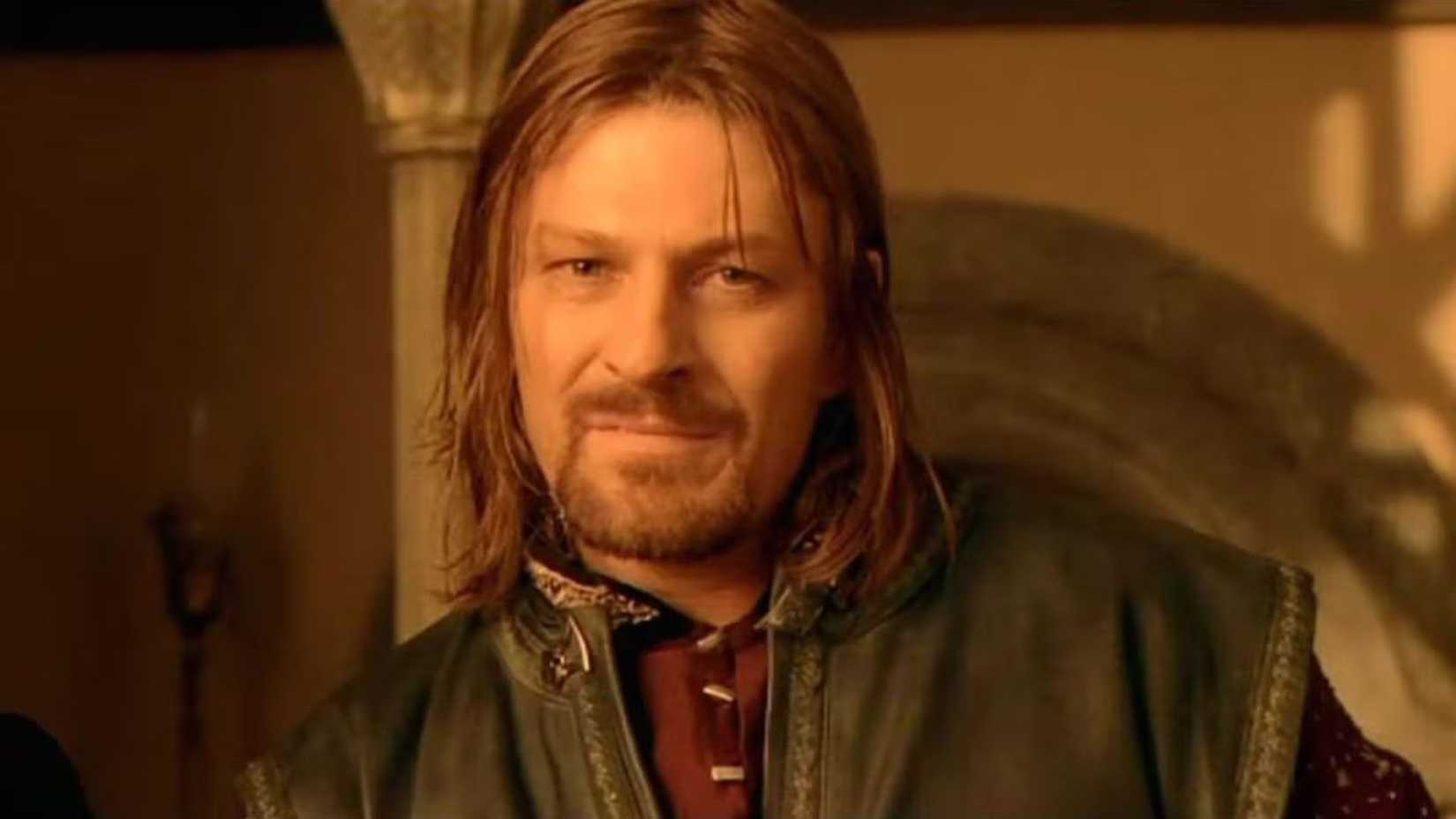
Even if you've never searched for anything related to The Lord of the Rings online, stumbling across media adjacent to the movies is unavoidable.
Climactic and emotional parts of the story have become a part of internet culture. People still use memes about Boromir (Sean Bean), and one popular parody song about the Hobbits and Isengard has been listened to on YouTube over 40 million times.
If you're planning to watch the trilogy for the first time, there's a good chance that you'll already be aware of some elements of the films, even if you don't realize it. The movies are full of plenty of surprises that aren't low-hanging fruit for memes, but some scenes likely won't have the same impact if you watch them today.
The Pacing Is Different From Modern Movies
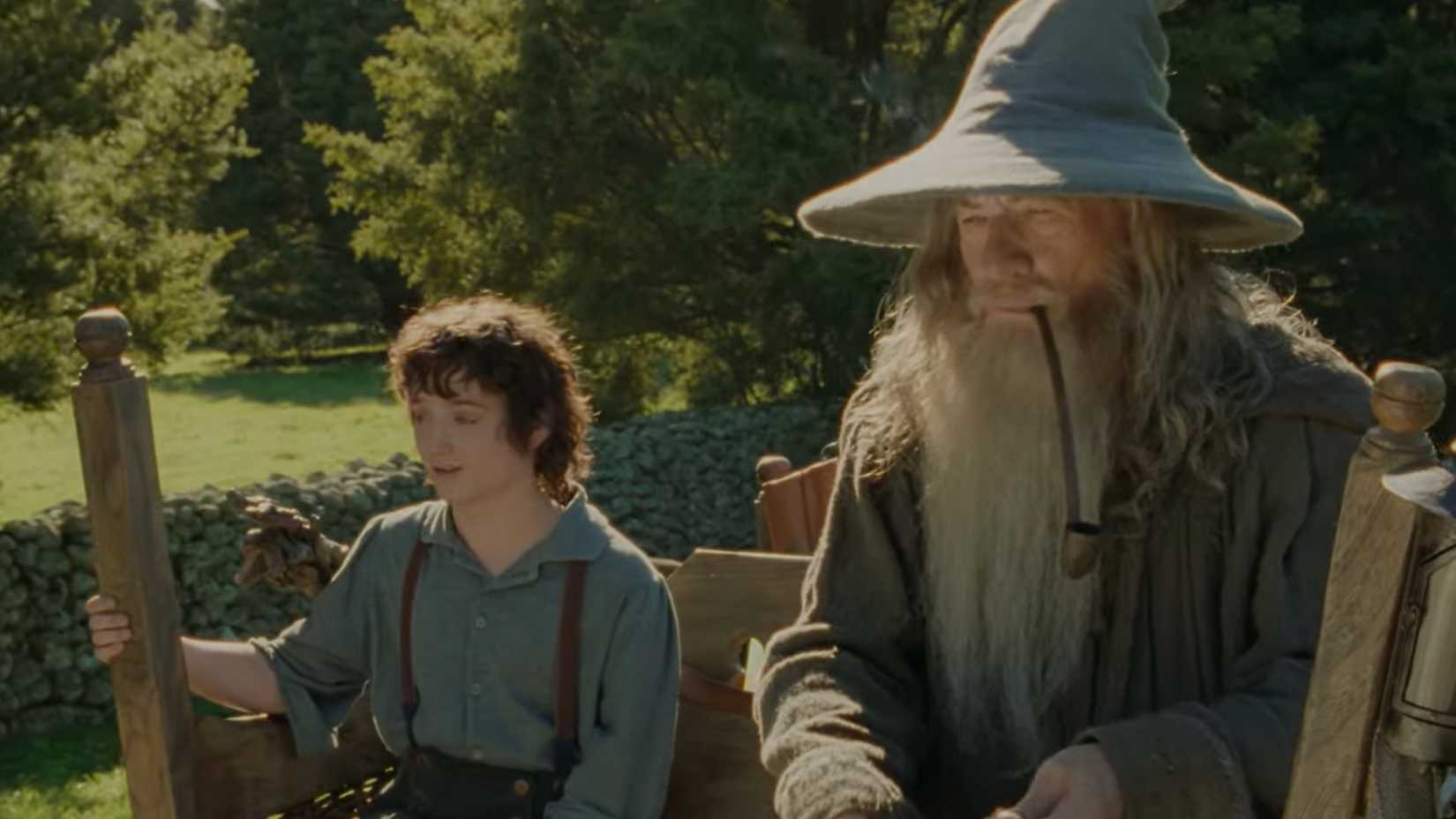
The pacing of movies has changed a lot over the last 20 years. Many films quickly hook audiences in with action. Even sci-fi epics like Avatar quickly establish their worlds despite their extended runtimes. Peter Jackson is a master of world-building, but that also comes with a slower pace, particularly during the opening of The Fellowship of the Ring.
Audiences should not expect nine hours of high-intensity action, and every film in the trilogy features slow scenes and plenty of dialogue. I must stress that the slow pace is not a negative. It adds to the immersion and makes you care about characters and the tension between realms.
That said, younger audiences may crave a faster pace, though they may also find Peter Jackson's delivery refreshing, as few movies like The Lord of the Rings exist today.
Several Plot Lines Lack Context
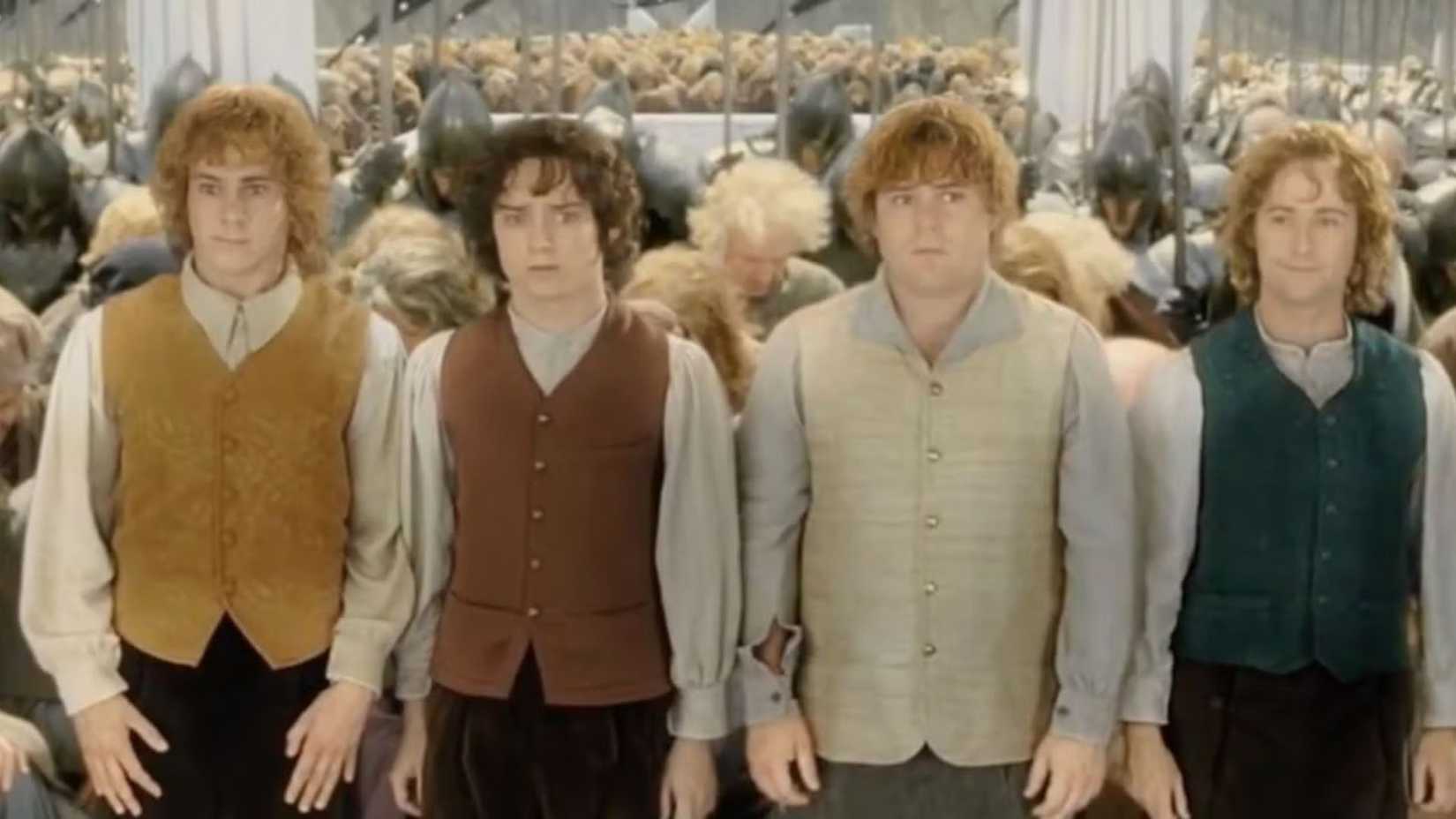
Peter Jackson did an incredible job of adapting J.R.R. Tolkien's works into films. However, keen-eyed first-time viewers of the theatrical releases may have unanswered questions as the credits roll.
Some of those inquiries are explained in the extended movie trilogy, but fans who want all the answers will inevitably have to consult the book. The Lord of the Rings trilogy is not full of glaring plot holes, but it introduces so many characters and events that some lack resolution.
Fans who watched the movies when they first came out often had questions about a few notable scenes, and that issue persists today.
The Lord Of The Rings Movies Are A Time Commitment
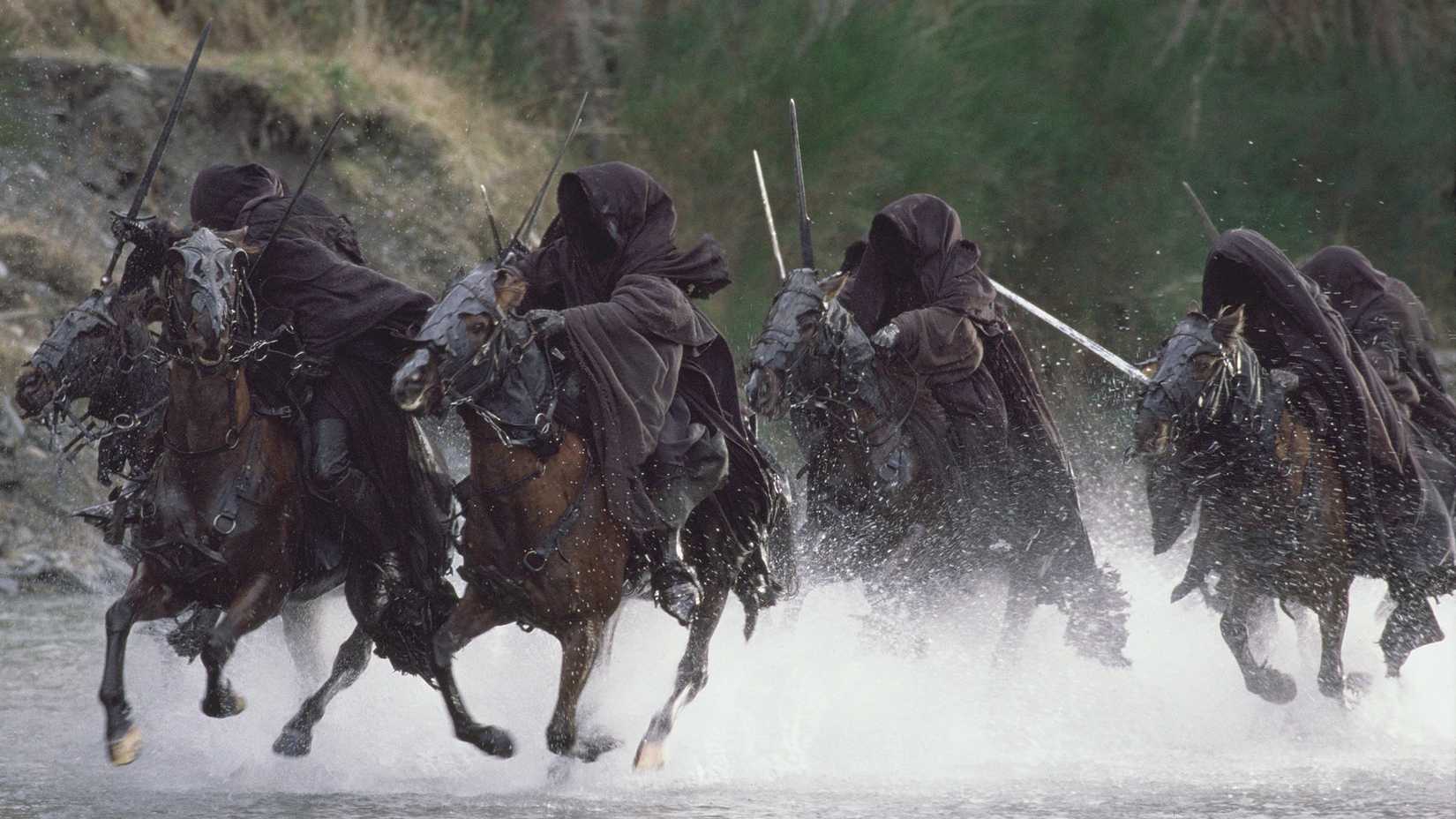
In a similar vein to our point on pacing, watching the Lord of the Rings movies is a massive time commitment. It's more popular than ever to binge-watch series or movies, but doing so with the trilogy is quite an undertaking.
The theatrical releases of The Fellowship of the Ring, The Two Towers, and The Return of the King are roughly three hours each. That 9-hour runtime is closer to 12 if you decide to watch the extended cuts.
Even if you're not planning to binge-watch, it can be hard to fit so many hours into a busy schedule. The movies are absolutely worth their runtimes, but they are a far cry from the average 90–120 minute standalone film.
The Story Can Be Difficult To Follow
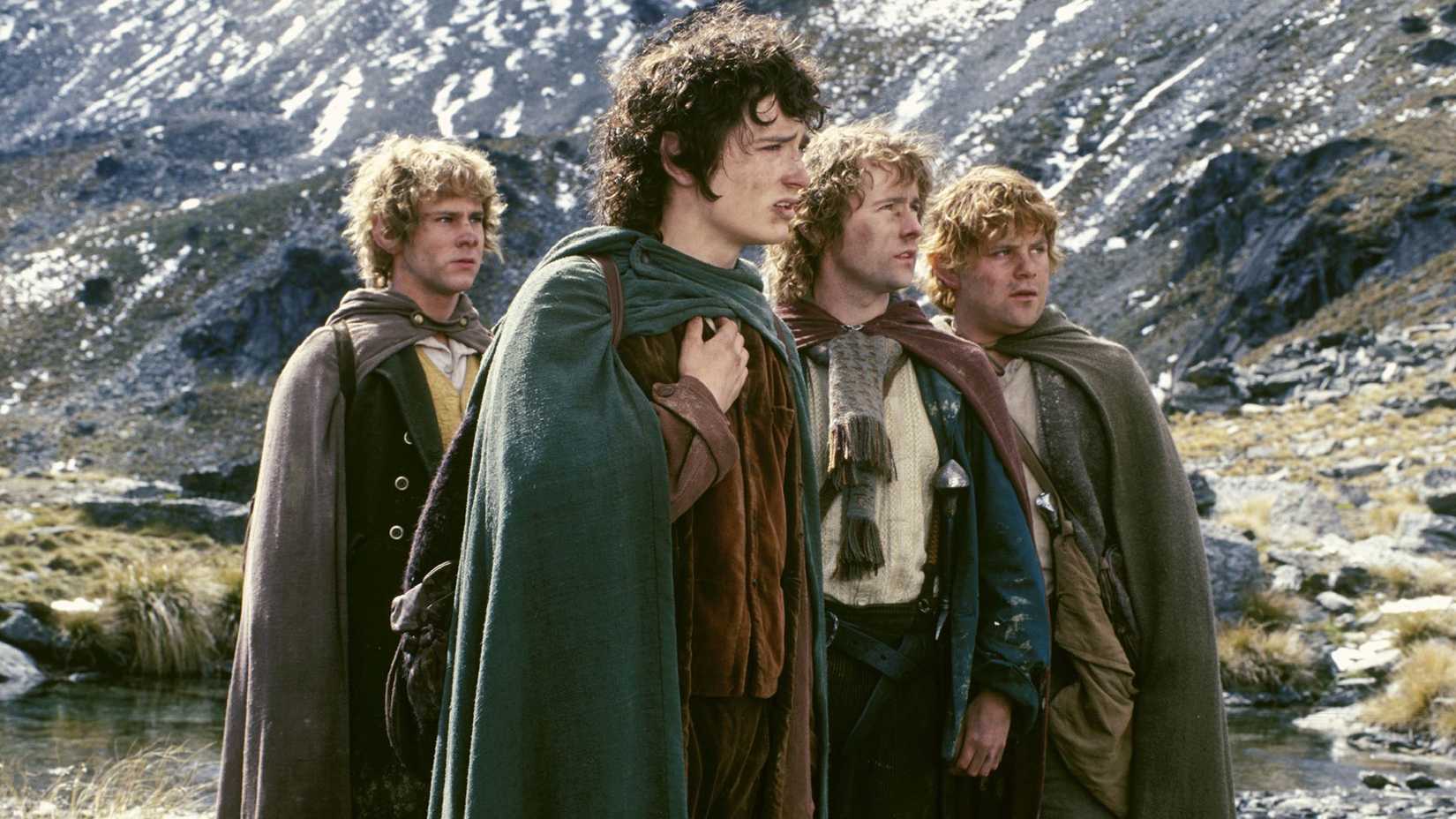
It's not unusual for adventure movies to follow several groups of characters simultaneously. The Lord of the Rings trilogy is no different, and the focus constantly shifts between several adventures.
We spend just enough time on each event to flesh out the story, but the delivery means you can miss a lot if you step away for just a few minutes. If you fail to catch the end of a scene with one group, you may not realize you've missed something crucial until much later.
Ultimately, this can happen with any movie, but with so many events happening at once, it's easy to miss key scenes and how they intertwine.
Naming Conventions Can Be Confusing
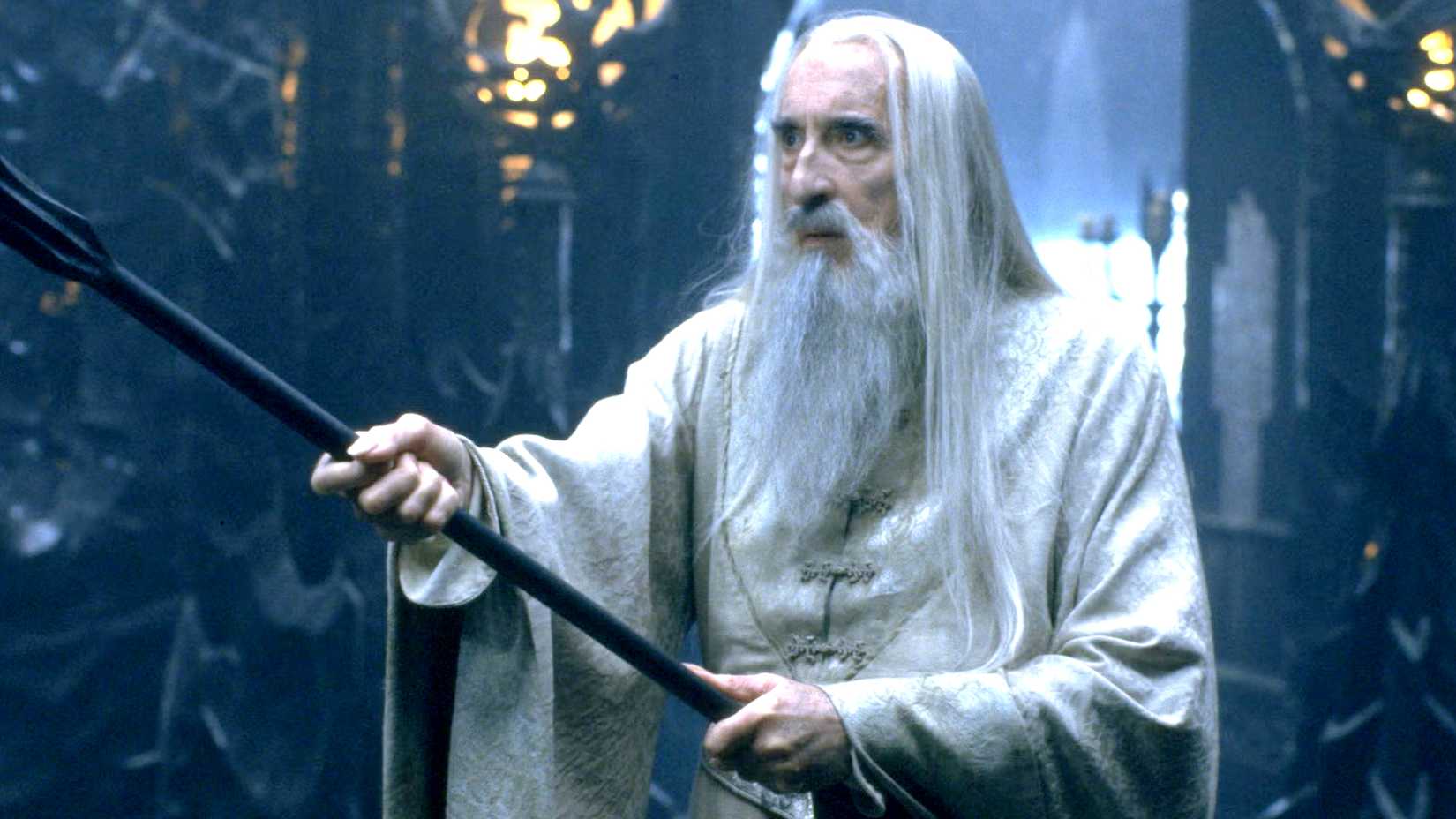
On top of paying attention to the story, you must keep track of characters as The Lord of the Rings trilogy throws a lot of names at viewers very quickly. This is most obvious during the first movie.
We're introduced to much of the cast and key locations at the start of the adventure. Peter Jackson doesn't front-load the movie with name-drops, but there is a lot to cover and some names even change. For example, Aragorn is also known as Strider at the beginning of the trilogy.
On that note, some names sound similar, which may cause confusion if you're watching for the first time. For example, Sauron and Saruman, or Aragorn, Arathorn, and Arwen. The naming conventions in The Lord of the Rings are also deliberate, as Tolkien was a professor of Philology, the study of ancient written language.
Popular Fantasy Tone Has Shifted
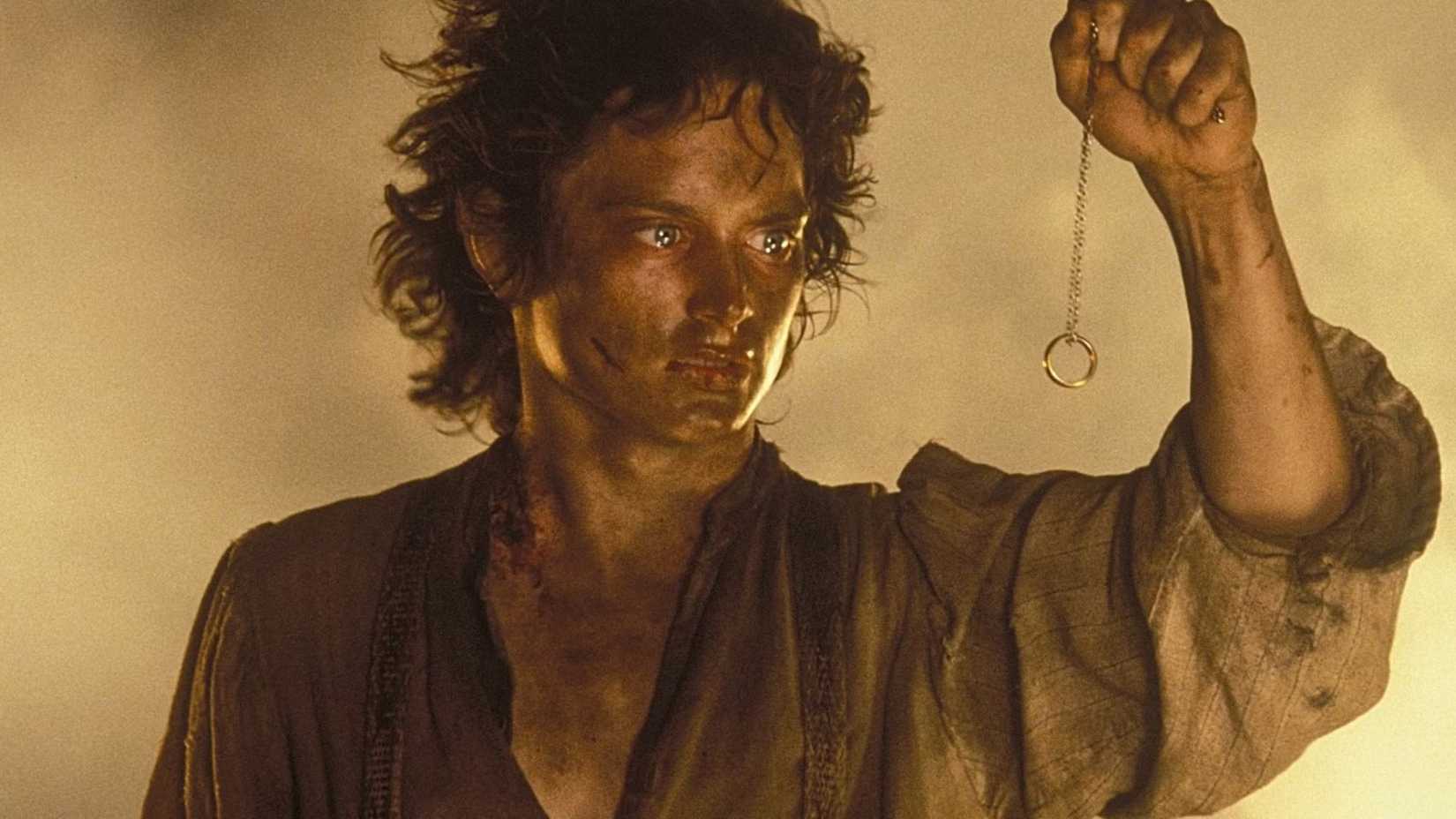
The Lord of the Rings trilogy was such a spectacle when it premiered because audiences had never seen a fantasy tale on this scale. Some parts were also quite shocking and even gross. The Uruk-hai reveal, in particular, was unsettling at the time.
The fantasy landscape is quite different in 2026. Game of Thrones has concluded, and Henry Cavill's iconic take on Geralt in The Witcher introduced another high-fantasy world to a broad audience.
Viewers are very comfortable with much of what The Lord of the Rings brings to the table now. The trilogy doesn't rely on shocking reveals to weave an incredible story, but it may dull the edge of some scenes.
Original Vs Extended Cuts
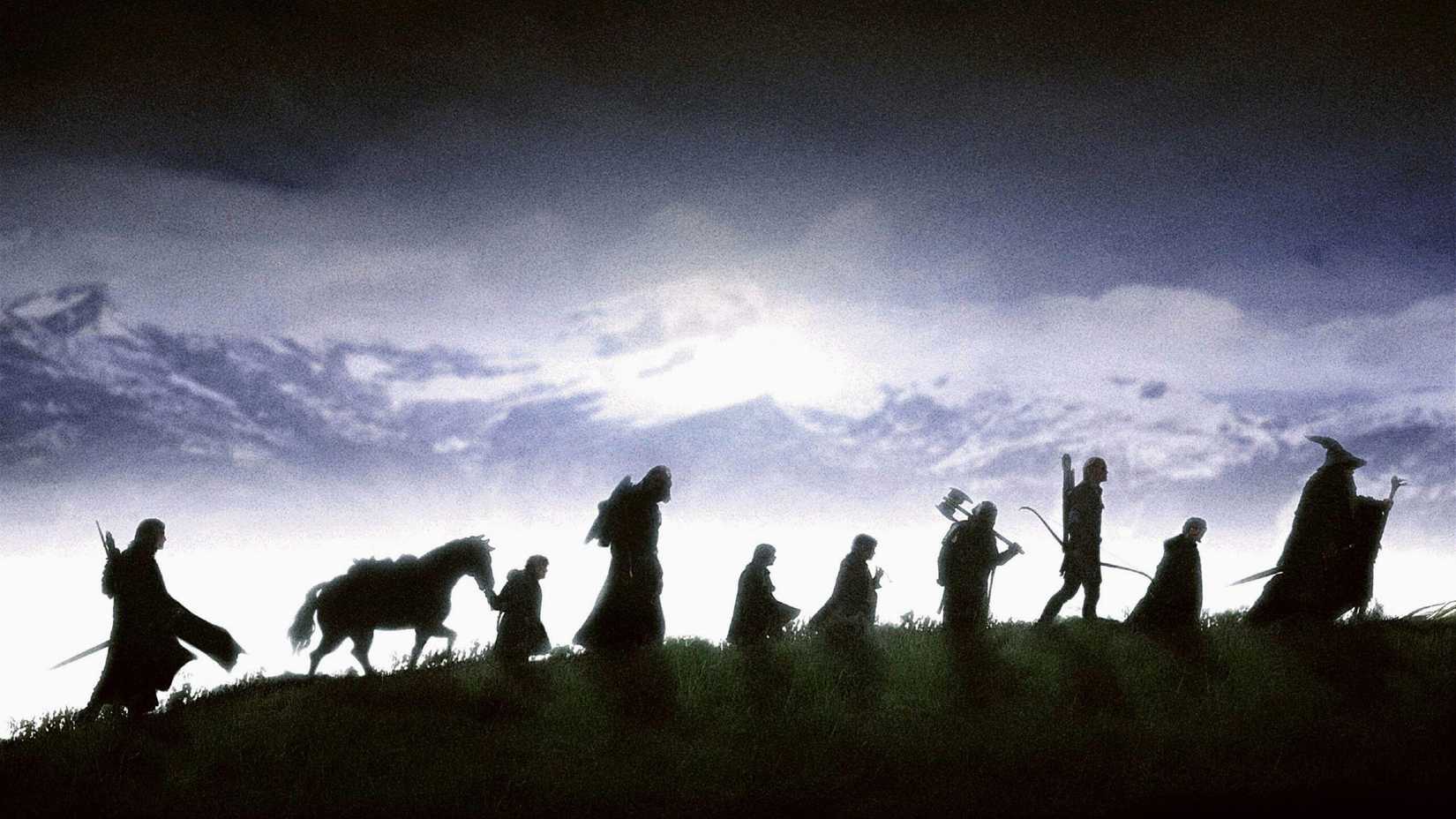
If you're planning to watch The Lord of the Rings trilogy today, you have to answer two questions first. Do you want to watch the original or extended versions? And, perhaps most importantly, what will you watch them on?
Streaming services you have access to may not have the entire trilogy or the cut you want. If you're on the fence about watching the movies, it can also be hard to decide whether to watch the longer films.
Lord of the Rings fans will likely recommend watching the extended versions. However, this may not be the best option if you have time constraints or aren't too keen on the genre.
There are a few things to consider before watching the trilogy now. Still, the biggest will likely be whether the version you want is available on your chosen streaming service or if physical media is an option.


 English (US) ·