What the Hell Are the ‘Backrooms’ Monsters Anyway?
1 day ago
6
Image via A24
Published May 29, 2026, 7:57 AM EDT
Anthony Crislip has always loved movies and television, and has been published in outlets such as SlashFilm and Ultimate Classic Rock. While working as a film programmer or judge at a film festival, he has striven to develop interest in underseen films. He is a particular fan of digging deep into forgotten corners of film history.
With his 2026 sci-fi horror film Backrooms, director Kane Parsons imagines a literal hole in the wall of a furniture store back room. Beyond the hole lies a series of unadorned rooms with maddening fluorescent lighting with no end in sight. While Backrooms is a major film with stars like Chiwetel EjioforandRenate Reinsve, this premise actually grew organically from internet creepypasta, which was the basis of Parsons’ YouTube series of the same name. The Backrooms concept began as internet posts of unsettling photos featuring liminal spaces, with various message board users adding their own contributions organically to the lore. Sometimes, hidden in the corners and shadows of these rooms, you could find threatening creatures, or “entities,” that seem to exist primarily as actual physical threats in the psychological void of the rooms themselves.
The excellent Backrooms film continues to play in the gray area of what the rooms and entities are and mean. It does provide a dramatic arc around furniture salesman Clark’s (Chiwetel Ejiofor) relationship with the space, tying the voidlike nature of it to his own psychological unraveling in a way that previous work around the concept hasn’t. But when Parsons brought the Backrooms to visual life with his first “Found Footage” video in 2022, he did create an actual geography of sorts to the deliberately absurd and disconnected Backrooms lore. Parsons' series digs into Async, a Black Mesa-esque research institute dedicated to studying the rooms (or the “Complex”), but its best entries thrust you into the terrifying experience of going down into the rooms, and being seemingly hunted by the creatures within.
One way Kane Parsons’ highly bingeable YouTube series The Backroomsis capable of keeping the disjointed effect of the memes and message board posts is by its presentation as found footage, not dissimilar to The Blair Witch Project. With a VHS overlay, the footage looks and sounds like forbidden videos, giving it the “analog horror” moniker (like the movie, the series is set around the 1990s, which adds to the verisimilitude of the video aesthetic). The short frequently cuts between rooms to keep the absurd and unreal geography of the space, and like most found footage films, the effect of the horror is more potent due to the inherent reality of the camera. The operator can only capture what’s in front of him at a given time, but viewers are aware of the blind spots. Sounds and footsteps seem to fill in the void, but the entity is only seen in brief glimpses. Only at the end of the camera operator’s journey do we see it in full view: a dark, spindly figure that seems horrifically out of place in the mundane hallways and office rooms we’ve seen up to that point.
But the deeper you get into the Backrooms series, the more you get to see what becomes of the people within. While the rooms themselves seem infinite and inexplicable, there is the reality of the missing persons who “no-clipped” (in video games, when solid objects blend together rather than collide) into the rooms, and soon became part of the architecture itself. And for how sterile and inhuman the rooms are, the suggestions of life — crashed cars, furniture, sometimes entire houses — are all the more disturbing. Parsons’ Backrooms feature film expands on all of this by dispensing with the found footage conceit to create the rooms as a real, tangible environment.
Does the 'Backrooms' Movie Keep the Monsters?
Image via A24
While Kane Parsons’ Backrooms film does include some found footage elements (including an extended after-hours expedition to the rooms shot on VHS), it also treats the complex as a real, cinematic space, something very different from the Blender special effects models Parsons used for his webseries. There’s no linear route in or out of these rooms, as its explorers soon learn. The space also seems to reflect the nature of the furniture store itself, often featuring Poltergeist-esque stacks of chairs and desks. While the horror of the Backrooms is more existential and psychological, along the lines of Severance (what is modern American life if not an endless series of backrooms?), the movie also gives space to actual horror movie monsters throughout, especially in the third act.
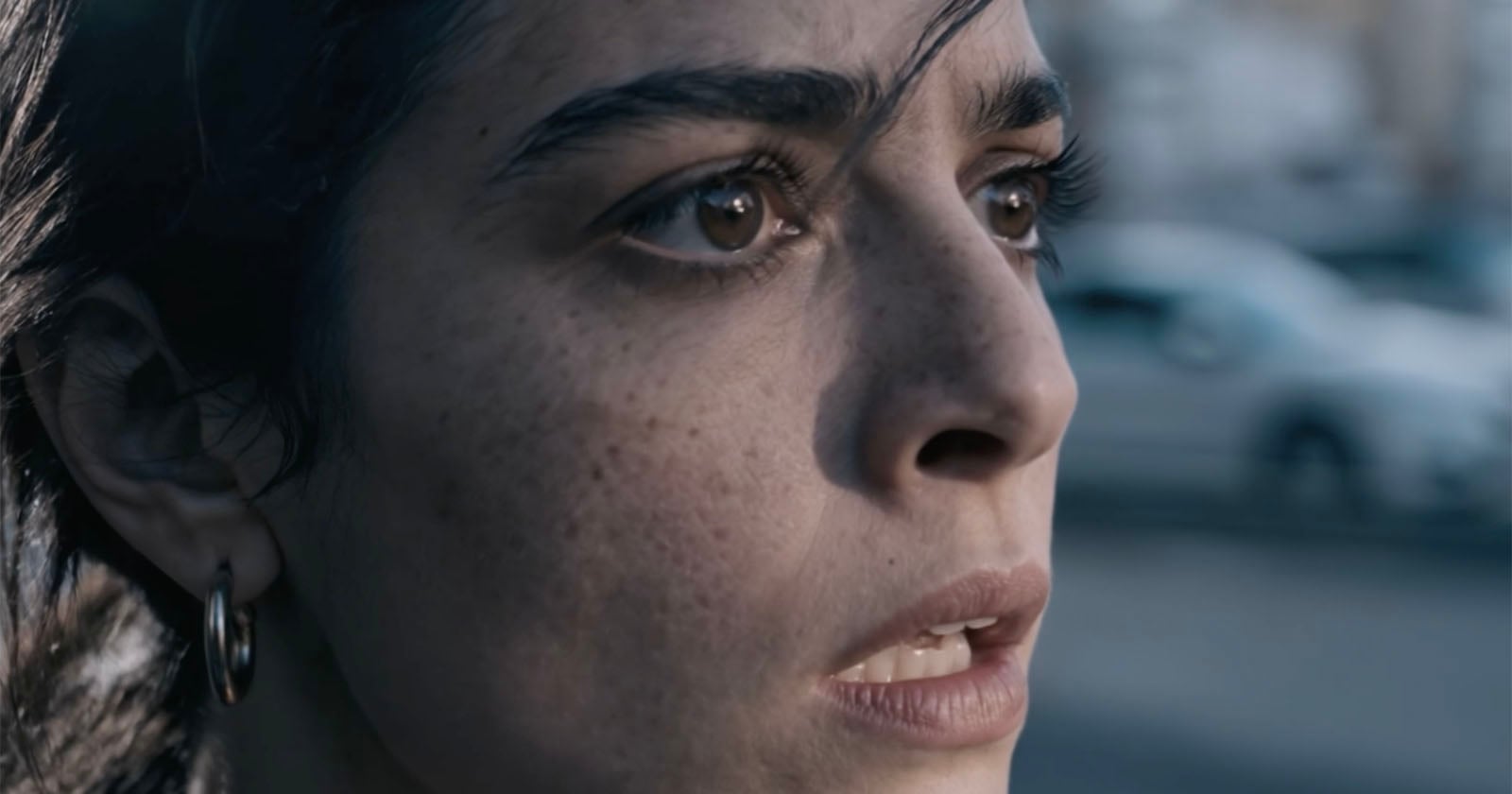
Like the webseries, the monsters of the back rooms are perceived for most of the movie from distances or in shadows. But Parsons takes advantage of the cinematic form to let the monsters emerge fully after a trapped Clark explains himself to his lost therapist Dr. Kline (Reinsve). We see other figures in the space with him, body horror victims whose limbs and eyes seem to have doubled up on themselves, looking like webpages that haven’t loaded yet: people who have spent so much time in the rooms that they have become part of it, expanding and contracting upon themselves. But the figure that represents a true threat to Dr. Kline in the movie's climax is a wicked mirror of Clark — a grotesque and distorted version of the Captain Clark costume he puts on for furniture store advertisements. As the man himself seems to lose his mind and sense of self in this endlessness, his dark side has morphed into a monster, a physical manifestation of the threat of the space. It’s a far cry from the sketchy, spindly creatures only glanced in the peripheral vision of a VHS recording, and worth the leap from YouTube to the big screen.

 Image via A24
 Image via A24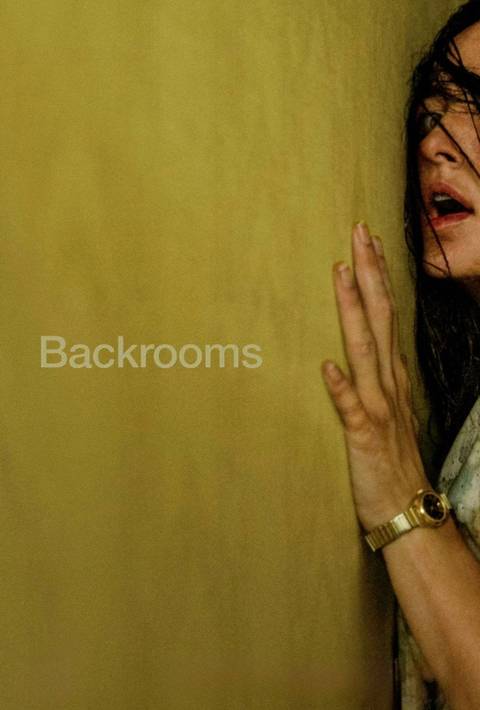



 English (US) ·