


Published Mar 19, 2026, 8:00 PM EDT
Ambrose Tardive is an editor on ScreenRant's Comics team. Over the past two years, he has developed into the internet's foremost authority on The Far Side. Outside of his work for ScreenRant, Ambrose works as an Adjunct English Instructor.
V for Vendetta's film adaptation was way ahead of its time when it came out in 2006. Unfortunately, the movie's dystopian vision offered a glimpse of what was coming decades later. In fact, the movie's directo says the things V got right about today are "more over the top" than anyone could have anticipated.
DC.com published a new retrospective interview with director James McTeigue, looking back on V for Vendetta 20 years after its theatrical release.
"I think the film definitely pointed towards the future," McTeigue mused, though he also added that V was unintentionally prescient. "Not that I could see what the future was," the director admitted.
V For Vendetta Director James McTeigue Explains The Real-World Inspiration For The Film's Fascists
What McTeigue Says The Movie Got Right & What He Thinks It Got Wrong
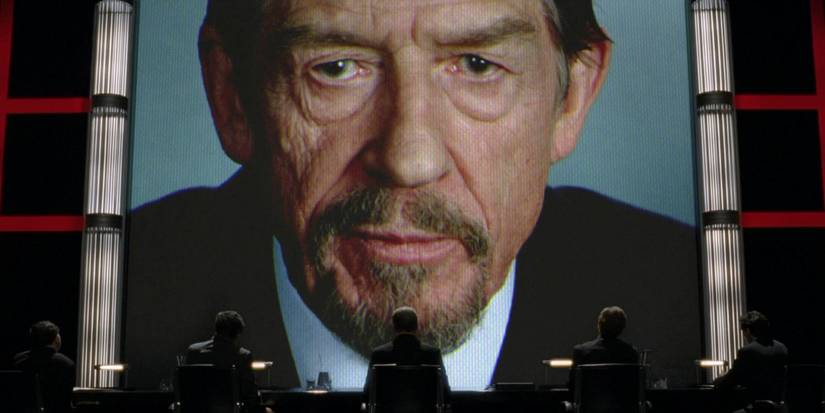
V for Vendetta is set in a dystopian, totalitarian version of Britain. The movie's comic book source material was written by Alan Moore in the 1980s as an overt warning against the rise of fascism. When the movie was being made in the mid-aughts, it added several real-world parallels to the mix, in order to make V's message more overt.
Here's how director James McTeigue explained it:
Yes! A part of the thing I did in the movie was make some of those characters figures of fun. The character, Lewis Prothero, the Voice of London, I made him a Rush Limbaugh character from the time—this really crazy talkback radio guy, this bombastic kind of fool. And the same with Sutler. I took that leader of the Norsefire administration and pushed it as far as I could go—but obviously, I didn't push it far enough. It's more over the top now! In history, the system always throws up those kinds of people—it throws up Hitler. If you have ever watched someone like him doing a performance at a rally, you go, “Oh my god, how did anyone ever follow this guy into these crazy schemes?’
So, yes, I think the film definitely pointed towards the future. Not that I could see what the future was.
In other words, V for Vendetta parodied historical and contemporary right-wing figures to create its version of Norsefire, the story's authoritarian regime. But, in fact, as McTeigue reflected, the movie's shortcoming was that it didn't envision the extent of how absurd things would get over the subsequent two decades.
In fact, the V movie actually toned down Norsefire's leader from Alan Moore's comic. It changed his name to "Sutler," in order to make him a more overt Hitler-analog. As James McTiegue wearily puts it now, though, his film "didn't push it far enough" when it came to his depiction of the totalitarian leader.
How V Glimpsed The Future By Modernizing Alan Moore's Graphic Novel

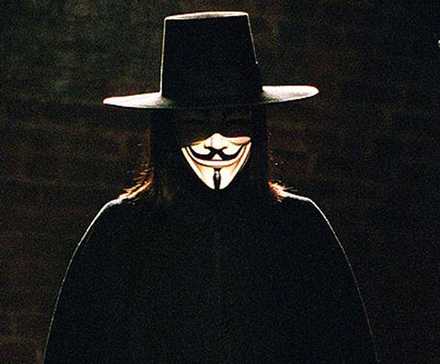
James McTeigue cited right-wing media personality Rush Limbaugh as an inspiration for V for Vendetta's "Voice of London" character, played by Roger Allam. Allan Moore's V graphic novel has a version of this character, known in the book as "The Mouth," but he is a more traditional, 20th century propagandist.
Related
42 Years Later, V for Vendetta’s Message Is More Urgent Than Ever Before
V for Vendetta is one of the 20th-century's most challenging works of political fiction, and it is as dire a warning today as it was in the 1980s.
What McTeigue presaged in V for Vendetta was the influence right-wing media figures like Limbaugh would have in the 21st century. Limbaugh was a proto-influencer. He was the tip of the spear for subsequent generations of right-wing broadcasters, most notably Alex Jones, and his legacy is alive in today's online conservative ecosystem.
V's "Voice of London" is meant to be a Limbaugh-analog, but much this actually comes across in the final cut is somewhat limited. Now, with V for Vendetta coming back as a TV series, the question is how the update will handle its take on the same set of characters, with 20+ more years of real-world parallels to consider.
V For Vendetta Was An Imperfect, But Important Vision Of Dystopia
20 Years Later, V Still Has Something To Offer
The original V for Vendetta comic is a challenging read. The movie, which just turned 20, simplified the story, and commercialized it to a certain extent. Of course, creator Alan Moore was deeply unhappy with the final product. Still, as James McTeigue noted in his retrospective comments on the film, he did try to embody the book's core anti-fascist themes.
And he tried to make those themes more accessible, in part by drawing on real-world analogs. In the process, V for Vendetta inadvertently got a better glimpse of the future than it realized. Unintentionally so, but still. It's what makes V for Vendetta still relevant to this day, and why it's an apt time for a new version of the story.
What do you think, readers? Was V for Vendetta ahead of its time? Or did it miss the mark?
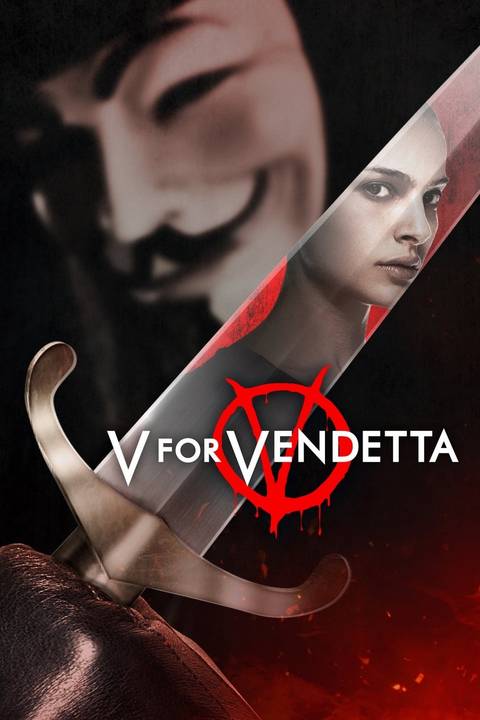
Release Date February 23, 2006
Runtime 132 minutes
Director James McTeigue
Writers Lana Wachowski, Lilly Wachowski
Producers Grant Hill, Joel Silver, Lana Wachowski, Lilly Wachowski, Lorne Orleans
-

Hugo Weaving
V / William Rookwood
-




 English (US) ·