


Published Apr 12, 2026, 6:00 PM EDT
Hannah is a senior writer and self-publisher for the anime section at ScreenRant. There, she focuses on writing news, features, and list-style articles about all things anime and manga. She works as a freelance writer in the entertainment industry, focusing on video games, anime, and literature.
Her published works can be found on ScreenRant, FinanceBuzz, She Reads, and She Writes.
When Halt and Catch Fire premiered on AMC Networks in June 2014, it arrived during the network’s golden age. Following giants like Breaking Bad and Mad Men, expectations were sky-high. Yet despite critical praise, its debut drew just over 1.2 million viewers, making it one of AMC’s lowest-rated premieres of the era.
Across four seasons and 40 episodes, the series quietly evolved into one of television’s most emotionally rich dramas. By the time it concluded in October 2017, it had transformed from a familiar antihero story into a deeply human exploration of ambition, failure, and connection, yet it never achieved mainstream recognition. Twelve years later, it remains AMC’s most underrated masterpiece.
Halt and Catch Fire is a Tech Drama That Became Something More
Set in the 1980s tech boom, the series begins at Cardiff Electric, where visionary Joe MacMillan, played by Lee Pace, attempts to reverse-engineer IBM’s PC. He recruits engineer Gordon Clark (Scoot McNairy) and programming prodigy Cameron Howe (Mackenzie Davis) to build a competing machine under impossible deadlines.
At first glance, the premise echoes familiar “genius disruptor” narratives. Season 1 leans heavily on Joe’s charisma and manipulation, mirroring the antihero mold popularized by AMC’s earlier hits. However, this focus initially limits the emotional depth of the ensemble, leaving richer characters like Donna Clark (Kerry Bishé) underdeveloped.
What sets Halt and Catch Fire apart is its willingness to pivot. By Season 2, the narrative shifts away from Joe’s dominance and toward a broader ensemble. The introduction of Mutiny, a scrappy startup led by Cameron and Donna, reframes the series into a collaborative story about creation, risk, and identity in a rapidly evolving industry.
The Evolution That Made Halt and Catch Fire Great

Few series reinvent themselves as boldly as Halt and Catch Fire. Over its four seasons, it spans nearly a decade, from early personal computing to the dawn of the internet, while constantly reshaping its narrative focus. Time jumps, new companies, and shifting alliances keep the story fresh without losing cohesion.
The most significant evolution comes through Donna and Cameron’s partnership. Their dynamic becomes the emotional core of the series, offering one of television’s most nuanced portrayals of female collaboration. Their startup journey captures both the thrill of innovation and the personal cost of ambition, grounding the show in authenticity.
Meanwhile, Joe undergoes a rare deconstruction. Instead of glorifying his ambition, the series gradually exposes its emptiness. He transitions from a pseudo–Steve Jobs figure into someone searching for meaning beyond success. Gordon, too, evolves, shifting from insecure engineer to a grounded figure who values family and legacy over recognition.
Why Halt and Catch Fire Still Feels Relevant Today
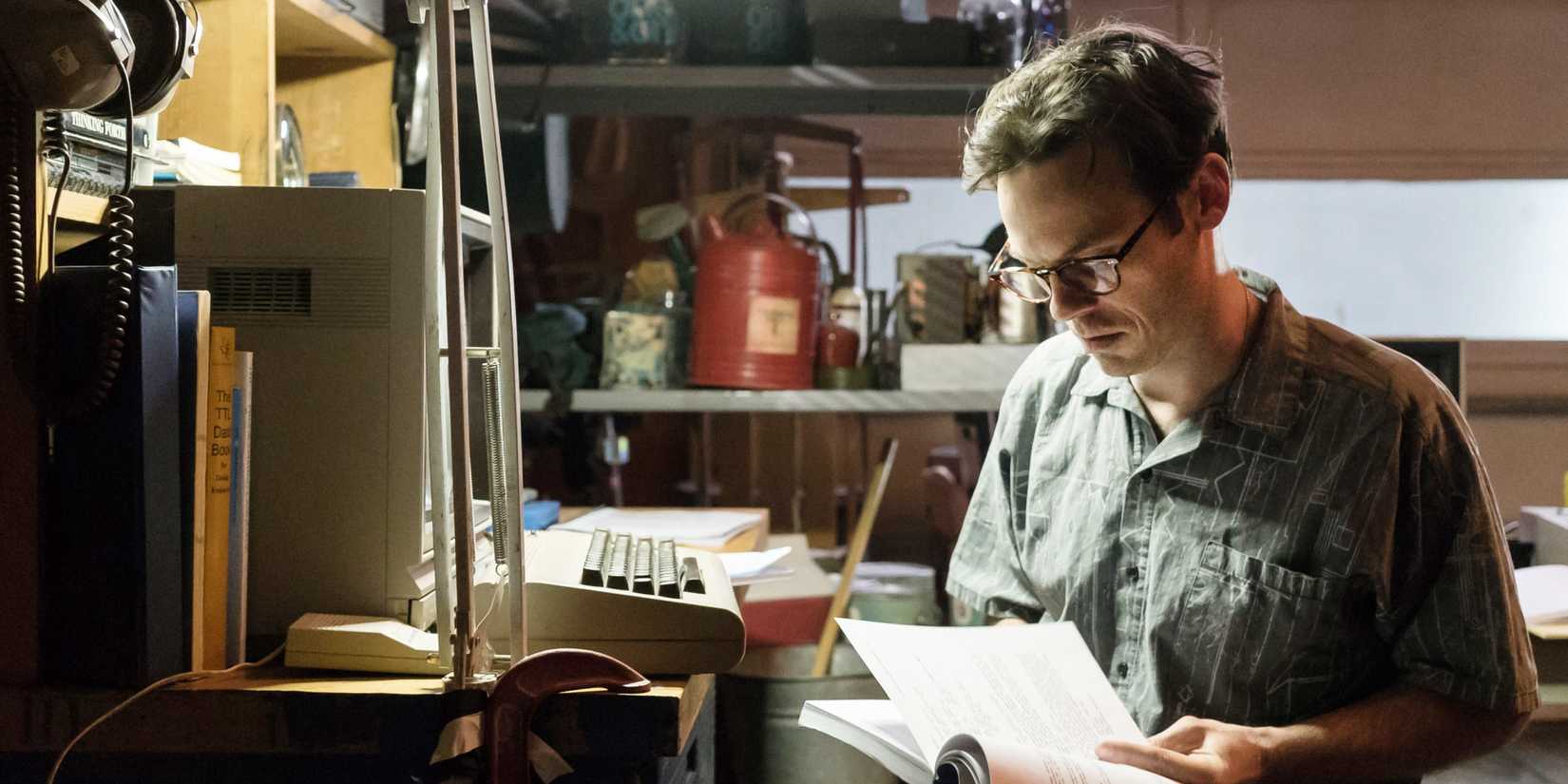
Despite its period setting, Halt and Catch Fire feels strikingly modern. Its depiction of startup culture, rapid pivots, fragile partnerships, and the constant threat of failure, mirrors today’s tech landscape. The show understands that innovation is rarely a straight line; it’s a cycle of trial, error, and reinvention.
The title itself refers to a computing command that forces a system to stop and restart. That idea becomes the show’s central metaphor. Characters repeatedly hit emotional and professional dead ends, only to begin again. Success is fleeting, but growth comes through persistence and adaptation.
More importantly, the series prioritizes human connection over technological achievement. While companies rise and fall, relationships endure. Friendships fracture and heal, partnerships collapse and rebuild, but the characters remain bound by a shared desire to create something meaningful together.

Related
Netflix's 10/10 4-Part Sci-Fi Masterpiece Is What The Genre Needs Right Now
A sci-fi series that's taking Netflix by storm, this 10/10 show proves that the anthology format is the perfect vehicle for sci-fi storytelling.
By its finale, Halt and Catch Fire makes a bold statement: the process matters more than the outcome. In an industry obsessed with the “next big thing,” it argues that what truly lasts are the people and experiences along the way. That message, delivered with quiet confidence, is what makes the show unforgettable.
Twelve years after its debut, Halt and Catch Fire stands as AMC’s most overlooked triumph and a series that didn’t just tell a story about innovation, but embodied it.

Release Date 2014 - 2017-00-00
Directors Juan José Campanella, Daisy von Scherler Mayer, Karyn Kusama, Michael Morris, Phil Abraham, Kimberly Peirce, Larysa Kondracki, Terry McDonough, Meera Menon, Reed Morano, Tricia Brock, Andrew McCarthy, So Yong Kim, Craig Zisk, Jon Amiel, Johan Renck, Jake Paltrow, Ed Bianchi
Writers Jason Cahill, Dahvi Waller, Jonathan Lisco, Michael Saltzman
-

-

Scoot McNairy
Senior Attorney




 English (US) ·