
 3 weeks ago
38
3 weeks ago
38
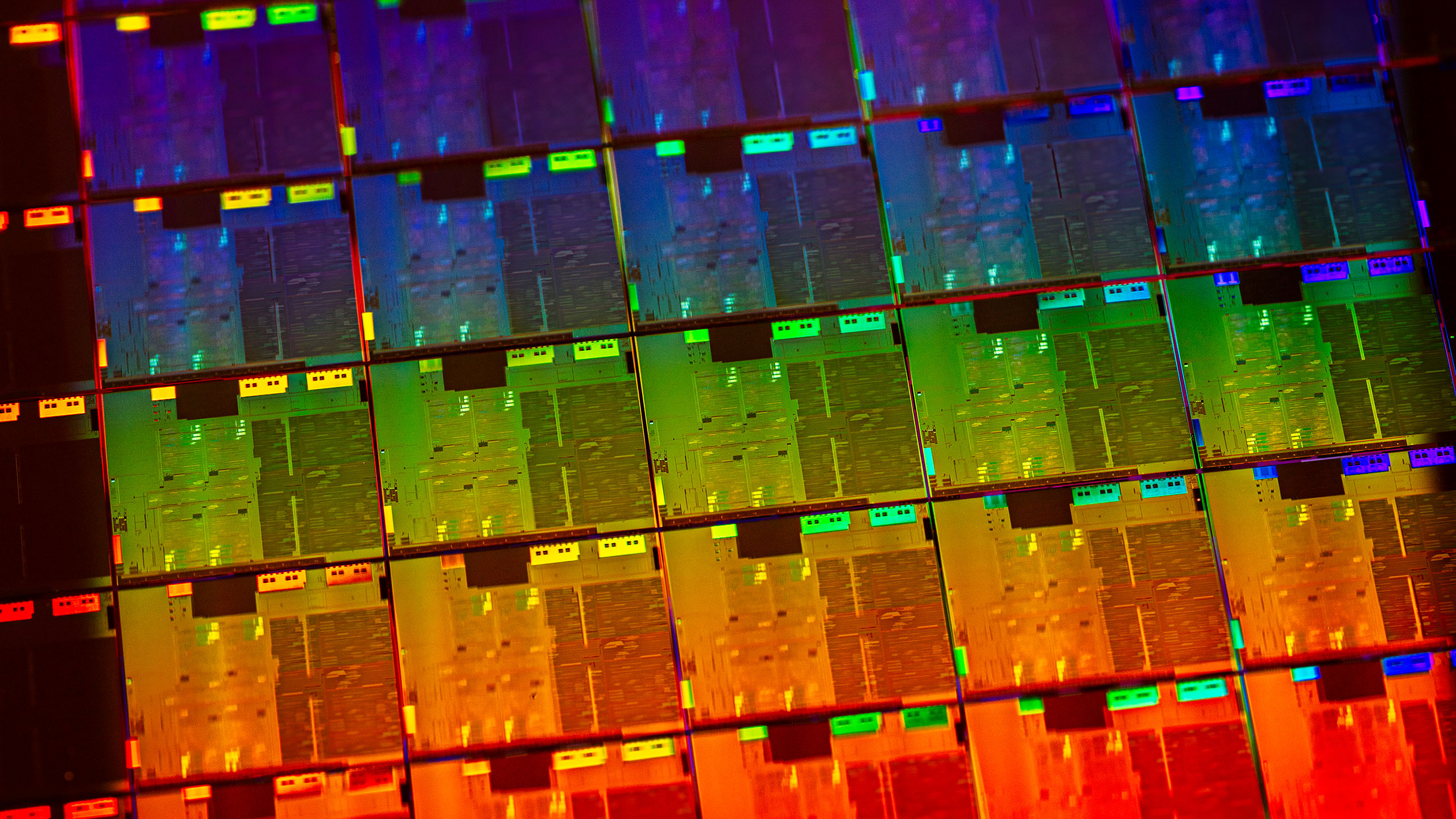
The Trump administration has announced that it plans to create a voluntary investment consortium targeting $4 trillion in funding for energy projects, critical minerals, and semiconductor supply chains, according to a New York Times report.
Go deeper with TH Premium: Chipmaking
The U.S. government will contribute $250 million toward the consortium and administer the pool of capital. Founding members include SoftBank, Singapore's Temasek, and Abu Dhabi's Mubadala Investment Co., which Helberg said collectively manage more than $1 trillion in combined assets. The consortium will also include sovereign wealth funds from Singapore, the United Arab Emirates, Qatar, and Sweden, alongside the United States.
Article continues below
Pax Silica now counts 13 member countries, including Japan, South Korea, Israel, the Netherlands, the United Kingdom, Australia, India, and Greece. The initiative spans the full semiconductor supply chain, from rare earth mining and refining through chip manufacturing tools and AI model deployment. Helberg described the investment consortium as focused on ensuring that minerals, ports, factories, and energy assets underpinning the global chip supply chain remain under allied control.
The initiative’s expansion into energy security is a new development, with Helberg citing the disruption to shipping traffic through the Strait of Hormuz during the war in Iran as a catalyst, warning that physical infrastructure like cables, ports, and logistics corridors could become part of future conflicts. The State Department has also piloted a "concierge” service for Pax Silica signatories, designed to fast-track allied governments' purchases of U.S.-made AI semiconductors.
$4 trillion is by any measure an aspirational figure, and it’s not currently clear how the Trump administration arrived at it or how it will materialize. For contrast, the $250 million contribution by the U.S. is 0.00625% of the final goal; a rounding error compared to the $4 trillion — or $4,000 billion — touted by the administration. Total global foreign direct investment last year was $1.6 trillion, according to United Nations statistics cited by the New York Times.
China's export controls on rare earth minerals and magnets last year drove much of the urgency behind the minerals component. Beijing controls a dominant share of global rare earth processing capacity, and the restrictions set off anxiety among chip manufacturers and electronics companies that depend on those supplies. New domestic and allied mineral supply chains will take years to come to fruition, even with funding in place.

Follow Tom's Hardware on Google News, or add us as a preferred source, to get our latest news, analysis, & reviews in your feeds.




 English (US) ·