
 3 weeks ago
42
3 weeks ago
42
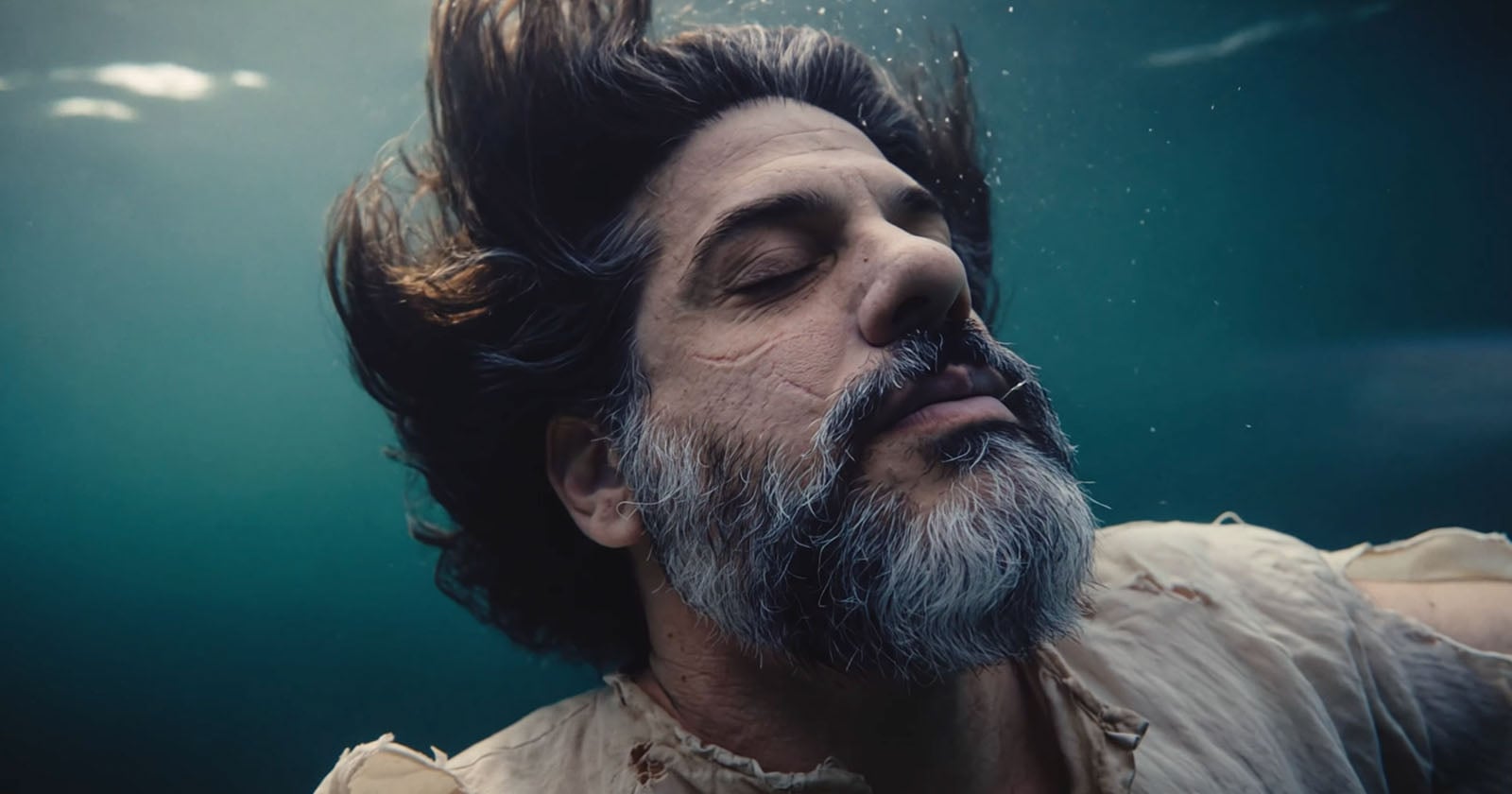
Christopher Nolan’s upcoming epic, The Odyssey, which was shot with groundbreaking IMAX cameras and features immensely talented actors, has an AI competitor. A new AI-generated adaptation of the classic Homeric epic is also hitting screens soon and I have to ask, what the hell are we doing?
Nolan’s The Odyssey won’t be unanimously praised and there is plenty of room for competition. But at least any of it flaws will be the result of fundamentally human decisions. Real, extremely talented people like Christopher Nolan himself, acclaimed cinematographer Hoyte Van Hoytema, and of course, ancient Greek poet Homer, all brought a very human touch to their work.
Fountain 0, self-proclaimed as “the leading AI movie studio,” brings none of that to its new AI-generated feature film, Odysseus: The Fall.
Those cursed with broad awareness of AI-generated movies may recall that this company premiered an AI-generated movie, Dreams of Violets, at Tribeca just last month. To put it very mildly, we weren’t impressed by what we saw.
The conversation surrounding the film was somewhat muddied by the fact that the movie was about very real people being killed earlier this year by the Iranian government. It’s a tragic situation, one that warrants attention. It’s just a shame that such an important human story was told without any real humanity.
It doesn’t seem that Odysseus: The Fall will correct this gravest of sins. Based on the trailer, which does have some rather striking visuals, viewers can expect stilted dialogue and uncanny faces for its over two hours of running time.
AI-generated movies, even when they do look good, are the visual equivalent of a pinch of cotton candy. They could satisfy your sweet tooth for a fleeting moment, and then you’re left wanting for more. You consumed nothing of value and experienced a poor imitation of pleasure.
There are plenty of actual, human-made movies that essentially exist only to fulfill a very basic concept of entertainment. And you know what, if this influx of AI-generated slop has taught me anything, it’s that I appreciate relatively basic, mostly shallow human-made art more than ever. Long live the “popcorn movie.” There’s nothing wrong with art that exists solely to entertain and excite. Art doesn’t have to be bold and powerful to be worthwhile. It can just scratch a shallow itch.
But it does have to be human.
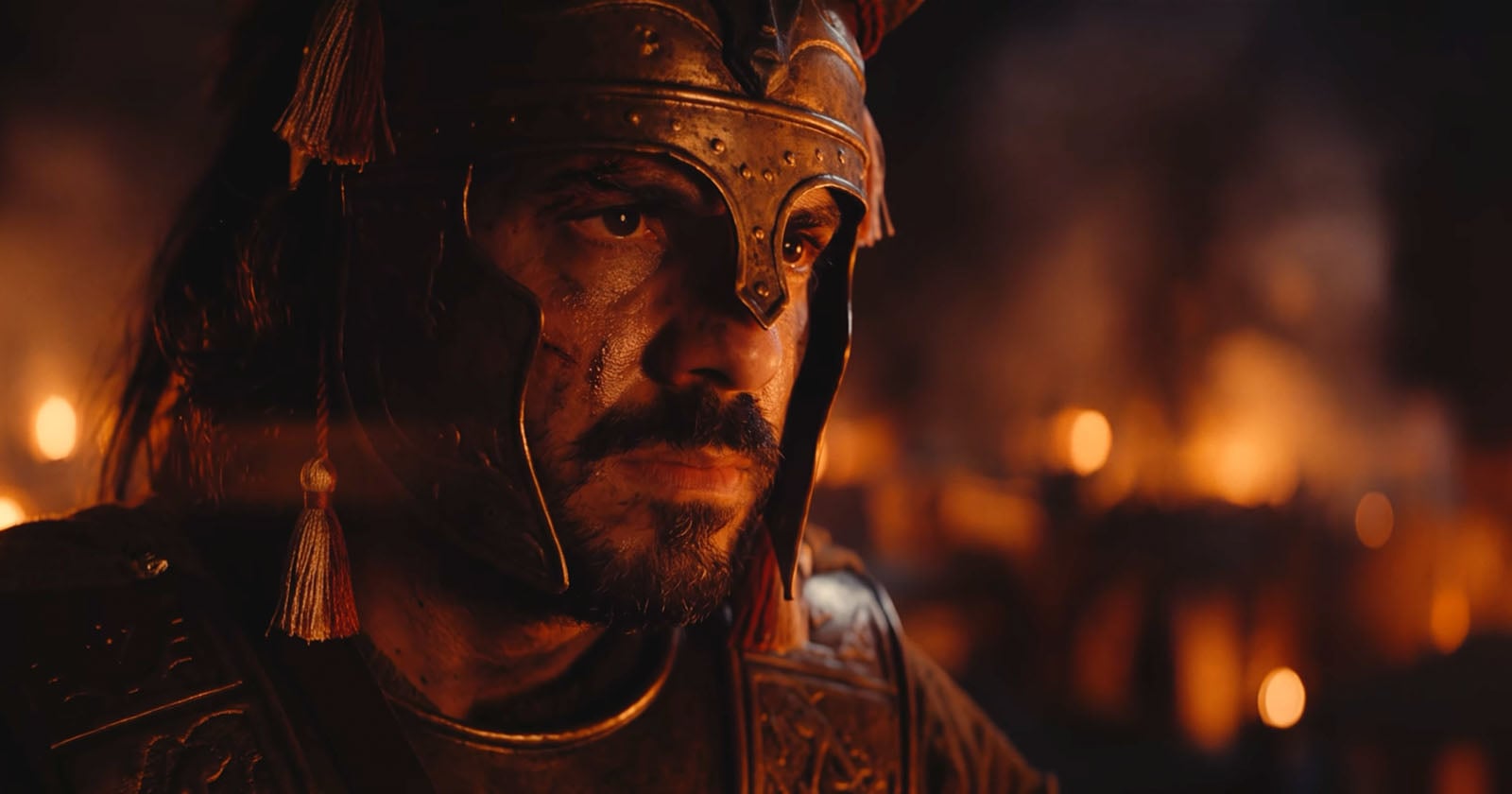
“I have always felt passionately about Homer’s epic tale since I originally read it years ago. The supernatural challenges Odysseus faced, and the chronicling of his heroics and his failings as a person, long ago captured my imagination. But being able to bring that story to life in my own vision while literally putting myself in Odysseus’ shoes was a creative opportunity of a lifetime,” says Ash Koosha, writer, director, producer, sole creator, co-founder of Fountain 0, and kinda-sorta star of Odysseus: The Fall. Koosha used his own likeness for the role of Odysseus in the film. Make of that what you will.
“The proprietary video production software we created, to refine and elevate the film’s video imaging, is what enables the film to rise to the level of human production, and is the central technology ‘secret sauce’ of this film’s quality,” adds Pooya Koosha, producer and post-producer on Odysseus: The Fall and co-founder of Fountain 0.
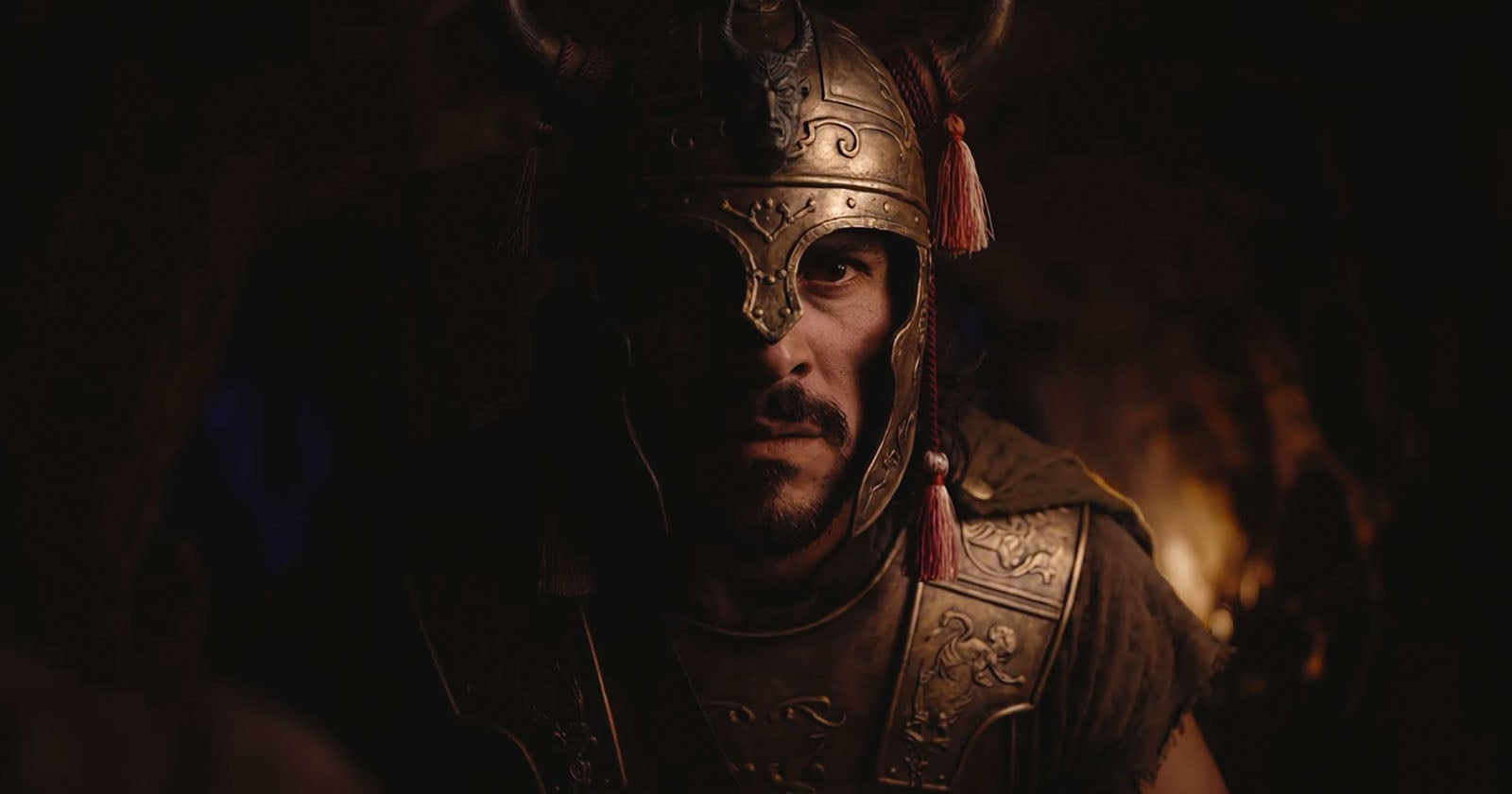
“However, the core video AI model on top of which our software is built is absolutely critical to the high-quality look and feel of the film. We cannot offer enough praise for the AI model, Kling, which is what we used to develop the image rendering of every scene. We are finding through experimentation with each film that we are creating new tools and techniques enabling us to overcome challenges that put our filmmaking at the ultimate cutting edge of how an AI movie can be created at the same level of any human production.”
Pooya Koosha delivered the likeness of the character, Eurylochus.
Proponents of AI-generated movies, who I assume almost exclusively live in bubbles in C-suites across the technology company landscape, argue that AI technology like this puts artistic creativity into the hands of more people.
That’s an admirable goal in principle. What’s not obviously true, and arguably not at all the case, is that generative AI alone is the right way to make artistic creation more accessible.
“Many will ask with a major Hollywood release of another take on the classic Homer story, why make this particular film now? First, there are so very, very few who have access to the hundreds of millions of dollars to produce a movie through traditional means to tell a story as vast and difficult as one that does justice to the original Odyssey, and we wanted to demonstrate that even filmmaking at this level could be fully democratized by AI,” says Tom Rogers, Executive Chairman of Fountain 0 and executive producer of the new movie.
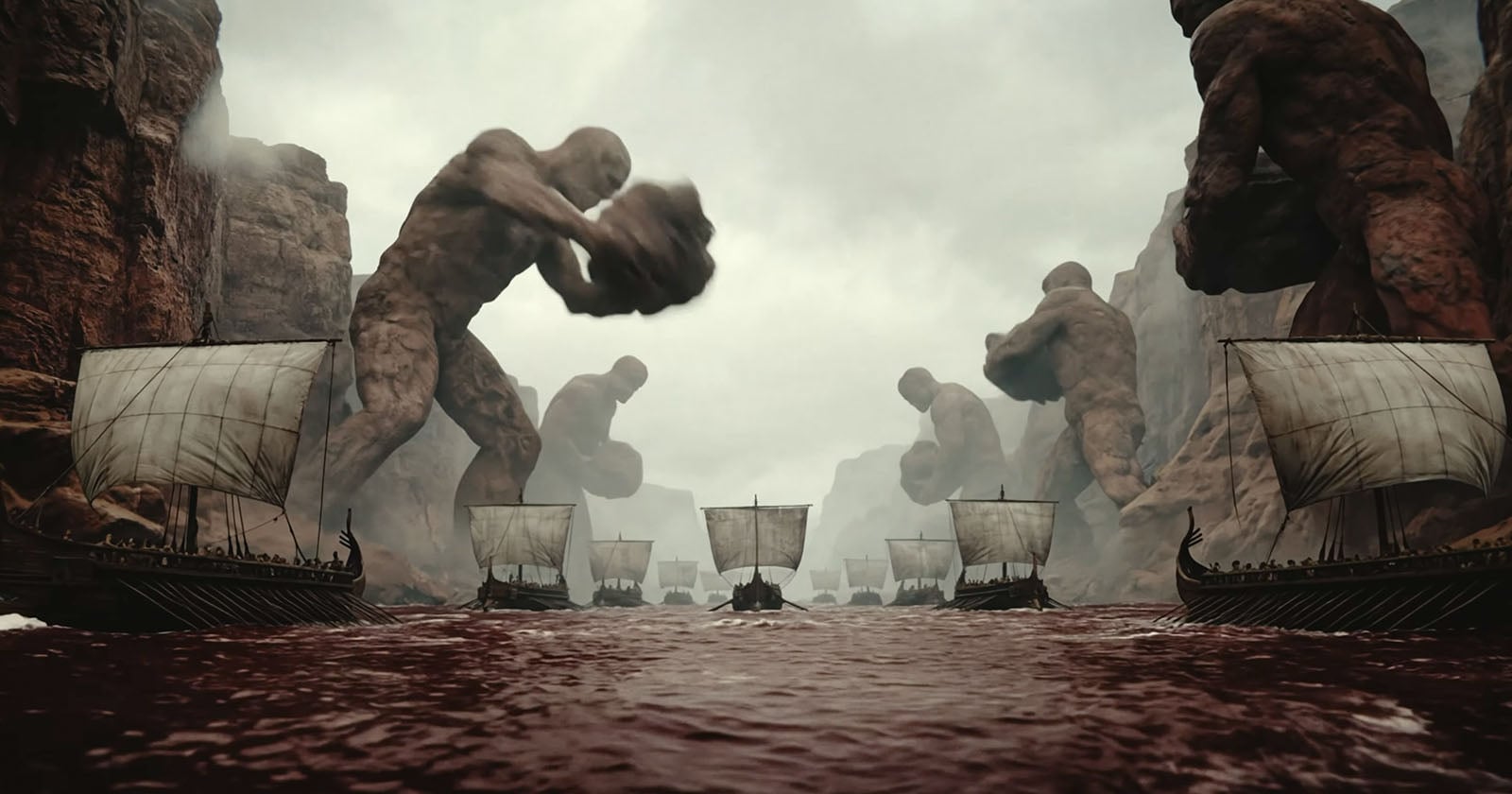
“Second, we wanted to provide a basis of comparison in the same time frame with a movie coming from one of the world’s most revered directors, so moviegoers might be curious enough to see both films developed out of the same classic tale as a way to better understand the level at which AI is able to both contribute already to the art of filmmaking, and to increasing the number of quality films that can be offered to the public.”
To keep the pattern going, Rogers’ likeness appears in the movie as the character Mentor. Alongside Koosha and Rogers, the group obtained likenesses from nine other people to use in the movie, including a professional actor, some models, and others in Fountain 0’s “network.”
What Rogers and many others neglect to mention is that while AI may “democratize” filmmaking in a broad sense, the devastating effects of AI are not nearly as equally distributed. In fact, the environmental impact of AI technology appear to disproportionately impact low-income people. That’s not a strong case for providing more people with greater opportunities.
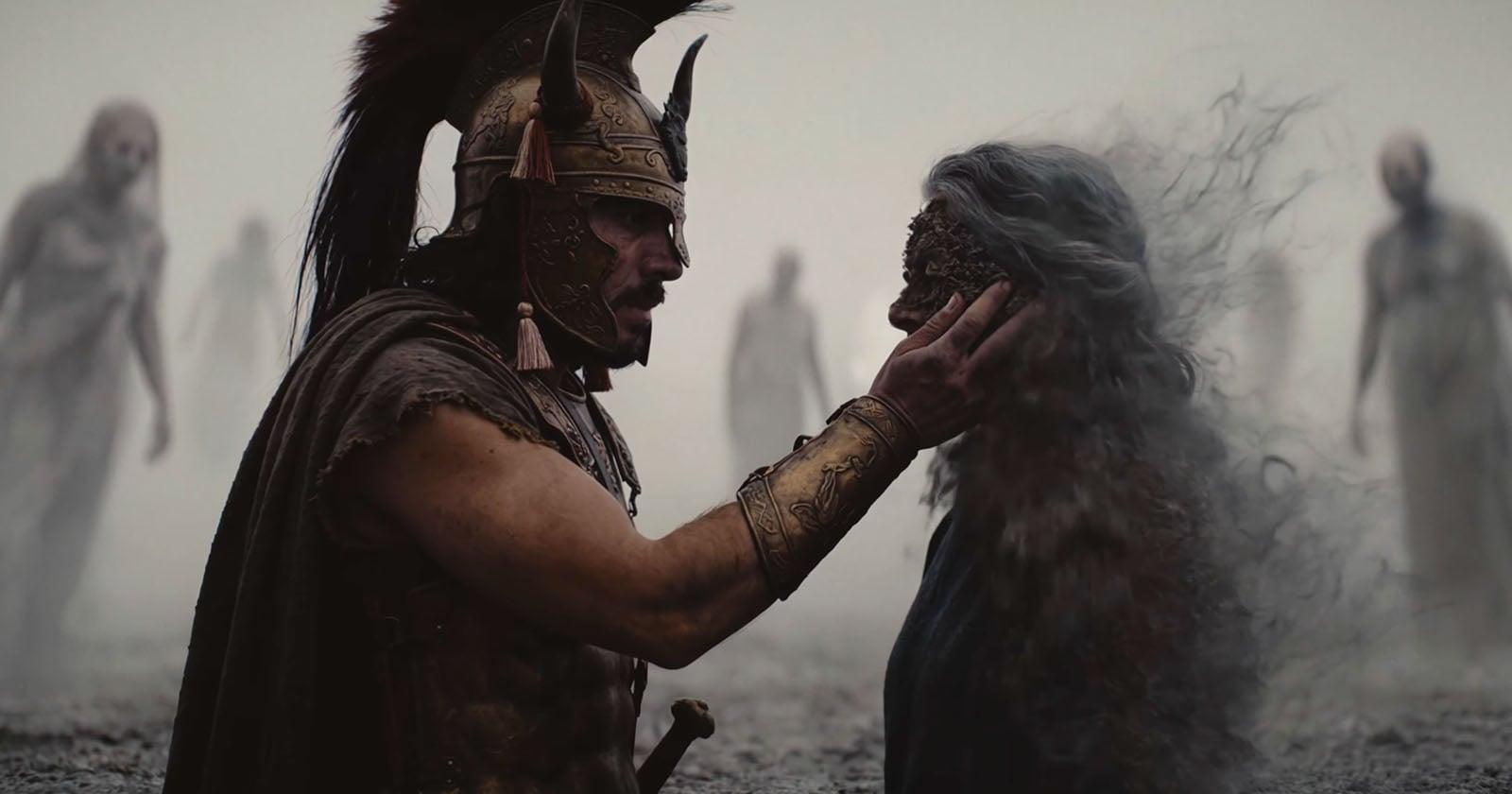
In a minor consolation, it doesn’t appear that Fountain 0 believes Odysseus: The Fall will be the superior adaptation when compared against Christopher Nolan’s Oscar-hunting blockbuster.
“With the state of AI video generation still being quite nascent, we expect much feedback that the Nolan film is a superior adaptation of this great epic adventure,” Rogers says.
But what Fountain 0 seems to believe is that its film should exist.
On that, we disagree.
Image creditsFountain 0




 English (US) ·