
 2 weeks ago
31
2 weeks ago
31
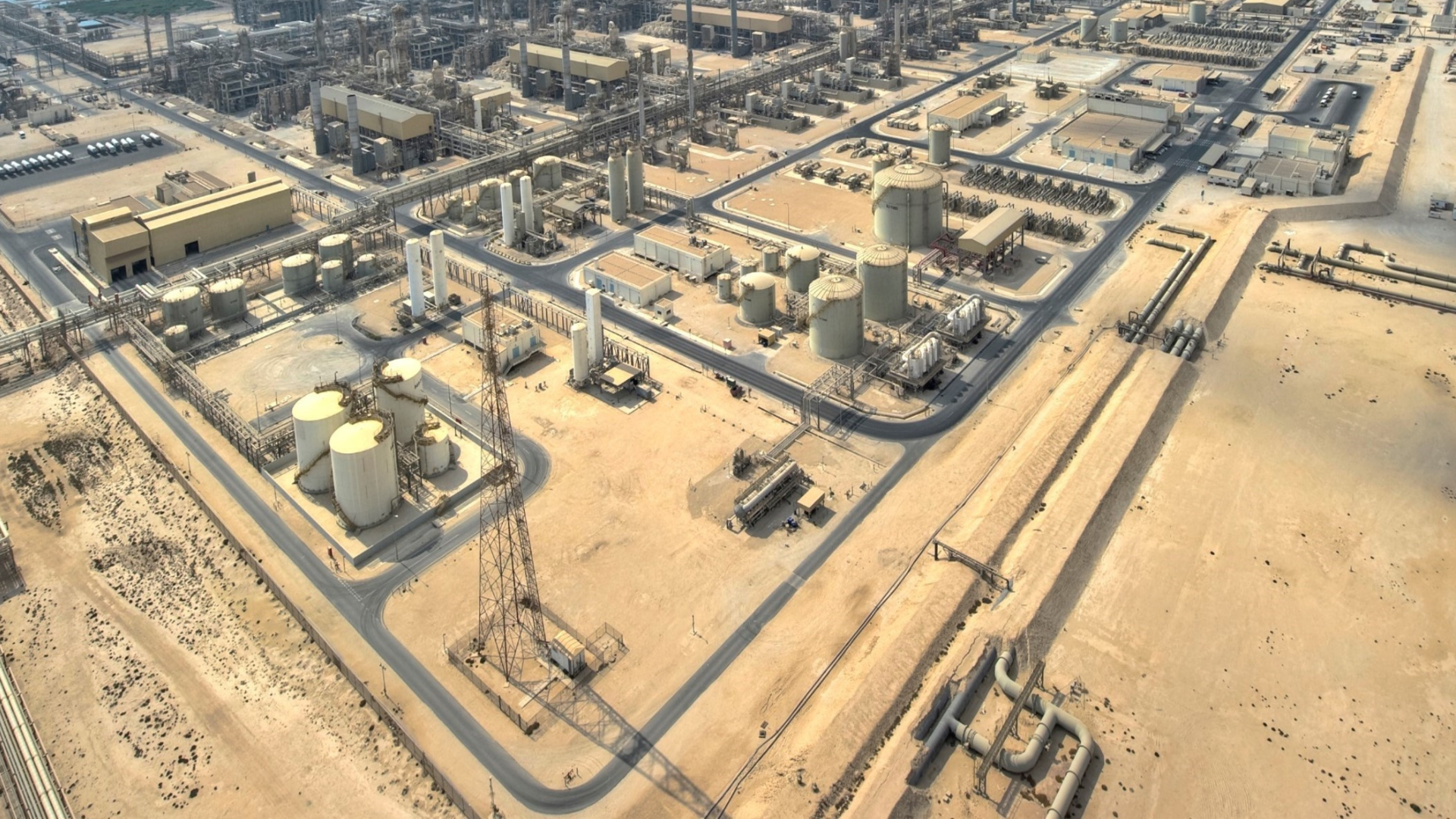
Iranian drone and missile strikes hit QatarEnergy's Ras Laffan Industrial City on February 28, knocking offline one of the world's two plants capable of producing semiconductor-grade helium — and removing roughly 30% of global supply from the market in a matter of days.
QatarEnergy halted all production at the site two days later, declaring force majeure on March 2, while the Strait of Hormuz has been effectively closed to Western commercial shipping since the conflict in Iran began. Helium prices have surged 40% to 100%, and the semiconductor industry is counting down the weeks until existing stockpiles run dry.
Article continues below
Chip fabs can't run without helium
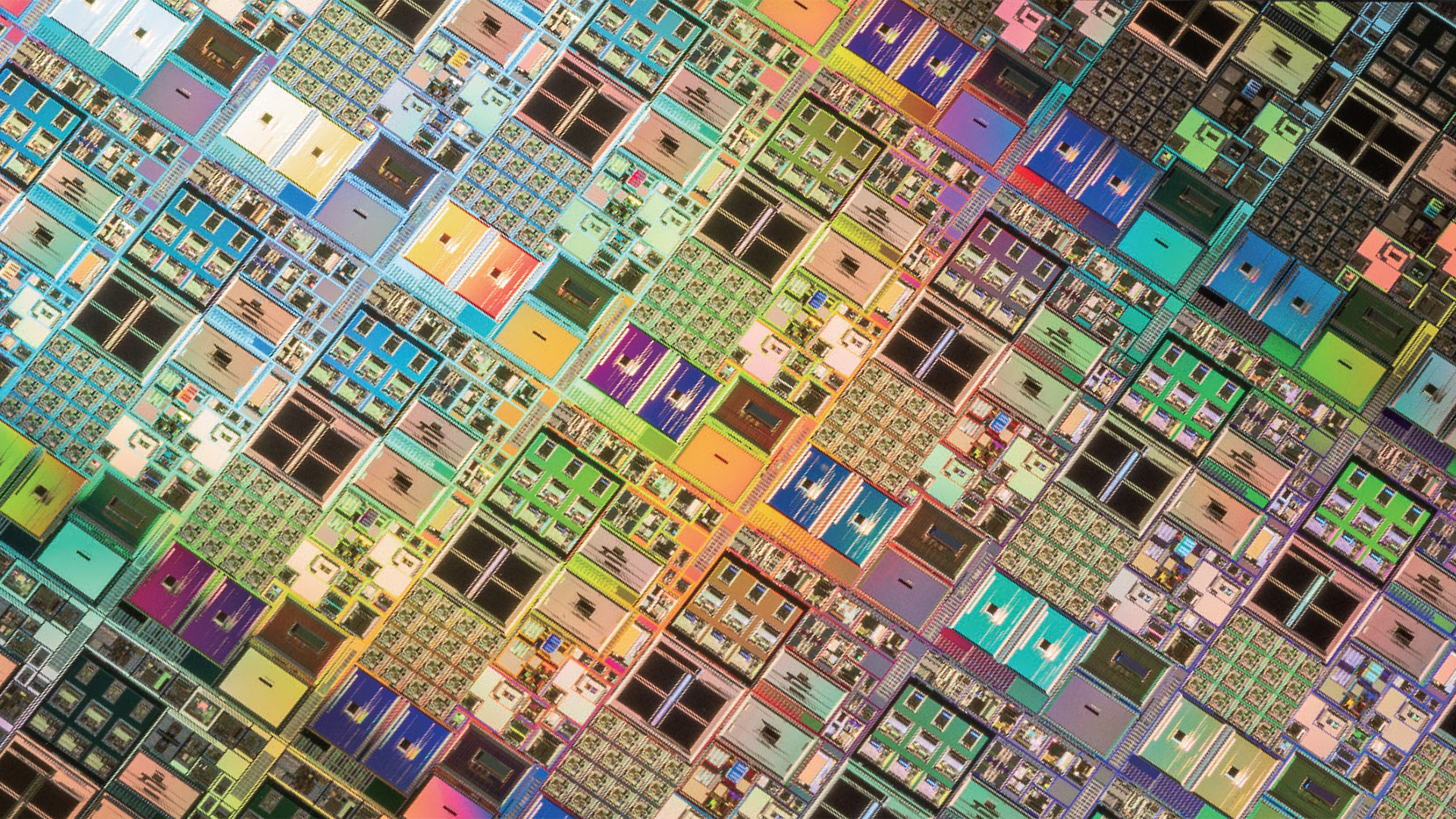
Helium performs at least four key functions in semiconductor fabrication, and none have viable substitutes.
The most important of these is cooling: ASML's EUV lithography machines, which are the only tools capable of printing features below 7nm, generate enormous heat during operation, and helium's thermal conductivity and chemical inertness make it the only gas suitable for cooling these systems without contamination risk. Beyond EUV, helium cooling of silicon wafers during ion implantation can affect the precision of dopant placement, even for fractional temperature variations.
Helium is also the standard gas for leak detection in vacuum chambers because its atoms are small enough to pass through microscopic defects that other gases cannot, making it irreplaceable for verifying sealed process environments. In thin-film deposition, helium serves as an inert carrier gas for reactive chemicals.
Jong-hwan Lee, a semiconductor devices professor at South Korea's Sangmyung University, told Nikkei recently that there’s currently no viable alternative to helium for cooling wafers. As EUV adoption accelerates — SK hynix placed a record $7.9 billion order for ASML EUV scanners on March 24 — helium consumption per wafer is increasing, not decreasing. The SIA warned in a 2023 filing to the USGS that if helium supply were disrupted, "there would likely be shocks to the global semiconductor manufacturing industry."
Unfortunately, the shortage extends beyond chip fabs. Most HDDs at 10TB capacity and above, for example, use helium as a sealed internal gas. Helium is seven times less dense than air, reducing aerodynamic drag on spinning platters and allowing manufacturers to pack more disks into each enclosure. The technology has been standard across all high-capacity enterprise drives since HGST introduced the first commercially successful helium-sealed HDD in 2013.
Even more unfortunate is the fact that the HDD market is already severely constrained, much like the rest of the memory market. Western Digital CEO Irving Tan confirmed during the company's Q2 2026 earnings call that WD has sold out of hard drives for 2026, with long-term agreements in place through 2028. Some 89% of WD's HDD revenue now comes from cloud customers, and prices have jumped an average of 46% since September 2025. A helium shortage on top of that existing demand crunch compounds the problem at both the production and pricing levels.
A fragile and concentrated supply chain
If Qatar accounts for roughly one-third of helium production, where’s the rest? Mostly in Russia and the United States, which, together with Algeria, account for 58% of global helium production.
The U.S. is the largest single producer at roughly 81 million cubic meters per year, but most of that supply is consumed domestically, limiting how quickly it can offset a disruption in global exports, according to the data at World Population Review.
The U.S. maintained a strategic helium reserve for decades, but the government began selling it down in the late 1990s under the 1996 Helium Privatization Act, and the Bureau of Land Management ended crude helium sales from the reserve entirely in 2023.
Russia's Amur Gas Processing Plant was supposed to supply up to 25% of global demand at full capacity and become the world’s largest helium producer, but the facility has been plagued by delays, explosions, technical setbacks, and Western sanctions. As of early 2026, Amur is still running well below capacity, and new exploration projects in Saskatchewan, Tanzania, and South Africa are years from lifting off.
How long can chip fabs hold out?
Helium is a cryogenic liquid that must be stored near absolute zero in specialized containers. Once insulation is depleted, the helium warms, expands into a gas, and escapes, so it must typically be transported within 45 days of liquefaction. Richard Brook, CEO of helium consultancy Garrison Ventures, told the New York Times that chip makers can store about six weeks' worth of supply. Roughly 200 specialized containers are reportedly stranded near the Strait of Hormuz.
South Korea is by far the most exposed country, with the Korea International Trade Association having reported that 64.7% of South Korea's helium imports came from Qatar in 2025. SK hynix has said it diversified its helium suppliers and secured sufficient inventory, but the country's exposure remains significant. TSMC, meanwhile, doesn’t currently anticipate a notable impact, and Taiwanese thinktank director Arisa Liu estimated the chip maker has enough helium for "several months."
Meanwhile, Bloomberg Economics analyst Michael Deng has noted that helium shortages could force chipmakers to prioritize higher-margin AI chips over less profitable (meaning consumer-focused) components. TSMC manufactures all of Nvidia's data center GPUs, for example, which generate far higher margins than consumer products like the RTX 50 series.
Recovery efforts are underway, though they’ll take some time to materialize. French industrial gas supplier Air Liquide opened a new factory near the port of Taichung, Taiwan, on March 27 to diversify helium sourcing for Taiwanese chip makers. In China, Guangdong Huate Gas has achieved mass production of 6N ultra-high-purity helium and secured ASML certification, according to TrendForce. China's annual production capacity of ultra-high-purity helium has reached about 1.2 million cubic meters, and several Chinese firms are developing recovery systems with reprocessing rates up to 98%.
Semiconductors sit at the top of the allocation pecking order when supplies tighten, Kornbluth told CNBC, with other industries likely to see their allocations cut first. But priority access cannot solve a physical shortage if Qatar's production remains offline over the coming months.



 English (US) ·