

Published Apr 4, 2026, 11:31 PM EDT
Dani Kessel Odom (they/them) is an autistic lead writer and TV critic who frequently covers sci-fi shows like Doctor Who and Pluribus, fantasy shows like The Magicians and Percy Jackson, horror, and superheroes. Their specialty is onscreen book adaptations.
They have covered events, such as the Denver Fan Expo. Their articles have also been shared by professionals in the field, such as Damien Leone and Lucy Hale. Their review for Ponies was quoted in the show's TV trailer.
In university, they majored in English Writing with a minor in psychology. They have always had a passion for analyzing TV and movies, even taking filmography and scriptwriting classes in university. They also studied and participated in onstage and onscreen acting extensively from the ages of 7 to 18.
Aside from working at Screen Rant, Dani has worked as a freelance editor and writer over the past decade, often in a ghostwriting capacity.
DC has many universes across TV and movies, but the Arrowverse beats out the Tomorrowverse animated movies in one significant way. DC Comics has been around for about 90 years at the time of writing. It has always been one of the major comic book publishers, and some of the best superheroes and villains exist within DC. However, success in comics hasn’t always translated to success onscreen.
The comic book publisher has brought its characters to life in numerous DC TV shows and movies. However, they didn’t really succeed at creating a mainstream, popular onscreen universe until 2012. The Arrowverse played a key role in introducing beloved DC characters to a broader audience.
While many DC fans look down on the Arrowverse, there’s no question that the franchise tried to capture the essence of the original comics. For better or worse, it brought to life some of the most iconic comic book stories. The TV universe even beat out the Tomorrowverse movies when adapting Crisis on Infinite Earths.
Crisis On Infinite Earths Is One Of The Most Challenging Comicbook Storylines To Adapt

The DC multiverse became untenable after five decades, with too many confusing universes and continuities. The Crisis on Infinite Earths maxi-series spans 12 extremely dense comic book issues, featuring hundreds of characters across myriad universes. The goal of the storyline was to collapse them all into one, resetting fifty years of DC Comics history.
The crossover meant bringing together iconic characters with drastically different personalities and up to fifty years of backstories. Writer Marv Wolfman and artist George Pérez needed an expert understanding of every single superhero in the plot. DC fans would have been able to clock any inaccurate characterizations. It’s also an incredibly large number of characters to balance.
The team had to make some difficult decisions about who would stay and who would go. In the comics, Barry Allen as the Flash and Kara Zor-El as Supergirl were on the chopping block. They needed to kill off fan-favorite heroes in a befitting way. Both characters stopped appearing in DC Comics for a significant period.
|
Crisis On Earth One/Crisis On Earth-Two (1963) |
|
Crisis On Earth Three (1964) |
|
Crisis On Earth Prime (1982) |
|
Crisis On Infinite Earths (1984-1986) |
|
Zero Hour: Crisis In Time (1994) |
|
Identity Crisis (2004) |
|
Infinite Crisis (2005-2006) |
|
Final Crisis (2008-2009) |
|
Heroes In Crisis (2018-2019) |
|
Dark Crisis On Infinite Earths (2022) |
The sheer amount of planning that had to go into this makes it awe-inspiring. The writer and artist also had to make it meaningful to old fans while also accessible to new readers. The end result was New Earth, which collapsed the surviving universes into a single understandable timeline.
Wolfman and Pérez are absolute icons for creating Crisis on Infinite Earths. The idea of rewriting the entirety of DC Comics history with a storyline that has permanent, lasting stakes never should have worked. The idea was simultaneously insane and ambitious. However, the event is considered one of the greatest comic stories of all time.
Crisis on Infinite Earths is the kind of perfection that’s impossible to replicate. The multiversal reboot has been replicated with New 52 and Rebirth. Given its legacy, any adaptation of Crisis, past or future, will have to meet out-of-this-world standards. There’s no phoning it in with this story.
So far, the only major attempts to bring Crisis to the screen are the Tomorrowverse animated movies and the Arrowverse's five-episode crossover event. While the Arrowverse has been critiqued in the years since it ended, there is zero question that the TV franchise beat DC’s animated movies when it comes to Crisis on Infinite Earths.
The Justice League: Crisis On Infinite Earths Animated Movies Were Not Very Great

The Tomorrowverse came to an end with the three Justice League: Crisis on Infinite Earths movies. In this version, the universe creates the Anti-Monitor after Constantine sends his Flash into the past to murder baby Darkseid, and the villain sets off the apocalyptic world-ending event. This version features Superman, Batman, Wonder Woman, the Justice League, and some allies fighting to save the multiverse.
The movies are pretty faithful to the comics in terms of major events in Crisis on Infinite Earths, just replacing the main heroes with those of the Tomorrowverse. If comic book accuracy were the deciding factor in terms of which version is better, the Justice League Crisis movies would beat the Arrowverse, hands down.
Unfortunately, the movies tried so hard to stick to the comics that it proved detrimental. The pacing was awful. They spent too much time trying to build a backstory and telling us why we needed to care. Then, the final movie overpacks the key events, never giving any of them enough time to breathe. This makes the emotional moments feel completely shallow and unimpactful.
On top of that, the animation in these movies feels weaker than anything else in the Tomorrowverse. If they were going to give more time and attention to a single thing, I’d think it would be Crisis. Sadly, the animation style feels flat, weakening the excitement of the action and the biggest moments. The quality just feels cheap, which doesn’t cut it when adapting such an important comic story.
Plus, this adaptation of the DC event makes the key mistake I mentioned that could have been the downfall of the comics. The superheroes in these three movies didn’t match the characterizations in the previous shows and movies. This was a major disappointment to fans of the Tomorrowverse.
Ultimately, Justice League: Crisis on Infinite Earths is mildly entertaining but nowhere near what it needed to be.
The Arrowverse’s Adaptation Of Crisis On Infinite Earths Is Its Best Crossover
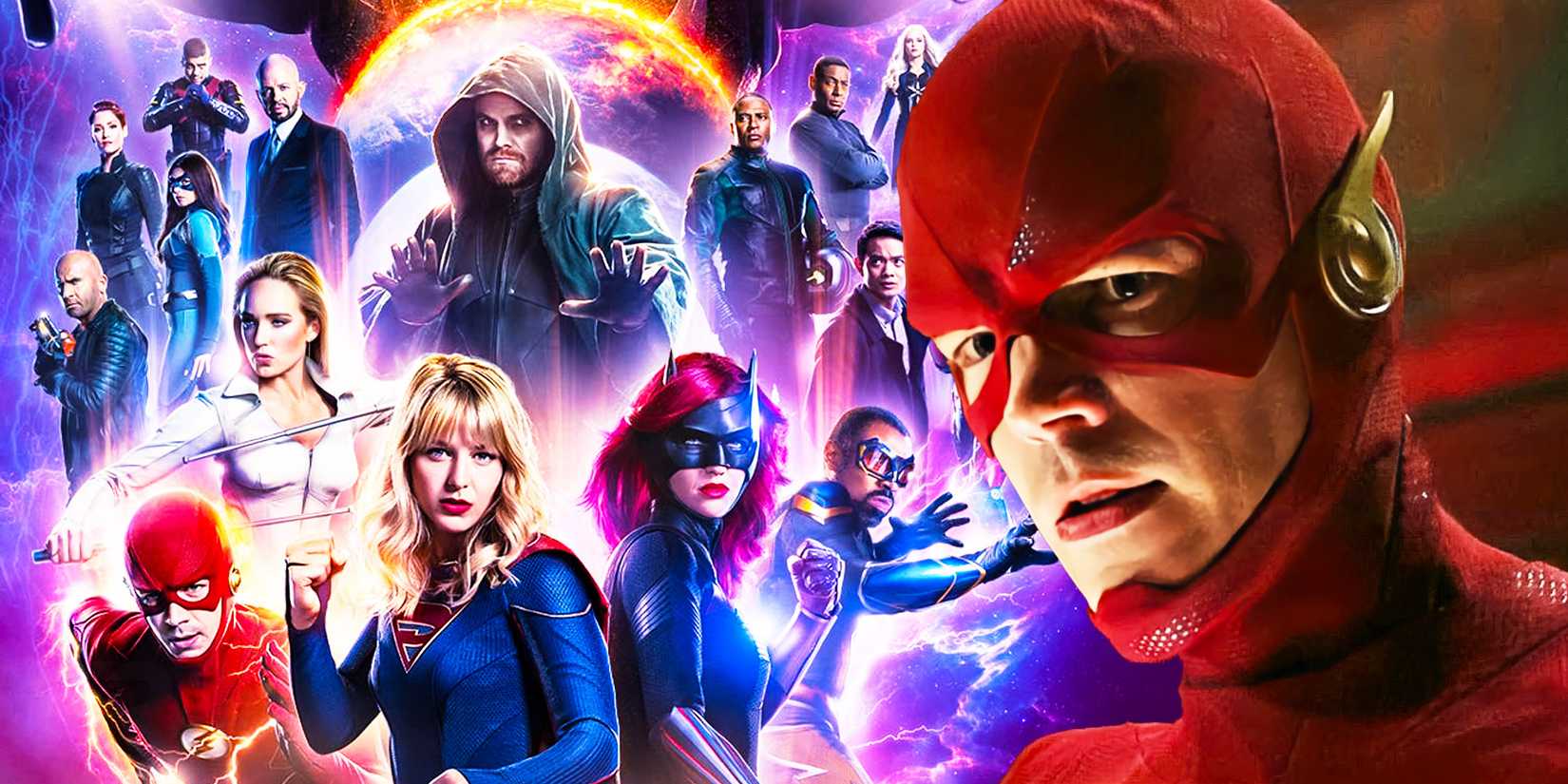
The Arrowverse adaptation took a different approach to the story, paying respect to the original while aligning it with the characters and stories of the TV universe. They kept many of the big events, but they weren’t as focused on replicating every part of the comics. They molded the major moments around the existing TV shows.
Arrow had been running for so many seasons that it was time to end, but The Flash and Supergirl still had plenty of stories to tell. As such, Oliver Queen is the person who dies instead of Barry Allen and Kara Zor-El.
The Flash’s disappearance is teased throughout all the seasons leading up to that, and they made the clever choice for John Wesley Shipp’s Flash from the 90s TV show to take the Arrowverse’s Barry Allen’s place.
On that note, the Arrowverse event replicated one key element of the original comics that the animated movies failed to capture. The five-episode crossover event didn’t just pay respect to the major Arrowverse TV shows. Crisis on Infinite Earths felt like a true homage to all the DC live-action series of the past.
It brought in Lucifer, Kevin Conroy’s Batman, and Burt Ward’s Dick Grayson, Superman from Smallville, John Wesley Shipp’s Flash, and had small references to other live-action DC shows of the past. It felt exactly like the comics in that it paid respect to everything that came before. The script captures the essence of each one, matching their original characterizations. At the same time, it was fairly accessible to new audiences.
They even brought in Marv Wolfman to co-write Part 4 of the crossover, and he played himself in the same episode. That’s how much they respected the legacy of the original Crisis on Infinite Earths.
Adding to all that, the choreography was top-notch. This event included the best fights in the Arrowverse. None of the characters felt like different people. The changes, like the seven Paragons, felt true to both the spirit of the original and the innovation of the new. Each episode utilized the show’s tone and style, yet they feel cohesive when watching all five together.
Ultimately, Arrowverse may not have stayed as true to DC Comics, but it better understood what it represented. Between superb emotional moments and high-stakes action, this TV universe beat out the animated DC movies' version of Crisis on Infinite Earths.
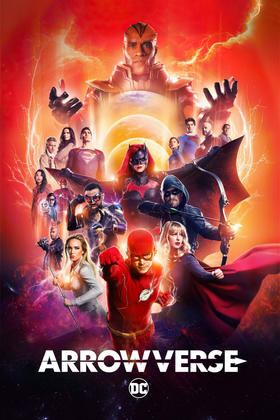
First Episode Air Date October 10, 2012
Latest Episode 2023-05-24
Cast Stephen Amell, Grant Gustin, Melissa Benoist, Caity Lotz, Cress Williams, Ruby Rose, Javicia Leslie


 English (US) ·