
Women have always been a driving force in television, in front of and behind the camera. Many of the best female-led TV shows are also created by women behind the scenes. From the black-and-white era to modern streaming shows, women have left an indelible mark on the best TV shows of all time.
Candice Bergen
Murphy Brown (1988-1998)
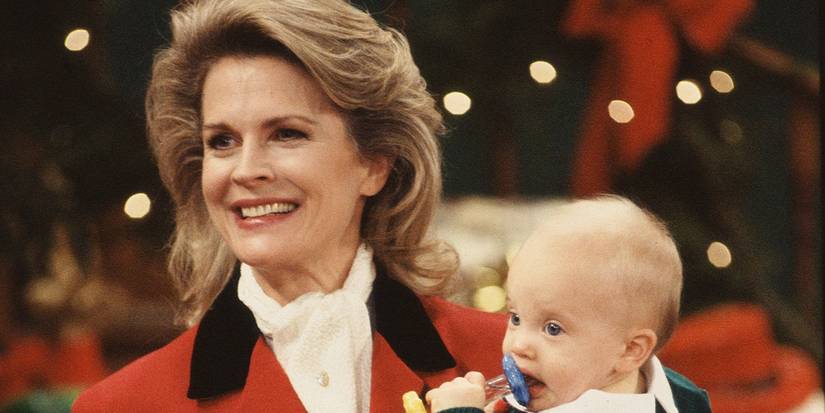
Candice Bergen’s series Murphy Brown built on the foundation of workplace comedies like The Mary Tyler Moore Show, but pushed the archetype into far more confrontational territory. On Murphy Brown, Bergen played a woman over 40 who was single, sharp-tongued, and unapologetically difficult, a far cry from the traditionally likable female leads that came before her.
As the dominant force behind the fictional FYI news magazine, Murphy is treated as one of the boys, having shattered glass ceilings to become one of the most formidable journalists on television. The series didn’t shy away from politics, most notably when Murphy’s decision to become a single mother sparked national controversy during the 1992 United States presidential election.
By centering on a woman who didn’t soften herself for audience approval, Murphy Brown helped redefine what female leads could be. The series paved the way for more complex, flawed protagonists in shows like Sex and the City and Ally McBeal.
Carol Burnett
The Carol Burnett Show (1967-1978)
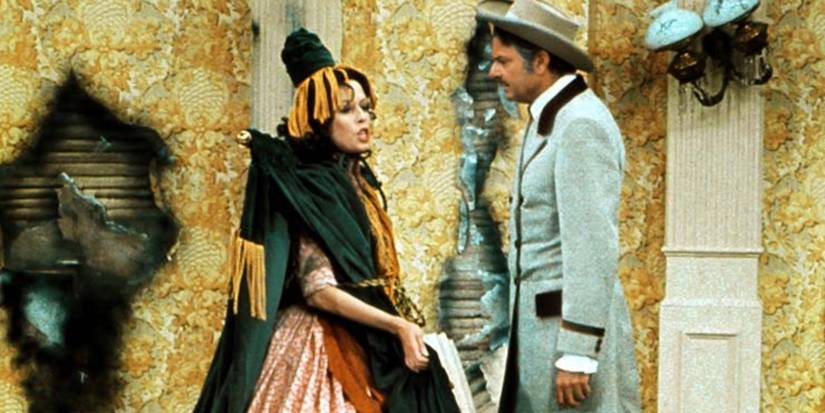
Carol Burnett transformed television comedy with her groundbreaking The Carol Burnett Show, which ran from 1967 to 1978. She was the first woman to host a comedy-variety series (and still one of the few), and she used the platform to redefine what female comedians could do on TV.
With vaudeville roots, the show blended sketches, film parodies, and song-and-dance numbers, creating a format that felt both theatrical and intimate. She was totally fearless, willing to look ridiculous and go big physically, making the audience feel like they were in on the joke in all of Burnett's best roles. Her comedy balanced broad parody with emotional specificity, grounding absurd sketches in relatable human truth.
Most importantly, Burnett helped define the variety sketch format, leading a male-dominated arena with warmth and authority. Even today, her legacy echoes in characters like Jean Smart’s Deborah Vance on Hacks, who draws inspiration from Burnett’s fearless, commanding stage presence. Burnett was even one of the best cameos in Hacks season 4.
Diahann Carroll
Julia (1968-1971)
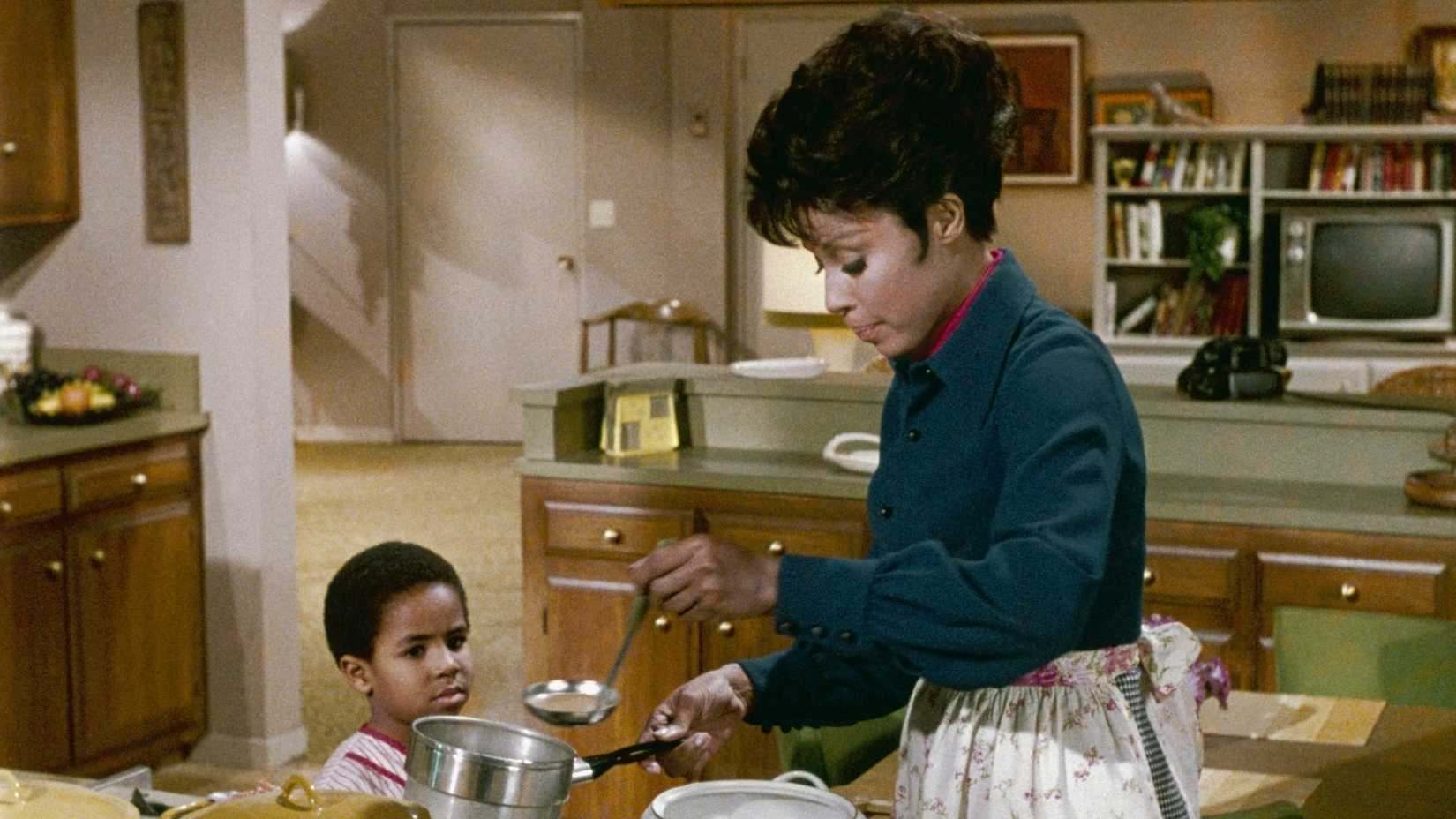
Diahann Carroll broke barriers on television with Julia, which debuted in 1968. Carroll starred as Julia Baker, a nurse and widowed single mother, marking the first American TV series to feature a Black woman in a lead role who was not a servant or slave.
While the show was criticized at the time for being apolitical and too safe, that caution reflected the enormous pressure of representing Black women on network television. Julia’s presence on screen offered a new template: a smart, independent, and relatable Black woman navigating both career and family life.
Although it did not overtly challenge systemic barriers, Julia laid essential groundwork for later series featuring Black female leads with agency, such as Scandal and Insecure. Its legacy endures as a turning point, proving that Black women could carry a network series while expanding the possibilities of representation on television.
Mindy Kaling
The Office (2005-2013), The Mindy Project (2012-2017), Never Have I Ever (2020-2023)
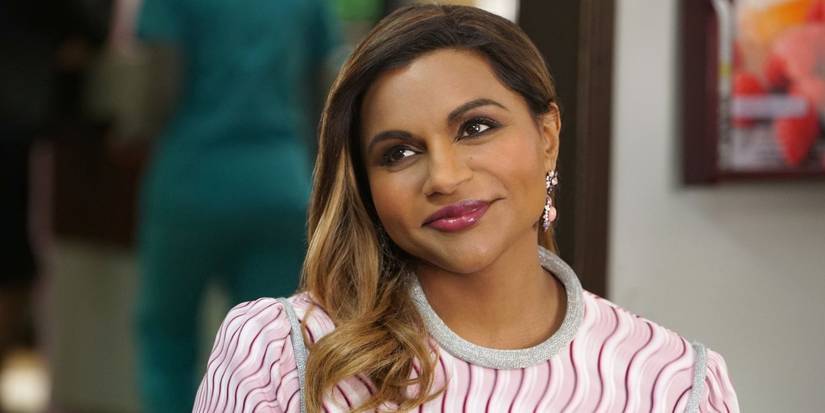
Mindy Kaling has carved out one of the most distinct comedic voices in modern television by blending sharp wit with unapologetic romantic messiness. She first made her mark on The Office, where she was not only a standout performer but also a key writer and notably the only woman in the writers’ room during season 1.
Following the path of multi-hyphenates like Tina Fey, Kaling stepped into the spotlight with The Mindy Project, an underrated, imperfect series that let her play a heightened version of herself as a romantically driven doctor. From there, she evolved into a full-fledged showrunning force.
Kaling's series Never Have I Ever and The Sex Lives of College Girls center the love lives of young Asian American women with humor and specificity rarely seen before. Kaling’s defining contribution is simple but impactful: smart, ambitious women can also be openly horny, romantic, and flawed. Most recently, she co-created the Kate Hudson-starring Netflix sports comedy Running Point.
Julia Louis-Dreyfus
Seinfeld (1989-1998), The New Adventures Of Old Christine (2006-2010), Veep (2012-2019)

Julia Louis-Dreyfus’s television career is remarkable not just for Seinfeld, but for her ongoing commitment to the medium long after the show ended. Unlike her Seinfeld co-stars, Louis-Dreyfus consistently returned to TV, drawn to the ability to inhabit characters over time and engage in the collaborative storytelling process that television allows.
She starred as the titular character in The New Adventures of Old Christine for five seasons, but her true second renaissance came with her brilliant, Emmy-laden turn as Selina Meyer in Veep, redefining the potential for female leads in sharp, politically-inflected comedy.
Across decades, Louis-Dreyfus has expanded the range of women in comedy. Her impact lies in both volume and sustained excellence, rather than a single revolutionary shift. It’s a shame that for the last few years, she has mostly been busy being underutilized as the impossibly named Contessa Valentina Allegra de Fontaine in the MCU, along with the occasional indie movie.
Mary Tyler Moore
The Mary Tyler Moore Show (1970-1977), The Dick Van Dyke Show (1961-1966)
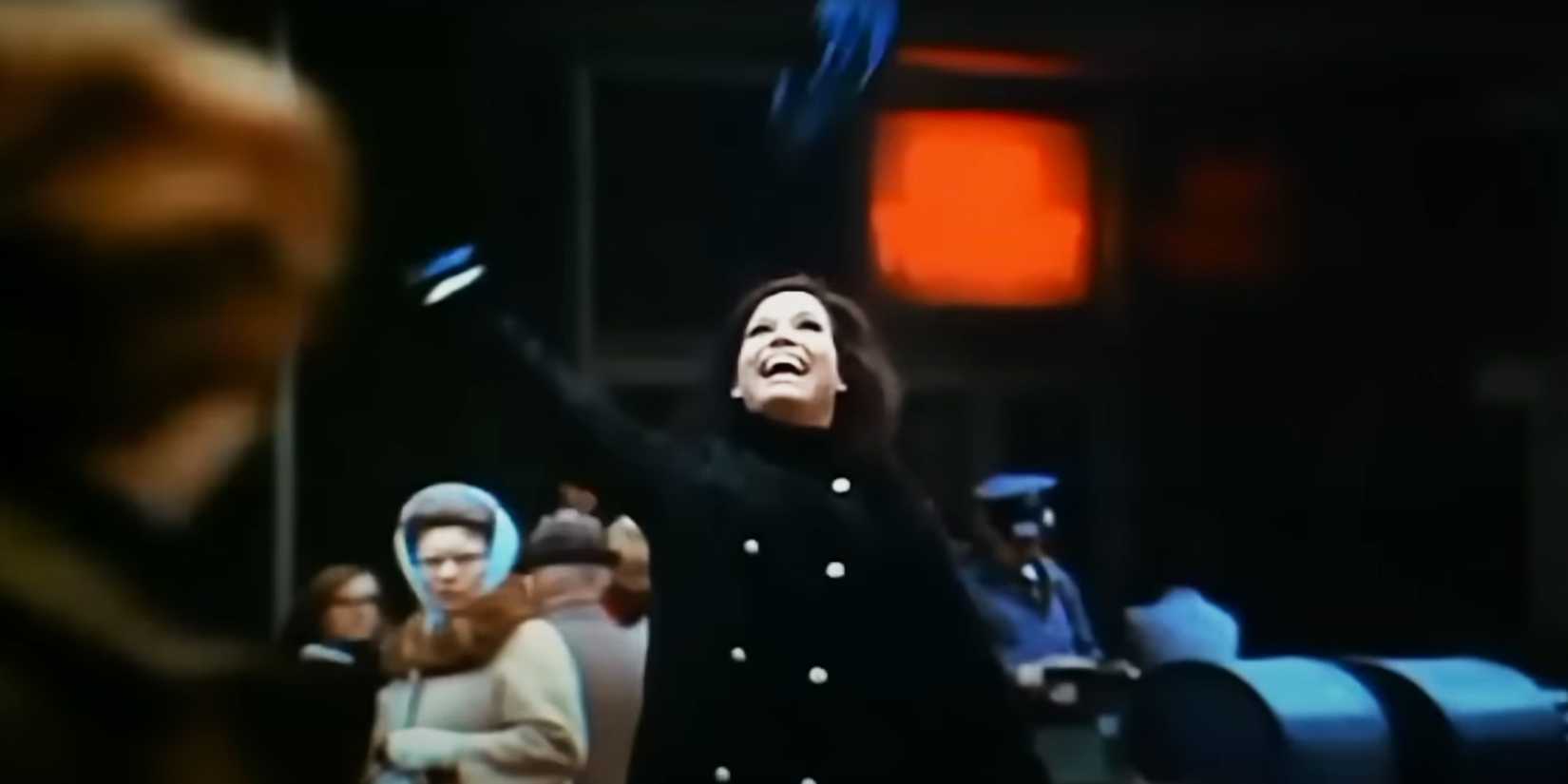
Mary Tyler Moore had already won audiences as the lovable wife on The Dick Van Dyke Show, but she truly made television history by stepping into the lead role on The Mary Tyler Moore Show. The show was groundbreaking in the era of second-wave feminism, portraying a single, independent woman whose life was not defined by marriage or a man.
The sitcom's complex, sympathetic characters and sharp storytelling earned critical acclaim and consistently high ratings, racking up 29 Primetime Emmy Awards, including Outstanding Comedy Series three years in a row, while Moore herself won Outstanding Lead Actress three times. The series also spun off three shows: Rhoda, Phyllis, and Lou Grant.
The Mary Tyler Moore Show changed television, directly influencing later shows such as Murphy Brown and Designing Women and leaving a legacy that continues to shape television comedy today. Moore’s natural charm and intelligence allowed her to reinvent the workplace comedy as a more personal and relatable space.
Marta Kauffman
Friends (1994-2004), Grace And Frankie (2015-2022)
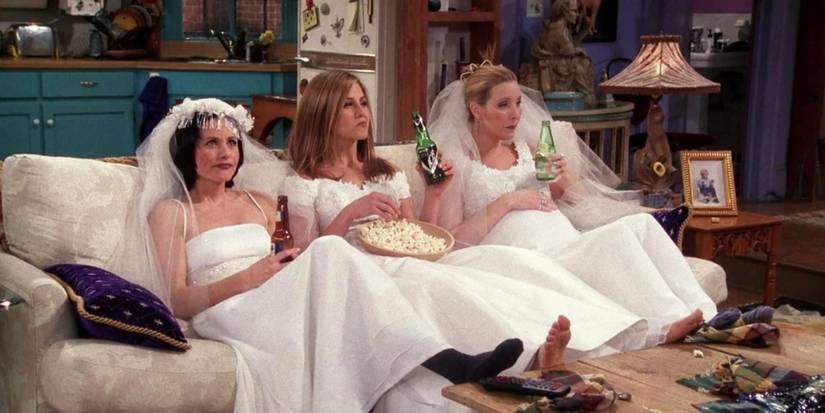
Marta Kauffman may not be a household name, but her work has shaped television for generations. She first made her mark as the co-creator of Friends, a show celebrated for its ensemble chemistry. The leads of the series believed in the group dynamic so much so that the six stars of Friends negotiated their salaries as a group.
Decades later, Kauffman returned with Grace and Frankie, a rare series that places older women at the center of its story, exploring love, friendship, and reinvention in later life. Across her career, Kauffman has consistently championed women’s voices and experiences, proving that comedy can be smart, heartfelt, and ensemble-driven.
Her work demonstrates that television can be both widely popular and socially resonant. Many shows have tried to be the next Friends, but none have the secret sauce. Kauffman has created opportunities for stories about women of all ages while influencing how writers and producers think about ensemble storytelling and female-led narratives.
Reese Witherspoon
Big Little Lies (2017-2019), The Morning Show (2019-Present)
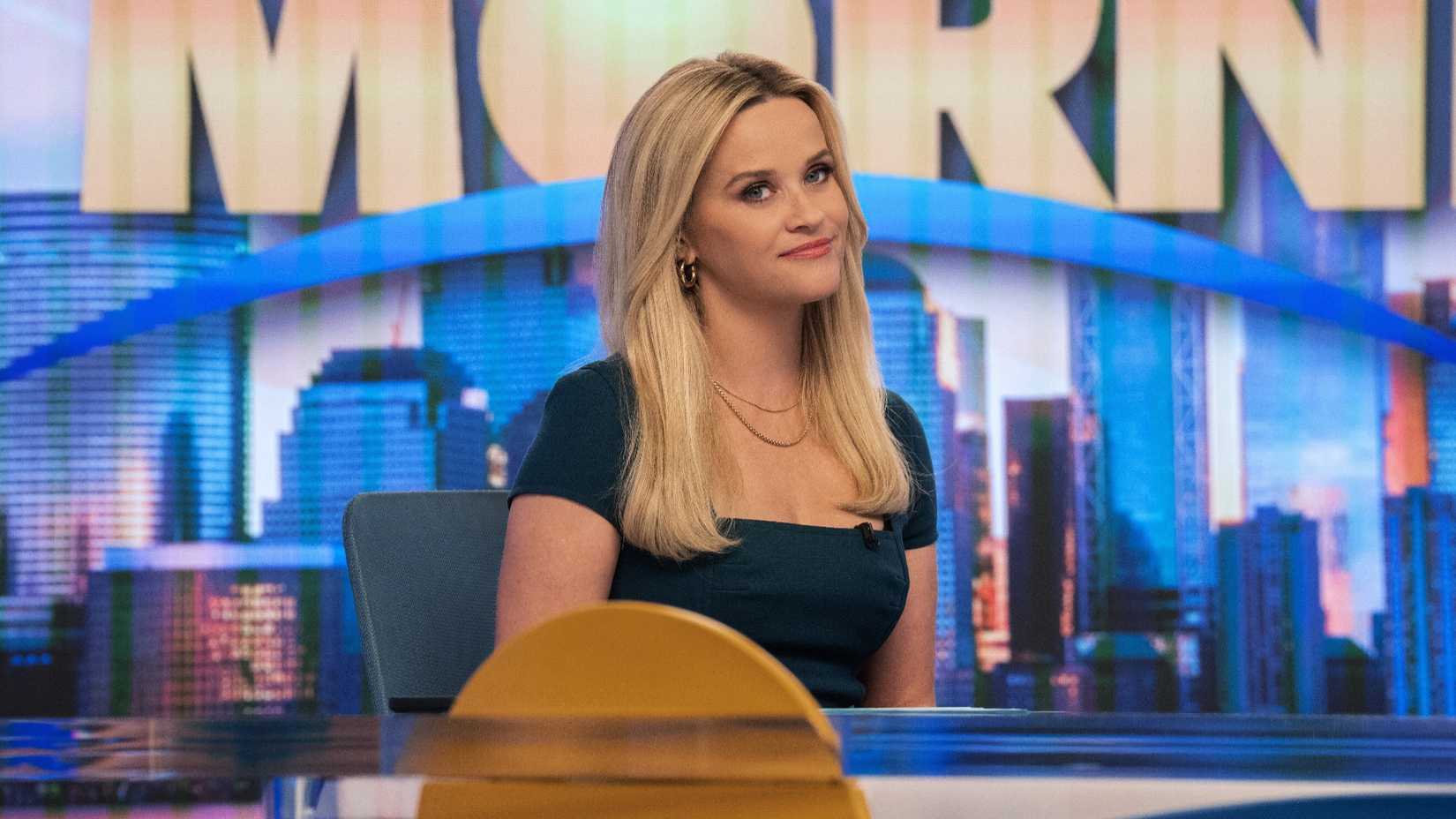
Reese Witherspoon has become a modern pioneer by using her star power to build a producing empire focused on women’s stories. Through her company, Hello Sunshine, she helped usher in a new era of prestige limited series, attracting major film talent with the promise of higher-quality storytelling in shorter TV seasons.
Early projects relied heavily on Witherspoon’s attachment as a draw, but her reputation as a tastemaker has since grown. Big Little Lies rewrote the rules of book adaptations when it expanded into season 2. Hello Sunshine has produced hits like the incredible adaptation of Daisy Jones & the Six, demonstrating Witherspoon’s commitment to elevating women’s voices on screen.
By blending star power, strategic producing, and a clear mission to champion women’s stories, Witherspoon has reshaped the landscape of modern television, proving that female-led content can dominate both critically and commercially. What, like it’s hard?
Shonda Rhimes
Grey’s Anatomy (2005-present), Scandal (2012-2018), Bridgerton (2020-present)
 Image via ABC
Shonda Rhimes began her career writing films like Crossroads and The Princess Diaries 2: Royal Engagement, but she truly exploded as a showrunner with original, high-stakes, character-driven dramas featuring morally complex leads. Grey’s Anatomy blended the procedural with steamy personal dynamics and continues to run decades after its 2005 premiere.
Scandal and How to Get Away with Murder cemented her as the queen of Thursday-night counterprogramming, creating serialized dramas that appealed to women against the dominance of football. Netflix poached her with a lucrative overall deal, yielding hits like Bridgerton, a sexy, modernized Regency story, and Inventing Anna, a buzzy departure from her usual fare.
Across all Rhimes' shows, she champions diverse, multidimensional characters, intense interpersonal conflict, fast-paced dialogue, and emotional catharsis. Her brand blends empowerment, ambition, and serialized storytelling that balances tension, humor, and heart.
Lucille Ball
I Love Lucy (1951-1957), Star Trek (1966-1969)
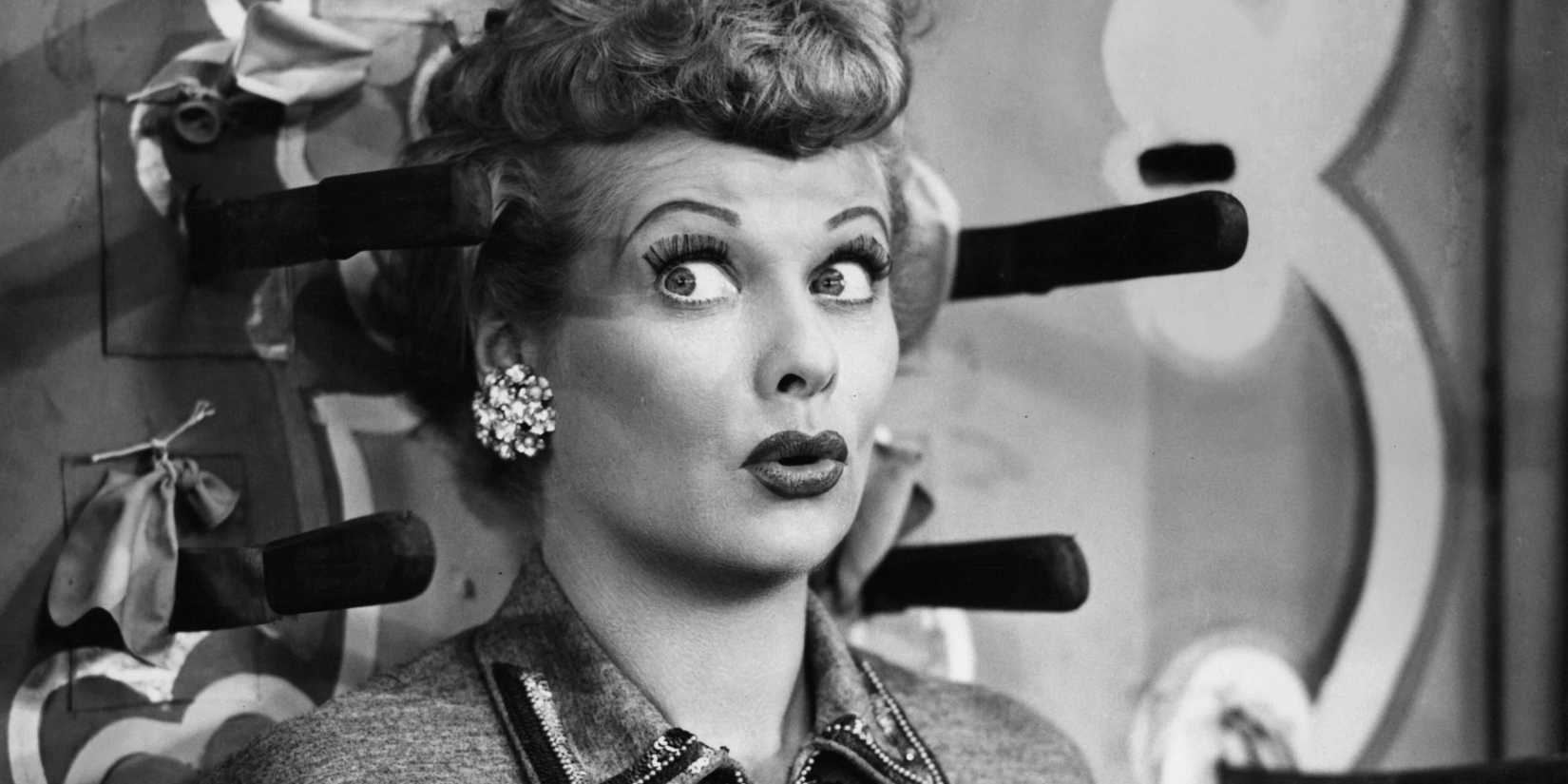
Lucille Ball’s impact on television is impossible to overstate. She helped invent the multi-camera show with a live audience on the groundbreaking sitcom I Love Lucy, capturing the energy of her vaudeville roots.
Though the show drew on Ball's real-life marriage, Ball fought to create Desilu Studios (named for herself and her husband) so she could portray an interracial marriage on network TV, a bold move for the era. Desilu’s influence went far beyond comedy.
The studio funded groundbreaking series, including Star Trek: The Original Series. Tom Cruise's Mission: Impossible films wouldn’t exist without the original TV Mission: Impossible series financed and produced by Desilu.
Ball’s genius combined beauty, humor, and business acumen, proving she could shape the industry both on and off screen. Even if she were remembered only for the iconic chocolate-stuffing scene in I Love Lucy, Ball's work in television and film would still define the possibilities of comedy and production for generations to come.





 English (US) ·