

The Sundance Film Festival’s last edition in Park City offered a bittersweet chance to take stock of how much the independent film world has changed. There are ways that it can now feel diminished, as the streaming world absorbs some of its energy — in ways both positive (certain movies enjoy a more popular platform at home than they ever could have in theaters) and negative (the buzz/conversation/sheer presence factor of a theatrical release still transcends your living room). Yet looking over our list of the best films at Sundance this year, we couldn’t help but notice all the golden-oldie trends that remain in place. One movie, “The Invite,” provoked a ’90s-style bidding war and got sold for a headline-making $12 million, and guess what? It lives up to the hype. The documentaries, like “Give Me the Ball!” and “The Oldest Person in the World,” still ruled. And the sheer range of movies on our list has, frankly, left us a little astonished. Do you still think there’s such a thing as a “Sundance movie”? The beauty of Sundance is that the real answer to that has always been no. And it still is.
-
Chasing Summer

Comedian Iliza Shlesinger escaped the state of Texas right after high school, but her hilarious, perceptive, deeply relatable comedy (directed with Judd Apatow-level skills by Josephine Decker) is all about looking back, as her overachieving character Jaime returns “home” after nearly 20 years away. Something embarrassing happened between Jaime and her teenage crush, Chase (“Smallville” star Tom Welling). She’s been out saving the world — that’s literally her job as a disaster relief worker — to prove herself to the bullies who’ve long since moved on. “Nobody’s thinking about high school anymore,” Chase says when they run into each other. He sure has changed, but has Jaime, who reverts back to her teenage self, flirting with a gallant, decades-younger kid (Garrett Wareing) at a kegger? Jaime has a lot of sorting out to do while in Texas, and Shlesigner’s insightful “you can’t go home again” story graciously lets her character fumble through it. (Read the full review by Peter Debruge.)
-
Frank & Louis
Image Credit: Rob Baker Ashton
Life behind bars means death behind bars, and all the pain and frailty that often precedes it — a fate that awaits a good number of America’s incarcerated millions, though one we rarely see discussed or depicted on screen. A two-hander set entirely within the steel-blue confines of an American men’s prison, Petra Volpe‘s drama charts with grace and sensitivity the initially reluctant but increasingly dependent connection between two inmates: a 60-year-old lifer (Rob Morgan) slipping into the fog of Alzheimer’s disease and a younger parole applicant (Kingsley Ben-Adir) enlisted to be the older man’s daily caretaker. Volpe has scant time for melodrama or farfetched buddy antics. But her film is all the more moving for that steady, solemn sense of mortal inevitability: As one man’s life gradually escapes his grasp, the other seeks to reclaim his while he still has time. (Read the full review by Guy Lodge.)
-
Gail Daughtry and the Celebrity Sex Pass
Image Credit: Courtesy of Sundance Film Festival
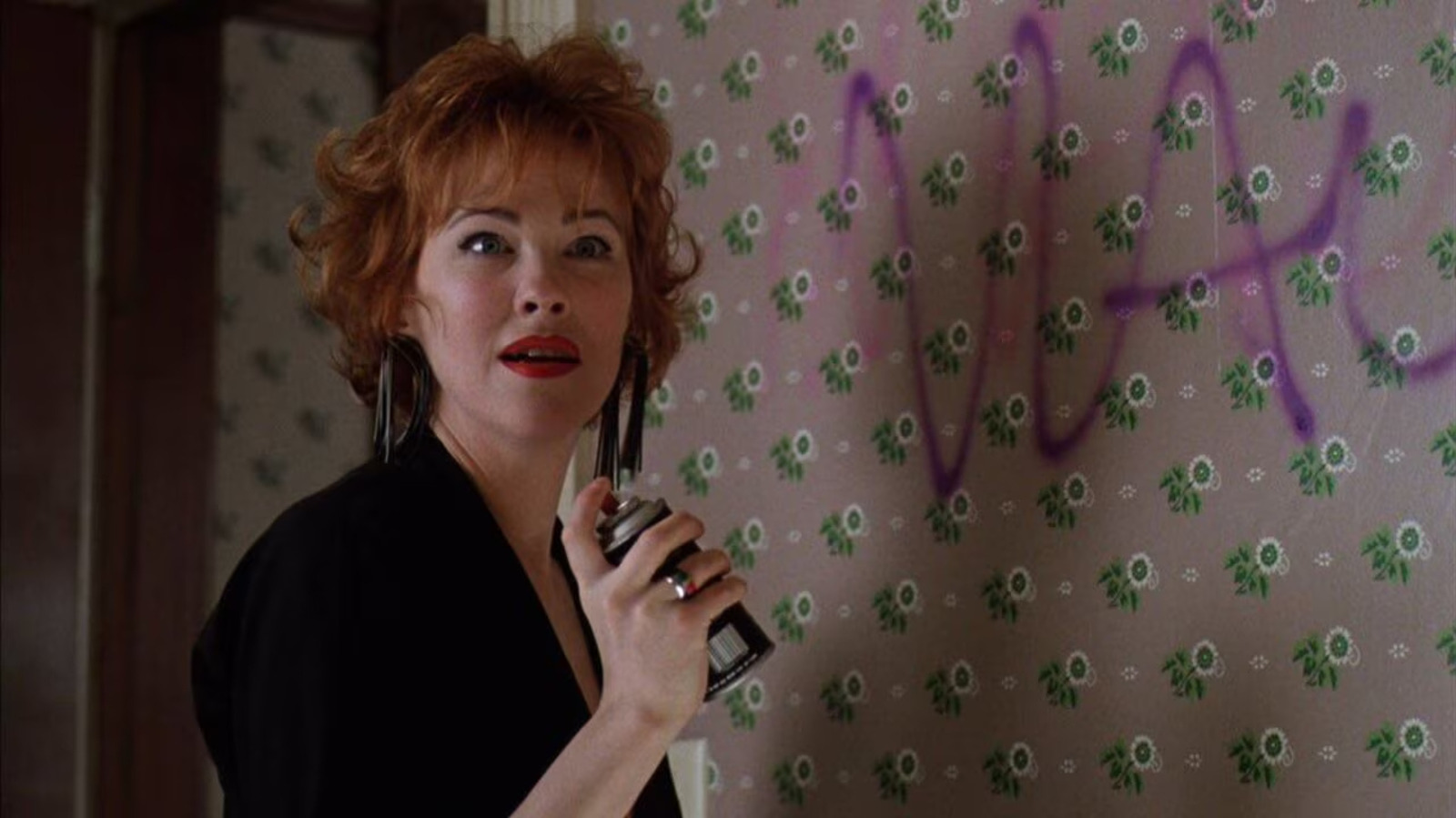
In David Wain’s antically funny satire of high-concept movies, Zoey Deutch plays a Kansas innocent who traipses through big bad L.A. in pursuit of Jon Hamm (the one celebrity she’s made a deal with her fiancé she can sleep with). In other hands, this might have been a plausible rom-com. But Wain turns it into a fish-out-of-water comedy laced with flaky surreal dunked-in-media lunacy. It’s a smartened up homage to dumbing down, rooted in an ironic nostalgia for a Hollyweird that barely exists anymore. (Read the full review by Owen Gleiberman.)
-
Give Me the Ball!
Image Credit: Courtesy of Sundance Film Festival
In their ferociously inspirational and entertaining documentary, directors Liz Garbus and Elizabeth Wolff demonstrate how the tennis superstar Billie Jean King became a game changer in every way. At 82, King talks in rich percussive sound bites, and the film, looking back over her extraordinary life and career, showcases her feral power as an athlete, her movie-star charisma (in that thick shag haircut, she was like Diane Keaton’s jock sister), her revolutionary war for equal pay, and the trauma and triumph that surrounded her sexual identity. It all comes to a head in the 1973 “Battle of the Sexes” match between King and Bobby Riggs, which becomes one of the most thrilling documentary sequences in years. (Read the full review by Owen Gleiberman.)
-
If I Go Will They Miss Me
Image Credit: Courtesy of Salaud Morisset
Even the most inspirational films about growing up in the inner-city have a tendency to look down on their subjects. But in Walter Thompson-Hernández’s one-of-a-kind Sundance discovery, the filmmaker — and his largely untrained ensemble — spend most of their time looking up to the skies, where passing airplanes represent the world beyond Los Angeles’ working-class Watts neighborhood. Talent-to-watch Thompson-Hernández gives them wings. Aiming to establish a new idiom to represent the community and conditions in which he was raised, the journalist-turned-director channels elements of surrealism, modern dance and Greek mythology that have never been combined in quite this way before. (Read the full review by Peter Debruge.)
-
The Invite
Image Credit: The Invite
Olivia Wilde’s bravura dinner-party dramedy is like “Who’s Afraid of Virginia Woolf?” redone as vintage Woody Allen. Joe (Seth Rogen), a former indie-rock musician, and Angela (Wilde), a high-strung bundle of nerve endings, will fight about anything under the sun, because that’s now their way of connecting. Their upstairs neighbors, Pína (Penélope Cruz) and Hawk (Edward Norton), are everything Joe and Angela are not: mellow, glamorous, harmonious. They also turn out to be “enlightened” New Age addicts of group sex. For all the controlled rancor on display, what draws us in is the remarkable flow of the dialogue, and the quartet of actors are amazing. “The Invite” is so full of surprise, so fresh and up-to-the-minute in its perception of how relationships work (or don’t), that you watch it in a state of rapt immersion and delight. A lot of people are going to see themselves mirrored in this movie, which is humane enough to play a truth game that rings true. (Read the full review by Owen Gleiberman.)
-
Josephine
Image Credit: Greta Zozula
Inspired by traumatic events in writer-director Beth de Araújo’s own childhood, “Josephine” tells the story of an 8-year-old girl (Mason Reeves) who sees something no child should — a sexual assault between two strangers — and her ensuing struggle to make sense of a crime she can’t begin to comprehend. Early one Sunday morning, while running through Golden Gate Park with her father (Channing Tatum), Josephine comes upon a shocking scene. Her parents’ instinct is to avoid the subject. “Josephine” eventually builds to a big courtroom moment where its title character courageously agrees to testify, but de Araújo seems less concerned with the verdict than she is with recognizing how the experience impacts Josephine, reshaping how she views the world going forward. While some might find it triggering, “Josephine” dares to confront the life-shattering intersection of sex and violence in our culture, facing the toughest of “adult situations” with clear eyes. (Read the full review by Peter Debruge.)
-
Leviticus
Image Credit: Ben Saunders
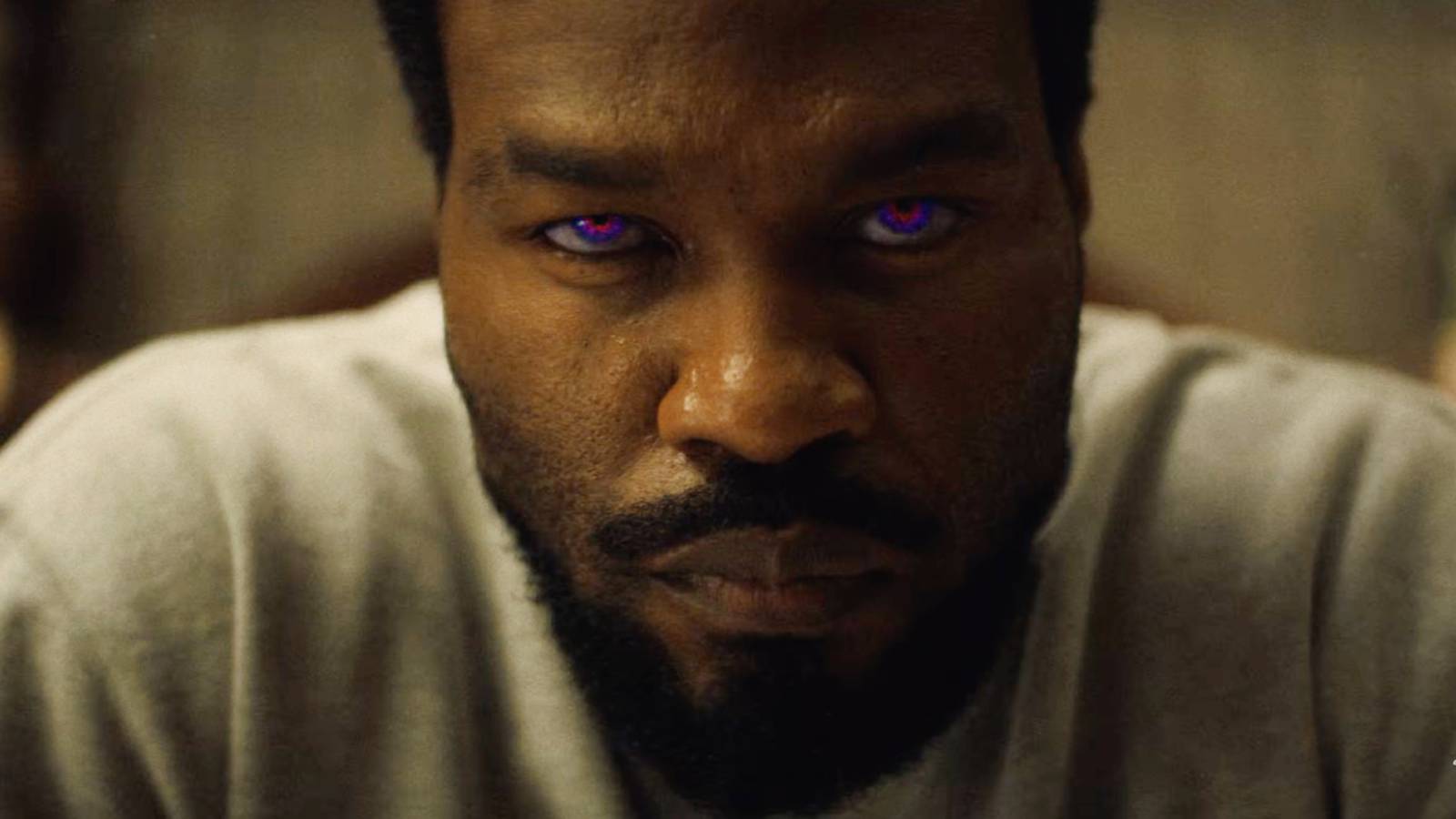
“I want it to look like you,” resonates as the most romantic line between the two young men at the center of Adrian Chiarella’s gripping queer horror, which reaches for unassuming brilliance through a supernatural premise that’s as terrifying as it is thematically relevant. The statement implies that if their fate is to be haunted by an entity that takes the form of the person they are most attracted to, they would choose for that malevolent force to personify one other. (Read the full review by Carlos Aguilar.)
-
The Oldest Person in the World
Image Credit: Reuters / Jean-Paul Pelissier
If life is a contest, the way the folks at Guinness World Records seem to treat it, how exactly does one win? Is it by amassing the most assets? The most wisdom? Some might argue that success comes in living the longest — in outliving all your peers, to put it in slightly more macabre terms — although Sam Green’s delightfully insightful “The Oldest Person in the World” suggests there’s an age at which the gift of life starts to feel … excessive. With his sneakily profound and unexpectedly personal new nonfiction project, Green takes a deep look at the subject of mortality. In the tradition of Agnès Varda, he’s determined to glean whatever advice he can from the last few people born way back in the 19th century, but also with his own uncertain future, as the director was diagnosed with multiple myeloma during the making of this film. (Read the full review by Peter Debruge.)
-
Once Upon a Time in Harlem
Image Credit: William Greaves Productions
In 1972, the pioneering documentary filmmaker William Greaves invited leading lights of the Harlem Renaissance to Duke Ellington’s home on St. Nicholas Avenue. The guests comprised a who’s who of that legendary period in the 1920s and ’30s when writers, actors, intellectuals and activists made Harlem a cultural hub of Black creativity and cultural ambition. Ten years after his father’s death, his son David completes this vivid and layered time capsule in which oral history is just one element of a historical excursion. (Read the full review by Lisa Kennedy.)
-
The Only Living Pickpocket in New York
Image Credit: MRC II Distribution Company L.P.
In a mesmerizingly tender performance, John Turturro plays 60-something Harry, a petty, old-school thief trying to get by in the Big Apple. Writer-director Noah Segan’s nostalgia-powered character study quietly mourns a bygone era, when life was analog and so were its criminals. Longtime actor Segan’s sophomore feature feels like a warm embrace in defiance of an increasingly cold world that has lost its manners, along with the tactile elements worth holding onto. It’s the kind of unapologetically local love letter to the Big Apple and its less-illustrious denizens that New York deserves. (Read the full review by Tomris Laffly.)
-
Shame and Money
Image Credit: Courtesy of Vicky Bane, Schuldenberg Films
Visar Morina’s third feature sees him turning his focus back to his homeland, after his excellent, likewise Sundance-premiered 2020 sophomore effort “Exile” offered a bitingly comic look at the Kosovan immigrant experience in modern Germany. There is markedly less humor in the studied, achingly sober “Shame and Money,” which again examines social outsider status, but this time with wealth and class — whether inherited or suddenly acquired — as the dividing barriers. Though his latest is a slow burn offering little in the way of hope or levity, Morina doesn’t trade in one-note miserablism either: Intricately observed domestic dynamics keep the drama textured and humane, as does Astrit Kabashi’s layered performance as a man softly beaten down but screaming on the inside. (Read the full review by Guy Lodge.)
-
When a Witness Recants
Image Credit: Dawud Anyabwile
In Dawn Porter’s powerful documentary, Ta-Nehisi Coates presents a stirring tale of American injustice, which he remembers from his high school days. The story of three Black teenage boys falsely convicted of murdering their classmate (and subsequently sentenced to life), the movie spans several decades, functioning as both an archival portrait of Baltimore in the 1980s and a retroactive true-crime investigation. However, its conclusions are entirely unexpected, and entirely devastating. (Read the full review by Siddhant Adlakha.)





 English (US) ·