

Published Jan 30, 2026, 12:46 PM EST
Dennis has written for publications like USA Today, Prediction News, and Psychology Today before bringing his thoughts to Collider. Despite consuming an arguably concerning amount of Netflix content, he maintains enough critical faculties to form opinions worth reading. His claim to fame is not falling asleep through virtually every film he's encountered in recent years—with one notable exception: falling asleep during "Barbie" only to be awakened by Ryan Gosling belting "I'm Just Ken." When not analyzing entertainment or defending his streaming habits as "research," Dennis can be found wondering if perhaps he should go outside more often.
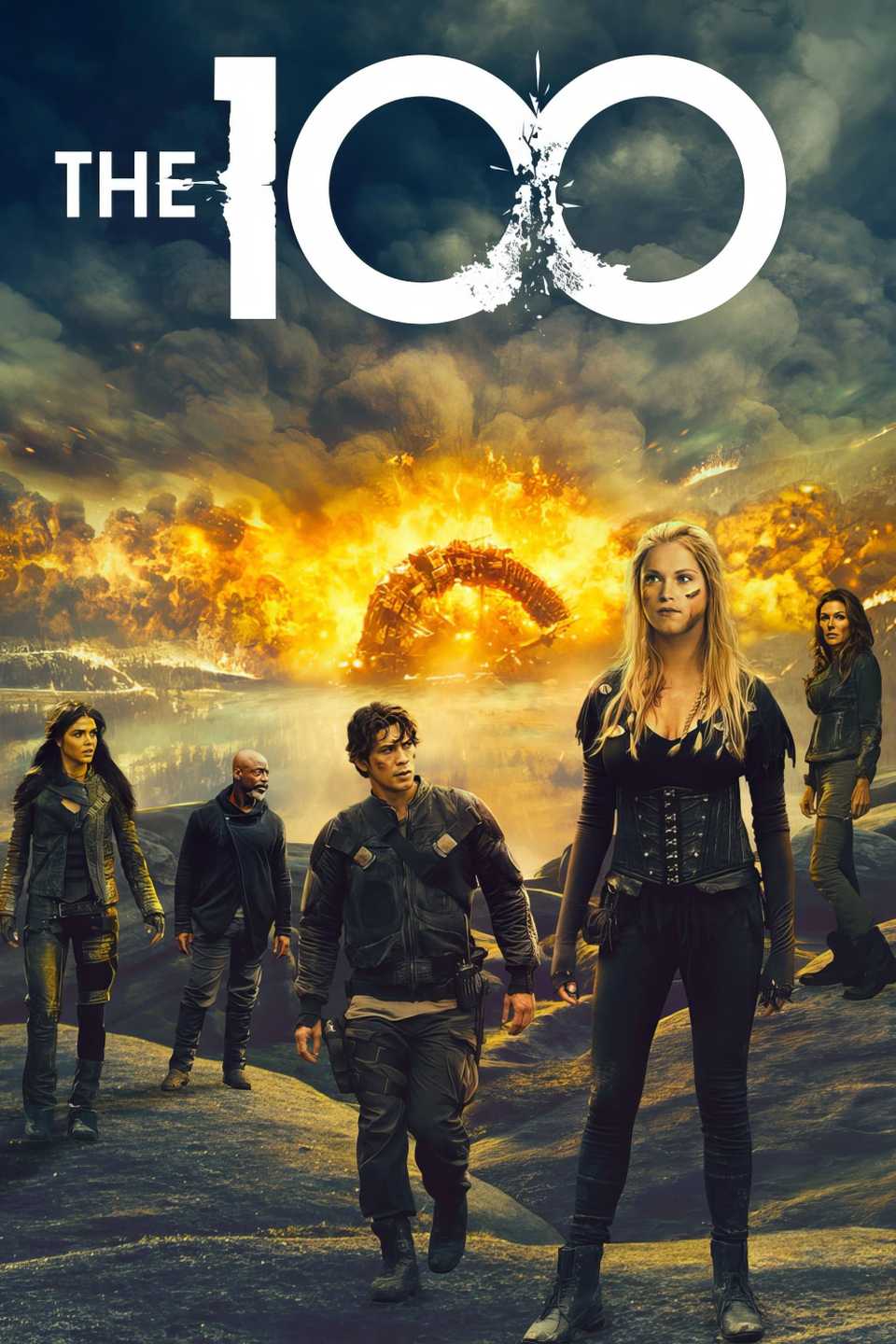
A CW show that was widely acclaimed and a fan-favorite among sci-fi fans? It sounds hard to believe. The channel is best known for its teen shows like Gossip Girl, Riverdale, and The Vampire Diaries, which are typically bursting with drama and cliché storylines, but not all its shows were like this. One sci-fi show in particular stood out for excelling in writing, acting, and world-building: The 100. Running for seven seasons from 2014 to 2020, Jason Rothenberg led a CW series that defied expectations.
Rather than relying on tropes and trite teen drama plot points, the series largely charted its own course and developed a passionate fanbase. Despite an acclaimed run, with four of its seven seasons receiving a 100% rating on Rotten Tomatoes, The 100 faced its fair share of criticism and controversy, particularly in Season 3.
What Is 'The 100' About?
Based on the YA series by Kass Morgan, The 100 takes place in a world where the Earth has been ravaged by nuclear warfare. Thousands of people escaped into space on something suitably called the Ark. This station orbits Earth, and 97 years have passed since they escaped. Three generations have been born on the Ark, but they are now running out of resources and need to find a solution. The leaders of this station decided to send one hundred (hence the name) juvenile detainees to Earth to determine whether the planet had become habitable. This is only the beginning of many decisions that we discover on the journey of The 100 that make you question the morality of all the characters.
'The 100' Started Out Strong and Raised the Stakes for CW Shows
 Image via The CW
The teenagers soon discover that the planet is now uninhabitable and that certain humans have survived and formed their own cultures, languages, and beliefs in the 97 years since the rest of humanity has died out. The first few episodes of the series start out as a typical CW series with plenty of teen drama, but in several episodes, it suddenly shifts to a series that you can’t help but take seriously.
Before you know it, you realize that, similar to shows like Game of Thrones, no one in the series is safe, and being a “main character” means nothing if their death moves the plot forward. Most notably, the series was praised for creating characters with beautiful arcs, some of which made the characters unrecognizable from when we first met them. But regardless of the many positives and strengths of the series, several controversies tainted The 100’s reputation throughout its run.
'The 100' Fell Victim to One of the Worst TV Tropes
 Image via The CW
First introduced in Season 2, Alycia Debnam-Carey joined the show as Lexa, the Commander of the Grounders. She unites the Grounder clans against the Mountain Men. One of the main characters, Clarke (Eliza Taylor) — and pseudo-leader of the humans from the Ark — and Lexa begin as enemies, and their relationship sets off a roller-coaster journey. They form alliances and betray one another, until ultimately the two of them develop feelings for one another and bond over the shared burden of leading a people in this dangerous world. In Season 3, Episode 7, they finally reconcile and share their first intimate scene. Unfortunately, right after their sex scene, Lexa accidentally gets shot by a stray bullet meant for Clarke. Lexa had become a beloved character, and their growing relationship was one of the many reasons fans loved the series.

Related
This death led to an uproar from fans and spread like wildfire, and a conversation about popular media and the "bury your gays" trope. Essentially, the idea is that LGBTQ+ characters rarely have a happy ending and typically have to deal with plenty of hardships in popular media, like homophobia, bullying, and even death. In multiple articles by Autostraddle, they illustrated that many of the lesbian and bisexual characters die.
One 2014 list detailed how there were 242 dead lesbian and bisexual characters on TV. While Rothenberg insisted that the decision was made for story reasons (and, practical reasons, because Debnam-Carey had been cast as a series regular in Fear the Walking Dead), he later apologized, saying he regretted perpetuating any tropes, regardless of whether that wasn’t the intention. As a result of this controversy, for many in pop culture, The 100 became synonymous with the "bury your gays" trope, and the series lost a major portion of its fan base. Despite this, the series went on for four more seasons.
'The 100' Faced More Backlash in Season 7
 Image via CW
While no controversy was as widespread as the "bury your gays" trope for the series, the seventh season received backlash for how it handled a main character’s story arc. As mentioned previously, the sci-fi show was praised for its strong character arcs filled with growth. One great example of this was Bellamy Blake (Bob Morley). The character began as an arrogant, antagonistic rebel who constantly clashed with Clarke. As the series progressed, Bellamy evolved into a selfless leader who frequently disagreed with Clarke but supported her decisions. In the seventh season, there was a significant departure for the character.
Not only was he absent for most of the series, but he was brainwashed by the Disciples and their leader, becoming essentially a very passionate cult follower. And after threatening to surrender Madi's (Lola Flanery) Flame sketchbook, he gets shot by his closest friend: Clarke. Yes, that Clarke. Fans were outraged by the decision, calling it poor writing and claiming it was done solely for shock value. The series had undone a powerful, effective six-season character arc with poor writing in the final season.
Rothenberg defended the writing and believed it aligned with the show's overall themes of survival, life, and death. But there were also behind-the-scenes details that likely affected the storyline. According to a TV Guide interview, Morley asked for reduced screen time in the final season so he could take a break. No matter what the reasons were for this pivot, it led to a disappointing ending of The 100, a promising sci-fi series that was already marred by controversy.
Release Date 2014 - 2020-00-00
Network The CW




 English (US) ·