
I still remember watching an old thriller late one night, one of those films from the seventies that moves slowly and refuses to explain itself. It felt very different from the thrillers I grew up with, which were louder, faster, and much more direct. Over the years, as I kept watching thrillers from different decades, I started noticing how the genre kept changing without ever losing its core tension.
In the last fifty years, thrillers have moved from quiet paranoia to procedural detail, then into psychological pressure and social unease. The tools have changed, but the focus has stayed on people making choices under stress. This list comes from that long stretch of watching and rewatching. These films are perfect because they understand fear and patience in ways that still hold up today.
10 ‘Misery’ (1990)
 Image via Columbia Pictures
Misery follows Paul Sheldon (James Caan), a successful novelist who survives a car crash during a snowstorm and wakes up in the home of Annie Wilkes (Kathy Bates), a former nurse who claims to be his biggest fan. At first, Paul believes he is lucky to be alive, especially since Annie seems attentive and proud of having saved him. That belief fades as he realizes he is physically trapped, heavily medicated, and completely dependent on someone whose moods shift without warning.
The story stays almost entirely inside the house, which makes every interaction feel heavier over time. Annie reacts strongly to small disappointments, especially when Paul’s writing does not match her expectations. Paul begins to plan quietly, hiding his fear while looking for moments where he can test his limits.
9 ‘Heat’ (1995)
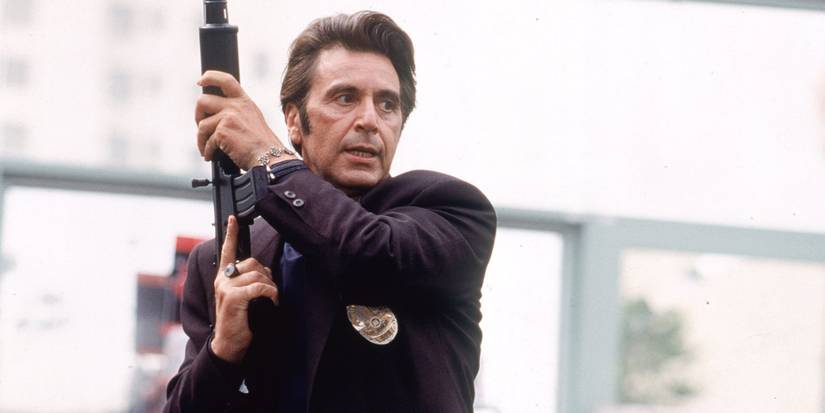 Image via Warner Bros. Pictures
Heat centers on two men who live by strict routines that leave little room for personal attachment. Neil McCauley (Robert De Niro) leads a professional robbery crew and believes emotional distance is necessary for survival. Vincent Hanna (Al Pacino) is a detective whose commitment to his job has already damaged his personal life. Their paths cross through surveillance, crime scenes, and long stretches of waiting.
The film spends time showing how both men prepare for their work, from planning robberies to studying suspects and managing teams. These scenes give weight to their eventual meetings. The diner conversation is still the most famous scene in the series because it sounds like two exhausted professionals acknowledging how similar their lives have become. What stays with you till the end is the quiet understanding that neither man knows how to stop.
8 ‘The Silence of the Lambs’ (1991)
 Image via Orion Pictures
The Silence of the Lambs follows Clarice Starling (Jodie Foster), an FBI trainee who is sent to interview an imprisoned serial killer as part of an ongoing investigation. Clarice enters this work from a position of inexperience, which the film never hides, especially when she walks into male-dominated spaces where she is constantly being assessed. Her conversations with Dr. Hannibal Lecter (Anthony Hopkins) begin as formal interviews, but they slowly turn personal in ways Clarice cannot fully control.
The film shows how each meeting costs Clarice something emotionally, even when she gains useful information. Lecter listens closely and responds with precision, which forces Clarice to reveal parts of herself she would rather keep guarded. Outside the prison, the investigation moves forward through routine police work, dead ends, and pressure from superiors. The tension grows from how closely Clarice has to engage with someone dangerous in order to do her job properly.
7 ‘Zodiac’ (2007)
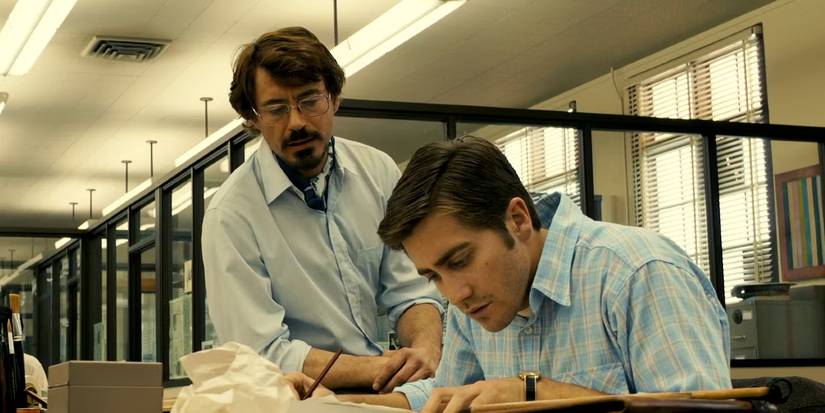 Image via Paramount Pictures
Zodiac focuses on a long and frustrating investigation into a real series of murders that remain unsolved. The story moves through the perspectives of newspaper cartoonist Robert Graysmith (Jake Gyllenhaal), reporter Paul Avery (Robert Downey Jr.), and detective Dave Toschi (Mark Ruffalo), each of whom becomes involved for different reasons. At first, the case feels like one assignment among many, especially for the journalists covering it.
Over the years, the search for answers has begun to interfere with their personal lives. Graysmith becomes increasingly fixated, spending nights organizing files and chasing small details that others dismiss. Avery’s confidence fades as the pressure builds, while Toschi struggles with institutional limits and public expectations. The film does not rush toward conclusions because the real story never provided one. Instead, it shows how uncertainty lingers and how obsession can quietly reshape a person’s life without offering closure in return.
6 ‘Blue Velvet’ (1986)
 Image via De Laurentiis Entertainment Group
Blue Velvet follows Jeffrey Beaumont (Kyle MacLachlan), a college student who returns home after his father collapses and slowly realizes that his quiet town is not as harmless as it looks. His curiosity begins with a strange discovery in a field, and instead of reporting it and walking away, he decides to keep looking. That choice pulls him toward nightclub singer Dorothy Vallens (Isabella Rossellini), whose private life is filled with fear and control. Jeffrey does not fully understand what he is stepping into, which makes his decisions more reckless than heroic.
The film spends time letting Jeffrey drift between two worlds, one built around normal routines, and the other shaped by secrecy and violence. Frank Booth (Dennis Hopper) enters the story as an unpredictable presence who dominates every space he occupies. The film is disturbing because Jeffrey crosses lines without knowing how to handle what follows.
5 ‘No Country for Old Men’ (2007)
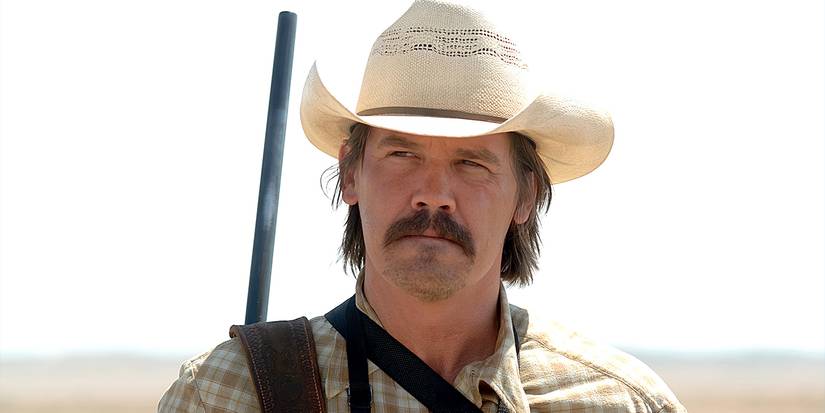 Image via Miramax Films
No Country for Old Men begins when Llewelyn Moss (Josh Brolin) stumbles across the aftermath of a drug deal gone wrong while hunting in the desert. He takes a briefcase filled with money, fully aware that someone will come looking for it. That decision sets off a chain of events that he can never fully control. Anton Chigurh (Javier Bardem) enters the story as the person sent to recover the money, and his calm manner makes his actions even harder to predict.
Sheriff Ed Tom Bell (Tommy Lee Jones) follows the trail left behind, often arriving after violence has already occurred. The film shows how each man reacts differently to danger, with Moss relying on instinct, Chigurh following his own rigid logic, and Bell struggling to understand a world that no longer feels familiar. The tension comes from watching choices unfold without reassurance that anyone will make it out intact.
4 ‘Uncut Gems’ (2019)
 Imag via A24
Uncut Gems follows Howard Ratner (Adam Sandler), a New York jewelry dealer who survives on constant movement, noise, and risky decisions. He juggles a failing business, gambling debts, and a strained marriage, while convincing himself that one lucky break will fix everything. When Howard acquires a rare opal, he treats it as his way out, even though it pulls him deeper into trouble. Every choice he makes is driven by urgency.
The film stays close to Howard as he talks, negotiates, lies, and argues his way through each day. What makes the film intense is not the plot twists, but the refusal to give Howard a pause to think. His world moves too fast for reflection, and that speed becomes the source of his collapse.
3 ‘The Lives of Others’ (2006)

Image via Buena Vista International
The Lives of Others takes place in East Germany during the final years of the Cold War and focuses on Gerd Wiesler (Ulrich Mühe), a Stasi officer assigned to monitor a playwright and his partner. Wiesler begins the job with strict discipline, believing fully in the system he serves. He listens to phone calls, records private conversations, and writes reports without hesitation.
Over time, the act of listening changes him. As he hears Georg Dreyman (Sebastian Koch) speak about art, fear, and loyalty, Wiesler becomes more aware of the personal cost of constant surveillance. The film shows this shift through small actions, such as altered reports and moments of silence. Power remains present throughout, but the story focuses on how proximity to other people’s lives can quietly reshape someone who once believed he was untouched by emotion.
2 ‘Parasite’ (2019)
 Image via NEON
Parasite follows the Kim family, who live in a cramped basement apartment and survive on unstable, low-paying work. When Ki-woo (Choi Woo-shik) gets the chance to tutor the daughter of a wealthy household, the Parks, he slowly brings the rest of his family into their lives through a series of small lies and calculated introductions. Each family member takes on a role inside the house, replacing existing staff while pretending not to know one another.
As the two families become more entangled, the story begins to reveal how fragile both sides really are. The Kims try to maintain their new position, while the Parks remain mostly unaware of what is happening under their roof. The film keeps shifting between humor, discomfort, and danger, showing how close ambition, resentment, and desperation can sit beside each other.
1 ‘Se7en’ (1995)
 Image via New Line Cinema
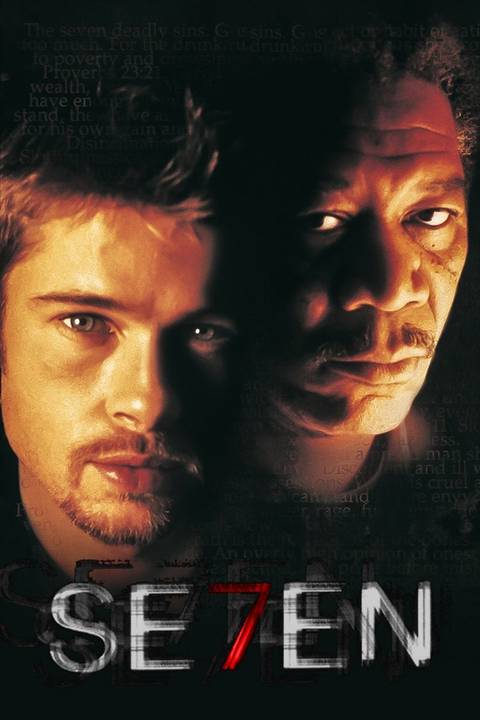
Se7en centers on two detectives, the seasoned William Somerset (Morgan Freeman) and the impulsive David Mills (Brad Pitt), as they investigate a series of murders inspired by the seven deadly sins. Each crime scene is designed to reflect a specific moral failure, and the killer leaves behind clues that force the detectives to confront both the logic and the intent behind the violence.
As the investigation progresses, Somerset tries to keep emotional distance, while Mills becomes more personally affected by the case. Their differences shape how they interpret evidence and respond to the growing sense of control the killer seems to hold. The film does not rush its revelations; instead spends time on procedure, frustration, and the mental strain of working through disturbing material. By the time the final confrontation arrives, the outcome feels tied to the choices and temperaments the characters have shown from the beginning.
Se7en
Release Date September 22, 1995
Runtime 127 minutes
Writers Andrew Kevin Walker






 English (US) ·