
 Image via Paramount Pictures
Published Jun 25, 2026, 11:12 PM EDT
Writing from the Chicagoland area in Illinois, Robert is an avid movie watcher and will take just about any excuse to find time to go to his local movie theaters. Robert graduated from Bradley University with degrees in Journalism and Game Design with a minor in Film Studies. Robert tries his best to keep up with all the latest movie releases, from those released in theaters to those released on streaming. While he doesn't always keep up with the latest TV shows, he makes it a goal to watch nearly every major new release possible. He has been honing his craft and following any and all movie news all his life, leading up to now, where he has a vast knowledge of film and film history. He also logs every movie that he watches on his Letterboxd page, and has hosted a weekly online movie night with his closest friends for over 6 years.
Sign in to your Collider account
While cinema and moviemaking continue to be a dominant force in the realm of storytelling, it is far from the only way to tell a compelling original or non-fictional story, as novels and literature have compelled readers for centuries before movies were invented. However, there is often a combination and collaboration between the mediums, with many of the most acclaimed and popular books of all time being adapted and evolved into a visual medium through filmmaking techniques.
No genre shows off this prominence and capabilities like stories of crime and deception, being able to further amplify the themes and energy of these stories, at some points even revolutionizing them as the premiere version of the story. Several of these crime adaptations have become massively acclaimed in their own right, not only becoming legendary in the realm of crime films but also some of the most widely celebrated and greatest films of all time.
10 'The Girl with the Dragon Tattoo' (2011)
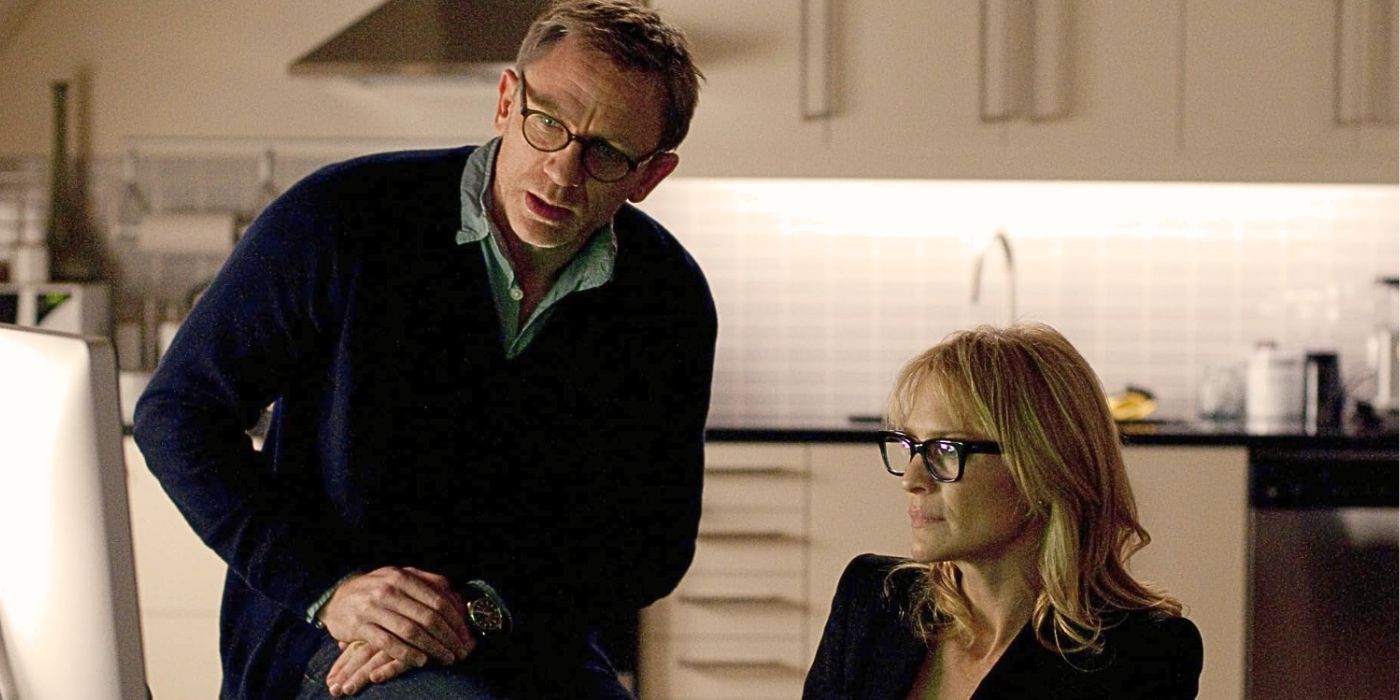
Acting as not only an exceptional adaptation of an acclaimed crime novel but also a U.S. remake of an acclaimed Swedish film, The Girl with the Dragon Tattoo's exceptional crime story is further elevated by the direction of David Fincher. The film follows disgraced journalist Mikael Blomkvist (Daniel Craig) investigating the disappearance of a weary patriarch's niece who has been missing for 40 years. He is aided in his search by a punk, tattooed computer hacker named Lisbeth Salander (Rooney Mara), as they uncover immense corruption beyond anything they could have imagined.
While American remakes of international films released so soon after the original film usually diminish the impact and legacy of the original film, Fincher's masterful directing style further amplifies the story's tension and mystery. Applying the same sense of stakes and fear utilized in films like Zodiac and Fight Club, Fincher's take on The Girl with the Dragon Tattoo quickly became the defining rendition of the story and one of the best crime movies of the last 25 years.
9 'L.A. Confidential' (1997)
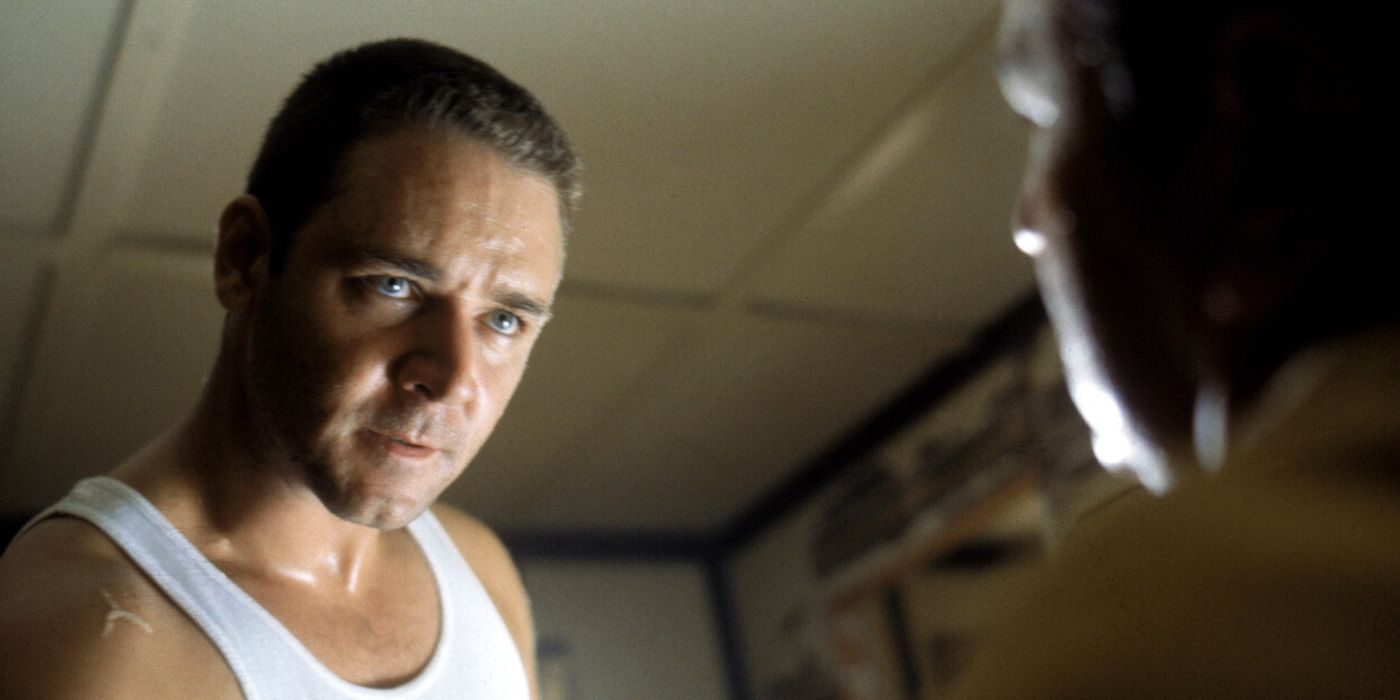
A classic noir period piece that harkens back to classic crime stories and the energy of the 50s, L.A. Confidential combines classic and modern filmmaking styles into a beautiful blending of worlds and styles. The film follows three detectives finding themselves in the center of a massive web of lies, corruption, and deception amidst the L.A. police force of the 1950s. The detectives end up using an array of different methods to uncover this endlessly spiraling conspiracy that started with a group of shotgun murders at an all-night diner.
L.A. Confidential acts as one of the purest and most pristine renditions of what a classic police procedural thriller should be, weaving together mystery and heightened tension to create an engaging ride from start to finish. The film acts as one of the defining crime movies of the 90s, seamlessly working as a standalone story despite being adapted from the third film in a full series of crime novels.
8 'The Irishman' (2019)
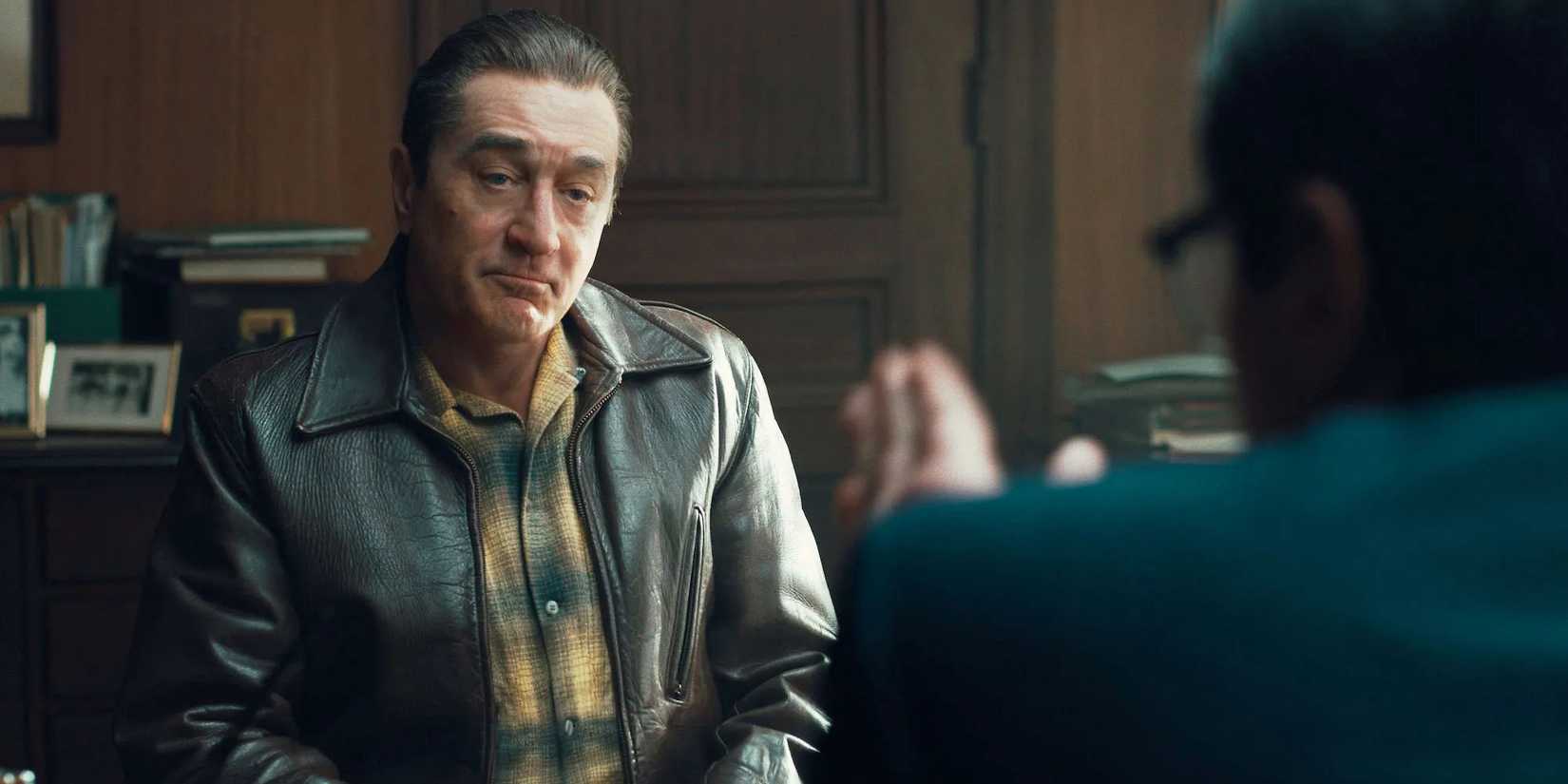 Image via Netflix
Martin Scorsese has created a multitude of legendary crime movie adaptations over the years, including the likes of Goodfellas, Casino, and The Wolf of Wall Street, yet The Irishman sets itself apart from every other film in his career. The film plays off the conventions and trends that Scorsese has used for gangster films throughout his entire career to create a somber and powerful portrait of time, age, and legacy. The real-life story of the original book finds itself translating perfectly as an encapsulation of Scorsese's filmography, while the adaptation still ends up staying true to the original book.
The film follows the long-lasting life and career of Frank Sheeran (Robert De Niro), a truck driver who finds himself becoming an effective hitman for mobster Russell Bufalino (Joe Pesci). Sheeran's influence finds itself growing more and more amidst the mobster world, eventually landing him a gig working for the powerful Jimmy Hoffa (Al Pacino). However, time finds a way to erode all relationships and friendships, especially in the world of crime and mobsters, with Frank soon being forced to make a painful decision.
7 'A Clockwork Orange' (1971)
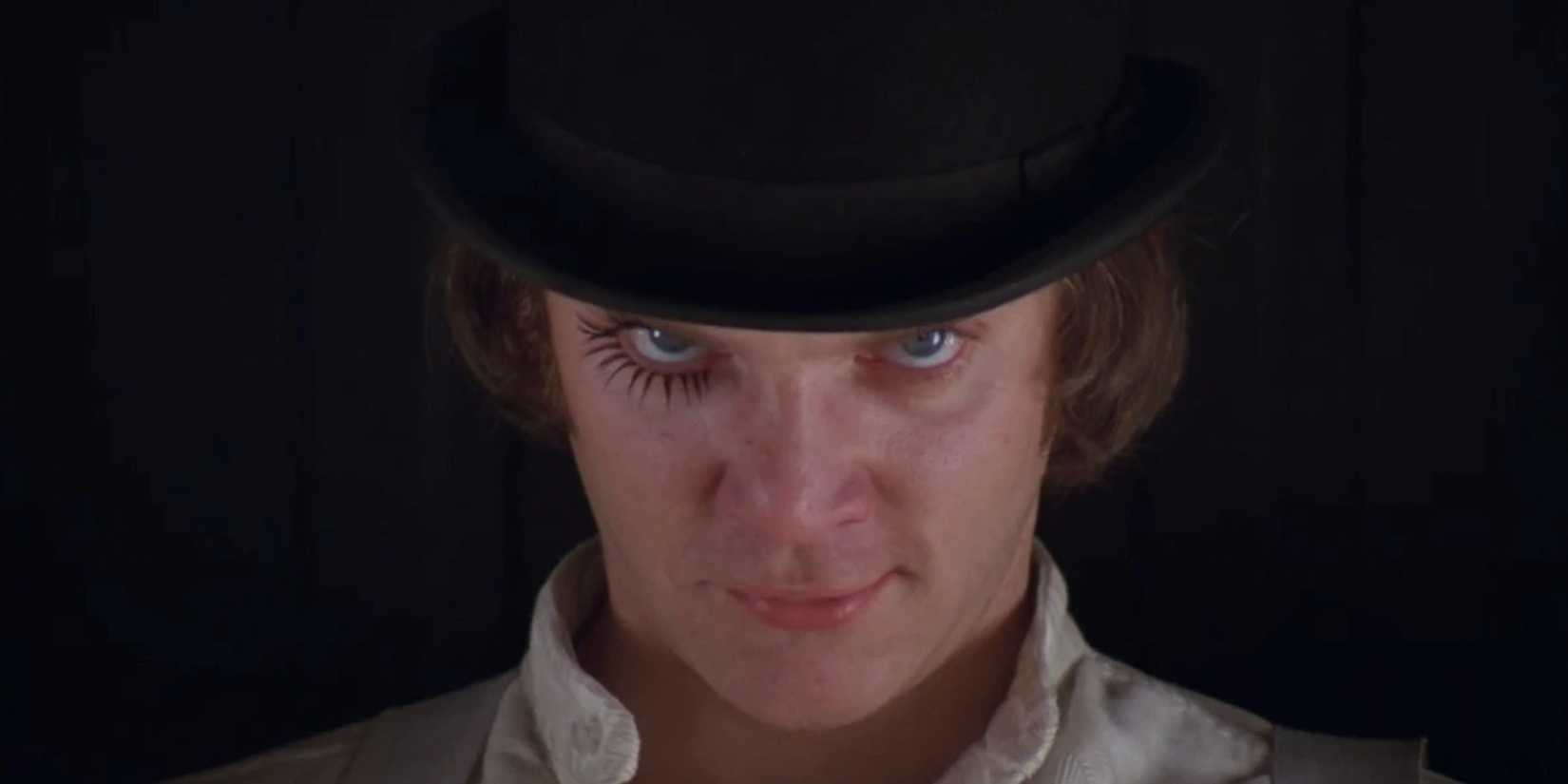 Image via Warner Bros. Pictures
One of many critically acclaimed masterpieces from legendary director Stanley Kubrick, A Clockwork Orange manages to bring to life all of the idiosyncratic attributes and quirks of the original novel to life, flourishing on the big screen. The film follows Alexander DeLarge (Malcolm McDowell), the leader of a notorious gang in a dystopian near-future Britain who spends their nights tormenting and raping anyone they come across. After an especially vicious crime spree, DeLarge ends up being captured and becomes the subject of a highly experimental attempt at forced rehabilitation through psychological conditioning.
Kubrick doesn't shy away from tackling any of the harsh and disturbing content of the original novel; in fact, he even makes slight changes to be even darker and more negative during its final chapter. All the symbolic elements and resonating factors that made the original crime novel such a striking and polarizing work of fiction are maintained in this film. These elements wind up being further amplified by the top-notch performance from McDowell and Kubrick's enthralling directing style.
6 'Jackie Brown' (1997)
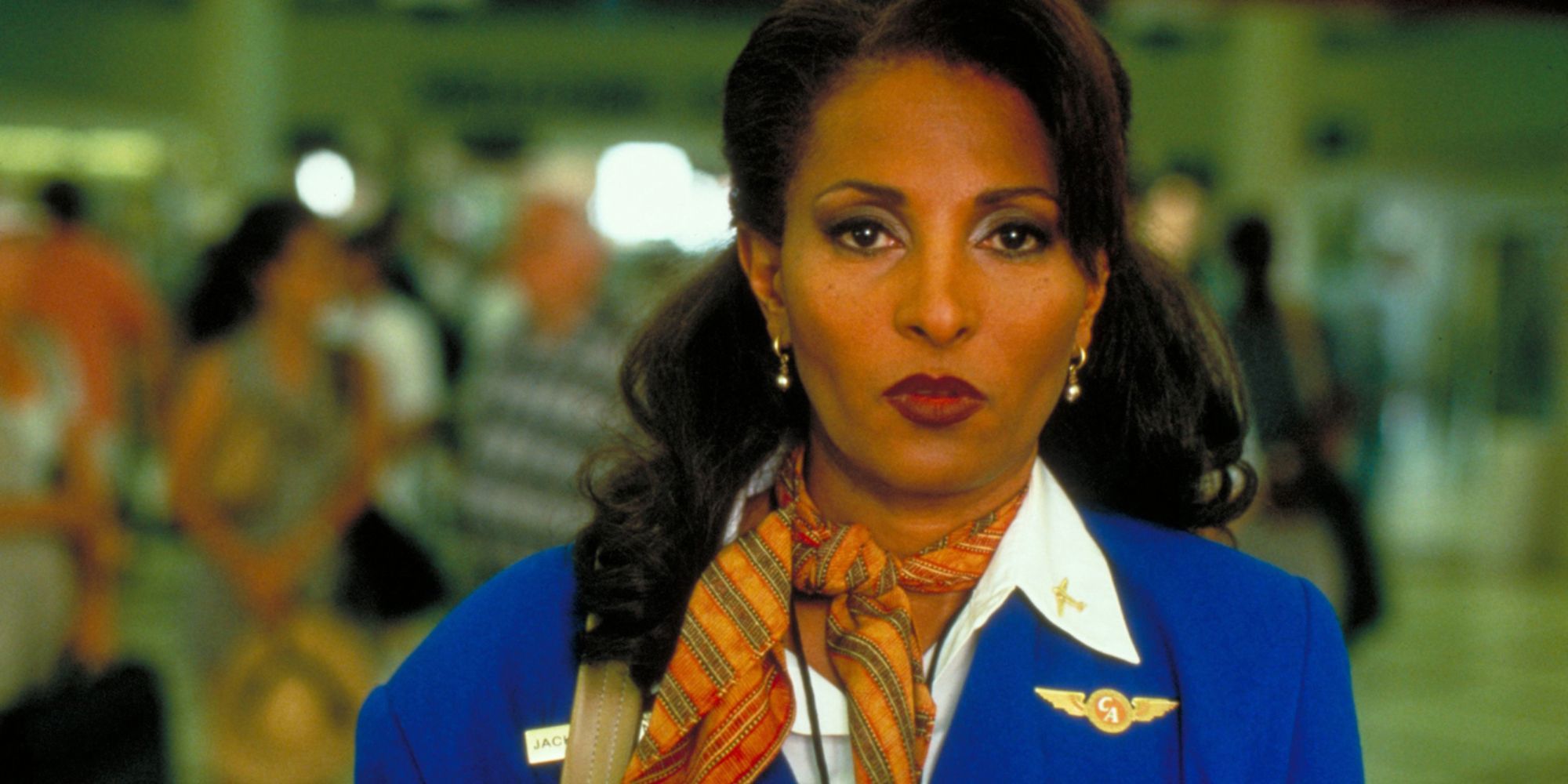
One of the more underappreciated films from earlier in the acclaimed career of director Quentin Tarantino, Jackie Brown finds a way to be one of the best of Tarantino's many crime movies. The film follows the titular Jackie Brown (Pam Grier), a flight attendant who is caught smuggling cash into the country for her gunrunner boss, now forced to be used as a tool by the cops to get to her boss. However, Jackie hatches a plan with the help of a bail bondsman to subvert both the police and her boss so that she can keep all the money for herself.
Much like Tarantino's other works, the overwhelming amount of style, quotable lines, and characters you instantly root for make Jackie Brown a highly fulfilling and electrifying crime film experience. While the film may be more reserved when it comes to the signature violence and bloodshed that Tarantino is famous for, said reserved nature does not apply to any of the other attributes of Tarantino's exceptional filmmaking.
Collider Exclusive · Oscar Best Picture Quiz
Which Oscar Best Picture
Is Your Perfect Movie?
Parasite · Everything Everywhere · Oppenheimer · Birdman · No Country
Five Oscar Best Picture winners. Five completely different visions of what cinema can be — and what it can do to you. One of them is the film that was made for the way your mind works. Ten questions will figure out which one.
🪜Parasite
🌀Everything Everywhere
☢️Oppenheimer
🐦Birdman
🪙No Country for Old Men
FIND YOUR FILM →
01
What kind of film experience do you actually want? The best movies don't just entertain — they leave something behind.
ASomething that pulls the rug out — that makes me think I'm watching one kind of film and then reveals I'm watching another entirely. BSomething overwhelming — funny, sad, absurd, and genuinely moving, all at once. CSomething grand and weighty — a film that makes me feel the full scale of what I'm watching. DSomething formally daring — a film that pushes what cinema can even do. ESomething lean and relentless — pure tension with no wasted frame.
NEXT QUESTION →
02
Which idea grabs you most in a film? Great films are driven by a central obsession. What's yours?
AClass, inequality, and what people are willing to do when desperation meets opportunity. BIdentity, family, and the chaos of trying to hold your life together when everything is falling apart. CGenius, moral responsibility, and the catastrophic weight of a decision you can never take back. DEgo, legacy, and the terror of becoming irrelevant while you're still alive to watch it happen. EEvil, chance, and whether moral order actually exists or if we just tell ourselves it does.
NEXT QUESTION →
03
How do you like your story told? Form is content. The way a story is shaped changes what it means.
AGenre-twisting — I want it to start in one lane and migrate into something completely different. BMaximalist and genre-blending — comedy, action, drama, sci-fi, all in one ride. CEpic and non-linear — cutting between timelines, building a mosaic of cause and consequence. DA single unbroken flow — I want to feel like I'm living it in real time, no cuts to safety. ESpare and precise — every scene doing exactly what it needs to do and nothing more.
NEXT QUESTION →
04
What makes a truly great antagonist? The opposition defines the protagonist. What kind of opposition fascinates you?
AA system — invisible, structural, and almost impossible to fight because it has no single face. BThe self — the ways we sabotage, abandon, and fail the people we love most. CHistory — the unstoppable momentum of events that no single person can stop or redirect. DThe industry — the machinery of culture that chews up talent and spits out irrelevance. EPure, implacable evil — a force so certain of itself it becomes almost philosophical.
NEXT QUESTION →
05
What do you want from a film's ending? The final note is the one that lingers. What do you want it to sound like?
AShock and inevitability — a conclusion that recontextualises everything that came before it. BEarned emotion — I want to cry, laugh, and feel genuinely hopeful, even if the world is a mess. CDevastation and grandeur — an ending that makes me sit in silence for a few minutes after. DAmbiguity — something that leaves enough open that I'm still thinking about it days later. EBleakness — an honest refusal to pretend the world is tidier than it actually is.
NEXT QUESTION →
06
Which setting pulls you in most? Where a film takes place shapes everything — mood, stakes, what's even possible.
AA gleaming modern city with a hidden underside — beauty masking rot, wealth masking desperation. BA collapsing suburban life that opens onto something infinite — the multiverse of a single ordinary person. CThe corridors of power and science at a world-historical turning point — where decisions echo for decades. DThe grimy, alive chaos of New York and Hollywood — fame as both destination and trap. EVast, indifferent landscape — desert and highway where violence arrives without warning or reason.
NEXT QUESTION →
07
What cinematic craft impresses you most? Every great film has a signature — a technical or artistic element that makes it unmistakable.
AProduction design and mise-en-scène — every frame composed to carry meaning beneath the surface. BEditing and tonal control — the ability to move between registers without losing the audience. CScore and sound design — music that becomes inseparable from the dread and awe of what you're watching. DCinematography as performance — the camera not recording events but participating in them. ESilence and restraint — what's left unsaid and unshown doing more work than any dialogue could.
NEXT QUESTION →
08
What kind of main character do you root for? The protagonist is the lens. Who you choose to follow says something about you.
ASomeone smart and resourceful who makes increasingly dangerous decisions under pressure. BSomeone overwhelmed and ordinary who turns out to be capable of something extraordinary. CA brilliant, tortured figure whose gifts and flaws are inseparable from each other. DA self-destructive artist whose ego is both their superpower and their undoing. EA quiet, principled person trying to make sense of a world that has stopped making sense.
NEXT QUESTION →
09
How do you feel about a film that takes its time? Pace is a choice. Some films sprint; others let tension accumulate slowly, deliberately.
AI love a slow build when I know the payoff is going to be seismic — patience for a devastating reveal. BGive me relentless momentum — I want to feel breathless and emotionally spent by the end. CEpic runtime doesn't scare me — if the material demands three hours, give me three hours. DI want it to feel propulsive even when nothing is technically happening — restless energy throughout. EDeliberate and unhurried — I want dread to accumulate in the spaces between the action.
NEXT QUESTION →
10
What do you want to feel walking out of the cinema? The best films leave a mark. What kind of mark do you want?
AUnsettled — like I've just seen something I can't fully explain but can't stop thinking about. BMoved and energised — like the film reminded me what actually matters and gave me something to hold onto. CHumbled — like I've been in the presence of something genuinely important and overwhelming. DExhilarated — like I've just seen cinema doing something it's never quite done before. EHaunted — like a cold, quiet dread that stays with me for days.
REVEAL MY FILM →
The Academy Has Decided Your Perfect Film Is…
Your answers have pointed to one Oscar Best Picture winner above all others. This is the film that was made for the way your mind works.
Parasite
You are drawn to films that operate on multiple levels simultaneously — that begin in one genre and quietly, brilliantly migrate into another. Bong Joon-ho's Parasite is a film about class, desire, and the architecture of inequality that manages to be darkly funny, deeply suspenseful, and genuinely shocking across a single extraordinary running time. Your instinct is for cinema that hides its true intentions until the moment it's ready to reveal them. Parasite is exactly that — a film that rewards close attention and punishes assumptions, right up to its devastating final image.
Everything Everywhere All at Once
You want it all — and this film gives you all of it. The Daniels' Everything Everywhere All at Once is one of the most maximalist films ever made: action comedy, multiverse sci-fi, family drama, existential crisis, and a genuinely earned emotional core that sneaks up on you amid the chaos. You are someone who responds to ambition, who doesn't want cinema to choose between being entertaining and being meaningful. This film refuses that choice entirely. It is overwhelming by design, and its overwhelming nature is precisely the point — because the feeling of being crushed by infinite possibility is exactly what it's about.
Oppenheimer
You are drawn to cinema on a grand scale — films that understand history not as a backdrop but as a force, and that place their characters inside that force and watch what happens. Christopher Nolan's Oppenheimer is a film about the terrifying gap between what we can do and what we should do, told with the full weight of one of the most consequential moments in human history behind it. You want your films to feel important without feeling self-important — to earn their ambition through sheer craft and the gravity of their subject. Oppenheimer does exactly that. It is enormous, complicated, and refuses easy comfort.
Birdman
You are drawn to films that foreground their own construction — that make the how of the filmmaking part of the what it's about. Alejandro González Iñárritu's Birdman, shot to appear as a single continuous take, is cinema examining itself through the cracked mirror of a fading actor's ego. You respond to formal daring, to the feeling that a film is doing something that probably shouldn't be possible. Michael Keaton's performance and Emmanuel Lubezki's restless camera create something genuinely unlike anything else — a film that is simultaneously about creativity, relevance, self-destruction, and the impossibility of ever truly knowing if your work means anything at all.
No Country for Old Men
You are drawn to cinema that trusts silence, that refuses to explain itself, and that treats dread as a form of meaning. The Coen Brothers' No Country for Old Men is a film about the arrival of a new kind of evil — implacable, arbitrary, and utterly indifferent to the moral frameworks we use to make sense of the world. It is one of the most formally controlled films ever made, and its controlled restraint is what makes it so terrifying. You want your films to haunt you, not comfort you. You are not interested in resolution if resolution would be dishonest. No Country for Old Men is honest in a way that most cinema never dares to be.
↻ RETAKE THE QUIZ
5 'No Country for Old Men' (2007)
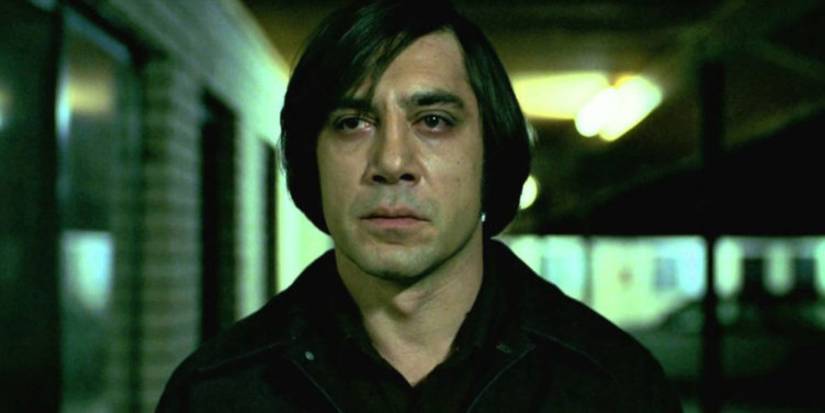 Image via Miramax Films
Often in conversation as one of the most prolific and greatest crime thrillers of the 21st century so far, No Country for Old Men is a monumental feat of tension and dread that has become the magnum opus of the Coen Brothers. The film follows methodical and vicious serial killer Anton Chigurh (Javier Bardem), traveling across the Texas desert in hot pursuit of Llewelyn Moss (Josh Brolin), who has managed to stumble upon $2 million, a group of dead bodies, and loads of heroin. However, local sheriff Ed Tom Bell (Tommy Lee Jones) is also in pursuit of Anton, creating a deadly race against time.
A great villain can make all the difference when it comes to crime stories, and while Anton Chigurh was already a great villain in the original No Country for Old Men novel, Bardem elevates the character into one of the greatest villains in film history. Blending a psychopathic tendency and action with a slow, calculated approach to each of his actions, Anton exudes pure terror from when he's first introduced to the very end of the film.
4 'The Silence of the Lambs' (1991)
 Image via Orion Pictures
Blending together the horror and procedural crime genres to create a cultural phenomenon of the 90s as well as one of the most critically acclaimed movies of all time, The Silence of the Lambs revolutionized both horror and crime movies for generations to come. Adapted from the second book in Thomas Harris's series of cannibal serial killer Hannibal Lecter novels, the film follows young FBI recruit Clarice Starling (Jodie Foster) enlisting the help of Lecter (Anthony Hopkins) to take down a new killer threat, Buffalo Bill, before he strikes again.
Harris's Hannibal Lecter novels were no strangers to film adaptations, with Michael Mann brilliantly adapting the first novel in the series, Manhunter, back in 1986. However, The Silence of the Lambs goes above and beyond with its masterful reinvention of the story and characters, seamlessly evolving them to the cinematic lens and transforming Lecter into an icon of crime/horror filmmaking. The film proved to be so successful that Harris would end up writing a prequel novel following the success and enthusiasm for the character and Hopkins's perfectly acted performance.
3 'Double Indemnity' (1944)
 Image via Paramount Pictures
One of the most influential noir films of all time and a defining film from the golden age of Hollywood, Double Indemnity has continued to grow more prolific and timeless in the decades since its release. The film follows a wealthy woman and a calculating insurance agent teaming up in a vicious plot to murder the woman's husband so that the duo can make massive profits from the double indemnity policy. However, the agent soon gets second thoughts as he deals with the mental quarrel of murdering someone for profit.
While the crime noir film certainly existed before Double Indemnity, it's difficult to imagine where the genre would be without its revolutionary redefining of what a crime film could be. The film's masterful performances, striking imagery, and self-reflective messages of adultery and crime would soon become staples of the noir genre as a whole, ushering in a new wave of crime films in its wake.
2 'The Shawshank Redemption' (1994)
 Image via Columbia Pictures
While author Stephen King is more commonly recognized for his various horror novels being adapted to film, one of his greatest contributions in terms of cinematic adaptations of his novels is the legendary prison drama, The Shawshank Redemption. The film follows once-upstanding banker Andy Dufresne (Tim Robbins), imprisoned for the double murder of his wife and her lover, but he still maintains his innocence. While living a sorrowful and painful life at Shawshank prison, Andy forms an unexpected friendship with other inmates, including an older prisoner named Red (Morgan Freeman).
While many stories are quick to paint prison life and prisoners as vicious and violent, The Shawshank Redemption cuts to the true core of pain within prisons, showing dehumanization and pain at every corner. However, stronger than that is the film's undeniable emboldening of hope and the human spirit, showing that no matter how hard someone is knocked down, there is always a strength and ability to get up. The film has been a legendary icon of American filmmaking ever since its release, often being considered one of the greatest films of all time.
1 'The Godfather' (1972)
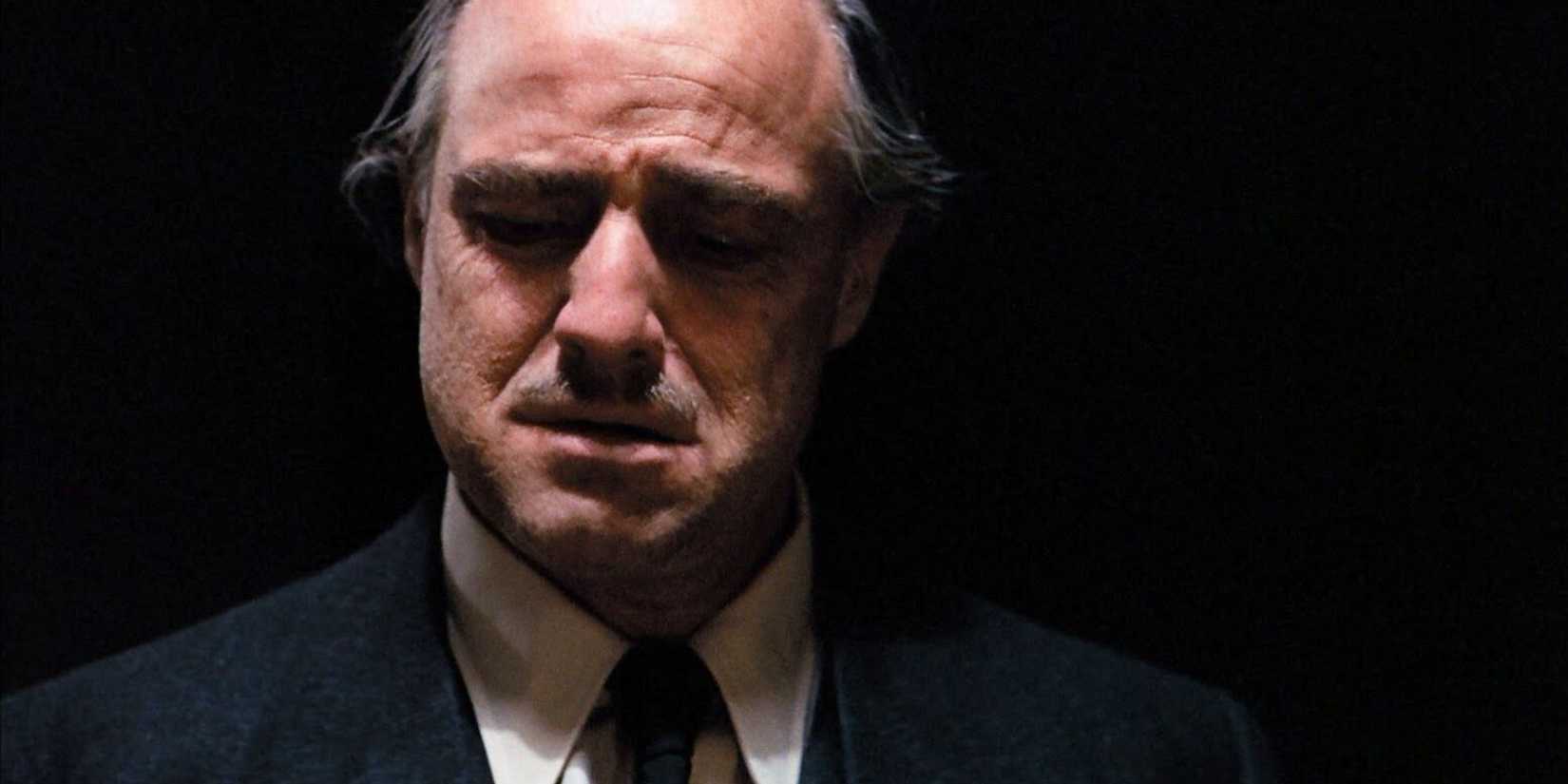 Image via Paramount Pictures
One of the important distinctions that comes from the vast majority of novel adaptations is that a completely new and different writer is given the material to work with, as the original author rarely works as a writer for a film adaptation of their work. One of the most prominent and key examples of the opposite comes from one of the most acclaimed films of all time, with The Godfather's original author, Mario Puzo, co-writing the film adaptation with Francis Ford Coppola.
The final result is a miraculous feat of filmmaking that does just about everything right in terms of a novel adaptation, staying perfectly true to the themes and story of the original while evolving and creating an experience that only film can provide. Coppola's stellar directing and the array of exceptional performances breathe new life and soul into Puzo's already masterpiece of a story, creating more tension and elevating the thematic resonance. The Godfather has proven to be one of the first films people consider when thinking of crime films, as well as one of the greatest filmmaking achievements of all time.
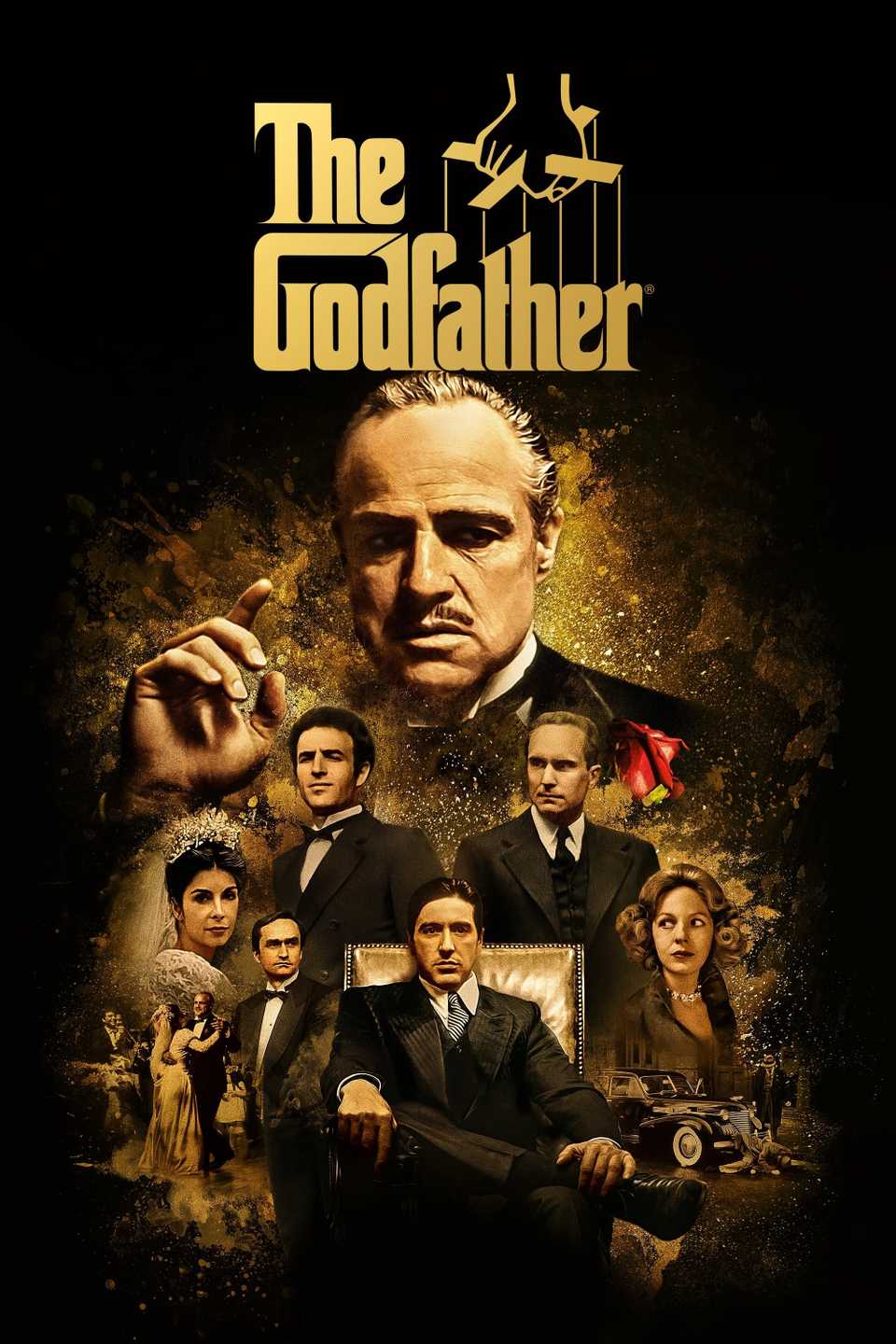
The Godfather
Release Date March 24, 1972
Runtime 175 minutes
Director Francis Ford Coppola
Writers Mario Puzo, Francis Ford Coppola
-

-

Al Pacino
Michael Corleone






 English (US) ·