
 4 weeks ago
27
4 weeks ago
27
Have you ever gone back to look at older images you created? Whether they’re from six months ago or six years ago, there are often elements worth revisiting. As our eyes mature and technology advances, we’re able to see opportunities to refine those images in ways we simply couldn’t before.
Over the last few years, I have taken it upon myself to revisit older images I have created. I started because of two things: winter and boredom. Over time, I noticed a pattern in the images. I missed a ton of great new features in Lightroom and Photoshop, which let me make better edits to these images.
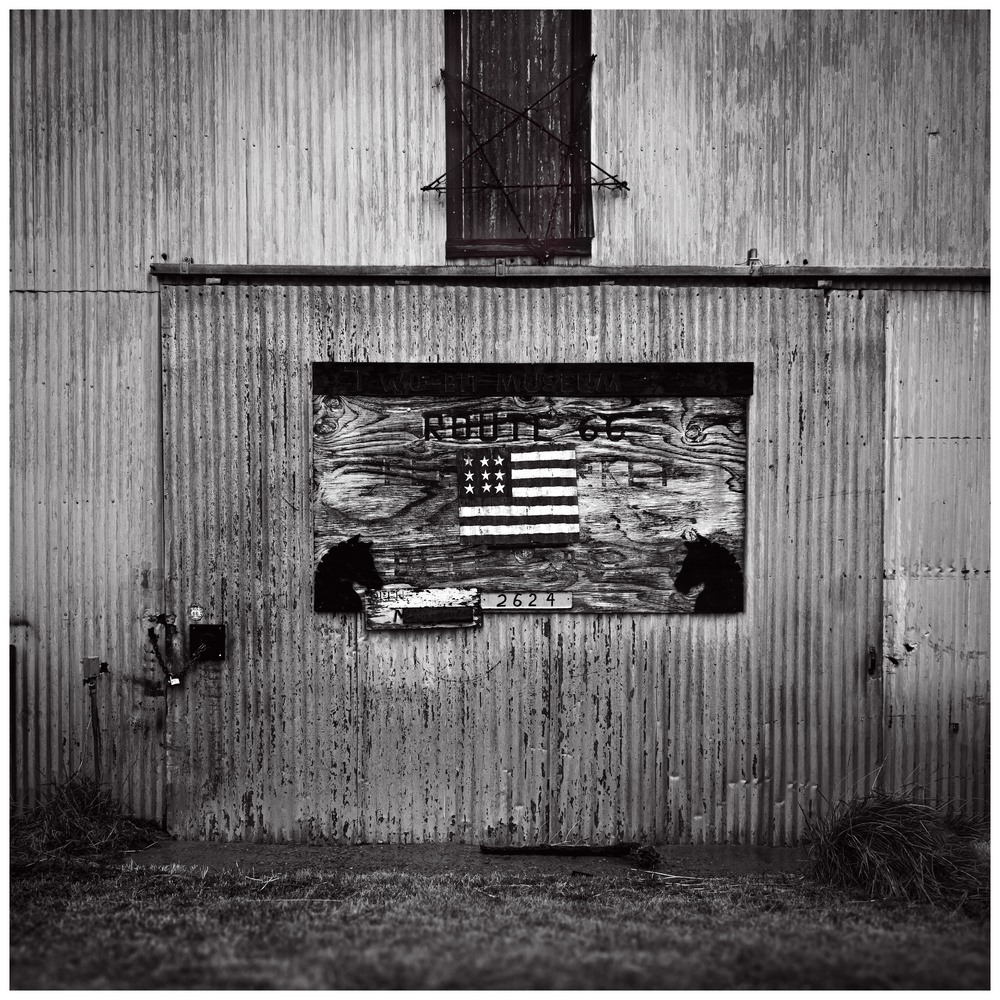
What started as plain boredom and hatred of winter became re-editing and looking over thousands of older images with greater photographic maturity and creativity. I could now apply a vision I hadn’t had before, using new tools. Time progresses, as does our journey—especially our vision. I revisited these overlooked images and applied new approaches I hadn’t had before.
A time gap, whether six months or six years, is a long span of time and helps create one thing: clarity. It takes time for some images to gain clarity. I found an image where I knew it was a strong photograph, but the vision I had—the clarity—was not there, and I kept passing it over until one day the clarity arrived. I started to ponder why it took so long for the clarity to come. For one, I was not ready, and the vision was ahead of its time. I started digging deeper into the abyss of images, and there I found more—strong yet overlooked.
Many times, I found the image fell into one of two categories: first-time edit or refinement. Most of the time, they were in the refinement category. I was refining the pictures rather than truly correcting the image. There are times when correction was the goal, as, at the time of initial editing, my skill was not great, or the technology was available but not advanced enough.
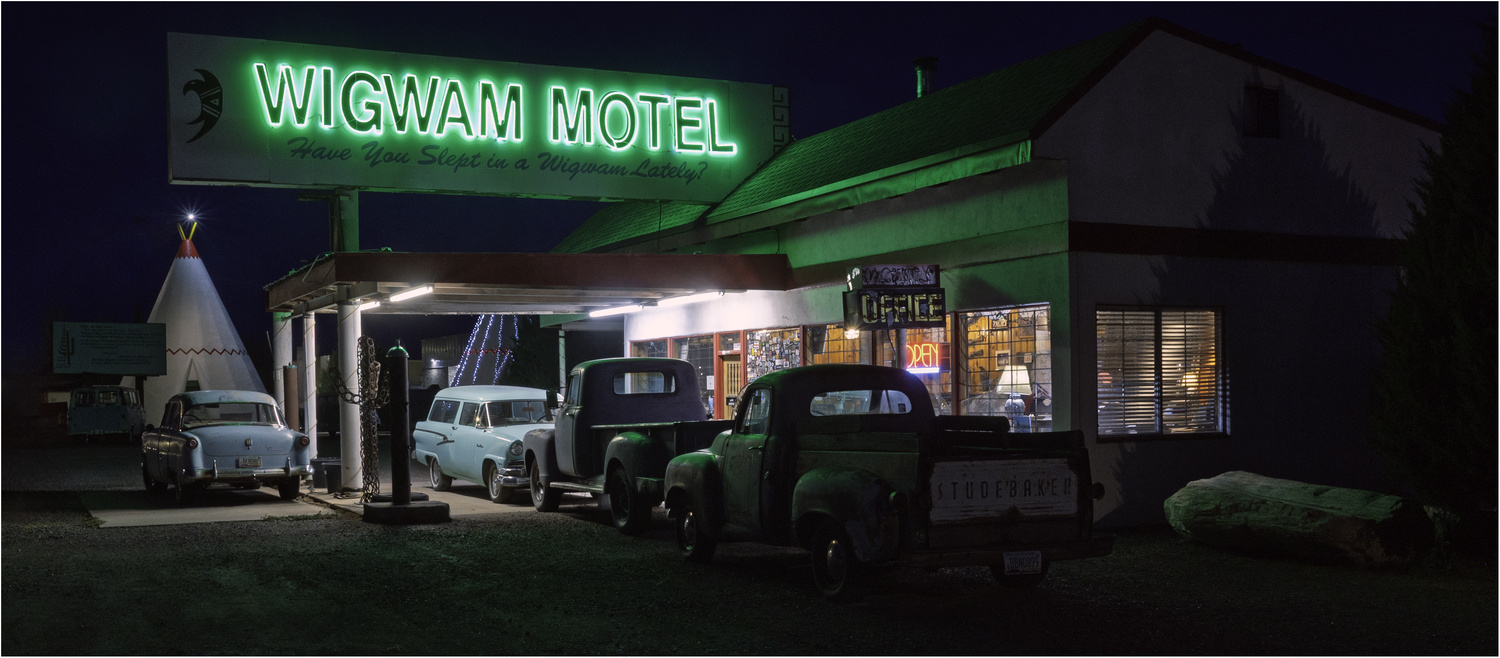
Changes Over Time
Your photographic journey will change over time, for the better, and you will gain new skills. The more you photograph, the better you become, and you start to see differently. That could be a broad range of things, from style to composition, and these are the things you are bringing to the table with older images. You start to look at light differently, learn to edit it better, and your vision improves. There is one thing about photography that we always want to rush but must be patient with: time. It is the one thing we cannot control.
With time also comes restraint. We now know when to stop, whether it's shooting or editing. Many times, editing is where we lack restraint and over-edit. We push images far beyond where we need them to be. This is because there is a belief in the photography community that the longer it took to get to a location, edit the photo, and the grander the story behind the image, the better the image is. Truly, that is not a fact.
The biggest thing that changes over time is another issue in the community that we eventually learn about: intent. We know that, at the time we took the image, there was no intent. We didn't create an image; we made a snapshot. As we mature as photographers, so does our intent, and with that, we start creating images that are better than ever before. We are putting thought into the entire image, from the initial concept to the final details.
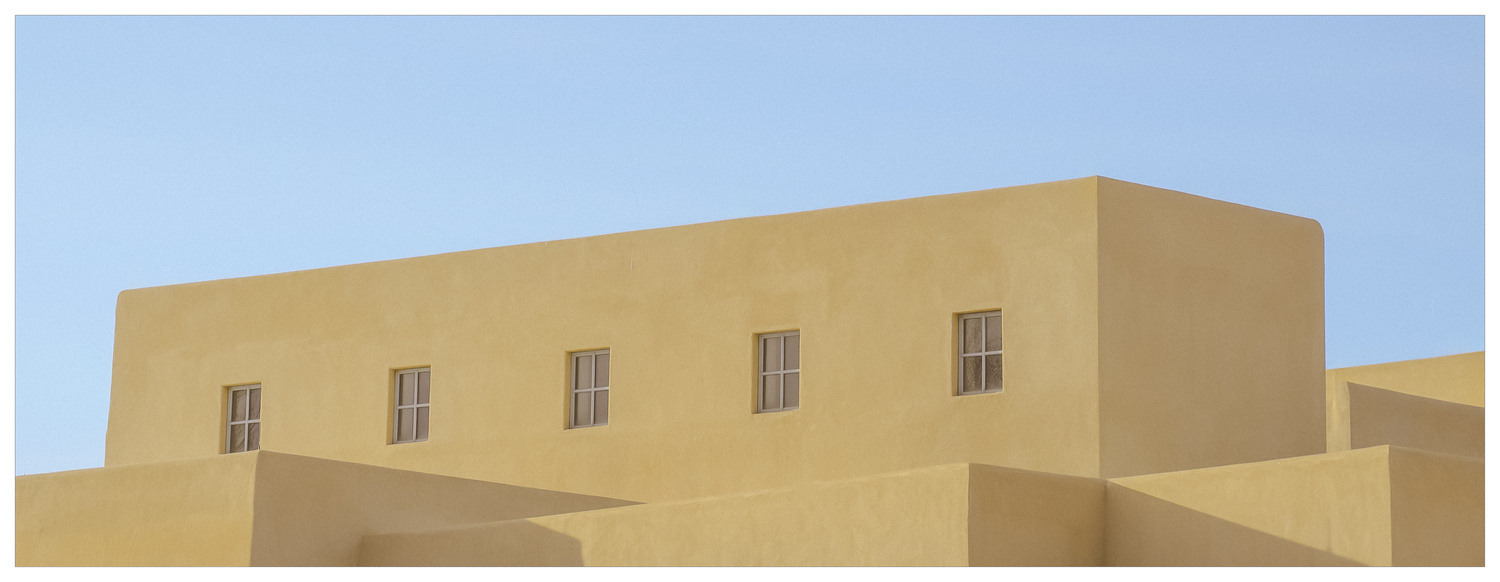
When an Image Is Worth Re-Editing
Not every old photograph deserves a second pass, and revisiting your archive works best when you’re selective. The goal isn’t to rescue everything—it’s to recognize which images still have something to say. We have a strong image, but its execution was weak. We tend to notice this with greater maturity behind the camera and in our editing process. These are photographs where the timing, subject, or emotion is correct, but the technical choices didn’t fully support the moment. Maybe the contrast was pushed too far, the color felt heavy-handed, or the edit distracted from what initially drew you to the scene. With a more developed eye, these images can finally become what they were always trying to be.
There may be images that belonged to unfinished or evolving projects. Many times, I am working on projects that were initially and unintentionally started subconsciously. This is when I can go back and review these images to see whether they fit—or will work—in a project. Often, you will find that images are lying in wait to be discovered for these projects.
This is where we start looking at instinct over nostalgia. Nostalgia is a big player in making us think an image is worth a re-look and edit; we remember all the great things about a location or a trip in general. We then tend to convince ourselves that a large number of images we took are worth a re-look. In actuality, they are not. There will be images at this point that are still worth a re-look and edit, but not all, and we need to keep that in mind.
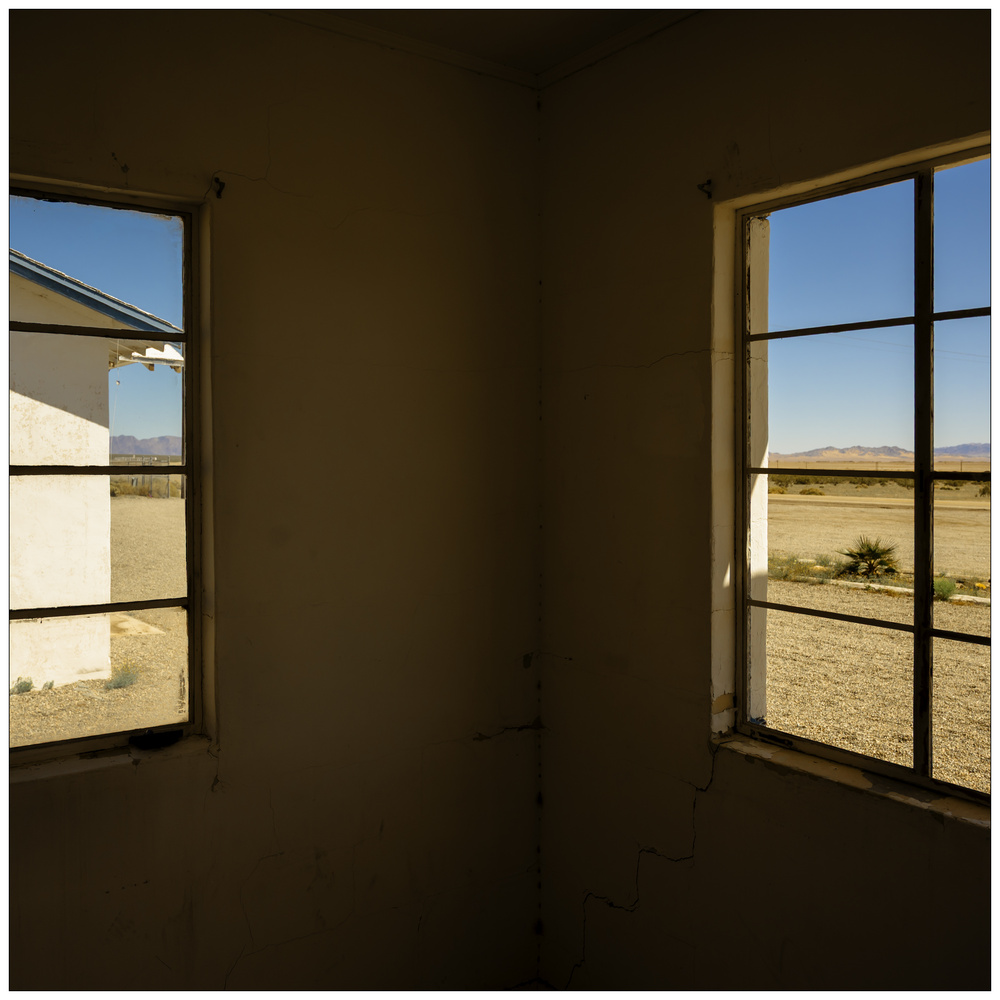 How Advancements in Software Change What’s Possible
This is one of those things that is a great reason to look back at old work: technology advancements. With the introduction of AI into Adobe products, we are seeing significant advancements in our editing capabilities. Looking through old images, you can now refine images you have already edited. Noise reduction is where I have been going back and using the latest advancements to create a few higher-quality images. I am now masking more with Lightroom's simpler masking capabilities. I am an impatient photographer and hated masking prior. I was more of a burn-and-dodge type of photographer from my years in the darkroom. These, and many other tools, allow us to apply refinement intentionally.
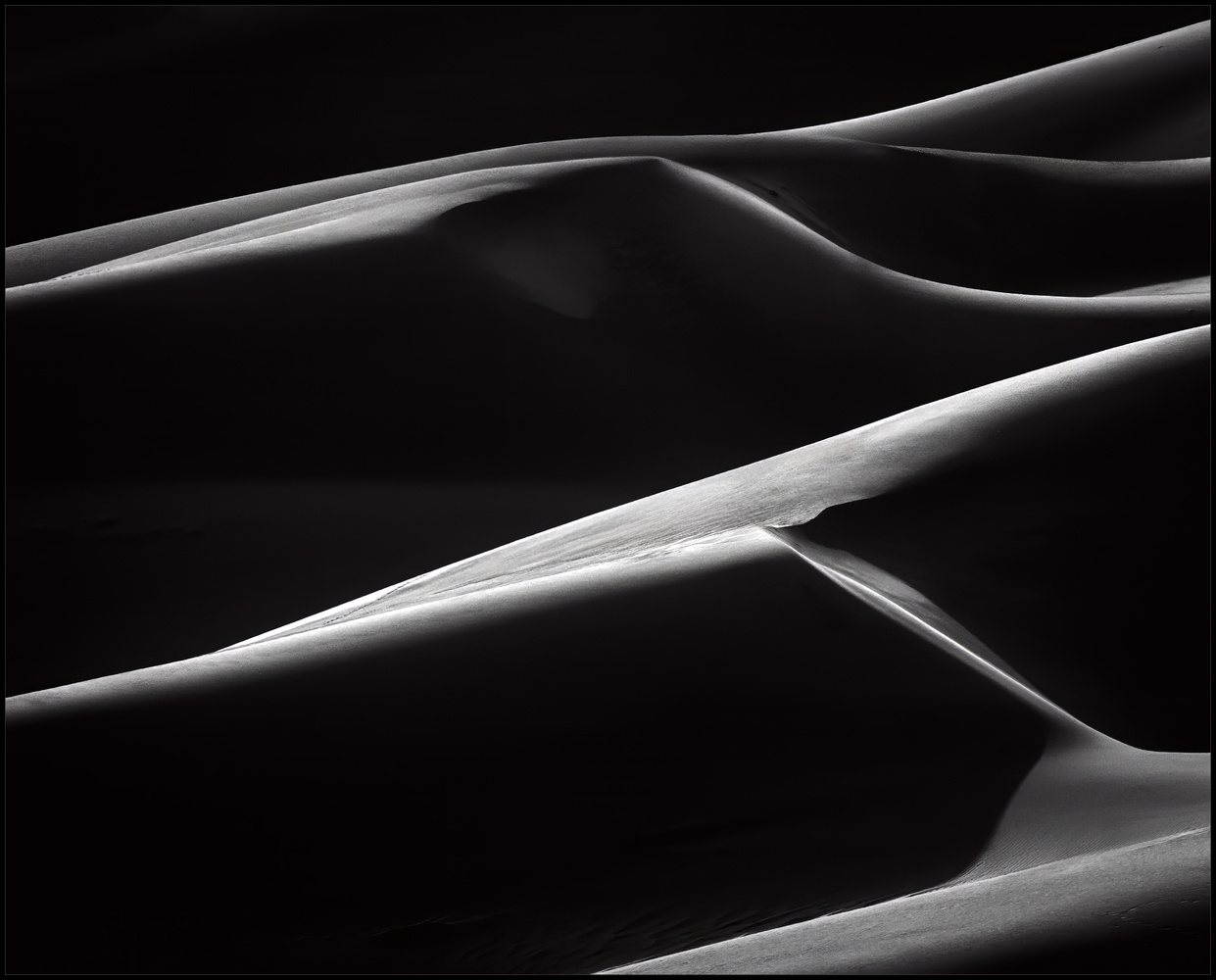
What can an old image teach you? A lot, actually. When looking through older images, even those taken within six months, you can find images you missed. Over the years, you start to see your growth. I began to see patterns in which the genre shifted from landscape photography to more projects, fine art edits, and work in general. I started to see my style—or actually develop one—in more fine-art images, and I began shooting more black-and-white images.
I was feeling stuck, I was seeing growth, and I grabbed that bull by the horns and ran with it. I felt like I was emerging for the first time in years in my work and no longer felt stagnant. Another thing you can do by looking back is let those images inform you on how you used to edit vs. how you edit today. All this past information will help you into the future!
Practical Advice for Revisiting Your Archive
-
Work on copies or virtual copies: A best practice is to work on copies rather than re-editing the original, and keep the original, as it will be a great way to compare your edits for educational purposes.
-
Revisit selectively, not obsessively: Use intent when looking through older images, and don’t edit random images just to re-edit. Why waste time on lifeless images? Focus on images that capture moments and convey intent.
-
Give yourself time between sessions: Remember, time creates clarity, and it is just as important when you're going back through your archives.
Making Old Realities New Again
Going back through older images and re-editing is a conversation with yourself as a less mature, more intentional photographer; this is where the gold lies. Being able to learn from your former self is a gold mine and will help you on your future journey. One must remember that growth is refinement. You're refining your artistic vision, and the past is powerful; it's not rejection.
Your older work is living work, not finished chapters. They may feel like they are, but older images are like a book. There is no rule that once the book is completed, you have to put it back on the shelf and never return to it again. Your work is no different; just because it is in the archive doesn’t mean you can’t relive the work again.



 English (US) ·