
 3 weeks ago
29
3 weeks ago
29
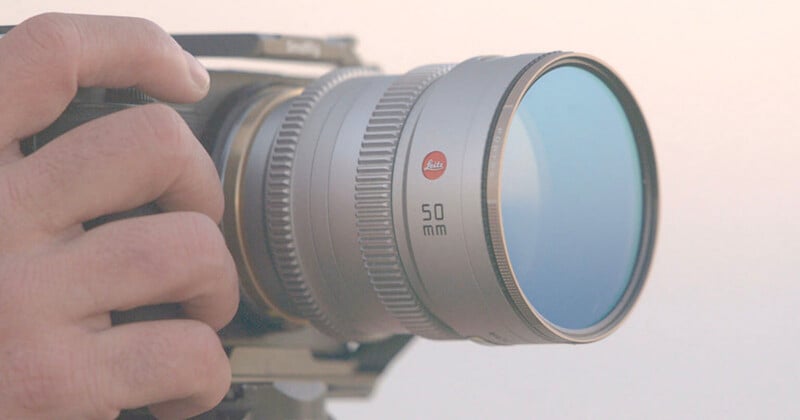
Earlier this month, Polar Pro announced a new lens filter that it says makes photos look like they were shot on Portra film. Photographers on Threads have taken umbrage with that opinion and have spent the last few days dunking on the product.
It’s not exactly common for PetaPixel to comment on social media reactions, but in this case, because the staff’s opinion on the Polar Pro Portra filter was not included in initial coverage, it might be possible to think that PetaPixel was endorsing the filter. So, we offer balance.
The recent social media response seems to be driven by Leica Rumors sharing news of the filter on Threads, which sparked a series of dunks.
As a point of reference, Polar Pro is claiming the Portra look by saying its filter promises to deliver the “soft, organic” look of the film using glass. To achieve this specific look, the glass filter has a warm tone, white mist diffusion, and a chroma polarizer, all of which combine to create what the company characterizes as warm highlights and natural-looking skin tones.
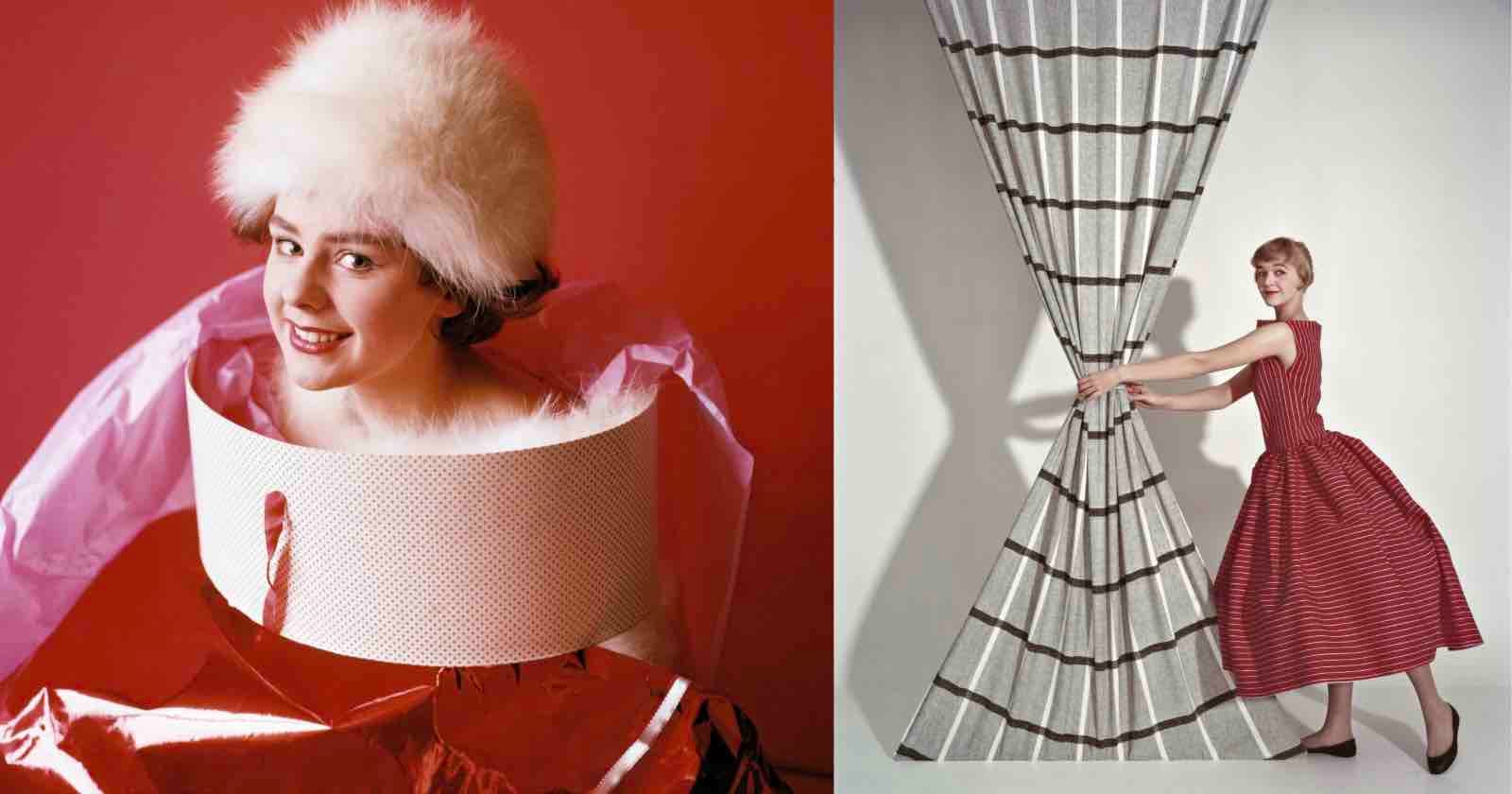
Below are some examples of what Polar Pro says looks like Portra 400 film:


PolarPro claims that achieving this classic look through a filter makes it more consistent and repeatable, and that it would be much easier than trying to apply a similar appearance during post-processing. As the company says, photos and videos are “finished at capture.”
As a direct point of comparison, below are some Portra 400 film scans from photographer Mike Chudley, who shoots with Portra all the time and describes it as his favorite film stock.
What should be immediately noticeable is how Polar Pro’s examples and Chudley’s photos don’t look anything alike. Where Polar Pro’s filter makes images look washed out and desaturated, Portra 400 has significantly more contrast and saturation. You could argue that Polar Pro only succeeded in showcasing what Portra 400 doesn’t look like.
It was a bizarre idea from the jump that it would be possible to create a glass filter that could emulate what a light-sensitive strip of celluloid captures, so it should not be surprising that it fails in that regard.
Image credits: Filter examples via Polar Pro







 English (US) ·