
 Credit: MovieStillsDB
Published Jun 28, 2026, 9:00 PM EDT
Liz Declan is a Lead Writer for ScreenRant, primarily covering movies. She is a massive fan of Star Wars, the MCU, and Supernatural. In addition to writing, Liz loves attending and covering conventions and interviewing actors. Find her on TikTok and Instagram @va.va.vera
Sign in to your ScreenRant account
Warning! This post contains SPOILERS for Supergirl.For better or worse—and sadly, it is typically for the worse—when women-led blockbuster movies, especially women-led superhero blockbuster movies, hit the big screen, there will always be plenty of discourse. Often, this begins long before the movie even comes out, with claims that 'no one' wants the movie as soon as it is announced. This has actually been seen in many other genres as well, far beyond just superhero franchises like the MCU and the DCU. Star Wars movies and TV shows, for example, have frequently encountered the same thing.
Yet, there seems to be something about superhero flicks in particular that causes heated debates any time a film features a leading lady. This has proven true once again with Supergirl, which has received many negative critic reviews and mixed Rotten Tomatoes scores as its opening weekend wraps up. While there are some conversations being had in earnest about what worked and didn't work about the movie, it doesn't take much searching to find comments that are disparaging the movie at least in part because of the gender of its main character.
Yet, that is far from the only gendered issue that frequently plagues women-led superhero movies. In fact, one of the most concerning trends with such movies doesn't come from audiences at all, but rather from a narrative choice that is used all too often. And this, too, is something that has happened with Supergirl.
Women-Led Superhero Movies Are Still Shockingly Few And Far Between (And Still Get Hate)
Despite the noise that's generally made when a woman-led superhero movie is announced, there are still remarkably few of them. In terms of major movies that have been (mostly) centered on a female superhero in the last decade or so, the list, at least when it comes to Marvel and DC, has included Wonder Woman in 2017, Captain Marvel in 2019, Black Widow in 2021, The Marvels in 2023, and now Supergirl. The Wonder Woman sequel, Wonder Woman 1984, also came out in 2020, although there's a case to be made for that not being counted as a separate addition.
Whether it is counted or not, though, it's clear that, when compared to male-led superhero movies, this list is shockingly short. Yes, there are many movies that incorporate women heroes as part of an ensemble cast, from Guardians of the Galaxy to Justice League and, of course, various Avengers movies. Yet, even when that is the case, women are almost always significantly outnumbered. Just looking at The Avengers, for example, Natasha Romanoff was the only female Avenger in that movie, and particularly in the earliest MCU movies in which she appears, she is heavily sexualized.
This isn't said just to gripe, though. Nor should it be revelatory, as the superhero movie industry's overall lack of women-led stories has long been discussed. Rather, it's to say that, with so few options for superhero movies that feature a solo female lead or several leading women, one ongoing trend in women-led superhero movies is even more troubling and, really, just disappointing—and Supergirl just brought it back again.
Many Of These Movies Incorporate Gendered Violence And Trauma

Obviously, with a superhero movie, there will generally be heavier themes, action sequences, and violence. The degrees of severity differ between movies, and some superhero franchises (like The Dark Knight trilogy, for example) are much more violent and disturbing than others. There's therefore, of course, nothing inherently wrong with women-led superhero movies incorporating difficult themes and violence; that's to be expected as part of the genre. If anything, it's nice that these movies don't shy away from such things just because they center on women.
The trouble is that, all too often, women-led superhero movies draw very specifically on real-life, heavily traumatizing, and gendered violence for storytelling. It's particularly the latter that has proven to be a disappointing trend. While it makes sense for superhero stories to draw upon real issues, and that can actually be a great source for a deep, meaningful message, there is a major difference between creating fictionalized versions of real, broader conflicts or problems (such as with Superman's representation of attempted genocide) and repeatedly making female heroes' stories about the actual horrors women and girls are subjected to.
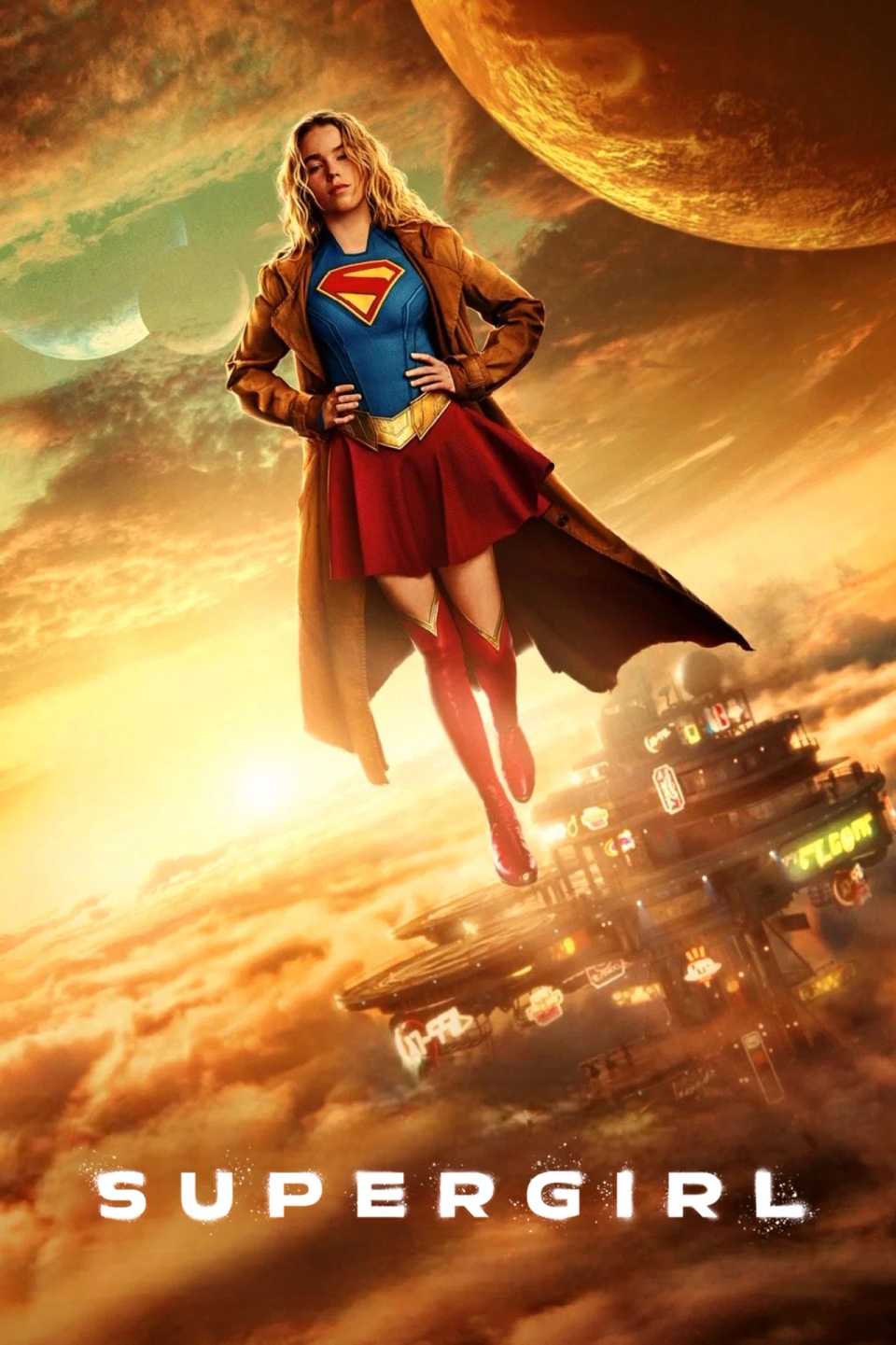
Supergirl certainly falls into the latter group. The movie centers not only on Kara/Supergirl but also on a 13-year-old girl named Ruthye who is on a quest for revenge after her entire family was murdered in front of her. Frankly, that in and of itself could have been an interesting plot, but the movie ultimately revealed that, in addition to murdering Ruthye's family, Krem and the Brigands frequently abduct young teenage girls and force them to reproduce—essentially, it's a story of child sex trafficking.
Yes, this is an actual issue in the real world, so it's not completely out of left field to depict something so heinous. However, for a movie that is actively drawing in audiences around Ruthye's age, this just serves to undercut what should be a celebratory movie and positive representation for this age demographic, instead traumatizing the very audience that it seems to, in part, be catering to. Notably, this is also not something that is often seen in superhero movies about men.
Women-led superhero movies consistently depict very gendered trauma and violence, including sexual violence. The same cannot be said of superhero movies about men. As yet another example, Black Widow was a major moment in the MCU because it was finally giving Natasha Romanoff a standalone movie, and while it wasn't the first solo female hero movie in the MCU (Captain Marvel had come out two years before), it was among the first. While Black Widow does offer some great representation, though, it also drives home the point that Natasha, Yelena, and the other Widows suffered specifically because they were girls.
As if it wasn't on the nose enough, towards the end of the movie, Dreykov directly tells Natasha that he steals little girls and forces them to fight for him because girls are "the only natural resource that the world has too much of." Even if the message of the movie is meant to convey the opposite, this concept in and of itself is massively traumatizing, in (again) one of the very few superhero movies that actually give women and girls a female lead to see themselves in.
And, while arguments can be made that this is in the source material, the truth is, it's just exhausting to continually get this type of story instead of a joyful woman-led hero movie.
Women Should Be Able To Have Heroes Without Their Worst Fears Being Depicted Too

At this point, the problem isn't that Black Widow highlighted that girls are considered lesser than boys by many (someone doesn't have to be a cartoonishly evil villain like Dreykov to hold this view, unfortunately) or that Supergirl included a plot line about child sex trafficking—at least not as siloed issues. The larger concern is that this has become a trend in women-led superhero movies, and at the end of the day, women and girls deserve to have joyful hero movies in which they feel represented without needing to pay for it first by being traumatized by the material.
And, honestly, that is beginning to feel like the tradeoff. It's starting to feel like female audiences have to be ready to see their worst fears—or, in many cases, their own real-life traumas—shown on screen if they want to have superhero stories that center on women. And therein lies the actual problem. These aren't abstract ideas or stories loosely based on reality. Violence against women, sexual assault, and the victimization of young girls are all real issues, and they're actually disturbingly pervasive ones.
Why can't women and girls, like so many men and boys, go to the theater to escape and see a triumphant hero, whom they can easily see themselves in, defeat the big bad and win the day without the risk of being reminded of the worst thing that ever happened to them?
Release Date June 26, 2026
Runtime 108 minutes
Director Craig Gillespie
Writers Ana Nogueira






 English (US) ·