
SpaceX is reportedly preparing a 2026 initial public offering that would raise over $30 billion, targeting a valuation of about $1.5 trillion. Part of the funding is said to toward an ambitious venture that CEO Elon Musk and other tech billionaires have been eyeing for some time now: AI in space.
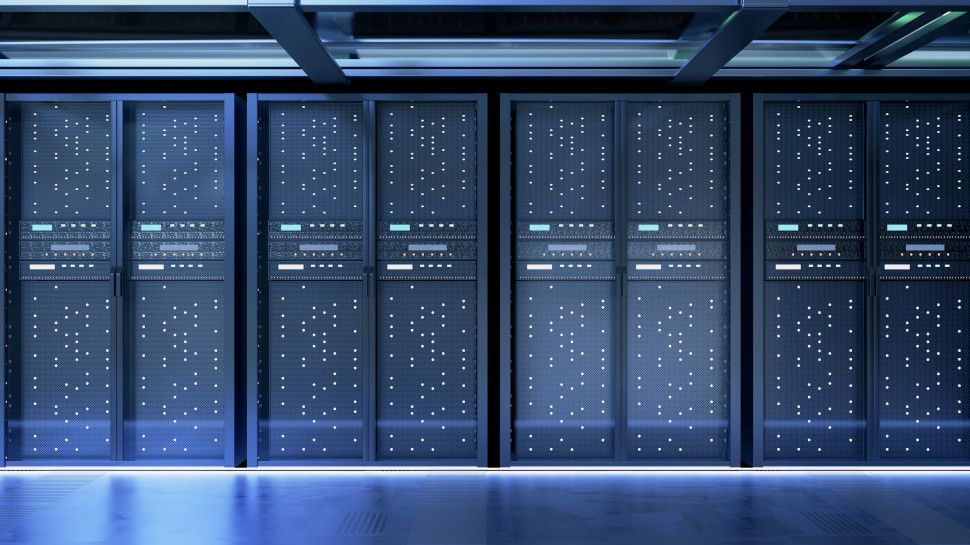
As data centers proliferate across the U.S. to support surging demand for AI training and operation, the resulting strain on energy, water, and land resources is becoming impossible to ignore. Facing limits on the growth of this booming industry, Big Tech has proposed another solution: building data centers in orbit.
Two sources familiar with SpaceX’s IPO plans told Bloomberg the company expects to use some of the new capital to develop orbital data centers, including purchasing the chips required to build them. Musk has expressed strong interest in the idea in recent weeks, claiming that SpaceX could leverage Starlink for this purpose.
“Simply scaling up Starlink V3 satellites, which have high speed laser links would work. SpaceX will be doing this,” he posted on X in late October. During a recent event with Baron Capital, Musk said he sees a path to putting 100 gigawatts of computing power from solar-powered AI satellites into orbit each year.
Gizmodo reached out to SpaceX for comment but did not receive a response by the time of publication.
SpaceX’s vision for Starlink-based data centers
Proponents of orbital data centers say their advantage lies in tapping limitless solar energy while avoiding the environmental and public-health consequences of building them on Earth. Meanwhile, critics contend that the expense and technological complexity of putting data centers in the unforgiving environment of space makes the idea impractical.
Many tech billionaires, including Musk, fall squarely into the “proponents” category. With a blockbuster IPO on the horizon and Musk’s forecast that SpaceX’s newest rocket will start launching Starlink V3 satellites in 2026 as well, the company does appear uniquely well-positioned to lay the groundwork for orbital server farms.
It’s unclear exactly how SpaceX would adapt its Starlink architecture for AI data centers, or how much this venture would cost. It would be a major leap, but not an impossible one. Each Starlink V3 satellite is expected to have a downlink speed of 1 terabyte per second, a 10-fold increase from the V2 mini Starlink satellites, which is comparable to terrestrial data centers. It’s also not yet clear how much processing power SpaceX can pack into each spacecraft.
A large hurdle will be launching the many Starlink V3 satellites required to build the equivalent of a terrestrial data center. SpaceX can already launch thousands of satellites per year with its Falcon 9 rocket. But the V3s will be much bigger and will need to launch on Starship, which is not yet fully operational. Even if SpaceX hits the ground running next year, it could take decades to achieve this goal.
The AI space race is heating up
SpaceX isn’t the only company interested in orbital data centers. Blue Origin founder Jeff Bezos has also touted them as a viable way to protect Earth’s resources and the AI industry’s growth, predicting that humans will start building gigawatt-scale orbital data centers within the next 10 to 20 years. In November, Google announced Project Suncatcher, a research initiative aimed at building its own satellite-based orbital data centers.
Several smaller companies are also developing space-based data center technologies, including Aetherflux, Lonestar Data Holdings, and Axiom Space. The potential advantages of moving these facilities off the Earth have clearly captured the tech sector’s attention.
Though SpaceX has not publicly confirmed plans for an IPO or for investment in orbital data center research and development, its reputation as an aerospace pioneer means these rumors are likely to spur competitors’ interest in taking AI infrastructure to space.






 English (US) ·