
 3 weeks ago
34
3 weeks ago
34
Sigma created an art form out of its Art series of lenses. They are beautiful, professional, and often chosen over OEM options. But there is always room for improvement, and the Art series has been on the market for a minute, so new technology inevitably leads to new updates. It could be argued that the Sigma 35mm F/1.4 Art is one of the most popular primes in the Sigma arsenal, and now we have a successor.
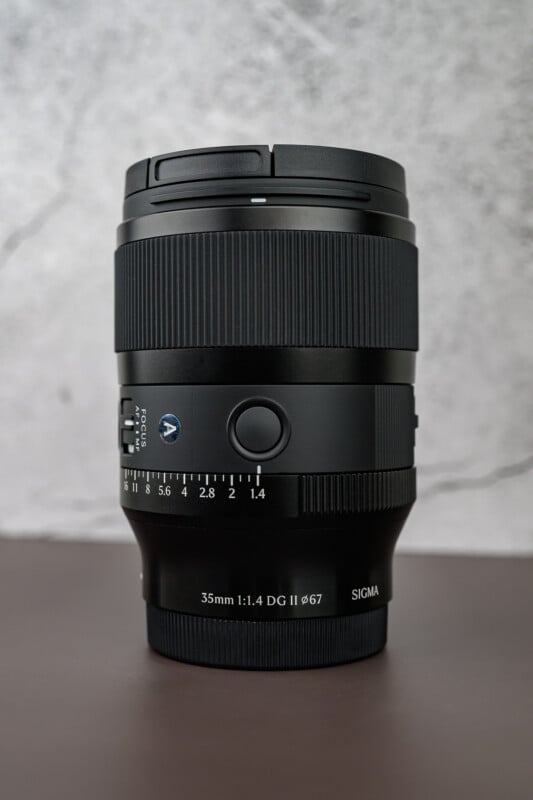 The updated version of the Sigma 35mm f/1.4 Art has arrived.
Sigma 35mm f/1.4 II Art Review: How It Feels
I took the new $1,059 Sigma 35mm f/1.4 DG II Art on the streets of Calgary to see what the latest technology brings to the table. From a size standpoint, the new version is slightly smaller than before. It still retains the 67mm filter diameter from the first version, but the weight drops to 18.7 ounces (530 grams). The manual focus ring is smooth and easy to find; there are multiple customizable buttons, and a true aperture ring can be found. I like that there is an AF/MF switch, and the aperture ring can be set for de-clicked functionality.
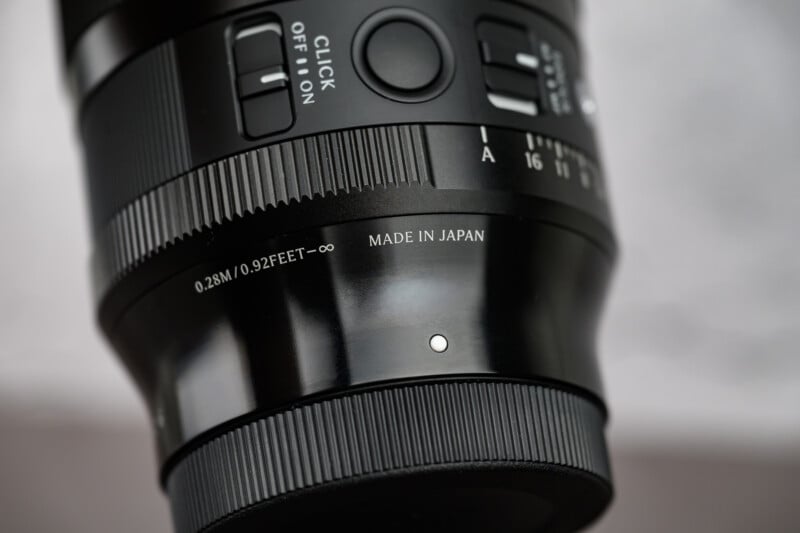 I appreciate the aperture ring and the ability to control the click function.
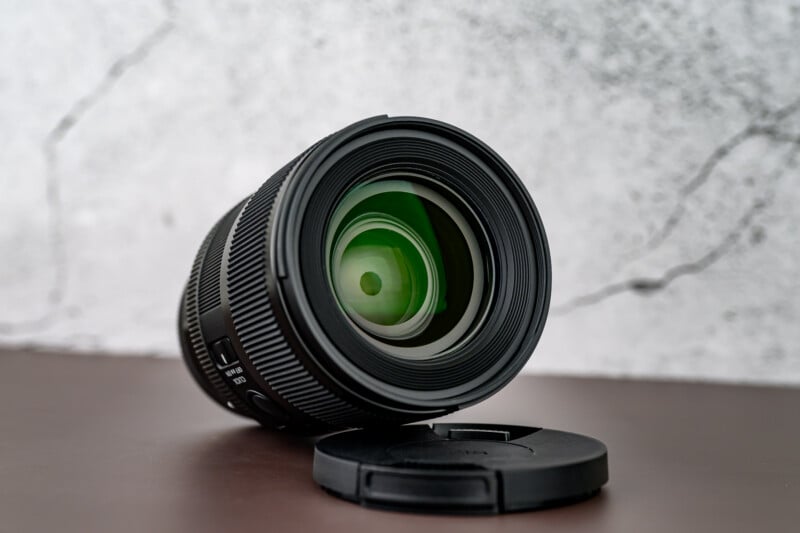 The lens is slightly smaller than its predecessor, but only slightly.
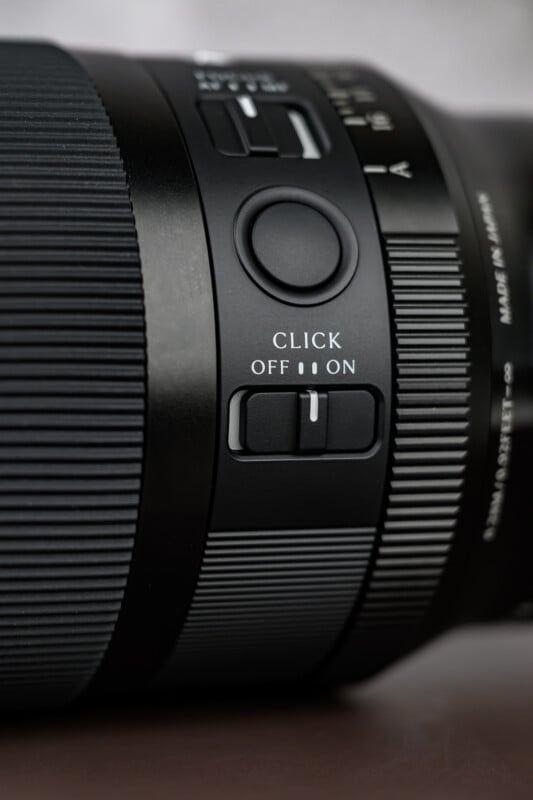 You get plenty of customizable buttons and controls.
Like all Art series lenses, the housing is sealed against most splashes and dust. You get a hood included with the lens, which clicks in place with a locking mechanism. As usual, the new 35mm f/1.4 Art II feels like a high-quality optic, despite its smaller and lighter proportions.
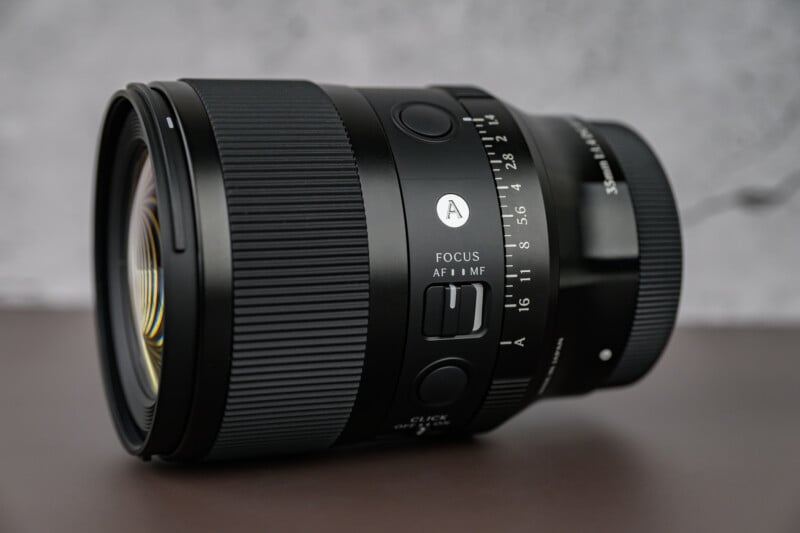 The lens is ruggedly built, weather-sealed, and handsome.
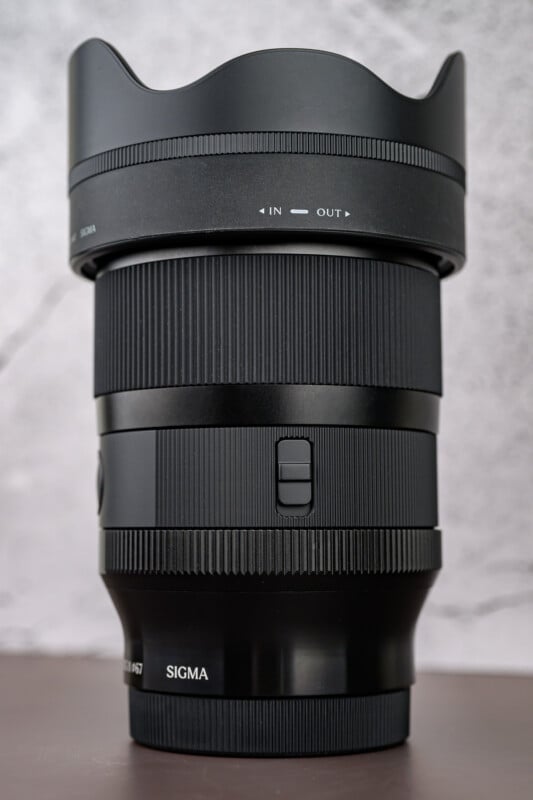 There is a shallow hood that clicks into place with a locking switch.
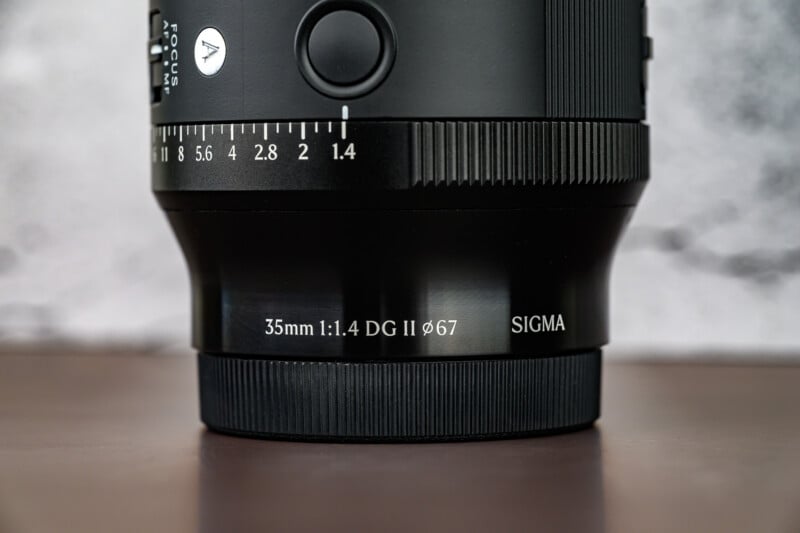 The Art series lenses are works of art in their own way.
Sigma 35mm f/1.4 II Art Review: How It Shoots
Flare is incredibly well-controlled with minimal ghosting at tighter apertures, and almost no loss of contrast. The shallow hood can block any extraneous light. I was also impressed with the sunstars at the tightest apertures. You will get distinct star shapes with long tines and good definition. There was also very little LoCA, or longitudinal chromatic aberration. The first version had issues with LoCA and would often show green and magenta color fringing in out-of-focus areas. This new version handles LoCA much better, and although it was present, it was minor.
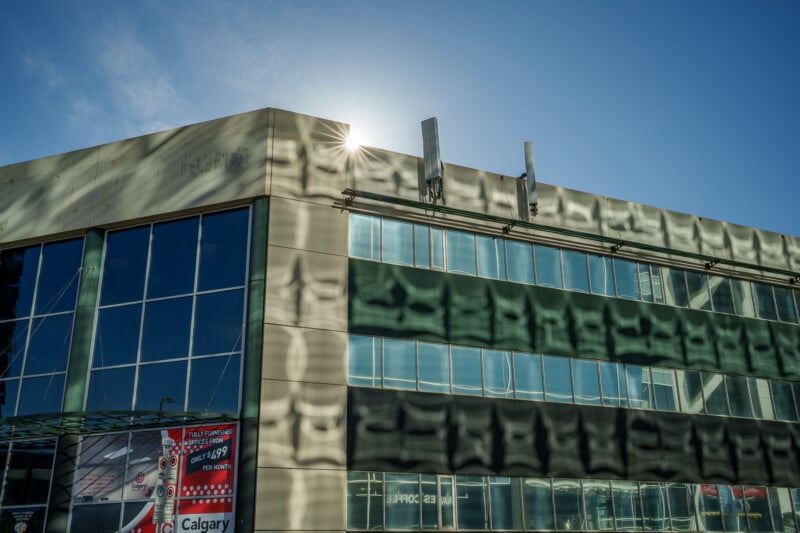 Sunstars are really nice out of this latest Sigma 35mm f/1.4.
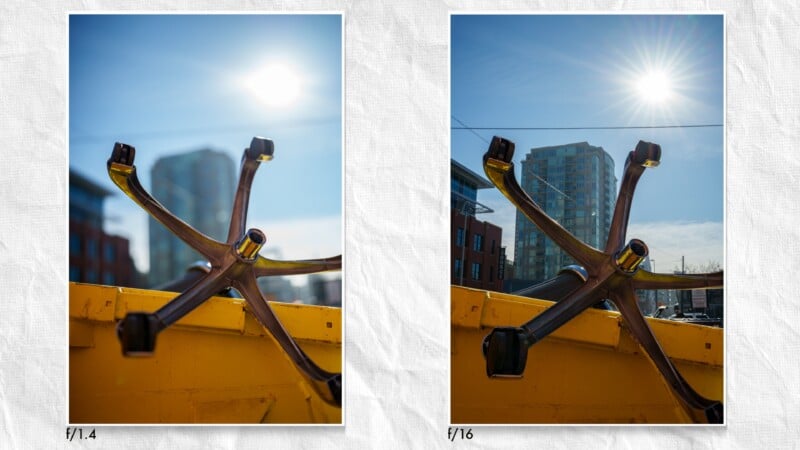 Flare issues are almost non-existent.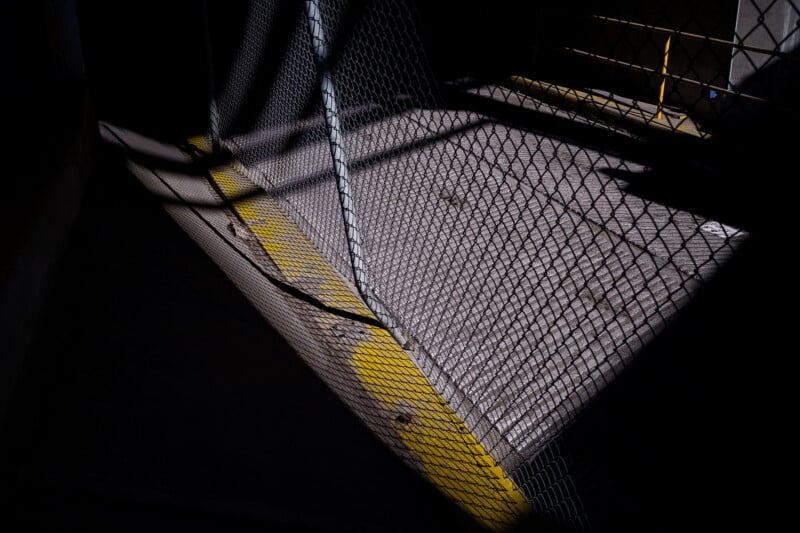
The bokeh has a bit of a soap bubble halo around specular highlights, but I like the cat’s eye swirl at f/1.4. Otherwise, the highlights are smooth and clean, and the backgrounds look soft and without distractions. I especially like faster 35mm lenses because I can get a natural separation between my subjects and the background. This latest lens does a really nice job of rendering smooth backgrounds and transitions of focus.
 The bokeh is clean and pleasant, with very smooth-looking backgrounds.
 Subject separation from the background is effective at f/1.4.
The older lens naturally used a slower stepping motor to perform autofocus. Now that we have a new version, we also get the latest dual high-speed linear motors that we have in the new 35mm f/1.2 Art lens released last year. Focusing is quick and effortless now, and you should be able to handle anything you would need it to. Any street photography, low-light concert shooting, or action work is easily doable with the fast focusing motors. I also checked the lens for breathing issues. This is where the field of view can change dramatically while focusing the lens, and it can be very distracting when recording video. The new Sigma has almost none, which is a very impressive upgrade from the first version.
 This lens is fast focusing and quiet. You’ll find it fast enough for any situation.

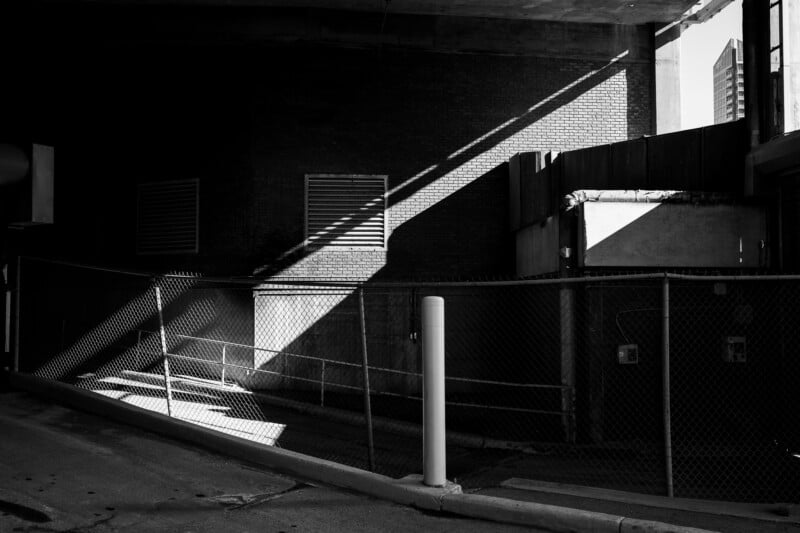
Sharpness is something that I fully expected the new 35mm lens to excel at. Sigma has been on a roll, making excellent lenses with amazing clarity. However, this new 35mm was even more impressive than expected. At f/1.4, the center of the image is razor-sharp with decent contrast. When I stopped down the aperture, I noticed a little more overall contrast, but it was already an excellent result. What most impressed me was the excellent corner sharpness, though. Corners are something that usually become a secondary thought, but the Sigma 35mm f/1.4 II has amazing clarity in the corners at the widest apertures. Basically, this lens is sharp right from f/1.4, anywhere you decide to focus the lens.
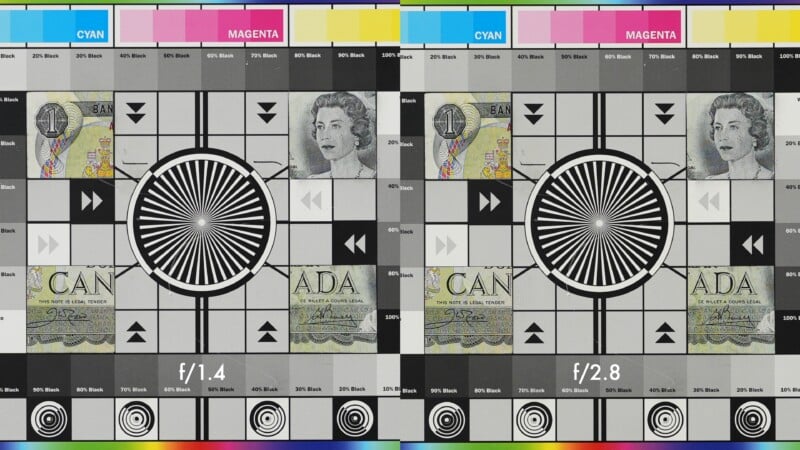 Sharpness is exceptional at the widest apertures.
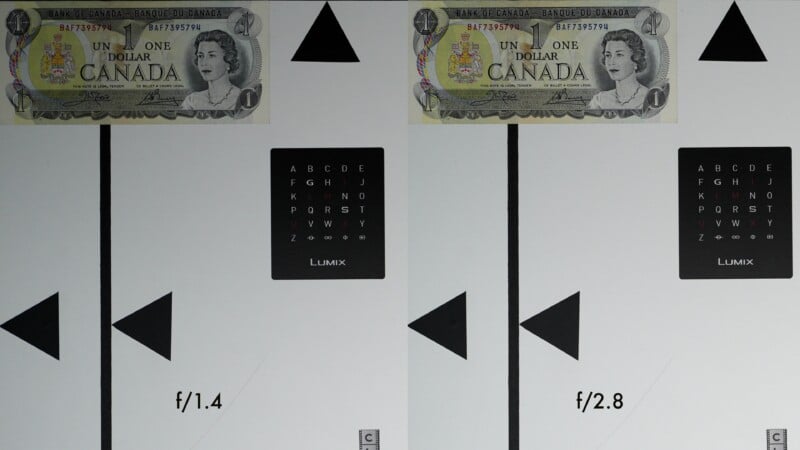 Even the corners look great at f/1.4.
Sigma 35mm f/1.4 II Art Review: Near Perfection
This is an easy lens to review because it’s almost perfect. Sigma corrected every issue we had with the first version of the lens, which was a great optic in its own right. But this time around, the incredibly popular 35mm focal length gets a big update and is still reasonable at the price of $1,059.
In L-Mount, this is the obvious choice for the best 35mm lens available. Sony does make an incredibly good 35mm f/1.4 G Master lens, but it is six hundred dollars more and gives comparable image quality results. V
Viltrox makes a LAB series 35mm f/1.2, and of course, Sigma has a new 35mm f/1.2, too. However, both lenses are heavier and have some image quality compromises to accommodate the wider f/1.2 aperture. I don’t personally think it’s worth it, and would probably go for this latest Art series lens if I wanted a 35mm focal length. 35mm might not be my favorite focal length, but it is very popular with many photographers, and you cannot go wrong with this latest addition to the Sigma Art line of optics.

Are There Alternatives?
Panasonic only makes a 35mm f/1.8, which is definitely more affordable, but doesn’t have the optical sophistication of this lens. Sony offers a far more expensive version of this lens with almost the same image quality results. Might as well save some money.
Should You Buy It?
Yes. This lens will probably become an instant classic and may very well gain legendary status in the months to come.






 English (US) ·