
 2 hours ago
5
2 hours ago
5
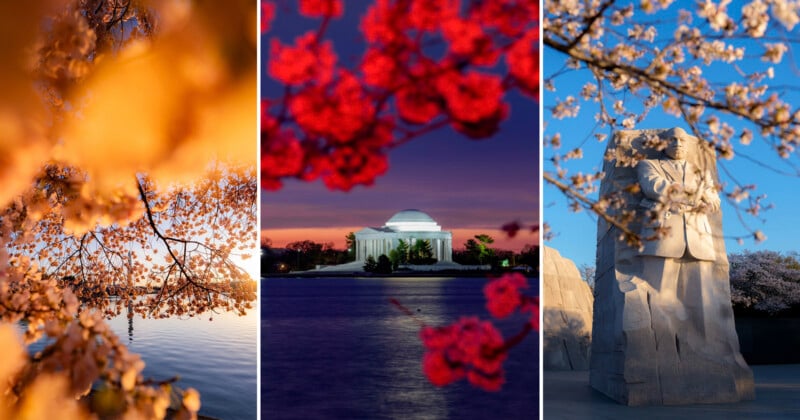
For 17 years, Drew Geraci has chased cherry blossom season in Washington, D.C., returning each spring to document its fleeting beauty. Now, he’s sharing his insights from this long-running project and how it has meant capturing not just the blossoms, but the evolving light, energy, and rhythm of the city.
Returning to the Same Moment, Differently Each Year
For nearly two decades, award-winning photographer, cinematographer, and Sony Artisan of Imagery, Drew Geraci has returned to Washington, D.C.’s cherry blossoms with a consistency that might suggest routine. But in practice, the project is anything but repetitive.
The bloom cycle resists predictability, compressing opportunity into a narrow window that demands both preparation and adaptability. What draws Geraci back is not just the visual appeal of the blossoms, but the way they impose urgency and awareness. The project has evolved into something closer to a long-term observation of change, where each year builds on the last while remaining entirely its own.
“Seventeen years in, and honestly, it still feels like year one every time those trees bloom. The cherry blossoms in D.C. aren’t just a subject for me. They’re a living, breathing event. They show up, peak, and disappear in a way that forces you to be present. That’s what keeps pulling me back. There’s no ‘I’ll get it next week.’ You either show up prepared, or you miss it,” Geraci says.
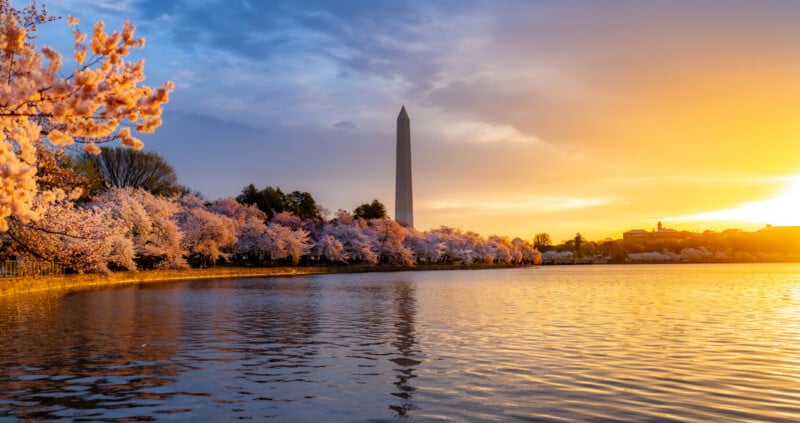
Alongside that immediacy, the project has taken on a deeper role as a form of visual record. The blossoms themselves may be the focal point, but they are inseparable from their surroundings. Over time, Geraci has come to see the work as a layered archive, capturing not only seasonal beauty but also the evolving character of the city, its atmosphere, and the people who move through it.
“There’s also something deeper for me when it comes to production this content. This project has become a time capsule. Every year I’m not just documenting the blossoms, I’m documenting the city, the people, the atmosphere, and how all of that changes over time. It’s one of the few subjects where beauty and impermanence collide so perfectly,” Geraci says.
From Technical Precision to Emotional Intent
Geraci’s early approach to photographing the blossoms was rooted in technical rigor. Like many photographers refining their craft, the focus was on achieving maximum image quality through tools like HDR bracketing, sharpness optimization, and dynamic range control. Over time, however, that emphasis has shifted. The technical foundation remains, but it now serves a broader purpose, supporting a more intentional effort to convey mood, motion, and narrative within each frame.
“Over nearly two decades, my approach has shifted from ‘capture everything’ to ‘capture meaning.’ Early on, I was focused on technical perfection like HDR brackets, dynamic range, and sharpness. Now, I’m chasing emotion, motion, and story,” Geraci says.
That evolution is evident in how he now applies those same techniques. HDR is no longer about visual intensity for its own sake, but about extending tonal range in a way that feels natural and immersive. Similarly, time-lapse work has become more deliberate, with careful attention paid to how multiple moving elements interact within a scene to create a sense of life and continuity.
“Technically, I’ve refined how I use HDR so it doesn’t scream HDR. It’s more about extending the tonal range naturally and showcasing the material in way the resonates with regular viewers,” Geraci says.
“With timelapse, I’ve leaned heavily into motion design, finding scenes where at least three elements are moving: clouds, people, water, light, etc. That layered motion is what gives the scene life.”
Working Within a Narrow Window
Photographing cherry blossoms is defined as much by timing as it is by composition. The bloom period is short and increasingly unpredictable, requiring planning that begins well before the first petals appear. Even with years of experience and familiarity with specific locations, each season introduces new variables, particularly in terms of weather and shifting bloom schedules.
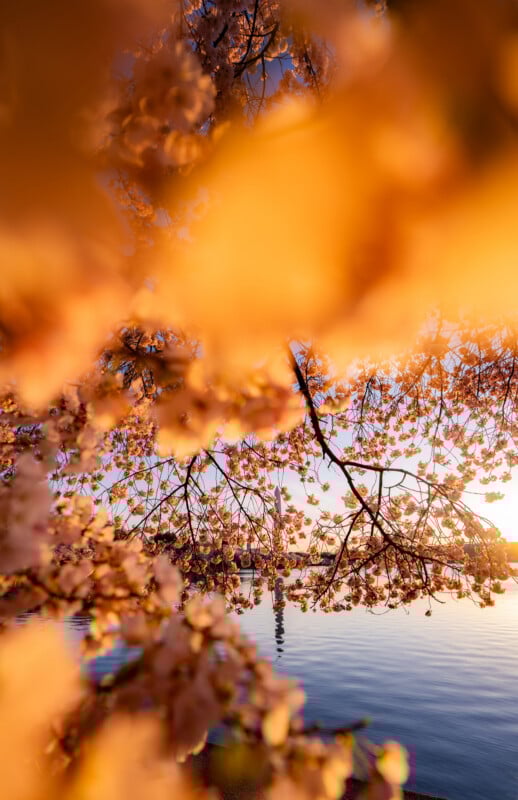
“Cherry blossoms don’t reward laziness. You’ve got maybe a 7–10 day window, and peak bloom might only last 2–3 days depending on weather,” Geraci says.
Geraci’s process during this period is intensive, structured around maximizing coverage across different times of day and lighting conditions. The pace leaves little room for rest, with continuous adjustments made in response to crowds, weather changes, and evolving conditions on the ground.
“Once we’re in bloom, it’s go-time. I’m shooting sunrise, mid-morning and sunset. Sleep becomes optional. You’re stacking sequences, rotating locations, and constantly adapting to the crowds,” Geraci says.
At the same time, long-term observation has revealed noticeable changes in the timing of peak bloom, suggesting broader environmental shifts that directly affect both planning and execution.
“This year has been different though as the blossoms have reached peak way before they normally do. Ten years ago I was filming peak blossoms at the end of April, now they come mid-March to the end of March. If that says anything about our climate it should totally start waking people up,” Geraci says.
Familiar Locations, New Perspectives
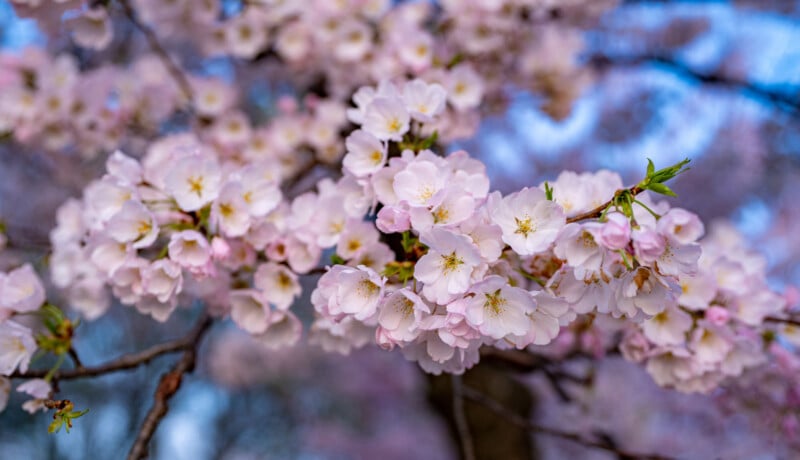
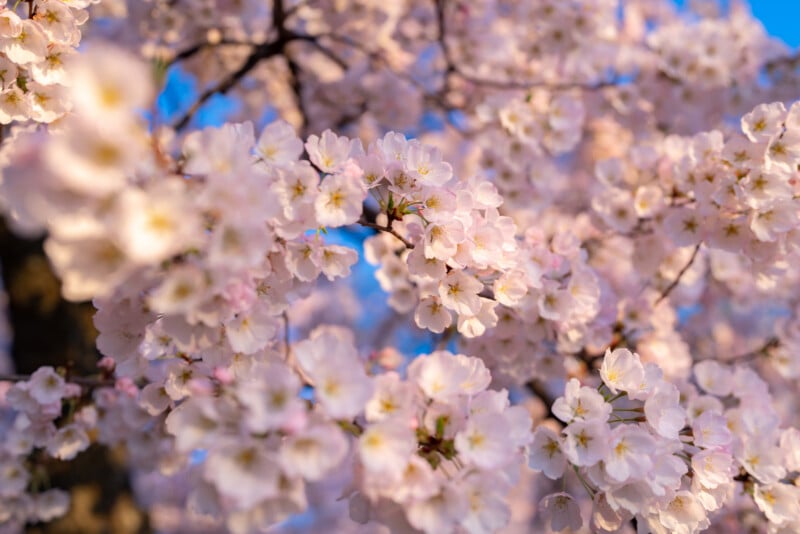
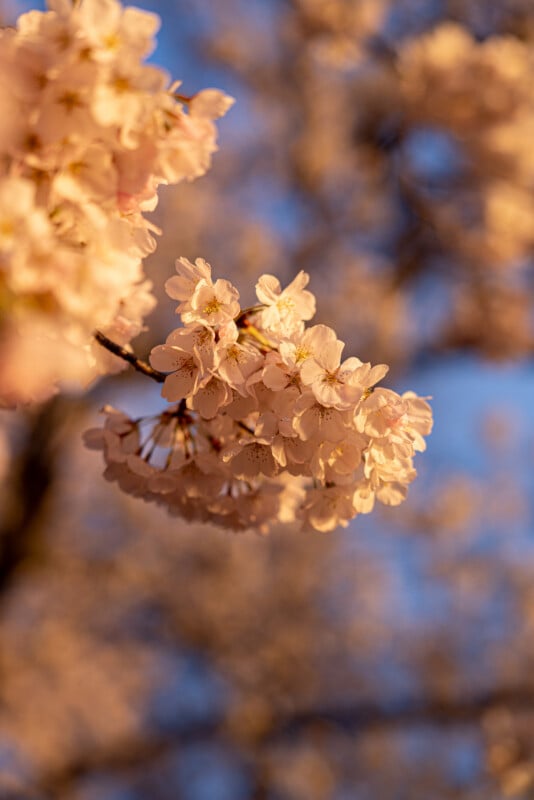
Certain locations in Washington, D.C. remain central to Geraci’s work, not because they are predictable, but because they provide a consistent framework for variation. Iconic compositions serve as a baseline, allowing changes in light, weather, and human activity to redefine the scene year after year. At the same time, relying too heavily on these familiar views risks repetition, something Geraci actively seeks to avoid.
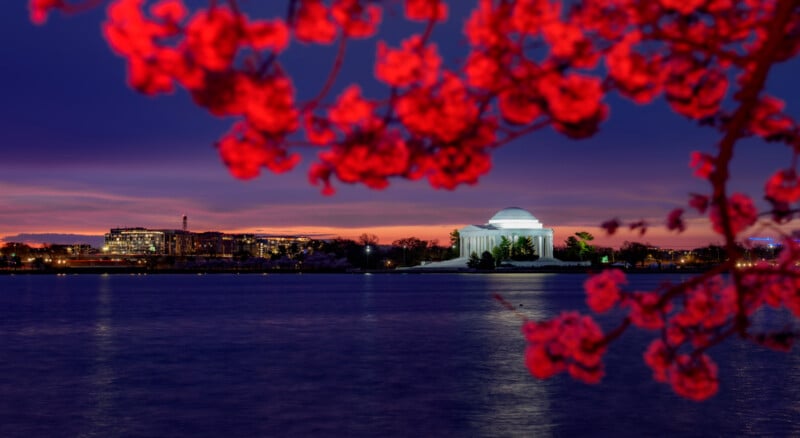
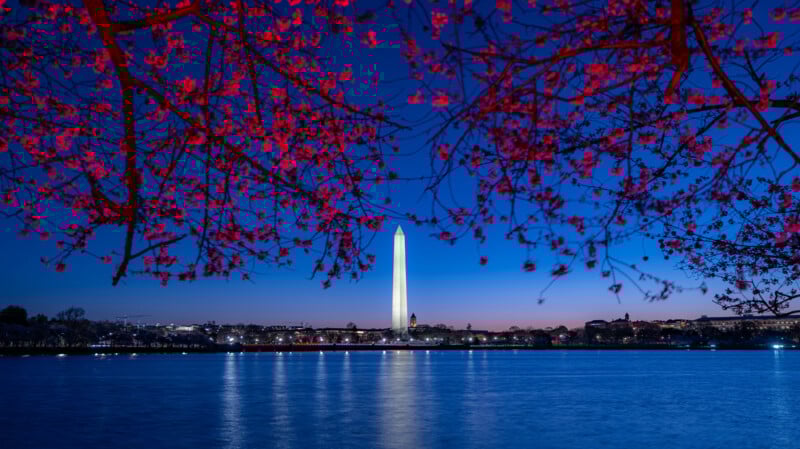
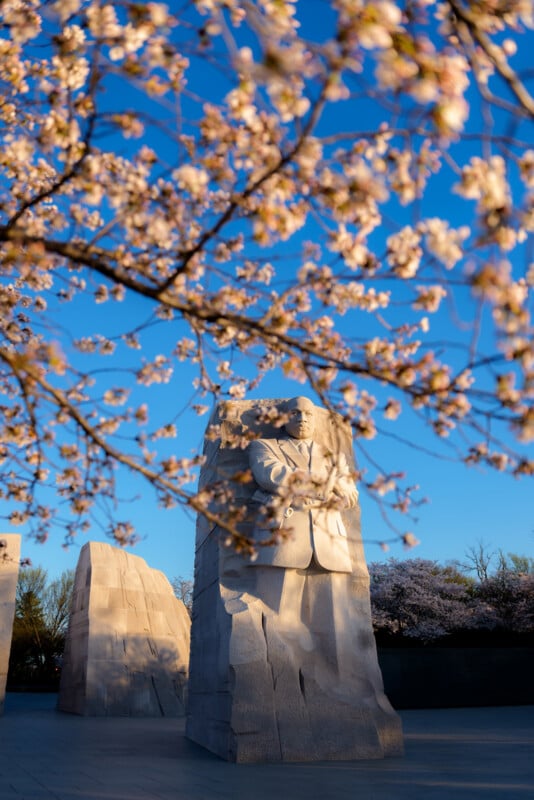
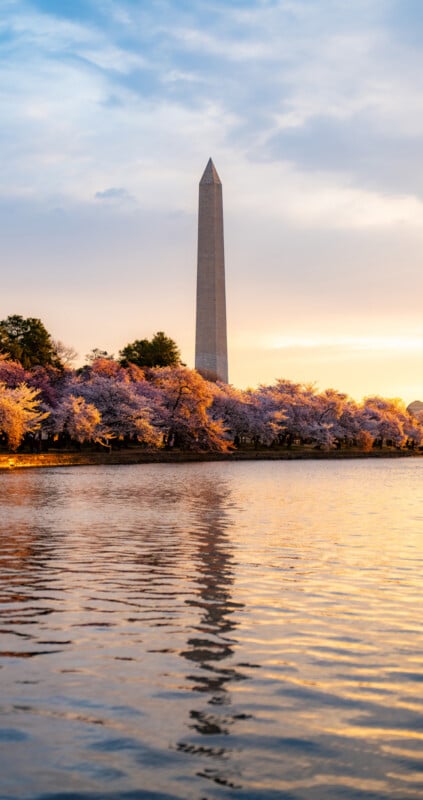
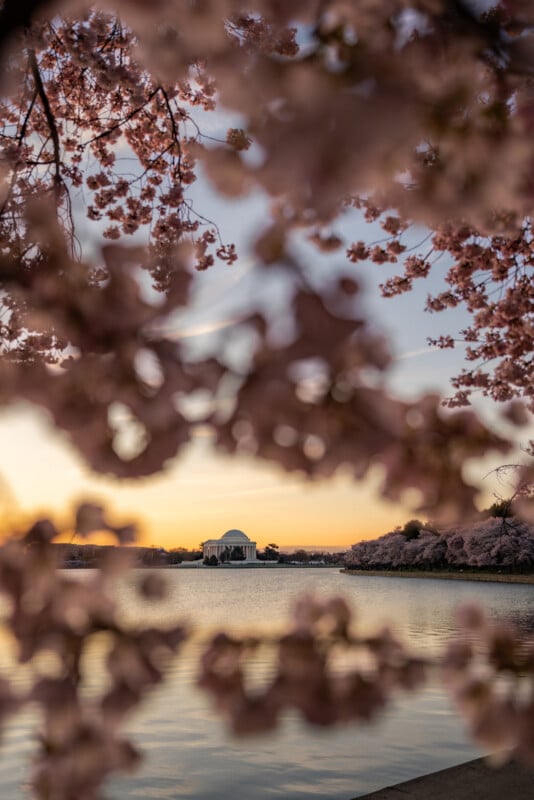
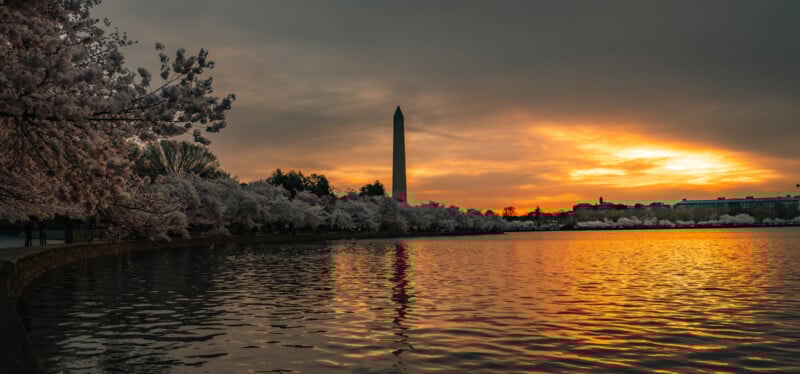
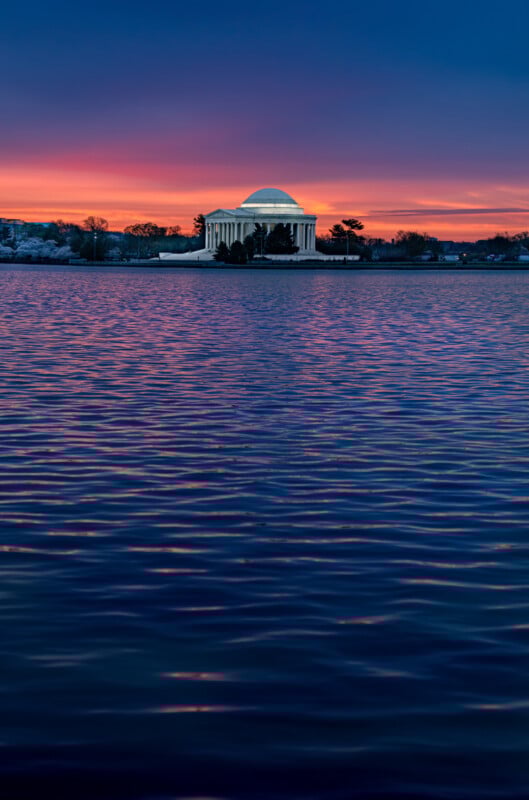
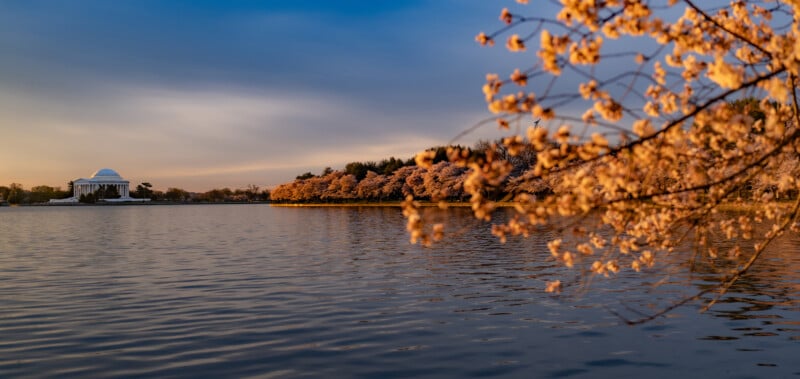
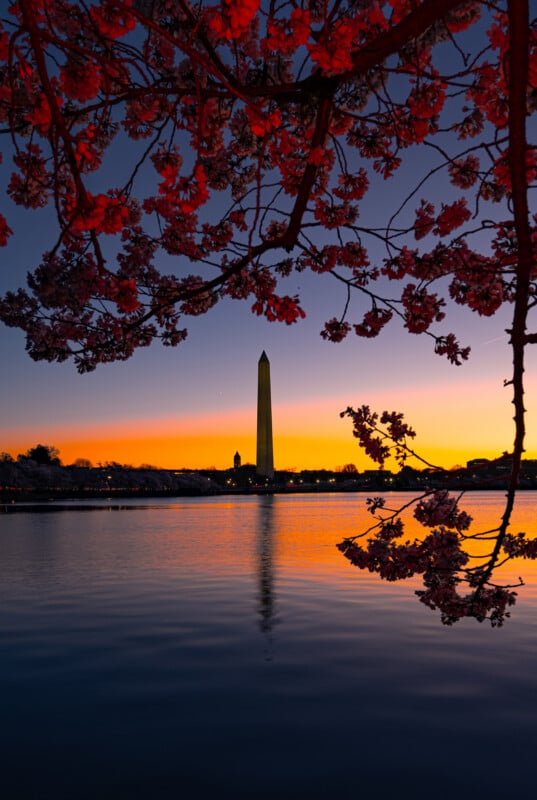
“There are definitely ‘classic’ spots I return to each year and they include: Jefferson Memorial, Tidal Basin reflections, and the Washington Monument framed through blossoms. They’re go-to frames and never disappoint,” Geraci explains.
To counter that familiarity, each season includes a deliberate effort to experiment with new vantage points and compositional strategies. This might involve physical repositioning, such as shooting from elevated or unconventional angles, or rethinking how foreground and background elements interact to create depth and context.
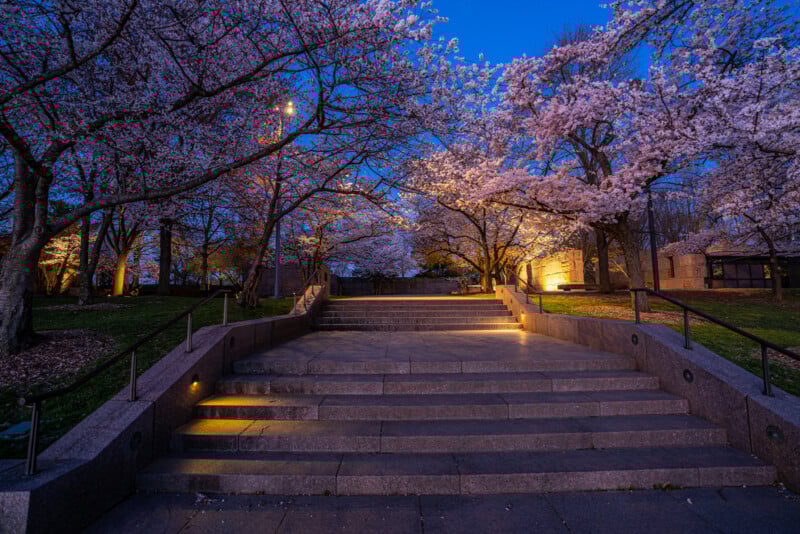
“But if you only shoot the obvious, your work starts to look like everyone else’s. Every year, I push myself to find new angles on familiar locations. The goal is always the same: make something familiar feel new again,” Geraci says.
Embracing Unpredictability
Over time, one of the most significant shifts in Geraci’s approach has been his willingness to incorporate, rather than eliminate, unpredictability. Early efforts to capture clean, unobstructed scenes have given way to a more open acceptance of movement, crowd density, and environmental disruption as integral parts of the story.
“One of the biggest ‘aha’ moments was realizing that perfection is overrated. I used to chase clean, empty scenes. Now I embrace chaos — people, movement, unpredictability. That’s what makes D.C. during cherry blossom season feel alive,” Geraci says.
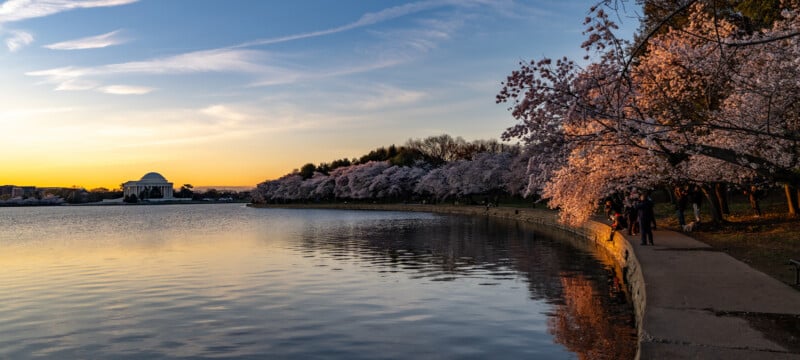
This perspective extends to the practical challenges of shooting in such a dynamic environment. Weather conditions, shifting light, and the sheer volume of visitors all introduce complications, but they also create opportunities for images that feel more authentic and immediate.
“I’ve had setups completely ruined by people, wind or rain but sometimes those moments create the most dramatic, unique footage you’ll ever capture. It may not be technically beautiful but it’s interesting and tells the true story,” Geraci says.
Observing Change Over Time
Beyond the creative and technical considerations, Geraci’s long-term engagement with the blossoms has given him a unique vantage point on how the season itself is changing. Variations in bloom timing, increased storm activity, and evolving crowd patterns have all become more pronounced over the years, subtly reshaping both the experience of the blossoms and the way they are documented.
“I’ve definitely noticed shifts over the years when it comes to bloom timing. It gets earlier and earlier each year, which I don’t think is a good sign for our climate,” Geraci says.
“I think we’re guaranteed at least 1–2 storms a blossom cycle, which was never the case. We could go weeks with peak bloom, but now it only lasts a few days.
Even the human rhythms surrounding the blossoms are shifting, altering the balance between stillness and activity that has long defined the visual character of the season.
“This year no one shows up until around 6:30 or 7 AM which is super concerning. It’s great if you’re trying to capture an empty tidal basin but the excitement and buzz of people as they enjoy the blossoms has diminished a bit, which makes me a bit sad,” Geraci says.
Storytelling Through Fleeting Moments
At its core, Geraci’s cherry blossom work is less about individual images and more about conveying a broader sense of time, place, and experience. The blossoms serve as an anchor, but the story extends outward to include the movement of people, the passage of light, and the transient nature of the moment itself.
“At the end of the day, I’m not trying to just show cherry blossoms. I’m trying to capture time passing, the energy of the city and the fleeting beauty of nature. That’s the story,” Geraci says.
That emphasis on storytelling is what ultimately defines the project. Success is measured not just by visual impact, but by whether the work can evoke the feeling of being there during peak bloom, immersed in a moment that is already beginning to fade.
“If someone watches my work and feels like they experienced D.C. during peak bloom, not just seeing it from afar, that’s when I know I got it right,” Geraci says.
The Years That Stay With You
Looking back across years of work, Drew Geraci resists the idea of a single definitive season or image. Instead, the most meaningful moments tend to be those shaped by difficulty, when conditions are uncertain, and outcomes are far from guaranteed. These are the instances where preparation, timing, and persistence converge, often at the last possible moment.
“As for a favorite year, that’s tough. It’s usually the one where everything almost went wrong but came together at the last second. Those are the ones that stick with you, because you had to earn them,” Geraci says.
In that sense, the project remains open-ended. Each year presents a new set of challenges and variables, ensuring that the process never fully settles into routine. The blossoms return, but never in quite the same way, and it is within that constant variation that Geraci continues to find both motivation and meaning.
Image credits: Drew Geraci







 English (US) ·