
 5 hours ago
418
5 hours ago
418
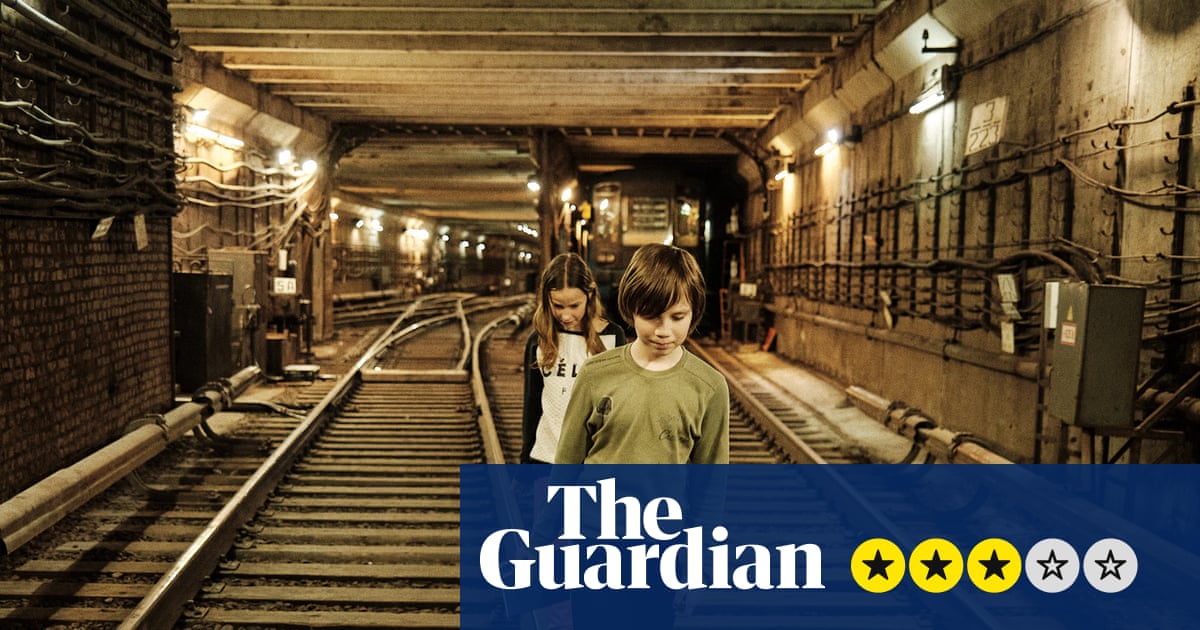
While war rages on, hope continues to take root underground in Ivan Ostrochovský and Pavol Pekarčík’s moving documentary. Shot in the Kharkiv metro in Ukraine, the film follows Nikita, a spirited 12-year-old, during his daily routines in what has become a cavernous bomb shelter. Seeking refuge from the endless bombing and shelling, thousands call the metro their new home, bringing with them the barest of necessities. Lit by stark fluorescent lights, this subterranean hideout has no sunlight, yet it glows with the warmth of camaraderie and community.
Often at Nikita’s eye level, the camera observes the metro through his gaze. An air of precariousness and danger hangs in the air, as the inhabitants speak of food scarcity, illnesses caused by prolonged confinement and the bloodshed that occurs just above ground. With its echoing tunnels, abandoned carriages and wartime messages blasting through intercom speakers, the metro resembles a sci-fi dystopia; like Nikita, however, Photophobia searches for small joys in times of darkness. Though both have experienced unimaginable loss and trauma, Nikita and his new friend Vika make up their own adventures and in these moments of play are allowed to be children again.
Much of Nikita’s underground adventuring is accompanied on the soundtrack by a guitarist named Vitaly, a busker in the station whose presence is akin to that of a musical narrator, adding a touch of magic that elevates the gloom. Through his songs, Vitaly keeps the fragile sense of normality going and it appears the desire for connection is still alive, as he cheekily flirts with another elderly woman or offers worldly wisdom to Nikita. It is clear that across generations, from the very young to the very old, the resilience of the Ukrainian peopleis alive and well.







 English (US) ·