
 2 weeks ago
11
2 weeks ago
11
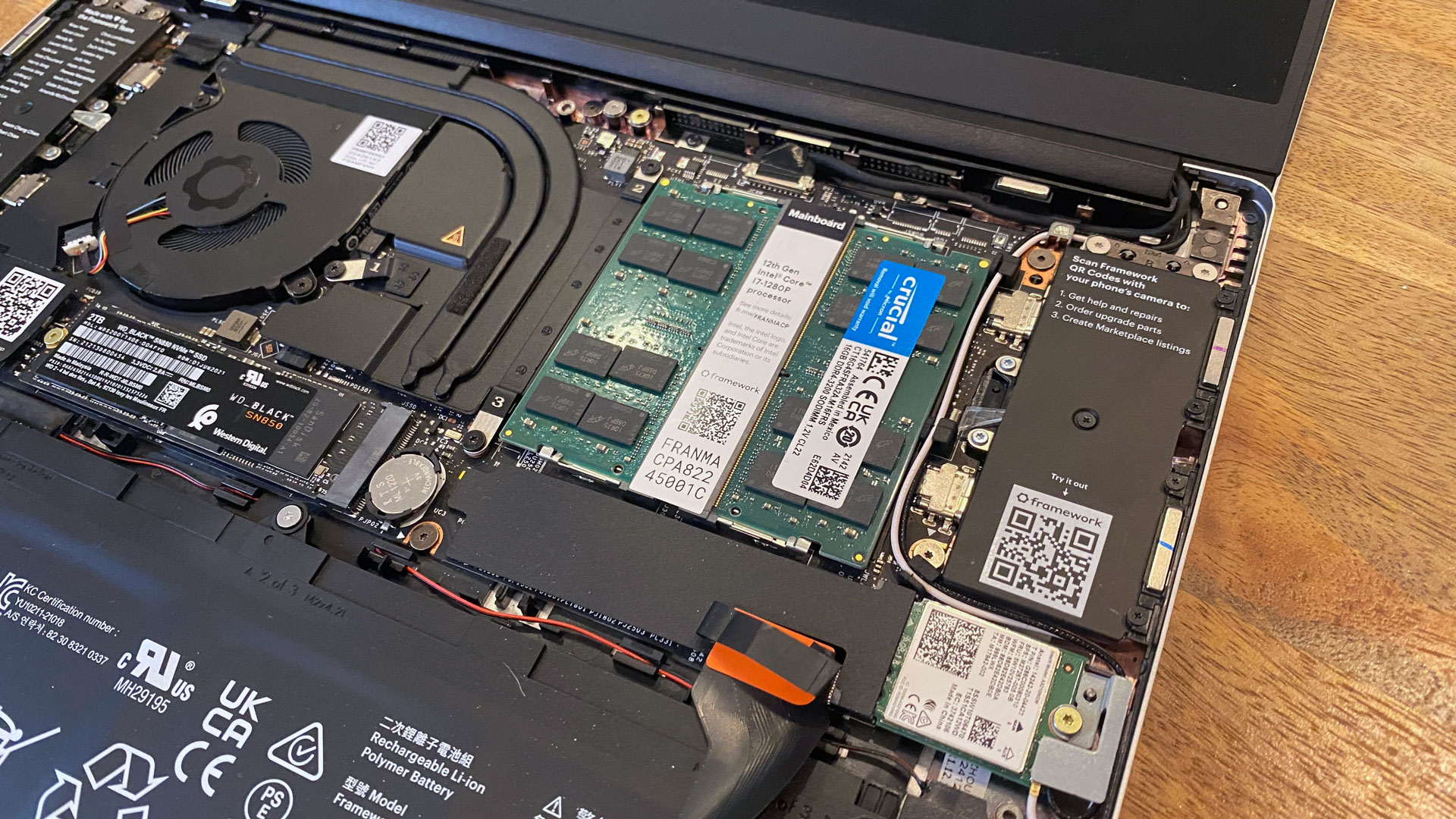
The PC supply chain is being pummeled from every angle as the AI infrastructure build out, limited production capacity, the Chinese export controls on rare earths, and the U.S.-Iran War combine to create the perfect storm of increasing costs. According to Nikkei Asia, procurement managers from different PC manufacturers have been hit with multiple price hike notices and supply constraints from various suppliers across the globe.
“We are seeing supply chain challenges happening in multiple places,” Natarajan Ramachandran, a director in chipmaker Broadcom, told Nikkei. "One place that is very unexpected for us is the printed circuit board. PCB lead times used to be six weeks but now they have become six months.” Lite-On Technology president Anson Chiu also said, "Except for the firm demand for AI infrastructure ... the outlook for the rest of this year is worse than we previously estimated. The pressure on our clients is really big. We're hearing that prices are rising across all types of packaging, even for basic plastics, which is something we haven't seen in years. That means the cost of boxes and containers is also going up.”
Article continues below
All these cost increases are bad news for the PC industry, no stranger to shortages. It started with supply chain disruption caused by the COVID-19 pandemic in 2020 and was followed by a GPU shortage because of the boom in cryptocurrency mining. OpenAI’s release of ChatGPT in 2022 extended the GPU shortage as companies scrambled to build data centers to train AI.
To make things worse, the conflict in the Middle East, which flared up in late February 2026, is further straining the supply chain. While cutting edge chips are not manufactured in the region, semiconductor factories and related industries across the world rely on aluminum, helium, and liquified natural gas for their operations — with a big chunk of supply running through the Strait of Hormuz that’s currently blockaded by Iran. Furthermore, Iranian strikes have knocked out the Ras Laffan Industrial City, which was responsible for supplying roughly 30% of the global supply of semiconductor-grade helium.

Follow Tom's Hardware on Google News, or add us as a preferred source, to get our latest news, analysis, & reviews in your feeds.




 English (US) ·