
 2 hours ago
5
2 hours ago
5
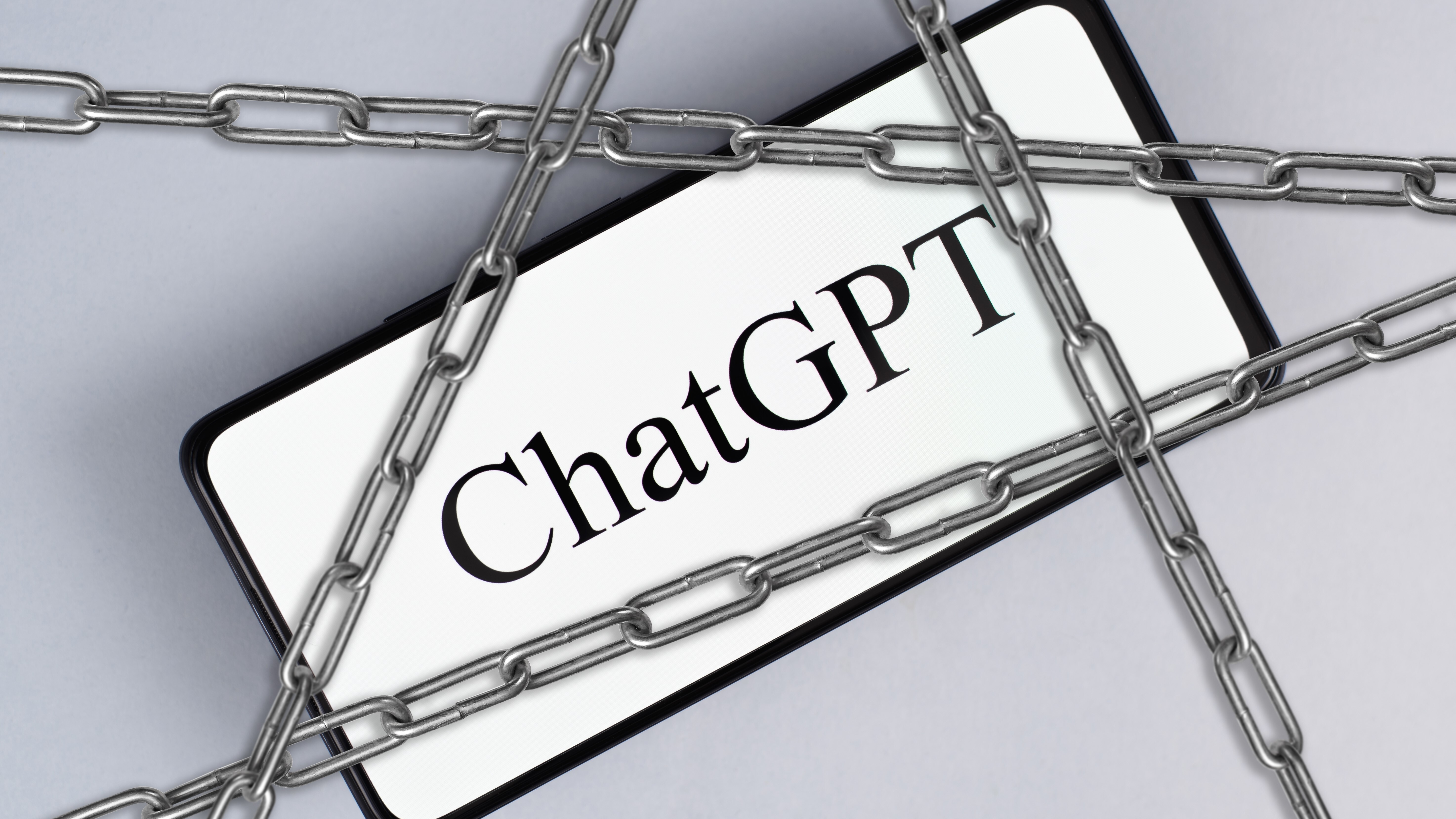
OpenAI CEO Sam Altman said during a staff Q&A meeting that its latest model, GPT-5.6, is available in limited preview to only a small group of customers handpicked by the U.S. government. According to The Information, the federal government, specifically the Office of the National Cyber Director and the Office of Science and Technology Policy, asked the AI tech company to stagger the release of its latest model. While Altman did not mention how long the delay for the general release of GPT-5.6 will be, he said in a memo that he hoped it would happen in a couple of weeks. In the meantime, the U.S. government is granting access to the latest model on a case-by-case basis only.
Despite OpenAI’s agreement to the delay, sources say that Commerce Secretary Howard Lutnick called Altman to warn him against releasing GPT-5.6 to the public without prior approval from government agencies. “We’ve made clear to the U.S. government that this is not our preferred long-term model and will work with them and others in industry to achieve a more sustainable approach for future releases,” the OpenAI chief said in the Thursday memo.
This wasn’t the first time that an American AI lab has delayed the release of its frontier model due to security concerns. Back in early April, Anthropic released Claude Mythos Preview to select key institutions first, allowing them to prepare for the general release of the powerful AI model. It eventually built Fable 5, a watered-down version of Mythos with built-in safeguards to prevent misuse, and released it in June 2026. However, the U.S. government disagreed with the company’s belief that it was a safer model and put both Fable 5 and Mythos on an export control list just three days after it dropped. This meant that foreign nationals, even those who work for Anthropic, are banned from accessing the model. Since the company cannot enforce compliance, it just decided to pull the model completely from the market.
The increasing advancement of AI models has the White House scrambling to prevent them from falling into the wrong hands. This is especially true as it continues to compete with rival China for supremacy. Although the U.S. has taken steps like export controls to slow Beijing’s progress, many industry leaders believe that it’s only a matter of time before the East Asian country catches up. So, even though the Trump administration initially promised that it would reduce regulations to help AI advance much more quickly in the country, President Donald Trump has changed his tune and signed an executive order earlier this month that asks U.S. AI labs to give the government access to their latest models 30 days before it gets a general release.
However, this move has got some industry experts concerned. “…this escalation of government intervention is nothing to celebrate. It is horrible for the broader AI ecosystem,” Head of AI Policy and think tank Abundance Institute and former FTC Chief Technologist Neil Chilson said in their blog. “Continued arbitrary, unexplained deployment of export control authority will make companies slow-walk new models, depriving the public of powerful new tools. Every AI model, like all software before it, will have vulnerabilities that require patching. The US government should not hang a Sword of Damocles over every lab’s head, with no indication when it might drop or why.”

Follow Tom's Hardware on Google News, or add us as a preferred source, to get our latest news, analysis, & reviews in your feeds.








 English (US) ·