


Published Apr 12, 2026, 5:55 PM EDT
Richard Craig is a Senior Author at Screen Rant covering film and TV. Richard has also written extensively about horror and film soundtracks, contributing a chapter to the first major academic collection on the folk horror genre, The Routledge Companion to Folk Horror. Richard is also a performing musician and holds an MA in Music and Sound Art.
One of Nosferatu director F.W. Murnau’s most overlooked films is turning 100 in 2026. While his name is forever tied to one of horror’s most iconic creations, there’s another movie in his filmography that deserves just as much recognition – yet has quietly lingered in the shadows for decades.
F. W. Murnau’s Nosferatu, helped define the visual language of horror. Its eerie imagery, from Count Orlok’s silhouette creeping up the stairs to its haunting use of shadow and light, has been endlessly referenced and reinterpreted. Even audiences who haven’t seen the original can recognize its DNA in everything from modern vampire films to gothic television series.
However, focusing solely on Nosferatu risks overlooking just how inventive Murnau really was. He was a pioneer of cinematic storytelling at a time when the medium itself was still being defined. His films consistently pushed technical and artistic boundaries, blending expressionist visuals with emotional depth in ways that felt decades ahead of their time.
While Nosferatu remains the headline act, there’s another Murnau film that rivals it in ambition, scale, and sheer creativity. Faust builds on everything he learned while crafting his most famous work – only on a much grander, more fantastical canvas. For years, it’s been overshadowed by the vampire that made him famous, but its influence and artistry are impossible to ignore.
F.W. Murnau's Faust Turns 100 This Year
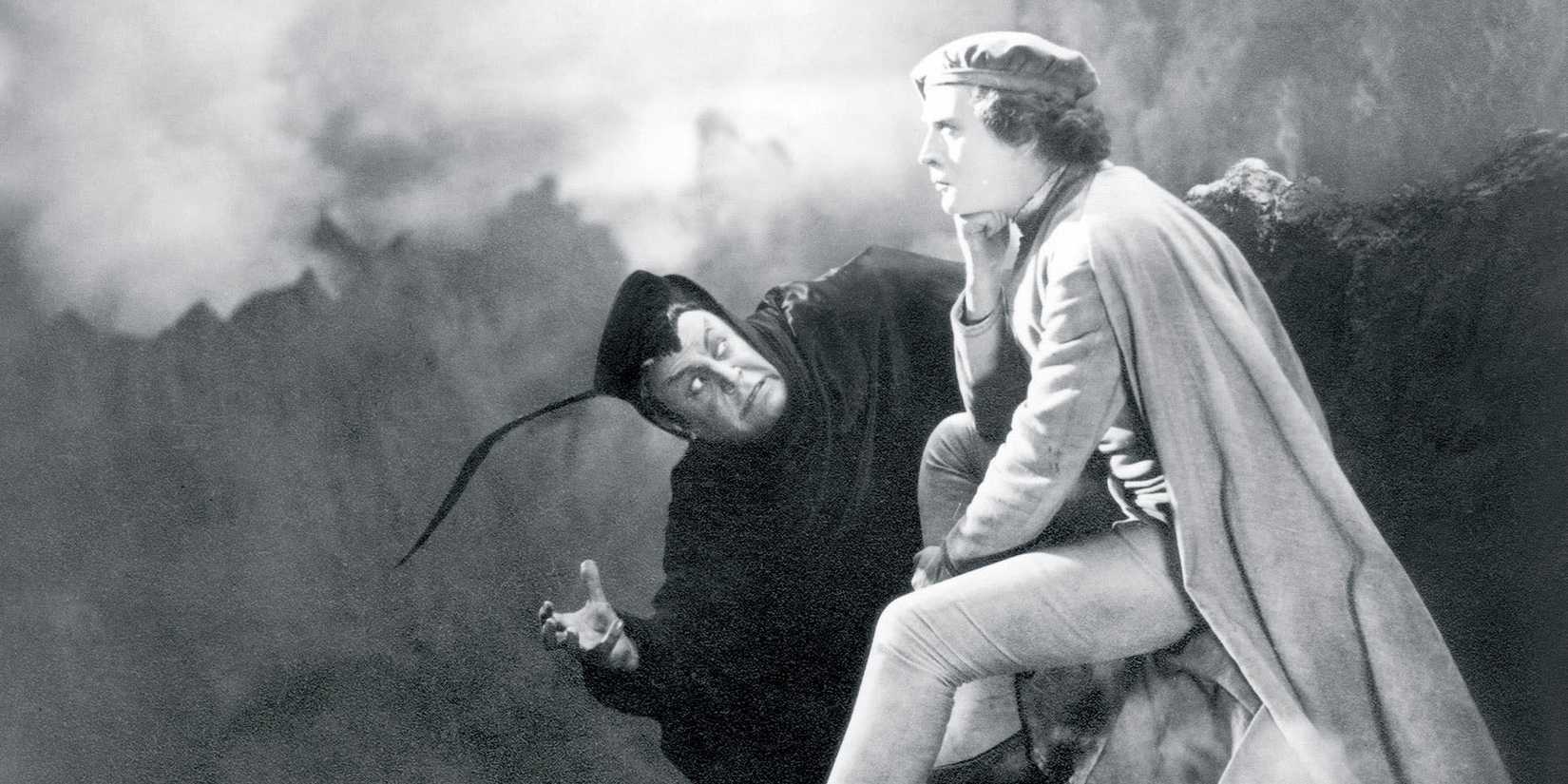
Released in 1926, Faust arrived four years after Nosferatu, showcasing how rapidly Murnau had evolved as a filmmaker. Drawing from the classic German legend, the film follows an aging scholar who makes a pact with a demonic force in exchange for youth, power, and earthly pleasures – only to face devastating consequences.
Unlike the relatively contained horror of Nosferatu, Faust operates on a much larger, almost mythic scale. It blends supernatural horror with romance and a globe-trotting tragedy, weaving a story that feels both intimate and epic. Faust also reflects the late silent-era ambition of German cinema, with elaborate sets and increasingly sophisticated filmmaking techniques.
In many ways, Faust can be seen as a culmination of Murnau’s early career, arriving just before he transitioned to Hollywood. While it never quite achieved the same enduring mainstream recognition as Nosferatu, its scope and craftsmanship make it one of the defining achievements of silent film.
Why Faust Is Such A Masterpiece
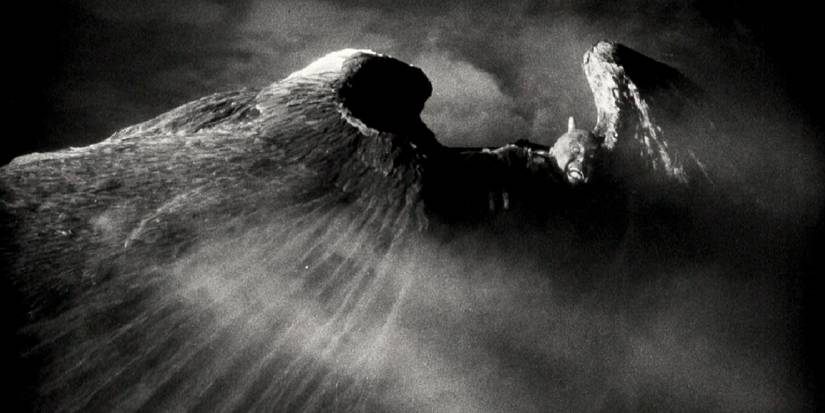
What truly sets Faust apart is its astonishing use of practical effects – many of which still hold up remarkably well a century later. From towering demonic figures looming over entire cities to surreal transformations and ghostly apparitions, the film creates a sense of scale that feels almost impossible for its time.

Related
The Oldest Surviving Animated Movie Turns 100 This Year
The oldest surviving animated movie turns 100 this year, highlighting a groundbreaking movie that helped define the future of animation.
Murnau relied on innovative techniques like double exposure, miniatures, and elaborate lighting setups to bring the story to life. The result is a film that feels both handcrafted and otherworldly, with imagery that remains striking even in the age of CGI. There’s a tactile quality to its visuals that modern effects sometimes struggle to replicate.
At the same time, Faust carries a tone that modern audiences may find unexpectedly playful. Its heightened performances and dramatic flourishes give parts of the film a slightly camp edge, which only adds to its charm. Yet beneath that lies genuine darkness, with moments that are still deeply unsettling.
It’s this balance between spectacle, horror, and theatricality that makes Faust such a unique experience. Even 100 years on, it feels like a filmmaker pushing the limits of what cinema could achieve.

Release Date December 5, 1926
Runtime 106 Minutes
Director F.W. Murnau
Writers Hans Kyser
Producers Erich Pommer
-

-
-
Camilla Horn
Gretchen Marguerite
-
Frida Richard
Gretchens's Mother







 English (US) ·