

Published Feb 18, 2026, 3:16 PM EST
Betty Robertson is a Contributor at ScreenRant. She's new to Entertainment Journalism, starting her career with it in 2026. Prior to joining Valnet, she was a full time Writer and Narrative Designers for Games like Assassin's Creed, Alien: Rogue Incursion, Lovelink, and Poppy Playtime.
Jennifer loves TV, especially science fiction. She also loves late-night talk shows, due to her insomnia. Alien: Earth is definitely one of her favorite shows, and she jumps on any chance she gets to write about it. Even on her days off, she will claim an Alien Earth article if one is available.
She is an award-winning screenwriter, a member of BAFTA, and a contributor to UBC's Game Writing Program.
When she's not writing she's playing sports (soccer, softball, basketball, and pickleball), watching travel shows, or walking her dog, Banana.
After AI-generated videos of popular  Netflix IPs appeared on TikTok, created by the platform Seedance 2.0, the streaming powerhouse has taken immediate action.
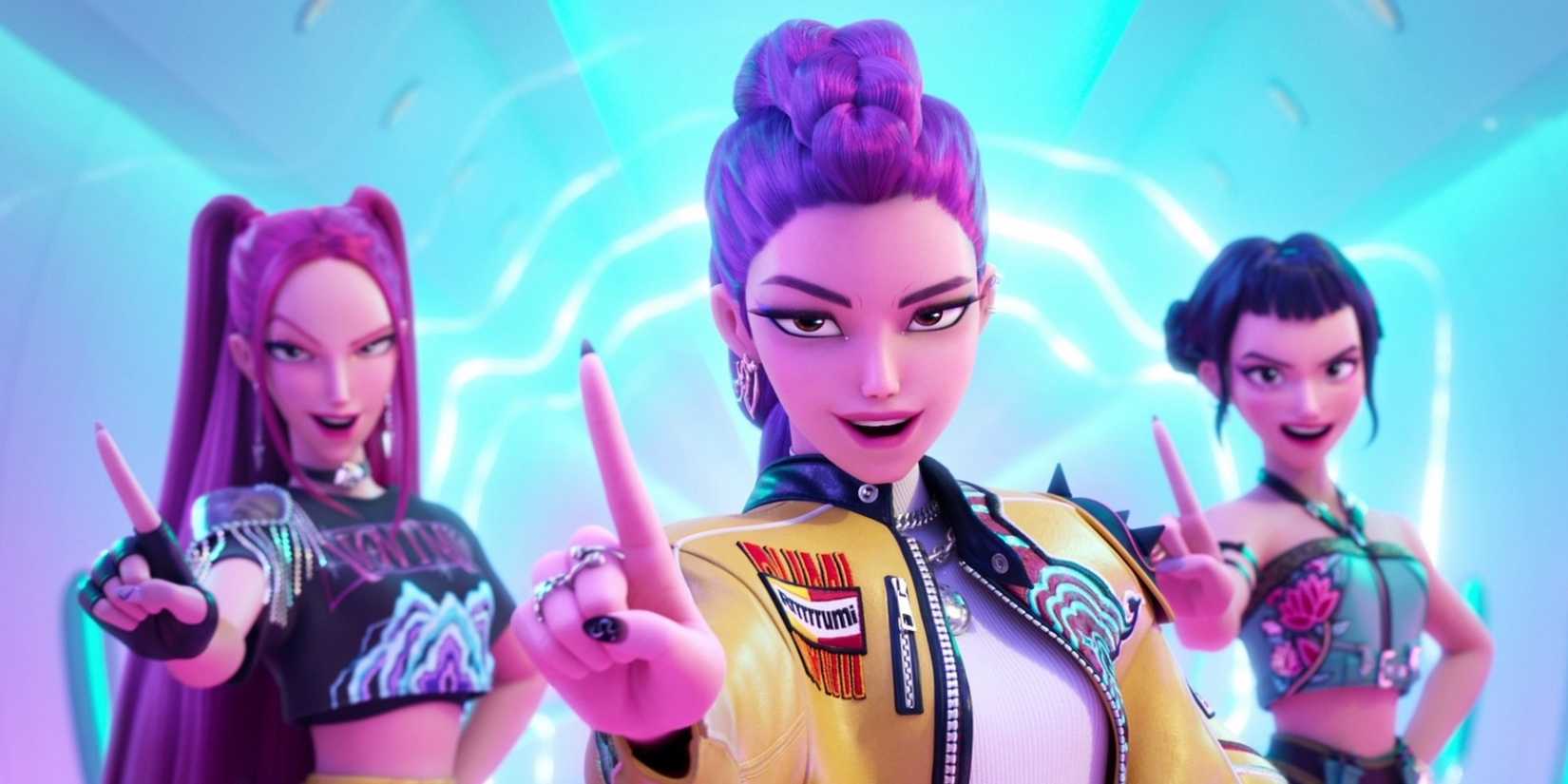
On Tuesday, February 17, Netflix joined Warner Bros., Disney, and Paramount in sending cease and desist letters to AI company Bytedance, creator of Seedance. Alongside the streamers, the MPA and SAG-AFTRA have slammed the app for "blatant copyright infringement." Netflix litigation chief Mindy LeMoine named specific hit IPs: Stranger Things, KPop Demon Hunters, Bridgerton, and Squid Game.
In the letter (see full document here), LeMoine stated:
Netflix has never authorized ByteDance to use our content to generate these images or videos. ByteDance's activities are willful, and constitute direct and secondary copyright infringement. The use of copyrighted works to create a competing commercial product, especially one that regurgitates the original, is not protected by fair use.
This rise in legal action taken by major film and television studios is part of a growing battle against AI-generated material and the platforms that create it. While independent artists have been critiquing this technology for plagiarism for longer, bigger studios have been slower to react, instead implementing more AI into their own business models.
 © Netflix / Courtesy Everett Collection
This is one of the factors that led to the WGA and SAG-AFTRA strikes in 2023 and 2024. At the time, studios were pushing for more AI integration in their workflow, looking to maximize efficiency, therefore removing human talent, wherever possible. Disney and Universal's pushback against apps like Midjourney back in June 2025 marked the first time Hollywood studios were making moves against such content.
Now, Netflix has made the following demands: "To avoid immediate litigation..."
1. Cease Generative Output: Immediately implement technological guardrails to prevent Seedance from generating any content that resembles Netflix's protected characters, titles, or settings.
2. Remove Infringing Content: Remove all unlawfully obtained Netflix-owned content from training datasets, and also scrub all existing Seedance-generated videos featuring Netflix IP from all ByteDance-controlled platforms.
3. Identify All Infringements: Provide an accounting of all instances where Seedance has generated content based on prompts related to Netflix's IP.
4. Revoke Third-Party Access: Revoke access for any commercial partners or API users currently utilizing Seedance to generate unauthorized Netflix derivative works.
In a previous statement shared with Deadline, following action taken by Disney and Paramount, ByteDance said: "We are taking steps to strengthen current safeguards as we work to prevent the unauthorized use of intellectual property and likeness by users." While ByteDance has yet to formulate its reply to Netflix's cease and desist, they will likely be speeding things up due to the three-day deadline Netflix has given them.
What Does This Mean For AI-Generated Content Moving Forward?
However, another major shift in the landscape of AI content happened recently when Disney signed a massive deal with OpenAI, legally allowing its IP to be used by the company's generative tools. Ultimately, only time will tell how much users will generally be able to include copyrighted material in their AI-generated content.
While works that fall under the public domain should still be fair game, apps could begin deploying a similar copyright strike system to platforms like YouTube. The situation between Netflix and ByteDance should develop further this week.
founded January 16, 2007
founders Reed Hastings and Marc Randolph

 English (US) ·