
 Image courtesy of Everett Collection

Published Feb 1, 2026, 10:00 AM EST
Cathal Gunning has been writing about movies, television, culture, and politics online and in print since 2017. He worked as a Senior Editor in Adbusters Media Foundation from 2018-2019 and wrote for WhatCulture in early 2020. He has been a Senior Features Writer for ScreenRant since 2020.
Although Netflix’s Black Mirror has only released seven seasons so far, the sci-fi anthology series could easily last forever thanks to its unique setup. While Netflix’s Love, Death, and Robots is the streaming service’s most underrated sci-fi anthology show, there is a reason that their older, more famous sci-fi anthology is even more critically acclaimed.
Although Black Mirror is one of the darkest sci-fi shows ever, creator Charlie Brooker’s sci-fi satire is also one of the smartest. Each episode of Black Mirror introduces a new cast of characters, although a few overlapping details make it clear that many of the show’s outings take place in the same shared reality.
Black Mirror Could Easily Last Forever

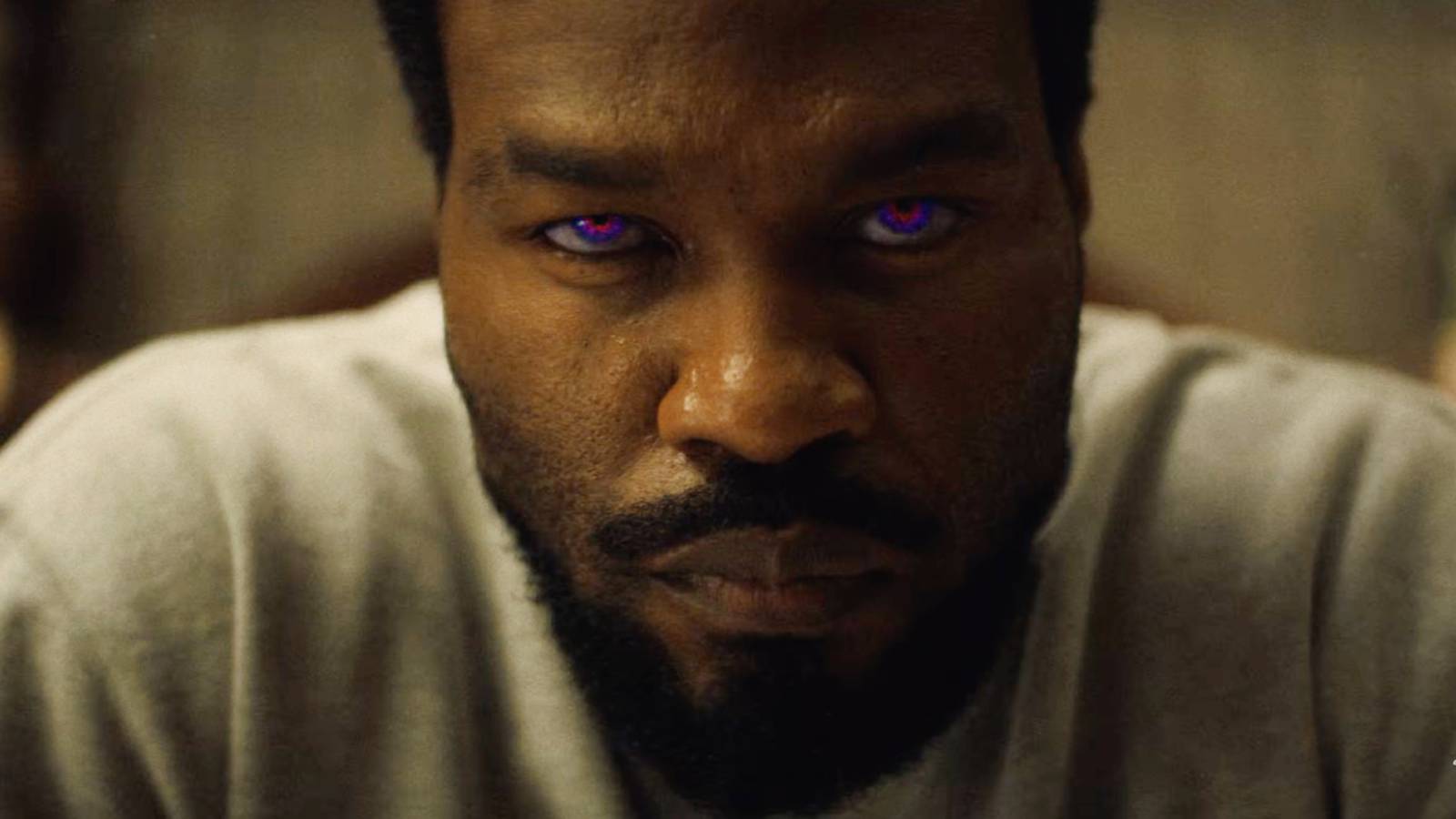
Although Black Mirror’s “Demon 79” did toy with a more supernatural style of horror, almost all the show’s outings to date have been straightforward sci-fi stories. This works in the show’s favor, as it means that Black Mirror could last forever by constantly introducing new stories, settings, and characters.
As long as there are new fictional technologies to explore, Black Mirror will be able to find inventive, often chilling ways to imagine their impact on humanity. In the show’s first three seasons, Black Mirror’s original British incarnation envisioned an implant that could erase the user’s memories of a person, as well as nightmarish high-tech torture for prisoners.
Black Mirror Has Struggled To Remain Relevant

Since then, Netflix’s version of the show explored the concept of uploading one’s consciousness to the cloud in one of Black Mirror’s best episodes to date, while other outings focused on darker applications of groundbreaking technology. Of course, it is not easy for a series as influential as Brooker’s show to still feel relevant a decade and a half into its life.
Black Mirror became a huge hit for Netflix at the start of the streaming age, meaning there wasn't that much competition for its status as the freshest, most interesting sci-fi anthology show around. It's difficult for a show to remain consistently great for over 15 years, and this is even harder when competitors like 2019’s Twilight Zone reboot arrive.
What Future Seasons Of Black Mirror Need To Get Right

Philip K Dick’s Electric Dreams, 2020’s Amazing Stories, and Love, Death, and Robots all utilized a similar anthology setup to Black Mirror, while Altered Carbon offered viewers a similarly grim, dystopian sci-fi story. Thus, it is more important than ever for Black Mirror season 8 to lean into what makes the show special.
As proven by all of its best episodes, the imagined technologies of Black Mirror have never really been the backbone of the show’s appeal. The show’s best stories focus on how these technologies bring people closer together or further apart, depending on their use, and this human aspect is what Black Mirror needs to center on going forward.
Release Date December 4, 2011
Network Channel 4, Netflix
Showrunner Charlie Brooker
Writers Jesse Armstrong




 English (US) ·