

Published Apr 23, 2026, 12:02 PM EDT
Tom is a Senior Staff Writer at Screen Rant, with expertise covering everything from hilarious sitcoms to jaw-dropping sci-fi epics.
Initially he was an Updates writer, though before long he found his way to the TV and movies team. He now spends his days keeping Screen Rant readers informed about the TV shows of yesteryear, whether it's recommending hidden gems that may have been missed by genre fans or deep diving into ways your favorite shows have (or haven't) stood the test of time.
Tom is based in the UK and when he's not writing about TV shows, he's watching them. He's also an avid horror fiction writer, gamer, and has a Dungeons and Dragons habit that he tries (and fails) to keep in check.
Stranger Things and The Chronicles of Narnia may feel almost like polar opposites in tone, but they share the same storytelling DNA. Both follow groups of children forced into extraordinary circumstances, where danger looms large and adult guidance is either absent or ineffective. The young heroes in each story must rely solely on their own intelligence and courage. It’s a powerful narrative tradition, and one of Netflix’s best original shows taps into it brilliantly.
Running across three seasons from 2017-2019, A Series of Unfortunate Events takes that familiar foundation and twists it into something far darker and funnier. Adapted from Lemony Snicket’s beloved books, the show follows the tragic lives of the Baudelaire orphans as they outwit villains (including Neil Patrick Harris’s Count Olaf) and navigate a world stacked against them. It blends gothic whimsy with biting dark humor, delivering a tone that’s uniquely its own.
Critically, the show speaks for itself. With a 96% score on Rotten Tomatoes, A Series of Unfortunate Events is widely recognized as one of Netflix’s strongest original shows, and definitely one of its best literary adaptations. However, what makes it essential viewing is how it mirrors and subverts the themes found in both Stranger Things and The Chronicles of Narnia to make something as distinct as it is brilliant.
A Series Of Unfortunate Events Places Talented Kids Against Adult Incompetence
Brilliant Children Forced To Outsmart A World Run By Foolish Adults
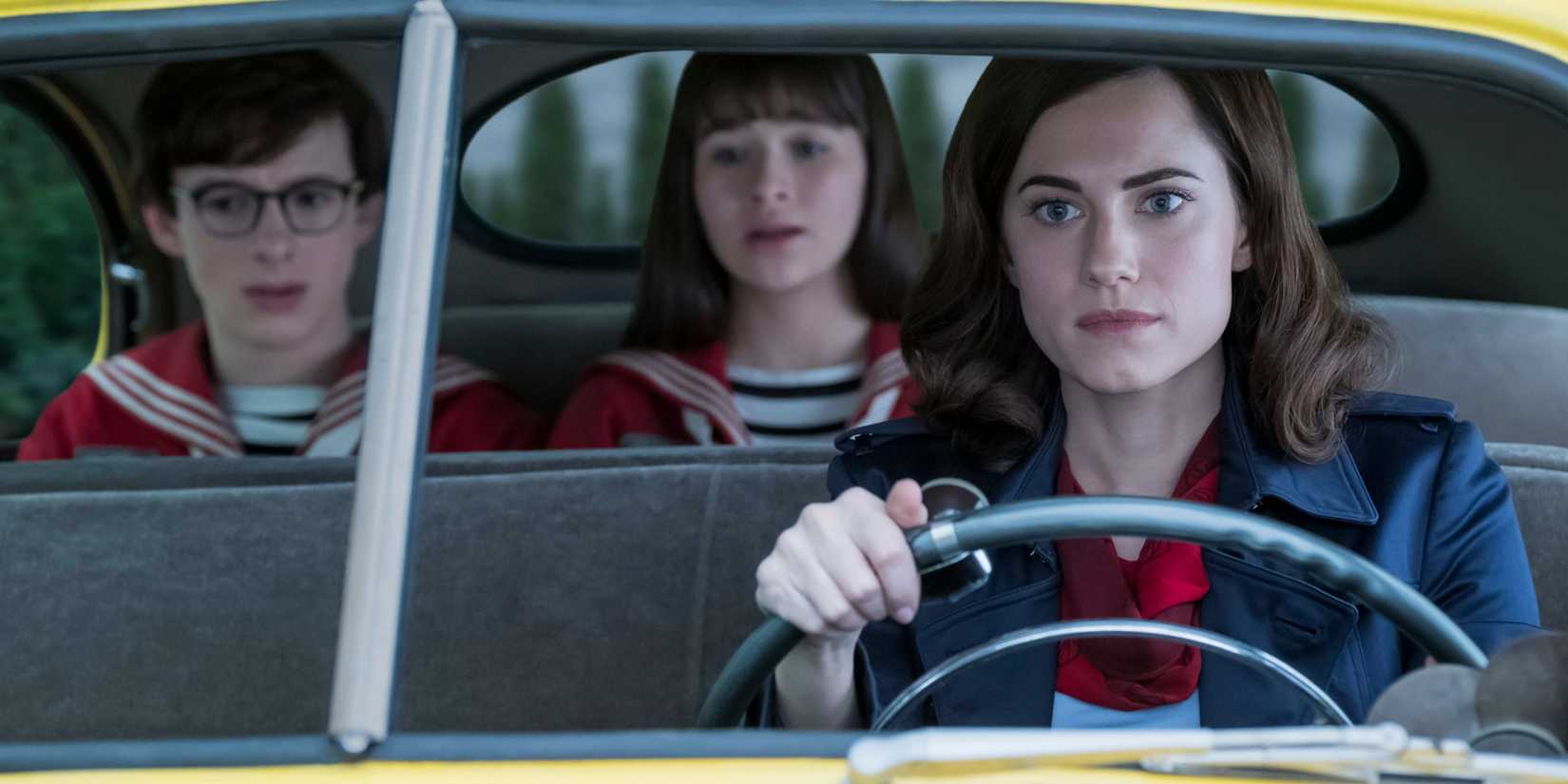
At its core, A Series of Unfortunate Events is about children left to fend for themselves and navigate a broken world. Orphaned siblings Violet (Malina Weissman), Klaus (Louis Hynes), and Sunny Baudelaire (Presley Smith) are consistently either underestimated or actively hunted by the adults around them. Their survival depends entirely on their ingenuity, as the grown-ups who should be their protectors repeatedly fail them.
This dynamic closely mirrors The Chronicles of Narnia. In The Lion, The Witch, and the Wardrobe, the four Pevensie siblings enter a magical world plagued by tyranny. The rise of the White Witch (Tilda Swinton) isn’t just due to her own magical power; it's the end result of a broader societal failure. Authority figures either enabled her rule or proved incapable of stopping it.
Similarly, Count Olaf is able to get to the Baudelaire orphans time and time again in A Series of Unfortunate Events because of institutional incompetence. Whether it’s misguided guardians or oblivious authorities, the adults cling to rigid rules instead of recognizing obvious danger. Olaf exploits these flaws repeatedly, placing the Baudelaire kids in constant peril.
In both stories, it’s remarkable how little help the children receive, and how they’re able to thwart peril regardless. Even Aslan (Liam Neeson) in The Lion, The Witch, and the Wardrobe acts more as a guide than a savior. He inspires action but doesn’t solve problems for the Pevensie siblings. In the same way, the Baudelaire's must rely entirely on their own strengths; Violet’s inventions, Klaus’s intellect, and Sunny’s penchant for biting. Ultimately, both stories reinforce the same idea: when systems that should keep them safe fail, it’s the resourcefulness of the young that keeps them alive.
Just Like Stranger Things, ASOUE Takes Place In A World Turned Upside Down
Ordinary Lives Collapse Into Chaos
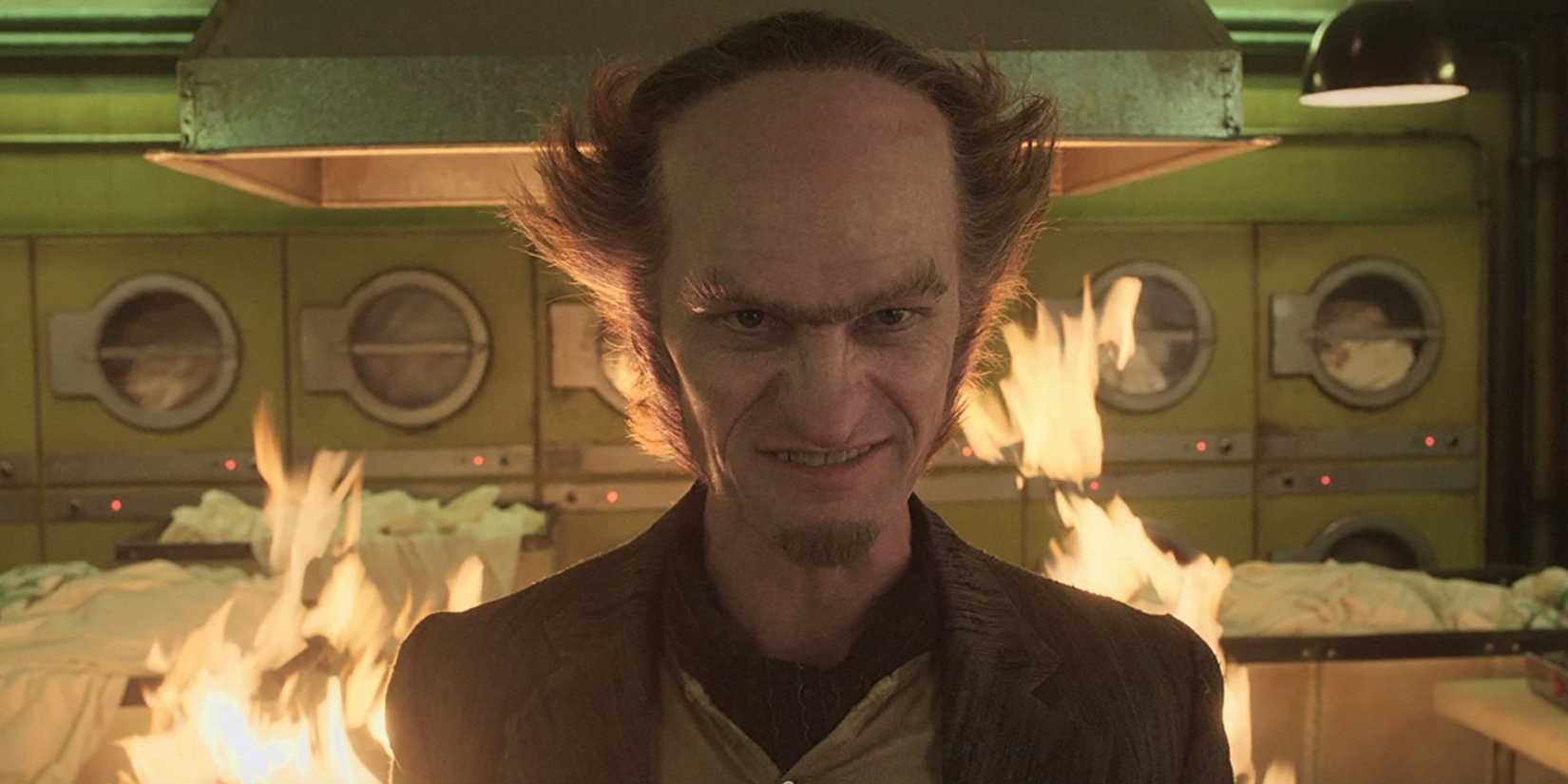
The emotional backbone of both A Series of Unfortunate Events and Stranger Things is the disruption of a previously peaceful existence. Each begins in a relatively stable world before pulling its young protagonists into chaos. For the Baudelaires, everything changes the moment their parents die in a mysterious fire. Stability vanishes instantly, replaced by uncertainty and danger.
In Stranger Things, a similar rupture occurs when Will Byers (Noah Schnapp) disappears. His friends Mike (Finn Wolfhard), Dustin (Gaten Matarazzo), and Lucas (Caleb McLaughlin) are thrust into a terrifying new reality defined by the Upside Down. What was once a normal childhood becomes a constant battle against forces they barely understand.
Both shows extract compelling stories from this initial loss of normalcy. The Baudelaire's are never safe in A Series of Unfortunate Events, constantly moving from one guardian to another, with Olaf always close behind. Likewise, the kids in Stranger Things are repeatedly drawn back into danger, whether it’s government conspiracies or supernatural threats.
One may be quirky fantasy and the other sci-fi horror, but A Series of Unfortunate Events and Stranger Things both rarely allow their characters to feel secure. That persistent tension is key. There’s no guaranteed safety net, no reliable adult intervention. Every victory for the Baudelaire orphans or the kids in Hawkins feels earned because failure (and even death) is always a real possibility. It’s this relentless pressure that makes both series so gripping, and why their young heroes stand out as some of the most resilient in any modern TV show.

Release Date 2017 - 2019-00-00
-

-

Patrick Warburton
Lemony Snicket
![30 Years Later, ‘Sleepers’ Proves Why Mid-Budget Thrillers Still Matter Today [Exclusive]](https://static0.colliderimages.com/wordpress/wp-content/uploads/2026/04/collider-rewind-sleepers-hollywood.jpg?w=1600&h=900&fit=crop)


 English (US) ·