Nathan Fillion's 6-Part Action Series Was The First TV Show To Do Something We Take For Granted Today
2 weeks ago
35
Published May 23, 2026, 11:00 PM EDT
Arielle Port started as a TV producer, developing content for Netflix (Firefly Lane, Brazen) and Hallmark (The Santa Stakeout, A Christmas Treasure) before transitioning into entertainment journalism. Her love of story went from interest to lifelong passion while at The University of Pennsylvania, where she fell in with a student-run web series, Classless TV, and it was a gateway drug. Arielle Port has been a Writer for Screen Rant since August 2024. She lives in Los Angeles with her boyfriend and more importantly, her cat, Boseman.
Today, social media and TV feel inextricably linked, but Nathan Fillion’s nearly forgotten action-drama series was the very first show to live-tweet during an episode. The social media platform formerly known as Twitter was relatively new in 2007, having launched just the year before. Fillion's series was a case study in how social media could be used concurrently to promote and create buzz for television shows.
Fox's Drive was an interesting test case for live-tweeting, built around an illegal cross-country road race in which desperate contestants competed for a massive cash prize. Its tone was fast, quirky, self-aware, and deliberately chaotic, best described as "Cannonball Run meets Fincher's The Game." It was the kind of show that naturally invited real-time audience reactions as viewers tried to keep up with twists, alliances, and bizarre reveals.
Nathan Fillion was coming off the cult success of Firefly and Serenity, giving the show a built-in internet-savvy fanbase. In 2007, that combination of serialized storytelling, eccentric tone, and a passionate genre audience made Drive a smart experiment for early live-tweeting, even if Twitter itself was still so new that most viewers barely knew what the platform was.
What Happened To Nathan Fillion's Drive?
The series was greenlit during a period when Fox was aggressively chasing ambitious serialized dramas following the success of the best shows of the 2000s, like Lost and Prison Break. The premise was easy to market: an illegal cross-country road race filled with eccentric contestants, hidden conspiracies, and constant cliffhangers.
The project also came from respected producer Tim Minear, whose work on Firefly and Angel had already earned him a loyal cult following. Fox was confident enough in the series to hand it a sizable mid-season order before it even premiered.
Unfortunately, the network scheduled Drive against powerhouse reality competition shows like Deal or No Deal and Dancing with the Stars, both of which dominated ratings at the time. Despite its innovative marketing and strong creative pedigree, Drive was canceled almost immediately after premiering.
When Nathan Fillion steps onscreen, it's impossible to ignore the charming actor. No matter who he's portraying, Fillion wins the viewer's heart.
It was a brutal environment for a quirky, serialized action mystery that demanded weekly viewer investment and appealed more to younger genre fans than casual audiences. Ironically, the same qualities that hurt Drive in traditional Nielsen ratings made it perfect for early social media engagement.
The series encouraged speculation, theories, and live reactions in a way that feels common today but was unusual in 2007. Still, television executives were focused almost entirely on overnight ratings rather than online buzz or fandom engagement. Fox canceled Drive after only four episodes aired, with the remaining two episodes later released through Fox on Demand.
Twitter Has Forever Changed How We Watch TV
Image via Everett Collection
Social media fundamentally changed television from a mostly passive experience into an ongoing public conversation. Platforms like Twitter turned watching TV into something communal, where fans could instantly react to shocking twists, share memes, build theories, and collectively experience major episodes in real time.
For many viewers, part of the appeal of watching a show is participating in the discussion afterward or even during the broadcast itself. That sense of community created some of the biggest TV shows that changed online fandom culture and made television feel more interactive than ever before.
At the same time, that constant conversation has also created new pressures for writers and producers, especially on mystery-driven shows. Fans are now able to collectively analyze every frame within minutes of release, making it much harder for shows to save surprises or control speculation. Westworld was frequently criticized for becoming overly complicated in an attempt to stay ahead of online fan theories. Similarly, Game of Thrones often suffered from relentless discourse that sometimes overwhelmed the actual episodes.
Streaming has complicated things even further. Weekly television once gave audiences time to process episodes, theorize, and sustain conversations over months. Binge releases compress that cycle dramatically, often turning online discourse into a brief frenzy that disappears within days.
At the same time, social media has made creators themselves more accessible. James Gunn, now overseeing the DC Studios universe, regularly answers fan questions online in a way that would have been unthinkable for studio executives a generation ago.
Social media has increasingly blurred the line between television as art and television as “content,” where discussion, reactions, and engagement sometimes become just as important as the shows themselves. Even if it was canceled too early to benefit from that future, Nathan Fillion's Drive now feels oddly prophetic.
Release Date
2007 - 2007-00-00
Network
FOX
Directors
Elodie Keene, Marita Grabiak, Michael Katleman
Writers
Ben Queen, Craig Silverstein, Salvatore Stabile, Tom Szentgyorgyi, Lauren Schmidt Hissrich, Eoghan Mahony, Kristen Reidel



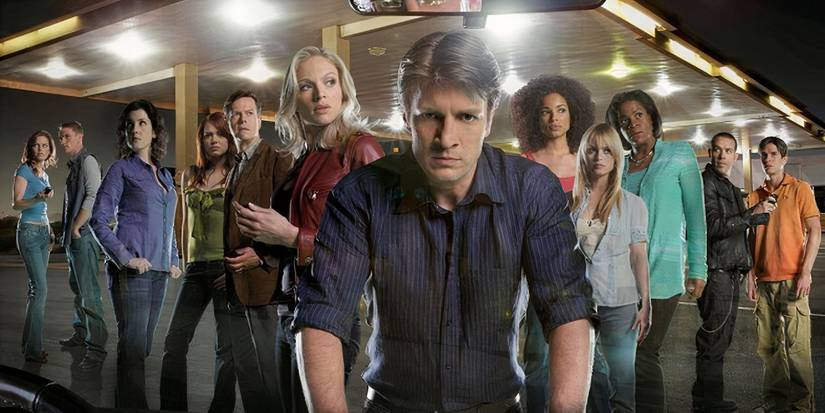

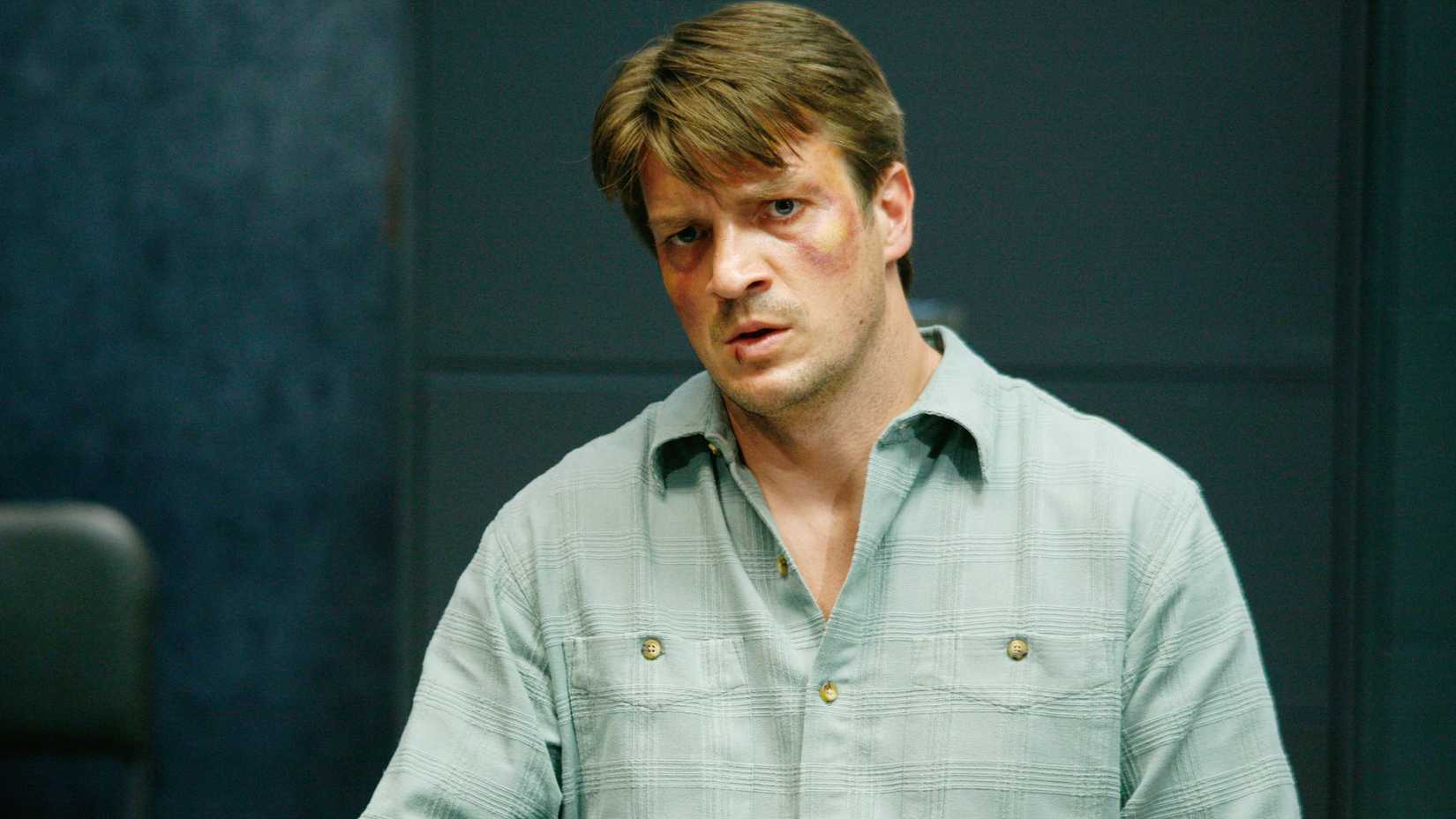 Image via Everett Collection




 English (US) ·