
 3 hours ago
8
3 hours ago
8
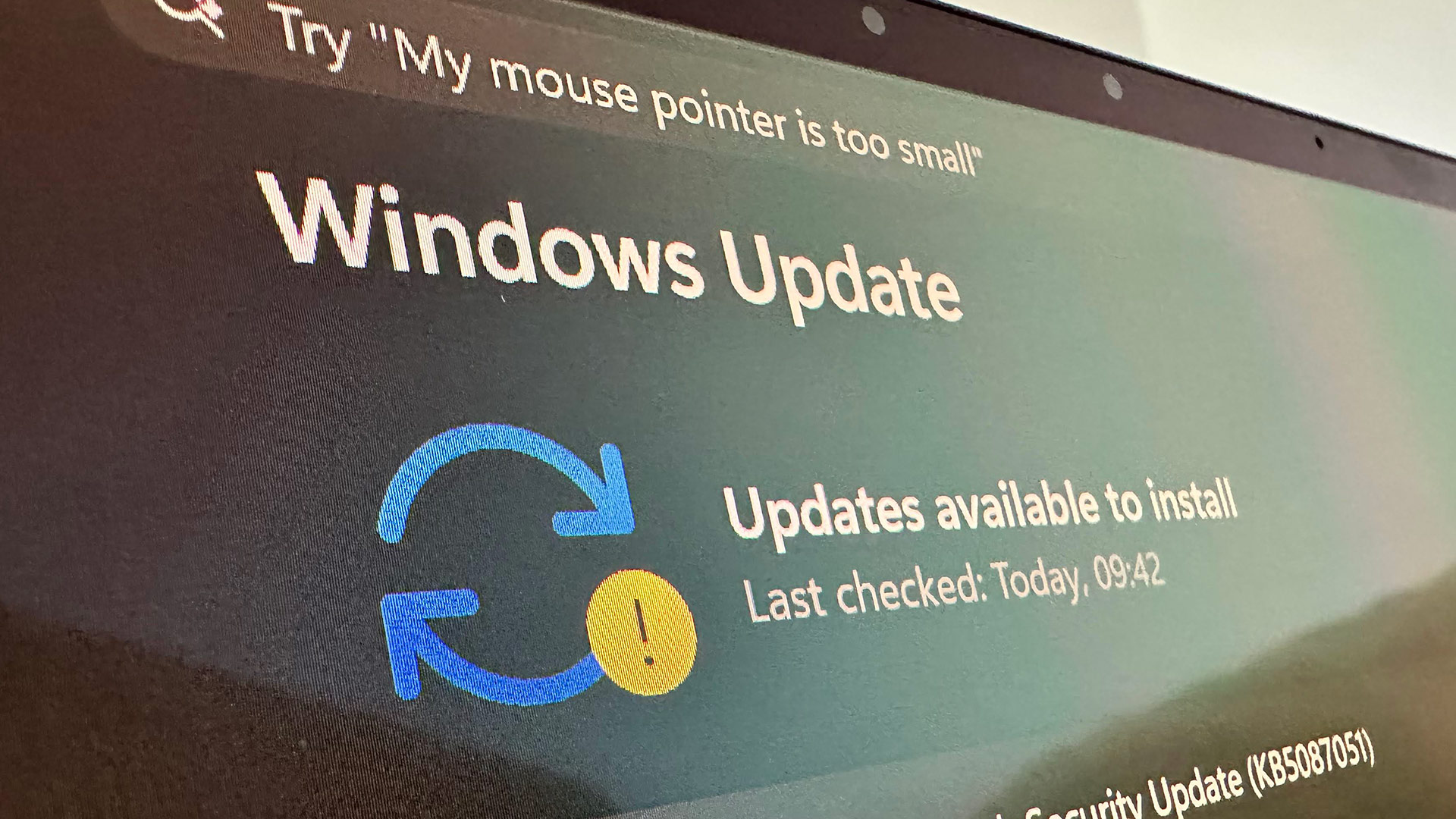
Microsoft has extended its free consumer Windows 10 Extended Security Updates (ESU) program by a year, pushing the cutoff for critical security patches to October 14th, 2027. The change came without any actual announcement, appearing instead in an edit to Microsoft's Windows 10 ESU support page. Devices already enrolled roll over to the new date automatically, with no action required from users. The program was originally set to expire on October 12th, 2026, one year after Windows 10 reached end of support on October 14th, 2025. With the extension, however, users who can’t or won’t move to Windows 11 now have a second free year of patches.
Speaking to BleepingComputer, Microsoft said that the change reflects “our ongoing commitment to helping customers stay secure during the transition,” adding that the extra year gives users “more time and flexibility to find the best PC for their needs while keeping them protected.”
In terms of enrollment, nothing has changed: users can enroll for free by syncing their PC settings to a Microsoft account through Windows Backup, by redeeming 1,000 Microsoft Rewards points, or with a one-time payment of $30. Users in Europe can enroll at no cost simply by signing in with a Microsoft account, a concession Microsoft made after pushback from consumer advocacy groups over its original requirements. A single ESU license covers up to 10 devices tied to the same account.
Microsoft's consumer program is limited to personal devices, however. Systems joined to an Active Directory domain or to Microsoft Entra, or managed through Mobile Device Management, are corporate-controlled and therefore not eligible. Personally owned machines that are only Entra-registered — e.g., a work account added to a personal device, rather than the device itself being organization-owned — still qualify.
Windows 11 has surged to roughly 73% of desktop share against Windows 10’s 26%, so it’s clear that the broader migration is working. Those users still on Windows 10 are increasingly the difficult edge cases, with around 400 million active PCs unable to officially upgrade to Windows 11 because their hardware fails its TPM 2.0, Secure Boot, or supported-processor requirements.
Users of those machines face a choice of remaining on unsupported Windows 10 or upgrading their hardware outright. But thanks to the AI-driven memory shortage, doing so has never been more expensive: DRAM contract prices have roughly doubled since early last year (and are expected to double again) as Samsung, SK Hynix, and Micron divert wafer capacity toward high-bandwidth memory for AI accelerators.
IDC expects PCs, tablets, and smartphone prices to rise 10% to 20% through the end of 2026, with memory now accounting for a far larger share of a system's bill of materials than it did two years ago.
For users unwilling to buy new hardware at current prices, some third-party options remain. The security firm 0patch has pledged to provide unofficial Windows 10 micropatches through 2030, and Linux migration efforts such as the End of 10 initiative continue to court holdouts whose machines can’t run Windows 11.

Follow Tom's Hardware on Google News, or add us as a preferred source, to get our latest news, analysis, & reviews in your feeds.






 English (US) ·