
 Custom Image by Hannah Diffey

Published Feb 16, 2026, 1:00 PM EST
Hannah is a senior writer and self-publisher for the anime section at ScreenRant. There, she focuses on writing news, features, and list-style articles about all things anime and manga. She works as a freelance writer in the entertainment industry, focusing on video games, anime, and literature.
Her published works can be found on ScreenRant, FinanceBuzz, She Reads, and She Writes.
Hollywood has never been shy about revisiting classic books. From sweeping period romances to gritty war dramas, studios regularly mine the literary canon for stories that feel both prestigious and commercially viable. Yet one early 20th-century American novel remains surprisingly untouched by major filmmakers, despite having all the elements of a compelling modern hit.
F. Scott Fitzgerald’s This Side of Paradise is often overshadowed by The Great Gatsby, but it may be even more cinematic. With its coming-of-age arc, romantic entanglements, wartime trauma, and sharp social commentary, the novel offers a deeply human story about youth, ambition, and disillusionment. In an era defined by uncertainty and generational anxiety, its themes feel startlingly current.
A Coming-of-Age Story Built for the Big Screen
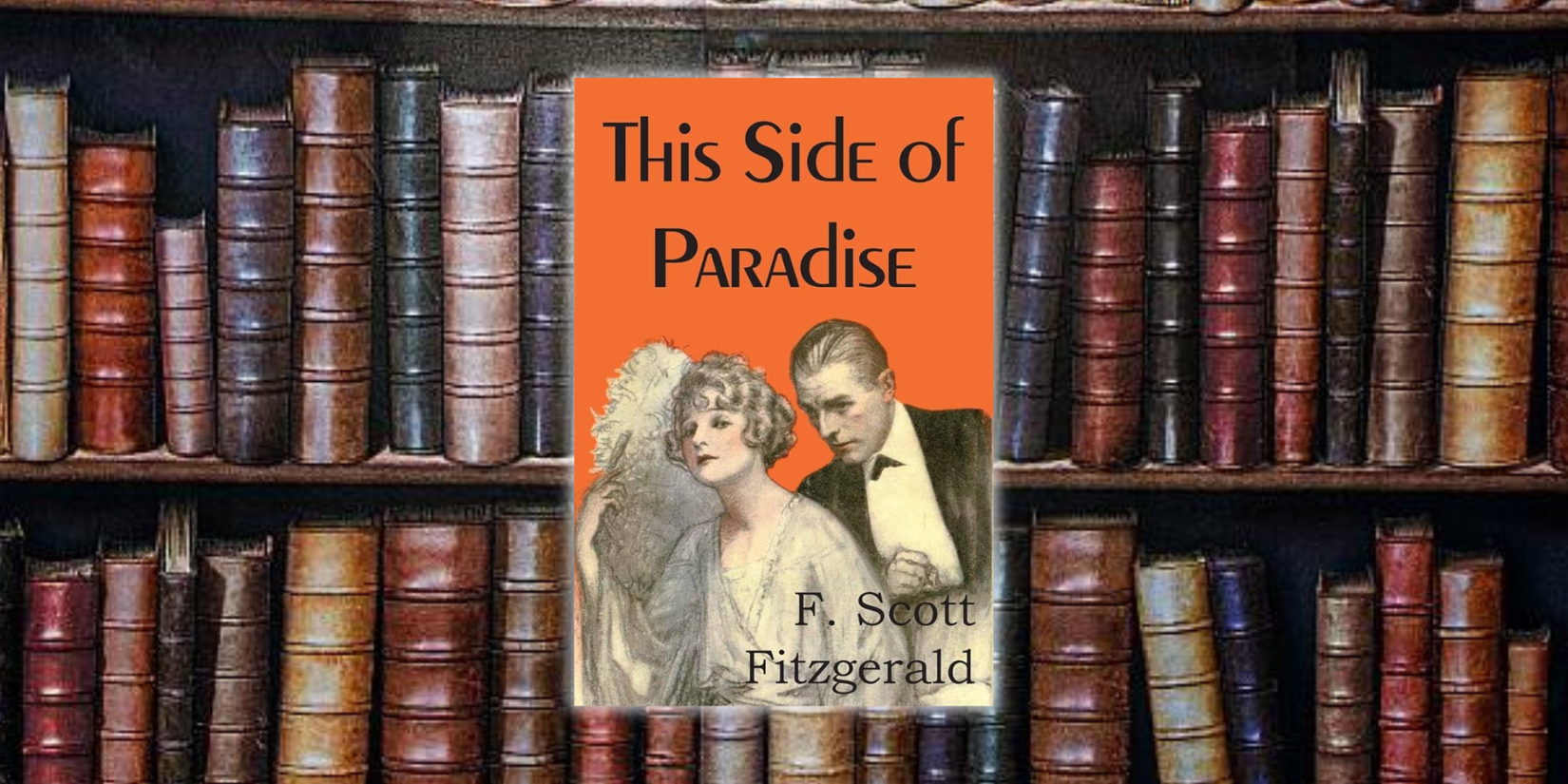 Custom Image by Hannah Diffey
At its core, This Side of Paradise follows Amory Blaine, a privileged and charismatic young man navigating elite schools, romantic dreams, and the shifting moral landscape of early 20th-century America. His journey from confident idealist to sobered realist unfolds with emotional intensity that would translate beautifully to film.
Amory’s early life brims with youthful bravado and intellectual ambition. He sees himself as exceptional, destined for greatness. Hollywood thrives on protagonists with oversized self-belief, and Amory’s charm and ego would provide a magnetic center for a character-driven drama. His transformation over time offers actors a layered role worthy of awards attention.
The novel’s structure, which traces Amory from adolescence through young adulthood, mirrors the arc of many successful prestige films. Audiences are drawn to stories that chart personal evolution against a backdrop of historical change. The combination of campus life, romance, and war creates natural cinematic chapters, each distinct yet interconnected.
Visually, the settings alone would be stunning: ivy-covered universities, glittering parties of the Jazz Age’s dawn, and the stark contrast of wartime Europe. The aesthetic possibilities are rich. A thoughtful adaptation of this classic book could blend elegance with emotional rawness, appealing to viewers who appreciate both spectacle and substance.
This Side of Paradise is about War, Disillusionment, and a Generation in Crisis
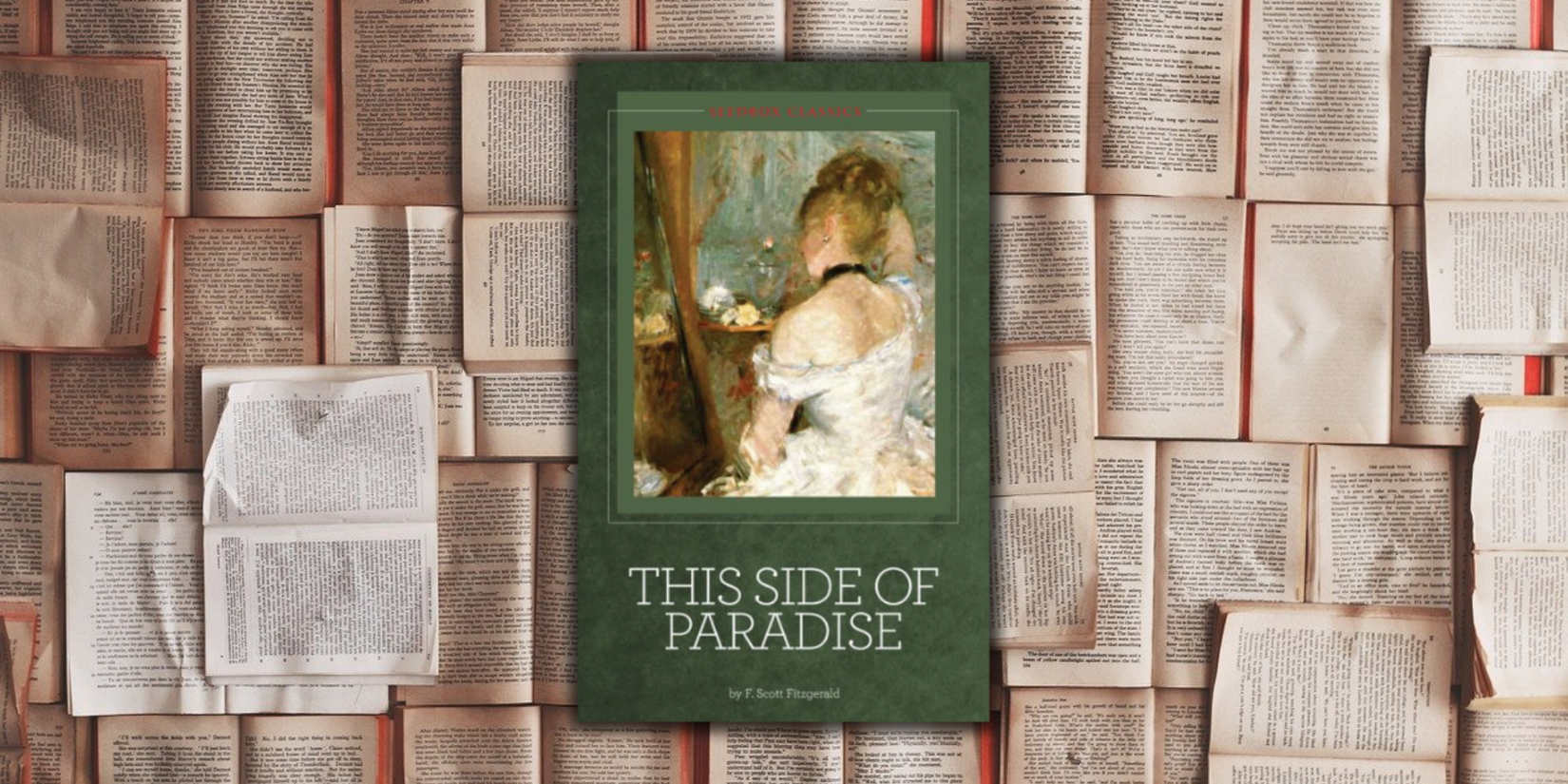 Custom Image by Hannah Diffey
Like many writers of his era, Fitzgerald grappled with the psychological impact of World War I. In This Side of Paradise, the war marks a turning point in Amory’s worldview. His youthful certainty erodes, replaced by confusion and doubt. This emotional shift is precisely the kind of dramatic pivot that fuels powerful cinema.
The novel does not treat war as mere background spectacle. Instead, it explores its emotional consequences. Amory’s postwar life feels unmoored, as if the conflict has shaken his faith in traditional values and stable futures. Modern audiences, living through economic upheaval and global instability, may find that sense of uncertainty deeply relatable.
Today’s younger generations often speak of disillusionment about careers, relationships, and social systems that feel fragile. Fitzgerald’s portrait of a young man confronting the collapse of his expectations could resonate strongly. A film adaptation would not need to modernize the setting; the parallels would speak for themselves.
War films frequently focus on battlefield heroics. This Side of Paradise instead examines what happens after the fighting stops. That introspective approach could differentiate it in a crowded marketplace, offering a character study rather than an action-driven epic. In doing so, it would stand apart while still tapping into timeless themes.
This Side of Paradise's Exploration of Romance, Ambition, and the Price of Idealism
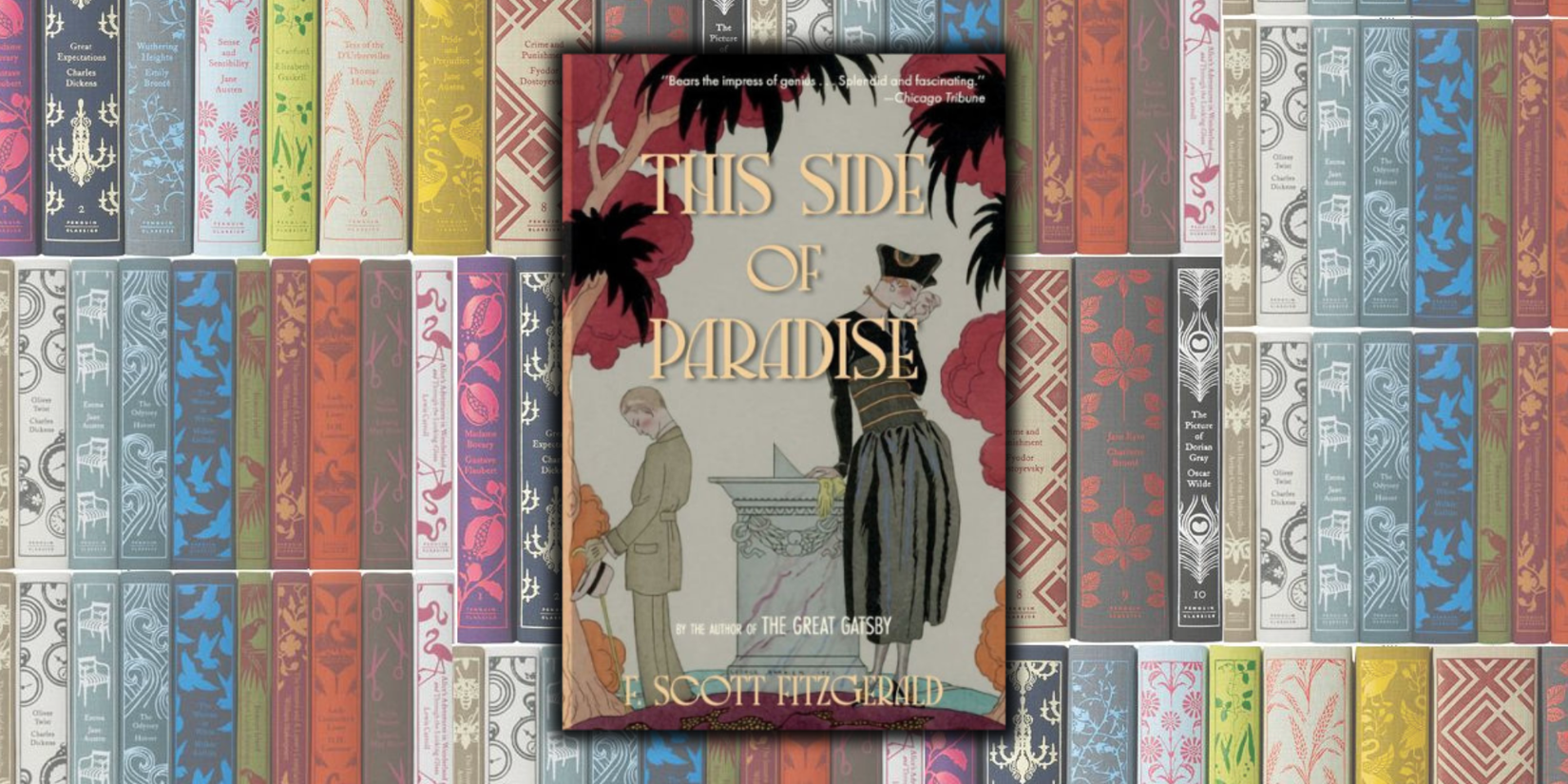 Custom Image by Hannah Diffey
Amory’s romantic relationships are very important to the novel’s emotional power. He falls intensely, often idealizing the women he loves. Yet those relationships repeatedly crumble under the weight of pride, financial realities, and mismatched expectations. This pattern creates a poignant thread that would translate into a compelling onscreen drama.
Romantic disappointment in the novel is not merely personal; it reflects broader societal shifts. Love becomes entangled with status, security, and ambition. For modern viewers accustomed to stories about balancing passion with practicality, Amory’s struggles would feel familiar. The emotional stakes are intimate, yet the implications are wide-reaching.
The story also interrogates ambition. Amory longs for significance but struggles to define what that means. As his illusions fade, he must confront uncomfortable truths about himself and his limitations. This internal reckoning offers rich material for nuanced performances and thoughtful direction.
By the novel’s conclusion, Amory is not a triumphant hero but a chastened young man who has gained self-awareness through loss. That bittersweet ending would likely appeal to contemporary audiences tired of simplistic resolutions. Films that embrace complexity often linger longer in people's memory.
Why Hollywood Has Overlooked It, and Why That Should Change

One reason This Side of Paradise may have been neglected is the towering shadow of F. Scott Fitzgerald's The Great Gatsby and its adaptation. Fitzgerald’s later novel has received multiple film adaptations, each emphasizing glamour and tragedy. By comparison, his earlier work feels more intimate and less mythic, which may have made studios hesitant.
Yet that intimacy is precisely its strength. In an age when audiences crave authenticity and character depth, a grounded story about personal awakening could thrive. Streaming platforms and theatrical releases alike have shown that viewers embrace thoughtful period dramas when they offer emotional immediacy.
Another challenge lies in the novel’s introspective nature. Much of its power comes from Amory’s inner thoughts. However, skilled screenwriters have repeatedly demonstrated that interior conflict can be conveyed through dialogue, visual symbolism, and performance. With the right creative team, the adaptation could retain its psychological richness.
Ultimately, This Side of Paradise feels like a story waiting for rediscovery. Its exploration of youth, ego, heartbreak, and the sobering effects of history remains strikingly relevant.
Ultimately, This Side of Paradise feels like a story waiting for rediscovery. Its exploration of youth, ego, heartbreak, and the sobering effects of history remains strikingly relevant. In a cultural moment marked by uncertainty and reevaluation, Fitzgerald’s debut novel offers a mirror to both the past and the present.
Hollywood often searches for stories that feel timeless yet timely. This novel is both. With its blend of romance, war, ambition, and self-discovery, it possesses all the ingredients of a box office success, if only someone would finally bring This Side of Paradise to the screen.






 English (US) ·