
 3 weeks ago
37
3 weeks ago
37
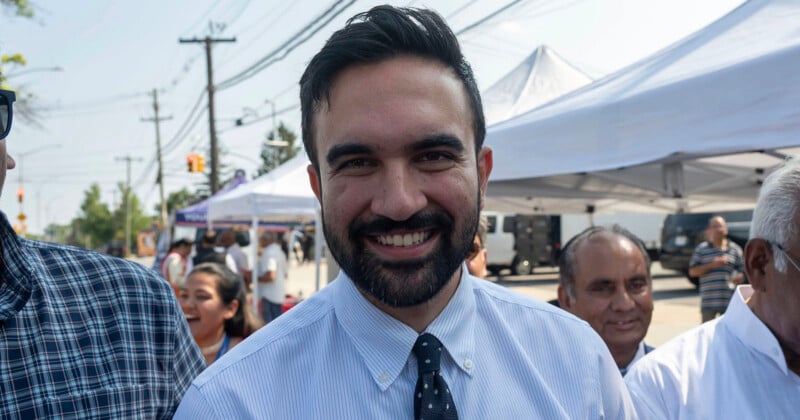 Mayor Mamdani
The mayor of New York City, Zohran Mamdani, has announced a new “Click to Cancel” rule, a first-of-its-kind initiative in the U.S. that is aimed at helping consumers cancel subscriptions much more easily.
At a press conference this week, former Federal Trade Commission (FTC) chair Lina Khan specifically mentioned Adobe executives who admitted that their early termination fees had become “‘a bit like heroin for the company,’ a form of revenue they just couldn’t quit.”
Mamdani says, “In our city, we’re drawing a clear line: if you can sign up with a click, you must be able to cancel with one.” The rule will come into effect on October 1, after which time New York City residents will be able to file complaints against businesses that fail to comply.
Furthermore, companies are required to explain subscription terms clearly to customers, clearly disclose consumers’ rights when buying or canceling subscriptions, provide the same straightforward cancellation process as the sign-up, and not ask the customer to pay to ship things that they provided for free. The rule is being enforced by the Department of Consumer and Worker Protection (DCWP).
“There are a lot of second yachts being paid for by junk fees,” DCWP Commissioner Sam Levine tells Jacobin. “We know that companies like Ticketmaster, Adobe… companies like Amazon had a name for its difficult cancellation process called Project Iliad, likening the process of cancellation to Homer’s epic about the Trojan War.”
The officials say that the Click to Cancel rule will save New Yorkers up to $162.5 million per year.
“I encourage all New Yorkers, if you’re trapped in a subscription, if you’re paying a junk fee, call 311,” says Levine. “First, we’ll try to get you your money back. And then if we see a pattern of companies ripping people off, we’ll take them to court.”
“More and more of our economy is switching online. More and more companies are relying on things as a service,” adds Khan. “In a lot of instances, they’ve also created new opportunities for businesses to squeeze people, to trick them, to act in unfair ways. And so this effort is really about modernizing consumer protection to speak to the modern economy.”
Earlier this year, Adobe agreed to pay $75 million after it settled a lawsuit brought by the United States Department of Justice (DOJ), alleging that the company hid fees and made it excessively challenging for customers to cancel subscriptions.
Image creditsHeader photo licensed via Depositphotos.







 English (US) ·