
 3 weeks ago
66
3 weeks ago
66
Amongst the plethora of different versions of the Leica M 35mm f/1.4 Summilux lenses, the “11873” model has garnered special attention. This double-aspherical design is famous for its lens character and classic glow at wider apertures. Of course, lens aficionados have driven the price of this original lens to astronomical values, which is where Light Lens Lab has stepped in.
Light Lens Lab pays homage to classic lens designs while putting their own spin on the optical formulas to accommodate modern cameras. At $1,400, the Light Lens Lab 35mm f/1.4 “11873” lens is a fraction of the price of the original, but it doesn’t seek to be exactly the same.
I took the lens for a spin on a recent trip to Japan, and I soon realized there is a lot to talk about. For the sake of brevity, I will refer to this lens throughout as the 11873.
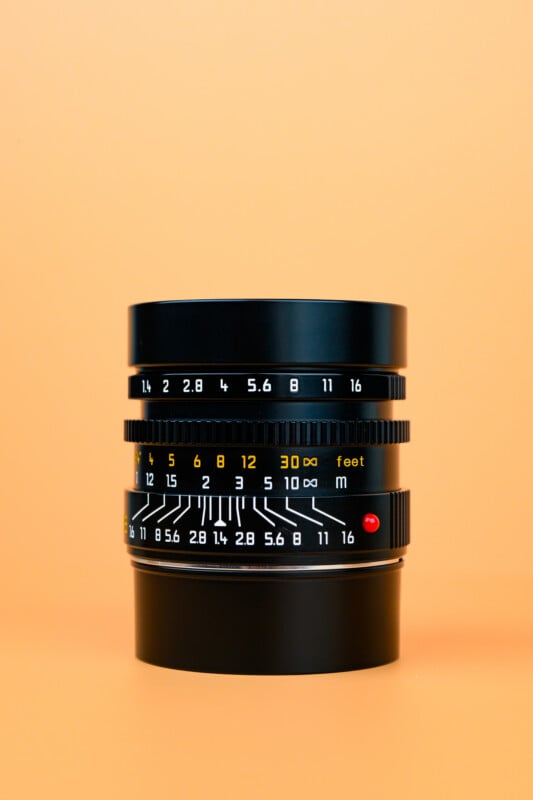 I love how closely the scrollwork and paint is to a classic Leica lens.
Light Lens Lab 35mm f/1.4 ‘11873’ Review: How It Feels
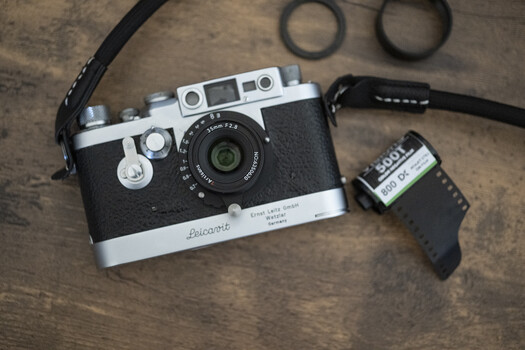
The build of the 11873 is almost exactly the same as the original Leica. If it weren’t for the Chinese characters on the bottom of the barrel and the writing inside the front of the lens, you would think it was made in Wetzlar, Germany. The machine work and paint are perfect, and the aperture ring and focusing barrel feel ideal in the hand. The lens did not obscure the viewfinder significantly, and the controls were all very easy to use. This lens brings an intuitive experience to a photo session, much the same way that Leica lenses do.
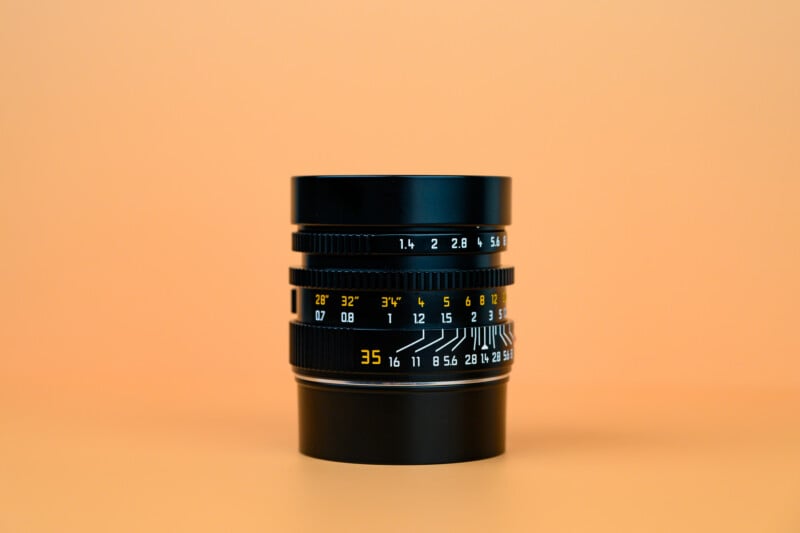 The Light Lens Lab 35mm 11873 looks and feels almost exactly like the original.
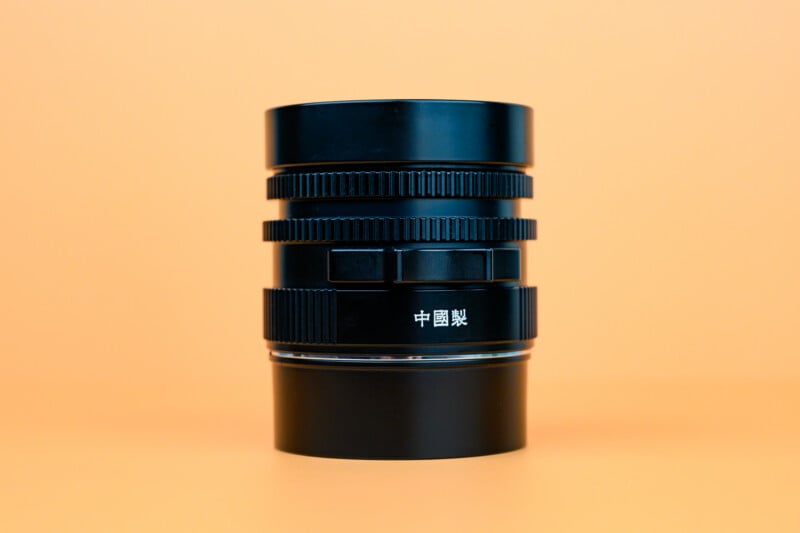 Small clues such as the Chinese characters on the back are the only giveaways.
The lens only weighs about 9.5 ounces (270 grams) and is very compact on the Leica M11P that I tested it with. There is also a slightly heavier and even more prestigious titanium version available. The aperture ring is indexed to half-stop increments and is a beautifully made 10-blade design. It’s important to note that the 11873 is not indexed for 6-bit coding, so no EXIF data will be transmitted.
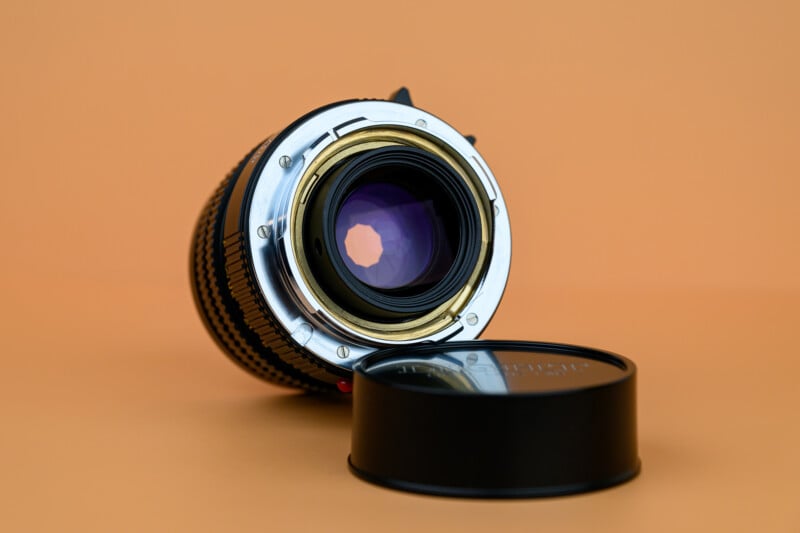 The lens will not transmit any focal length info to a Leica camera.
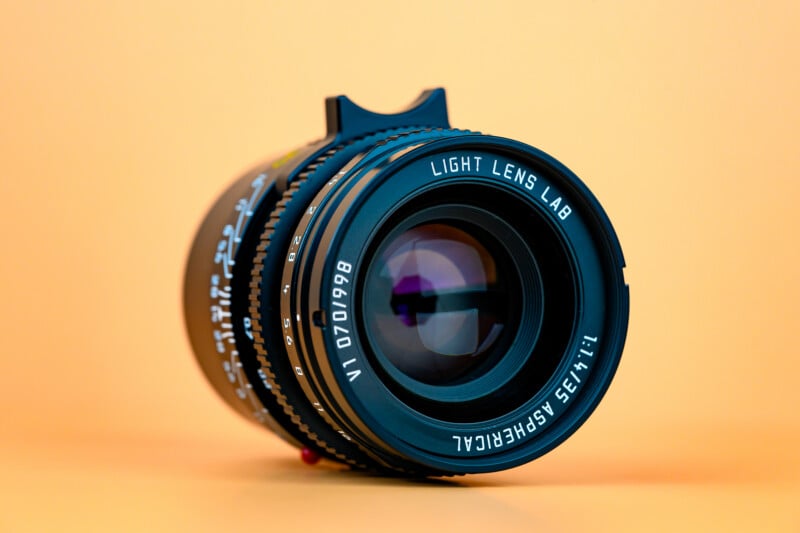 The glass inside the 11873 is lanthanide-infused just like the original.
Light Lens Lab has gone a different route beyond just mimicking the original formula. Although the 11873 uses lanthanide-infused glass, a double-aspherical lens design, and the same number of optical elements and groups, the lens is made to accommodate modern camera sensors and improve some optical characteristics found lacking in the original.
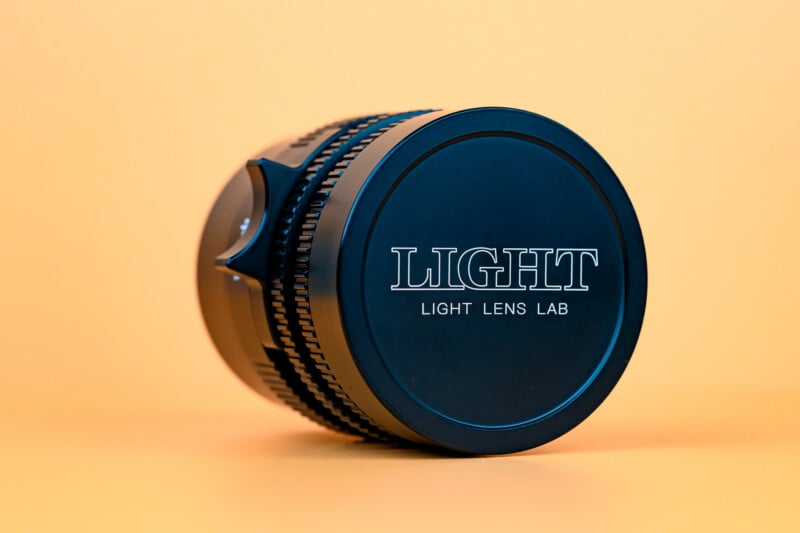 As usual, the machine work and attention to detail is superb.
Light Lens Lab 35mm f/1.4 ‘11873’ Review: How It Shoots
Vibrant flare is one of the first things that I noticed on the 11873 lens, with contrast well maintained, but with obvious ghosting and rainbow patterns in the shots. This is less pronounced than the original but still very obvious, and in many ways, quite interesting. There is a propensity for the lens to show large swathes of purple flare when the lens is stopped down. I also really like the subtle rainbow patterns that can form, and the flare characteristics are something you’ll want to experiment with, rather than avoid.
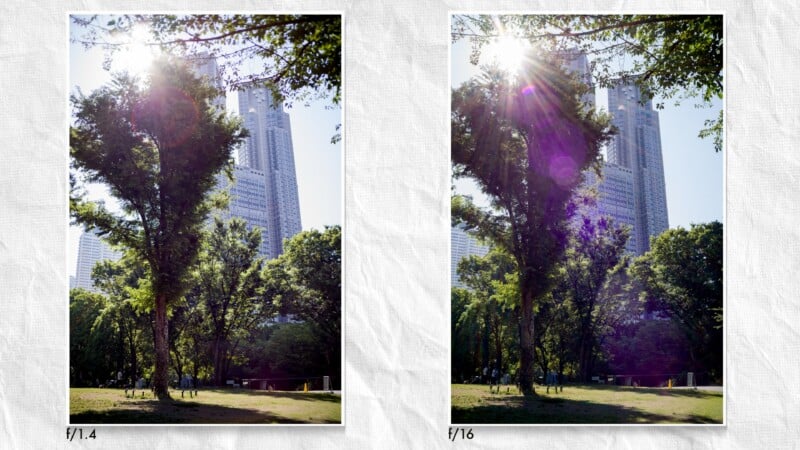 This lens flares at the drop of a hat. Either have fun with it, or avoid it altogether.
 There is a cool rainbow flare pattern that some angles will give off.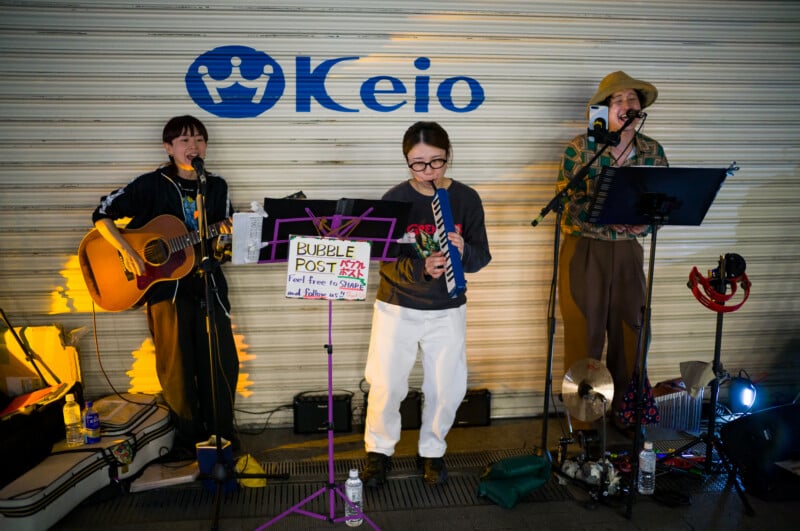
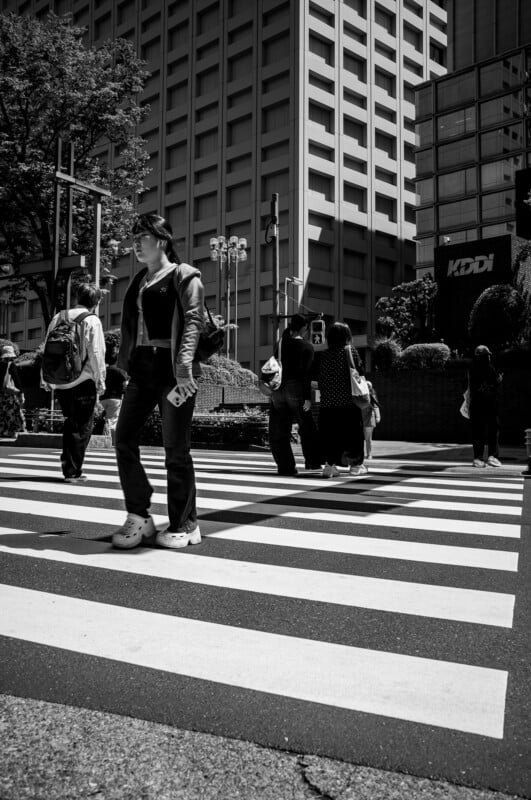
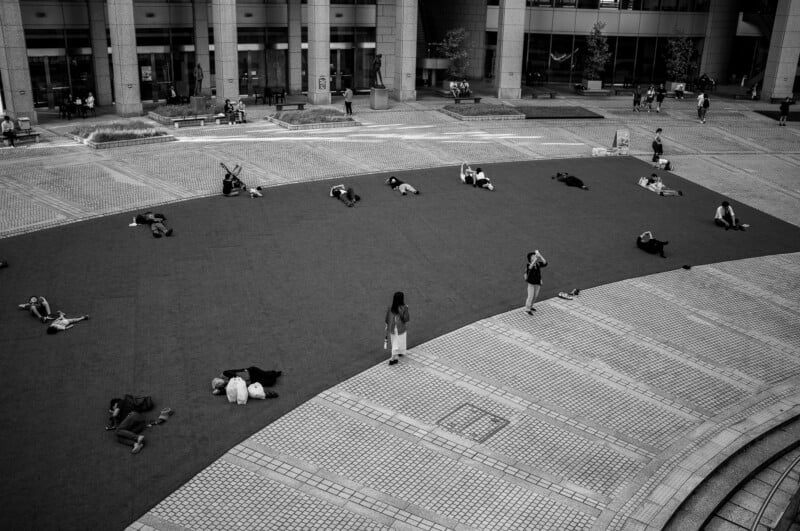
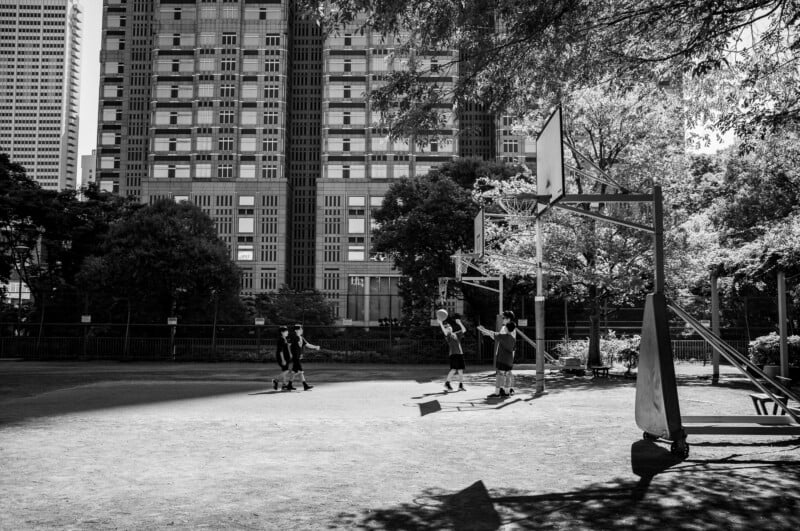
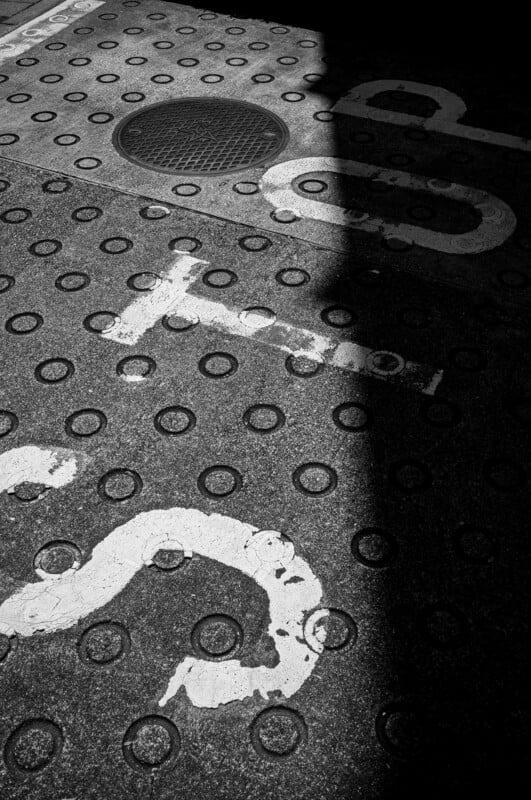
Sharpness exhibits noticeably low contrast at f/1.4 in the center of the image, with heavy vignetting present in the corners. Stopping the lens down helps in a big way, bringing about excellent detail and reducing the light loss in the corners. The sharpness in the corners of the image is still quite poor at f/1.4, and although vignetting gets better, the corners still have a blurred look at f/2.8.
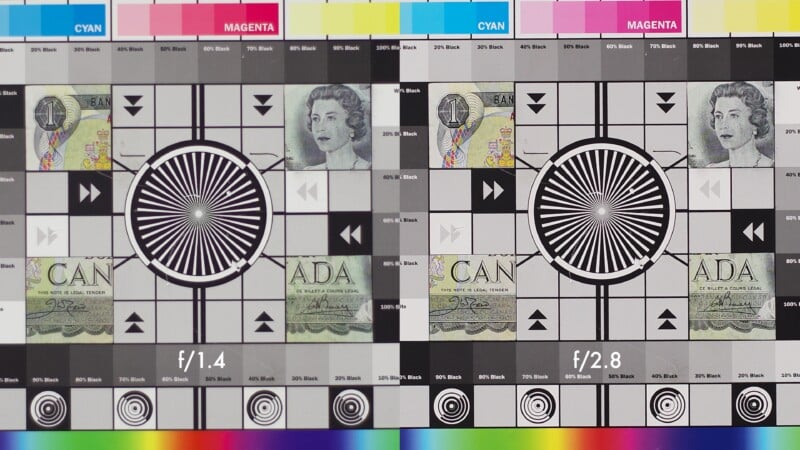 The LLL 11873 glows with low contrast at f/1.4. Contrast boosts a little with tighter apertures.
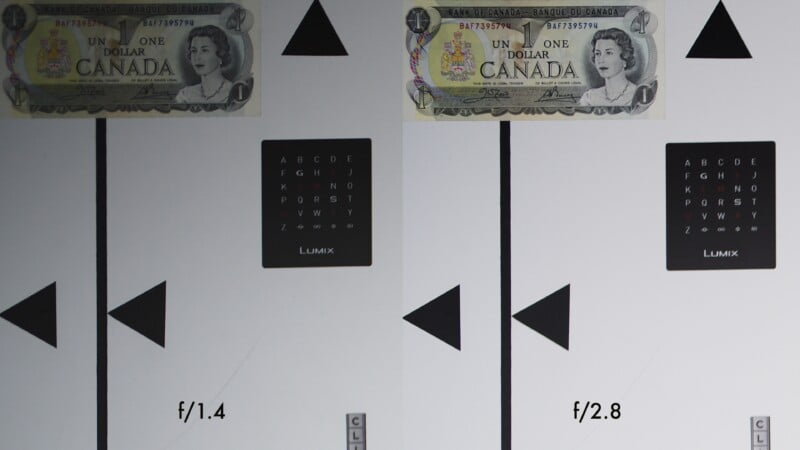 Corners never quite get sharp, and the vignetting is strong at f/1.4.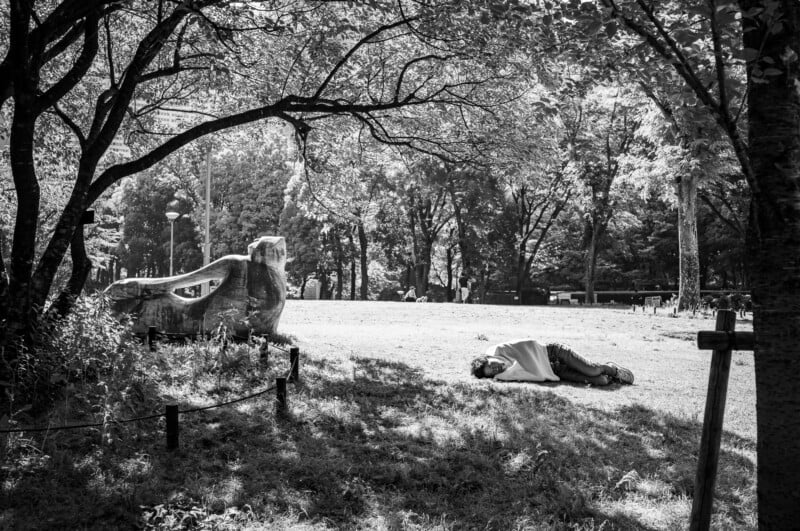
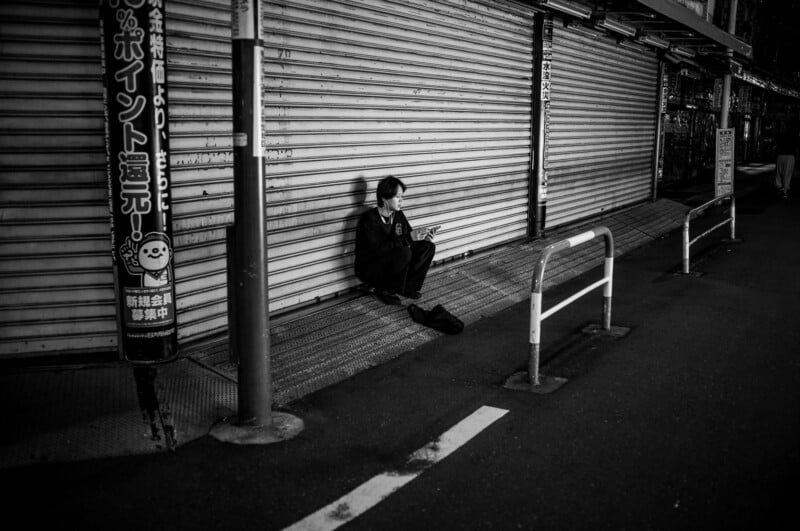
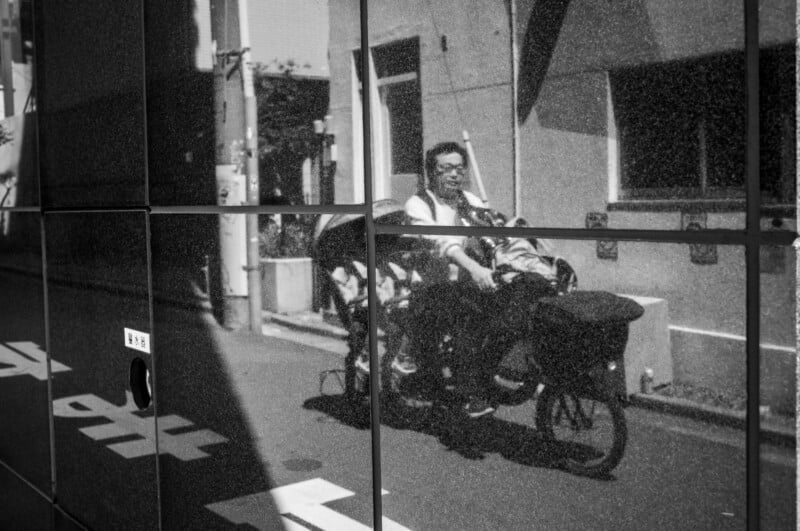
Sun stars are interesting on this lens. At f/9, the aperture blades form a distinct star shape, but I didn’t always get impressive stars out of it. With large light sources, I was unimpressed with the rendering. However, with very small pinpoints of light, the sunstars can be dramatic and what is even more interesting is that it gives sun stars even at wider apertures. This is a lens that wants to be used at night on the streets of a major city with traffic and street lights all creating a field of stars.
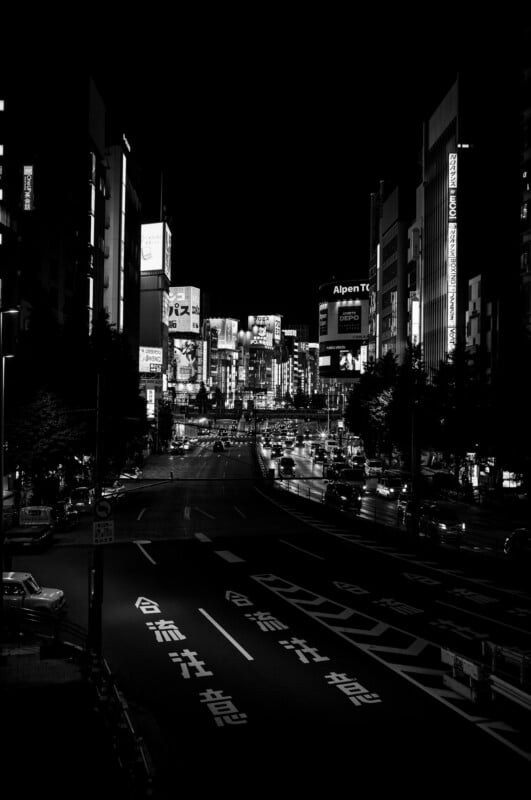 The tiny headlights and street lights can make dramatic sunstars at wider apertures. Larger light sources tend to look vague though.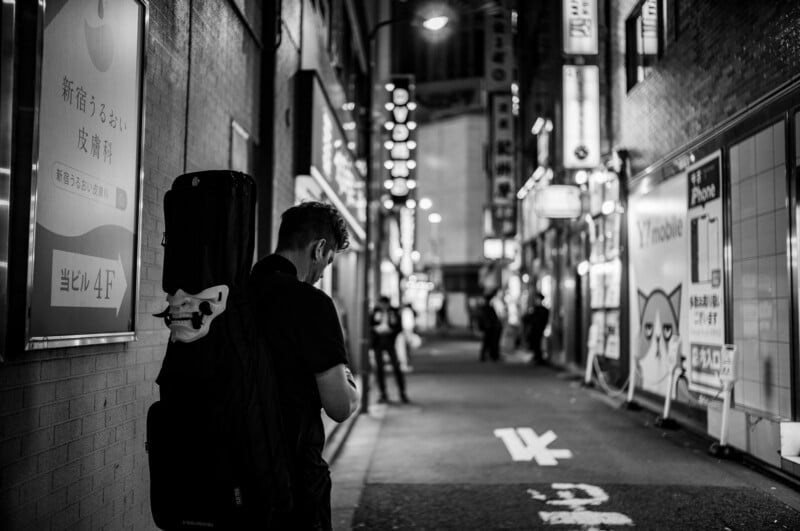
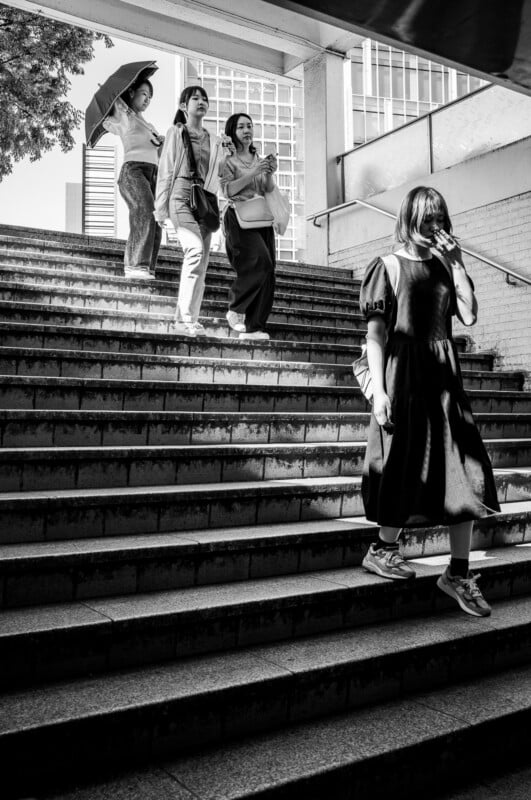
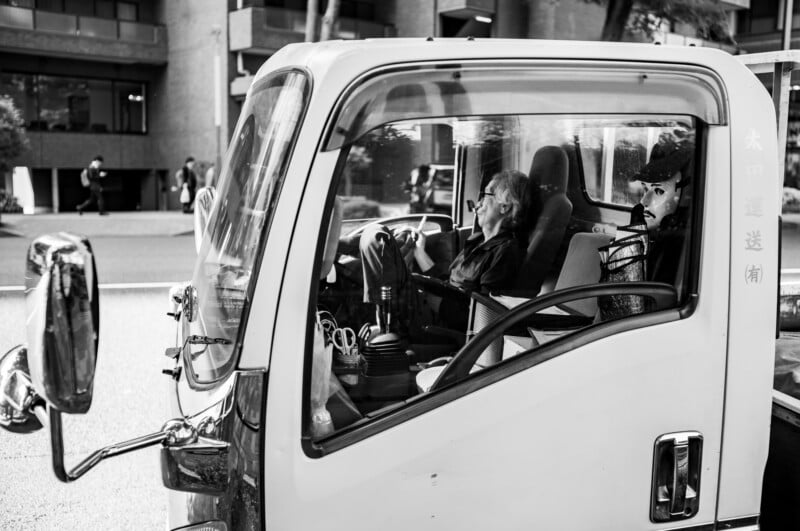
Bokeh is going to be full of character with the 11873, with specular highlights showing lots of onion rings and a strong soap bubble effect. At f/1.4, expect to see a lot of optical vignetting at the corners, creating a pleasant cat’s-eye look. This also tends to create swirly-looking corners that can draw the eye into the center of the frame. However, the bokeh does tend to have a distinct look which might not appeal to everyone. Backgrounds can often take on a double-image blurred effect, which is very noticeable.
There is a definite harshness to the overall look, too, but this is part of the appeal of this lens. The original was famous for a strong-rounded look to background highlights, and you’ll notice a similar look with the 11873 lens too. It will not look like many other optics on the market, and it is eye-catching.
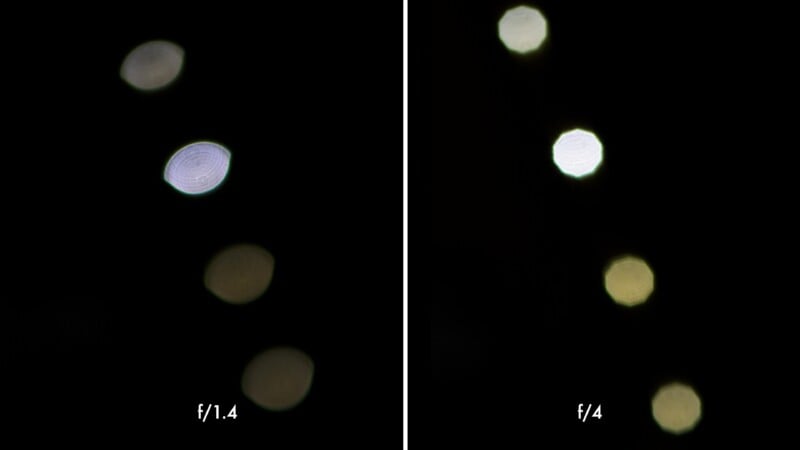 Bokeh is a little messy and a little harsh, but that is part of the fun.


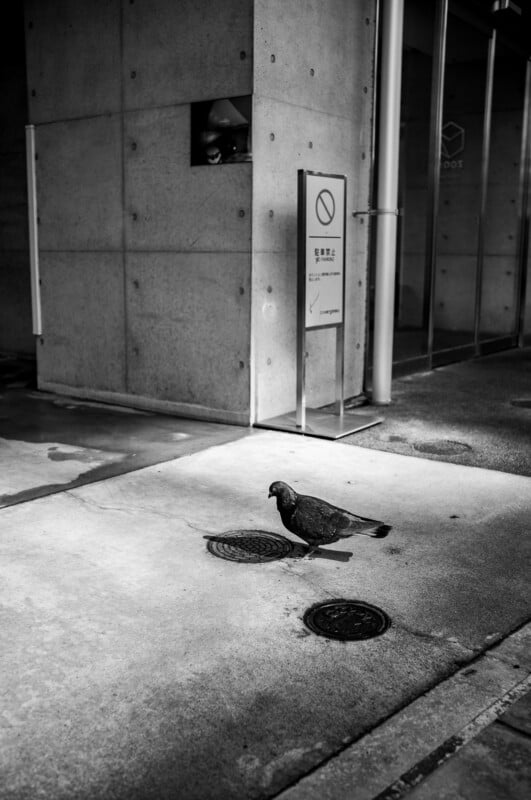
The 11873 has a classic-looking glow to the images at the widest apertures and is well-corrected against lateral chromatic aberrations, especially compared to the original optic. What it does have is LoCA, or longitudinal chromatic aberration, and this color fringing is quite noticeable. Unfortunately, this is a little tricky to remove in post. I shot a lot of black and white imagery, which does mitigate this issue, but I liked that my color shots were free of errant color casts in contrasty areas, and that a slightly stopped-down aperture could reduce the LoCA when needed.
 LoCA is strong at wider apertures. You can see a very strong effect here.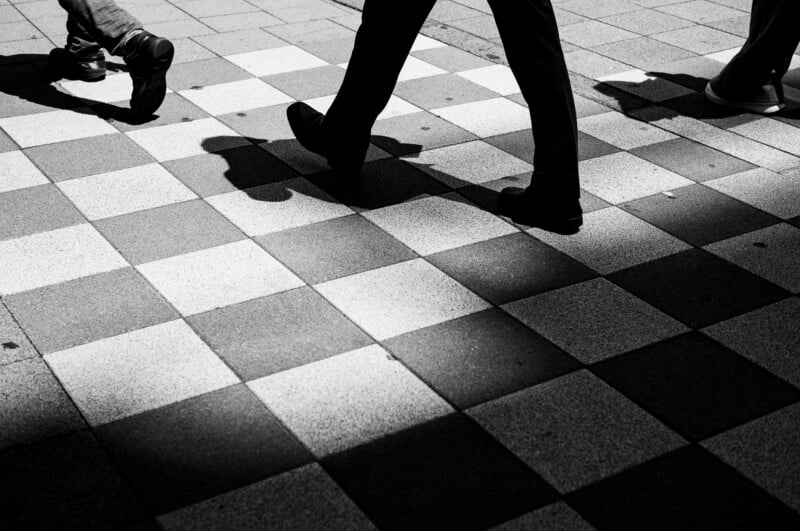
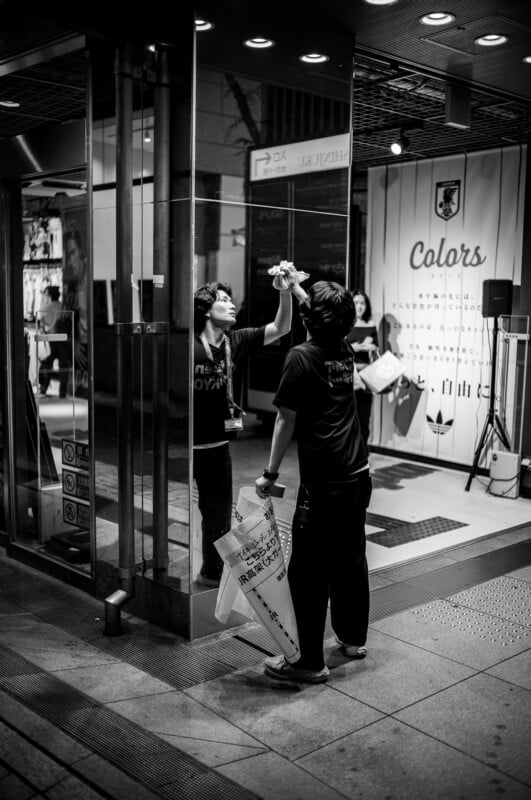

The Light Lens Lab 35mm f/1.4 ‘11873’ Feels Like an Old Optic
Light Lens Lab has done a great job of recreating the fun and faults of the original Leica double aspherical design, while adding sharpness and chromatic aberration correction for modern sensors. I also like that you get to have the experience of handling a Leica lens without paying the extra cost. The rich character preserved in this design will not appeal to everyone, but I found it quirky and fun to shoot with, always wondering how things might turn out.
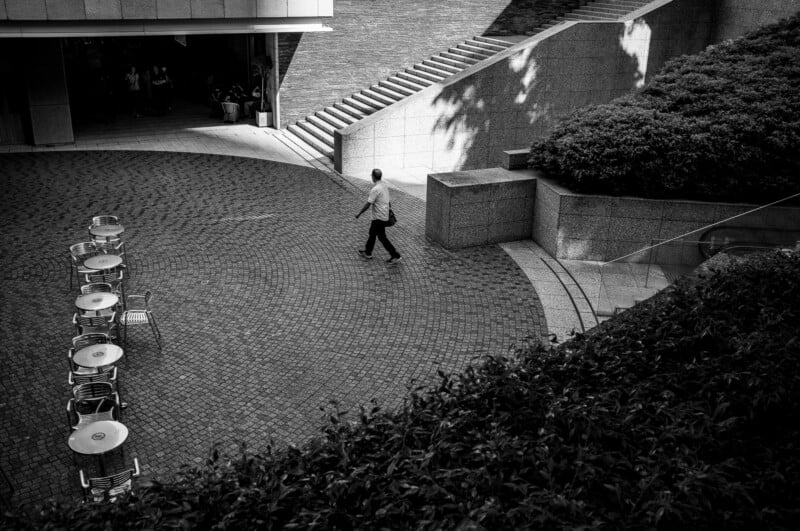
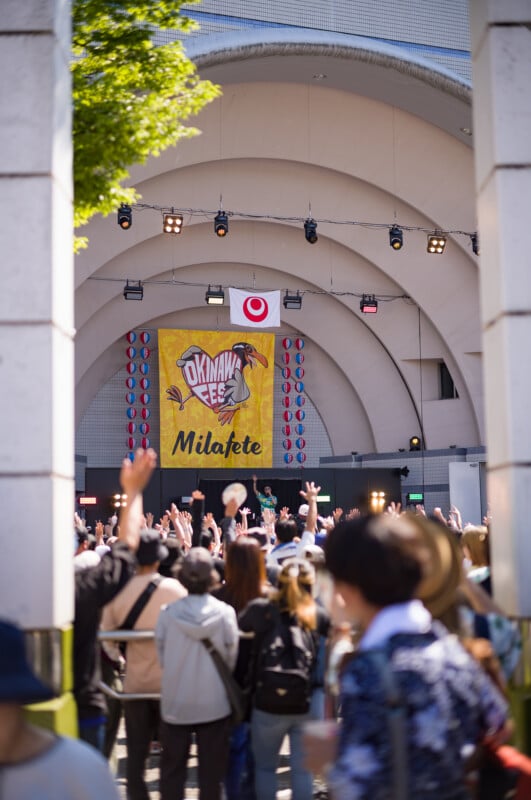

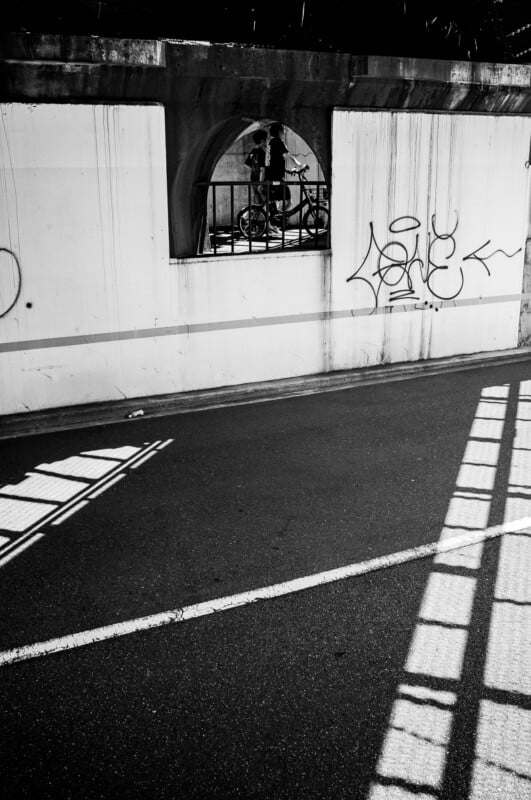
I understand that some will feel that copying an existing design is a little irreverent, but considering that Light Lens Lab is offering an experience that effectively no photographer will be able to find or afford, I think the act is justified. With the additional improvements that take this lens beyond what the original Leica 11873 delivered, I think that the Light Lens Lab version is worth a look. If you feel that mimicry is the sincerest form of flattery, you should give it a try.
Are There Alternatives?
Of course, finding the original Leica lens would provide a similar experience, but the cost and rarity are extremely prohibitive. Although not a 35mm lens, the Omnar Bertele 5cm lens would provide a similar kind of characterful experience. The Voigtlander Nokton Classic 35mm f/1.4 SC II, would be an affordable alternative with its own unique look.
Should You Buy It?
Yes. If you want a well-made lens that captures the vintage Leica experience without the exorbitant price, give the Light Lens Lab 11873 a go.



 English (US) ·